Why Cleaning Can Create So Much Plastic Waste
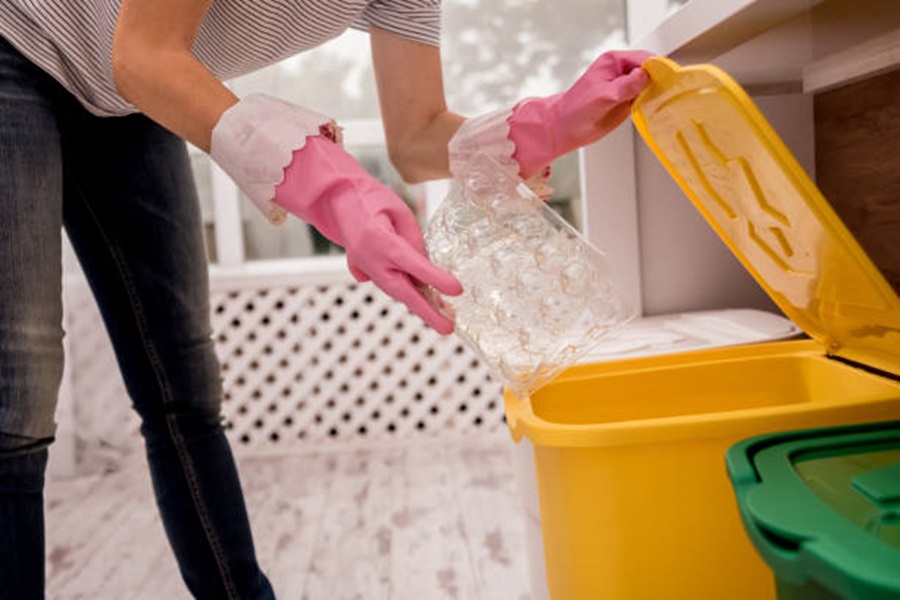
Cleaning is an essential part of maintaining a healthy and hygienic environment, but it can also be a significant source of plastic waste. Many common cleaning practices and products contribute to the growing plastic pollution crisis due to their packaging, single-use nature, and lack of sustainable alternatives. Understanding why cleaning generates so much plastic waste is the first step toward adopting more eco-friendly habits.
Common Sources of Plastic Waste in Cleaning
- Single-Use PackagingThese containers are often made from non-recyclable plastics or are not properly recycled due to contamination.
- Disposable Cleaning Supplies: Items like sponges, mop heads, disposable wipes, and scrub pads are frequently made with synthetic materials that contain plastic. These items are thrown out after limited use, contributing to landfill buildup.
- Plastic Wrapping: Many cleaning tools, such as brushes and gloves, are packaged in unnecessary layers of plastic wrap for shipping or display purposes.
Why Single-Use Plastics Dominate Cleaning Products
The prevalence of plastic in the cleaning industry stems from its convenience, affordability, and durability. Plastics keep products lightweight and cost-effective while protecting them from damage during transportation. However, this reliance on plastics has created a “disposable culture” where convenience often outweighs environmental concerns.
The Environmental Impact
Plastic waste generated by cleaning contributes to several environmental problems:
1.Landfill Overflow: Non-biodegradable plastics take hundreds of years to break down in landfills. During this time, they release harmful chemicals into soil and groundwater. 2.Ocean Pollution: Improperly discarded plastics often end up in rivers or oceans, harming marine life through ingestion or entanglement. 3.Greenhouse Gas Emissions: From production to disposal, all steps in the lifecycle of plastic generate greenhouse gases that contribute to climate change.
The Role of Consumers
- Opt for reusable alternatives whenever possible (e. g. , replace disposable wipes with washable cloths).
- Support brands that reduce excessive packaging or use recycled materials.
- Educate yourself on proper recycling practices to ensure that recyclable items don’t go to waste.
By understanding the sources and impact of plastic waste from cleaning activities, individuals can start making informed decisions that align with sustainability goals. Implementing small changes at home can lead to significant reductions in overall environmental harm while fostering healthier habits for the planet’s future.
Choose Reusable Cleaning Tools
One of the most effective ways to reduce plastic waste while cleaning is by opting for reusable cleaning tools. Many traditional cleaning products, such as sponges, brushes, and mop heads, are made with single-use plastics or materials that don’t break down easily. Transitioning to durable and reusable alternatives can significantly lower your environmental impact.
Benefits of Reusable Tools
- Durability: Reusable tools often last much longer than disposable ones, saving money in the long run while reducing waste.
- Reduced Demand for Plastics: By choosing non-plastic or refillable options, you help decrease the overall demand for disposable plastic products.
- Customizable Cleaning Practices: Many reusable cleaning tools allow for modularity, such as replacing only the head of a mop or brush rather than discarding the entire tool.
Suggestions for Reusable Cleaning Tools
| Traditional Plastic-Based Tool | Reusable Alternative |
| Disposable kitchen sponges | Loofah sponges or natural cellulose sponges |
| Plastic scrub pads | Stainless steel scrubbers or copper scrubbers |
| Single-use wet mop pads | Washable microfiber cloths |
| Disposable dusters | Reusable dusting wands with washable heads |
Caring for Your Reusable Tools
To make the most out of your investment in reusable tools and ensure they last as long as possible:
– Clean regularly: Wash and air-dry microfiber cloths, scrubbing brushes, and mop heads after each use to prevent bacteria buildup.
– Store properly: Keep tools in a dry space to avoid mold growth.
– Replace components sparingly
Why It Matters
By switching to reusable options in your cleaning routine, you not only reduce reliance on plastics but also adopt a more mindful approach to consumption. Over time, small changes like this can lead to significant improvements in reducing household waste and promoting sustainability.
Buy Cleaning Products With Less Packaging
One of the simplest ways to reduce plastic waste while cleaning is by choosing products with minimal or sustainable packaging. By making intentional choices about the packaging of cleaning supplies, you can significantly cut down on waste.
Opt for Refillable or Bulk Options
- Refillable bottles: Many cleaning brands now offer refill pouches or concentrates that allow you to reuse the same spray bottle multiple times.
- Bulk buyingThis not only reduces packaging but also saves money over time.
| Product Type | Standard Packaging | Low-Waste Alternative |
| Glass cleaners | Plastic spray bottles | Refill concentrates + reusable bottles |
| Laundry detergent | Single-use plastic jugs | Cardboard-based powder boxes |
| Dishwashing liquid | Small plastic bottles | Bulk sizes with a pump dispenser |
Look for Minimalist Packaging Materials
Some brands are transitioning away from traditional plastics and adopting more eco-conscious materials: – Cardboard boxes: Powdered cleaners like laundry detergents or surface scrubs often come in cardboard containers that are easier to recycle.Metal tins: Scrubbing powders and soap bars may be sold in tins, which can be reused for other purposes after you’ve finished the product.Glass jars: Certain specialty brands sell liquid cleaners in recyclable glass rather than plastic.
Support Brands That Prioritize Sustainability
When shopping, look for companies that prioritize environmentally friendly practices: – Brands using recycled plastics instead of virgin materials.packaging return programs, where used containers can be sent back for reuse. – Certifications such as “Plastic Neutral” or “B Corp,” which indicate a commitment to reducing environmental impact.
DIY Solutions to Reduce Packaging Waste
g.
By purchasing or making products that come with less disposable packaging, you’ll take an important step toward cleaner habits—both inside your home and in protecting the planet.
Make the Most of Concentrated Cleaning Solutions
One effective way to reduce plastic waste while cleaning is by switching to concentrated cleaning solutions. These products are highly potent and require dilution with water, which minimizes packaging waste and reduces the environmental impact of transportation. Below is an exploration of why concentrated solutions are a great option, how to use them effectively, and what to look for when purchasing them.
Why Concentrated Cleaning Solutions Matter
- Less Packaging Waste: Since concentrated solutions are smaller in volume compared to their ready-to-use counterparts, they often come in smaller bottles or pouches. This means less plastic waste overall.
- Lower Carbon Footprint: Transporting larger quantities of diluted products requires more fuel due to their weight.
- Cost-Effective: Concentrated cleaners may seem more expensive upfront, but they typically last longer since a small amount goes a long way when diluted.
How to Use Concentrated Cleaning Solutions
When using concentrated cleaning products, it’s essential to follow the manufacturer’s instructions for dilution ratios.
| Product Type | Typical Dilution Ratio | Example Use Case |
| All-Purpose Cleaner | 1 part concentrate:10 parts water | Wiping down countertops or furniture |
| Glass Cleaner | 1 part concentrate:5 parts water | Cleaning windows and mirrors |
| Floor Cleaner | 1 part concentrate:20 parts water | Mopping hardwood or tiled floors |
- Label Your Bottles Clearly: To avoid confusion, label each bottle with the type of cleaner and its dilution ratio.
Finding Sustainable Concentrates
Look for Biodegradable Formulas: Choose solutions free from harmful chemicals like phosphates and synthetic fragrances.Minimal or No-Plastic Packaging Options: Opt for concentrates sold in glass bottles or compostable pouches whenever possible.Certifications Matter: Seek out certifications like “Cruelty-Free,” “ECOCERT,” or “USDA Organic” to ensure ethical production practices.
DIY Alternatives
– For glass surfaces: Combine 1 part rubbing alcohol with 1 part distilled water plus a splash of vinegar.
Homemade cleaners minimize packaging waste entirely since you can reuse existing containers.
Incorporating concentrated cleaning solutions into your routine is an excellent step toward reducing plastic waste without compromising cleanliness. With careful selection and proper use, this small change can have a significant environmental impact over time.
Make the Most of Concentrated Cleaning Solutions
Switching to concentrated cleaning solutions is an effective way to reduce plastic waste while maintaining a clean and healthy environment. Concentrates are powerful, efficient, and often come with less packaging than traditional ready-to-use products. Here’s how you can incorporate them into your cleaning routine for a more sustainable approach.
Benefits of Concentrated Cleaning Solutions
- Reduced Packaging Waste: Concentrated formulas typically come in smaller containers, using significantly less plastic compared to their pre-diluted counterparts.
- Cost-Efficient: While the initial cost of concentrates may appear higher, they last much longer since you dilute them at home, saving money over time.
- Less Transportation Impact: Smaller bottles mean fewer resources are needed for transportation, reducing the overall carbon footprint associated with shipping.
How to Properly Use Concentrates
- Carefully read the product label to determine the correct water-to-solution ratio.
- Use a reusable spray bottle or container for mixing (preferably one you already own or repurposed).
- Clearly mark diluted solutions to avoid confusion or misuse later.
- Include dilution instructions on the bottle for easy reference when it’s time to refill.
- Keep concentrated in a cool, dry place away from direct sunlight to maintain their potency.
- If children or pets are in your home, store them securely out of reach.
Example Table: Comparing Environmental Impact
| Product Type | Packaging Material | Number of Uses Per Container | Plastic Waste Generated |
| Ready-to-Use Spray Cleaner | Single-use plastic | ~20 uses | High |
| Concentrated Cleaning Solution | Minimal packaging | ~100+ uses | Low |
As shown above, concentrated cleaning solutions dramatically reduce plastic waste over time due to their efficient design and longevity.
Tips for Transitioning to Concentrates
- Start Small: Begin by replacing one frequently used product with its concentrated equivalent so you can get used to dilution ratios without feeling overwhelmed.
- Invest in Durable Containers: Purchase high-quality reusable bottles if needed; these will last longer and further minimize waste.
- Experiment With DIY Options: Many concentrated cleaners also offer versatility—you can experiment by repurposing them for multiple cleaning tasks around your home.
Supporting Brands That Prioritize Sustainability
- Choose brands offering refill stations at stores or selling refills in biodegradable pouches instead of hard-plastic bottles.
- Look out for certifications such as cruelty-free labels or eco-certifications that guarantee environmentally responsible practices.
By making this switch and following these practical steps, you’ll make a meaningful impact on reducing single-use plastic waste while keeping your living spaces clean and fresh.
Build Low-Waste Cleaning Habits
By making small, consistent changes and being mindful of your choices, you can significantly decrease single-use plastics and contribute to a more sustainable lifestyle. Below are practical tips and strategies to help you build these habits effectively.
Assess Your Current Habits
The first step in building low-waste cleaning habits is understanding your existing practices.
– How often you purchase disposable cleaning supplies like plastic sponges or bottled sprays.
g. , plastic containers, shrink wrap).
– Whether you’re throwing away items that could be reused or repurposed.
By identifying areas where waste frequently occurs, you’ll gain clarity on what needs improvement.
Simplify Your Cleaning Routine
Having too many specialized products can create unnecessary waste.
– Use multi-purpose cleaners that work across multiple surfaces.
Clean with Reusables
Incorporate reusable tools into your cleaning routine to replace single-use items: – Microfiber cloths: These are durable, washable, and great for picking up dirt without relying on disposable wipes.Washable mop padsHand towels: Replace paper towels with cloth hand towels for drying or wiping spills.
To keep reusables hygienic, wash them regularly after use with hot water to prevent bacteria buildup.
Adopt a Plastic-Free Shopping Mindset
Make conscious choices when purchasing new cleaning supplies by:
1. Choosing packaging-free or minimal-packaging options whenever possible. 2. 3. Reading labels carefully to ensure you’re buying eco-friendly products.
Example Comparison Table: Traditional vs Low-Waste Supplies
| Traditional Cleaning Item | Low-Waste Alternative |
| Plastic dish sponges | Compostable loofah sponges |
| Paper towels | Reusable cloth towels |
| Single-use mop pads | Washable microfiber pads |
Establish a Reuse System at Home
Organizing your space can make low-waste practices more convenient: – Dedicate a small area in your home to store reusable rags, empty spray bottles, and refillable containers. – Label containers clearly so it’s easy to identify what’s inside. – Encourage everyone in the household to adopt these practices by leading by example.
Commit to Long-Term Sustainability
Low-waste living doesn’t happen overnight—it’s about forming consistent habits over time:
– Start small by focusing on one area of improvement (like eliminating paper towels) before moving onto others. – Track progress and celebrate milestones (e. g. , cutting down monthly waste output). – Educate yourself continually about new innovations in eco-friendly alternatives so you can upgrade your practices as needed.
By cultivating thoughtful habits around cleaning routines, you’ll not only reduce plastic waste but also inspire others around you to do the same. Every small step contributes toward making a bigger difference collectively over time.
Build Low-Waste Cleaning Habits
Adopting low-waste cleaning habits is a crucial step in reducing plastic waste over the long term. These habits not only help cut down on single-use plastics but also encourage mindful consumption and sustainable living. By making small, consistent changes to your cleaning routine, you can significantly reduce your environmental footprint.
Start With a Waste Audit
Before you can implement low-waste cleaning practices, it’s important to identify where the waste is coming from in your current routine.
– Take note of all the cleaning products you use regularly and their packaging types.
– Assess how quickly you go through disposable items like sponges, wipes, or cleaning sprays.
– Identify any single-use plastic items that could be swapped for reusable options.
This exercise will give you a clear picture of where improvements can be made.
Adopt Refillable and DIY Solutions
One effective way to build low-waste habits is by switching to refillable products or making your own cleaning solutions at home.
– Purchase concentrated cleaners or bulk refills for items like dish soap, laundry detergent, or surface cleaners. This reduces reliance on single-use plastic bottles.
– Create homemade cleaners using common household ingredients such as vinegar, baking soda, lemon juice, and essential oils.
| Cleaning Need | DIY Solution | Container Suggestion |
| All-purpose cleaner | 1 part vinegar + 1 part water + a few drops of lemon essential oil | Glass spray bottle |
| Bathroom grime remover | Baking soda paste (baking soda + water) | Reusable storage jar |
| Window cleaner | Water + vinegar (2:1 ratio) | Spray bottle |
Minimize Disposable Items
Single-use disposable cleaning supplies are one of the largest contributors to household waste.
– Swap paper towels for washable cloths or rags made from old T-shirts or towels.
Maintain Consistency With Small Changes
Building new habits doesn’t mean overhauling everything at once—it’s about consistency over time.
– Involve family members or roommates by sharing why low-waste habits matter and encouraging them to participate. – Celebrate progress by tracking how much less garbage you produce each month.