Why Grass Stains Are Hard to Remove
Grass stains are notoriously difficult to remove due to their unique composition and the way they bind to fabrics. When grass comes into contact with clothing, shoes, or other surfaces, it leaves behind a pigment known as chlorophyll, which is responsible for the green color. However, what makes grass stains particularly stubborn isn’t just the chlorophyll—it’s also the combination of other organic compounds like carotenoids (yellow pigments), xanthophylls, and natural sugars. These components create a complex stain that embeds itself deeply into fibers and surfaces.
The Chemistry Behind Grass Stains
- Tannins: Found in grass and plants, these compounds act like natural dyes that bond strongly with fabrics.
- Protein Content: Grass also contains proteins that can further complicate the removal process since they require specific enzymes or cleaners to break down.
The stain binds tightly to fabric fibers due to its molecular structure, making it crucial to use targeted cleaning approaches for effective removal.
Common Surfaces Affected by Grass Stains
While clothing may be the most common victim of grass stains, these marks can affect a variety of surfaces: – Clothing: Cotton fabrics are especially susceptible since they absorb moisture readily.Shoes: Materials like canvas and suede tend to hold onto pigments.Carpets and Rugs: Fibers in carpets can quickly trap grass pigments when walked on outdoors.
Understanding why these stains occur helps highlight the importance of both prompt action and tailored cleaning methods for each type of affected surface.
Factors That Make Removal More Challenging
Several factors contribute to how embedded a grass stain becomes: 1.Time2.Fabric Type: Natural fibers such as cotton and wool are more prone to staining because they absorb moisture more readily than synthetic materials like polyester or nylon. 3.Temperature
| Factor | Effect on Stain Removal |
| Time | Longer exposure = harder-to-remove stains |
| Fabric Type | Natural fibers absorb more pigment |
| Temperature | Hot water may inadvertently set the stain |
By understanding why grass stains cling so persistently across different surfaces, you can better prepare yourself for handling them efficiently. Whether using household remedies or commercial solutions tailored for specific materials, addressing these tough stains starts with knowing their composition and behavior.
Acting Quickly for Best Results
When it comes to removing grass stains, timing is everything. Grass stains can bond tightly with fabric fibers, making them more difficult to remove if left untreated for too long.
Why Time Matters
Grass contains chlorophyll and other natural pigments that create its signature green hue. These pigments are tough to break down and can set into fabric fibers, particularly in organic materials like cotton or linen. The longer a grass stain stays on a surface, the more it integrates into the fibers, making removal significantly harder.
Immediate Steps to Take
Taking quick action doesn’t require specialized tools or products right away.
- Blot (don’t rub):Use a clean cloth or paper towel to gently blot any excess moisture or residue from the grass stain. Rubbing can push the pigment further into the fabric.
What Not To Do
Acting quickly sometimes leads people to make mistakes in haste. – Scrubbing aggressively — this wears down fabric fibers and makes future cleaning less effective. – Ignoring care labels — when unsure about how a material should be treated, check its care instructions before proceeding.
The Role of Pre-Treatment
After taking these immediate steps, transitioning into pre-treatment methods is essential for complete removal (referenced later in another section). This involves treating specific fabrics with suitable cleaning agents while taking care not to damage them.
Importance of Quick Action Across Surfaces
Prompt action isn’t limited only to clothing.shoes, gently wipe off surface dirt and apply a damp cloth with gentle detergent if needed.carpets, blot spills with a clean towel and avoid scrubbing until further cleaning solutions are ready for use.
By taking swift but measured action, you’ll significantly improve your chances of erasing even stubborn grass stains before they embed themselves permanently into your clothes, furniture, or carpets.
Pre-Treating Grass Stains Properly
When it comes to removing stubborn grass stains, the importance of pre-treatment cannot be overstated. Grass stains are notorious because they contain chlorophyll and other organic compounds that deeply bind to fibers, making removal difficult without proper preparation.
Why Pre-Treatment Matters
Pre-treating grass stains works by loosening the pigments and breaking down their chemical components before washing or cleaning.
Effective Pre-Treatment Steps
- The quicker you address a grass stain, the easier it will be to remove. Fresh stains are less likely to have fully bonded with fibers.
- Gently brush off any soil, grass clippings, or debris from the stained area before treatment. This reduces interference during cleaning.
- Choose an effective pre-treatment product such as enzyme-based cleaners specifically designed for protein-based stains like grass.
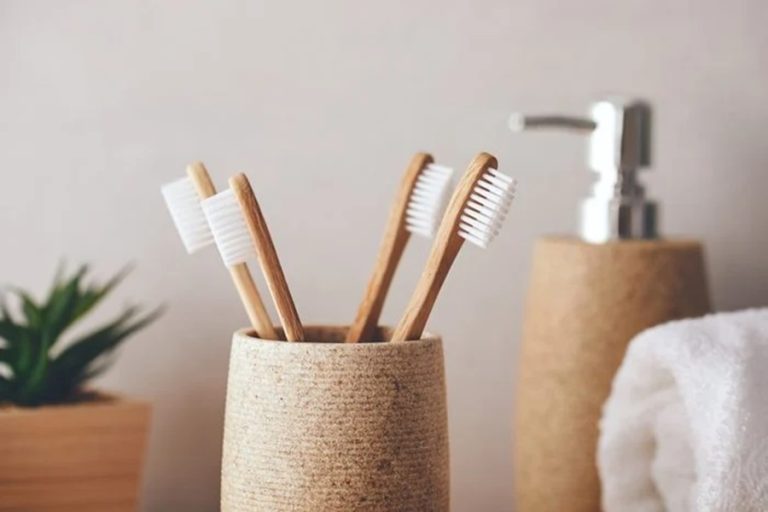
- Use a soft-bristled toothbrush or cloth to gently work the cleaner into the fibers of the stained area. Be cautious not to scrub too hard, especially on delicate fabrics.
- This gives it time to break down chlorophyll and other staining agents.
Tips for Different Fabrics
| Fabric Type | Recommended Approach |
| Cotton | Use enzyme-based cleaners and warm water post-pre-treatment for best results. |
| Synthetic Blends | Test cleaning solutions on an inconspicuous area first; avoid high heat during drying stages. |
| Delicates (silk, wool) | Stick to gentle solutions like diluted dish soap or white vinegar; avoid harsh scrubbing or machine washing. |
Common Mistakes During Pre-Treatment
Avoid these errors when pre-treating grass stains: – Using bleach on colored fabrics without testing first—this can cause discoloration. – Skipping rinsing after initial scrubbing—this can leave residues that attract dirt later.
By taking time and care with these steps, you’ll lay a strong foundation for completely removing even stubborn grass stains from various surfaces effectively during subsequent cleaning phases without risking damage to your items.
Pre-Treating Grass Stains Properly
Proper pre-treatment is essential for successfully removing grass stains, as these stains are notoriously stubborn due to the natural pigments in chlorophyll and other organic compounds. Below is a breakdown of how to approach pre-treatment for various materials.
Steps for Effective Pre-Treatment
- Check the care label on clothing or fabrics to determine any cleaning restrictions (e. g. , hand-wash only, dry-clean only).
- For shoes or other non-washable items like carpets, identify whether they are made from delicate materials like suede or heavier-duty ones like canvas.
- Gently brush off dirt, grass blades, or excess debris from the stained area with a soft-bristled brush or cloth to avoid pressing particles deeper into the fibers.
- Apply a Pre-Treatment Solution
Depending on what you have available: - Liquid Laundry Detergent:Apply a small amount directly to the stained area and gently rub it in using your fingers or a soft cloth.
- Hydrogen Peroxide (for light-colored items):Apply sparingly using a cotton swab (test first on an inconspicuous area).
Different Materials Require Adjusted Approaches
| Material Type | Suggested Pre-Treatment Approach | Notes |
| Cotton & Polyester | Apply detergent directly; let sit for 15 minutes before washing. | These fabrics tend to be more durable and respond well to pre-treatments. |
| Denim | Use a slightly stronger solution like dish soap mixed with hydrogen peroxide; scrub gently. | Be cautious with excessive scrubbing that could cause fading in darker denim shades. |
| Delicate Fabrics | Use diluted vinegar solution; blot gently rather than rubbing aggressively. | Test on hidden areas first to ensure no discoloration occurs during treatment. |
| Shoes (Canvas) | Dab with soapy water mixture; avoid soaking entirely unless shoes are machine washable. | Dry thoroughly after treatment to prevent mold or odors in footwear. |
Tips for Better Results During Pre-Treatment
- Test Cleaning Agents First:Particularly when using stronger solutions like bleach alternatives, test them on hidden sections first.
By following these steps closely before moving on to full cleaning methods, you can greatly improve your success rate in tackling tough grass stains without damaging your belongings.
Using Household vs Commercial Cleaning Products
When it comes to tackling grass stains, choosing the right cleaning product can make all the difference. This section will explore the benefits and drawbacks of each option and provide guidance on when to use them.
Household Cleaning Products: Affordable and Accessible
Household products are a great first line of defense against grass stains. These items are often already available at home, making them convenient and cost-effective solutions.
Key Advantages:- Affordable and readily available – Gentle on most fabrics when used correctly – Environmentally friendly options (e. g.
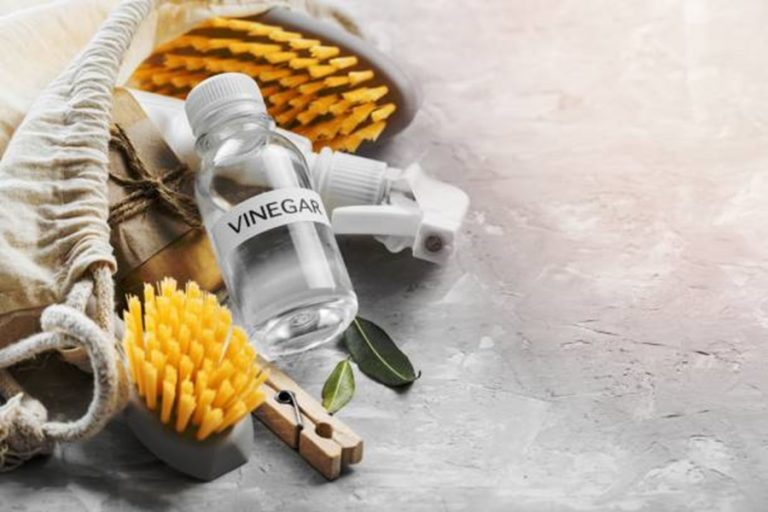
Effective Household Remedies:1.White Vinegar:2.Baking Soda Paste:3.Dish Soap:Mild dish soap effectively breaks down grass stains on synthetic fabrics. Gently scrub the area using a soft-bristle brush. 4.Hydrogen Peroxide:Test on an inconspicuous spot first as it can lighten colors.
Considerations:While household solutions are effective for mild stains, they may not always be powerful enough for set-in or deeply embedded marks.
Commercial Cleaning Products: Powerful Stain-Fighting Results
Commercial cleaning products are specifically designed to target tough stains like grass. These include detergents, stain removers, and specialized sprays.
Key Advantages: – Formulated for stubborn or set-in stains – Compatible with various fabric types (check label instructions) – Convenient pre-mixed formulas requiring minimal preparation
Top Commercial Options for Grass Stains: | Product Type | Best Use Case | |———————-|——————————————| | Enzymatic Detergents | Designed to break down protein-based stains | | Pre-Treatment Sprays | Ideal for quick application before washing | | Oxygen Bleach | Suitable for whites or colorfast garments |
How to Use Safely:1. Always read product labels carefully. 2. Conduct a patch test on an unseen area of the fabric. 3. Follow recommended soaking or application times to avoid damage.
Considerations:While effective, commercial cleaners can be more expensive than household alternatives and may contain harsher chemicals that aren’t suitable for delicate fabrics or eco-conscious households.
Choosing Between Household and Commercial Solutions
To decide which route is best: – Try household remedies first for light-to-moderate stains. – Opt for commercial products if you’re short on time or dealing with stubborn discoloration.
A combination approach is also possible—use household items as pre-treatments before applying commercial solutions during laundering.
By understanding both options’ strengths and limitations, you can tailor your grass stain removal strategy based on your specific needs while maintaining care for your fabrics.
How to Remove Grass Stains From Shoes and Carpets
Removing grass stains from shoes and carpets can seem challenging due to the porous and varied nature of these materials. However, with the right approach and tools, you can restore them to their original condition. Below is a step-by-step guide tailored for both shoes and carpets, providing effective methods for each.
Removing Grass Stains from Shoes
Grass stains on shoes often occur after outdoor activities.
Fabric Shoes (e.g., sneakers):1.Pre-Treat:
– Use a soft brush or toothbrush to gently scrub the stained area.
- Let it sit for 10–15 minutes before rinsing.
- Stuff the inside of your shoes with newspaper or towels to maintain their shape.
- Air dry away from direct sunlight to prevent discoloration.
Leather Shoes:
1. Wipe off any dirt using a damp cloth. 2. 3. Buff dry with another clean cloth.
Suede Shoes:
1. Brush away dried debris using a suede brush or eraser specifically designed for suede materials. 2. 3. Allow it to air dry before brushing again lightly.
Removing Grass Stains from Carpets
Carpets require special care when removing grass stains due to their often delicate fibers and fixed position within your home.
- Blot Immediately:
If possible, address grass stains while they’re fresh: - Use a clean white towel or paper towel to blot as much stain as possible without rubbing (to avoid spreading).
- Prepare Cleaning Solution:
- Gently dab at the grass-stained area until it lifts out—avoid over-saturating your carpet.
- Rinse & BlotPat dry using paper towels or a clean cloth until moisture is removed from fibers.
- For Stubborn Stains: If stains persist:
- Sprinkle baking soda over affected areas; spray lightly with white vinegar (it will foam).
- Let sit until completely dry; vacuum thoroughly afterward.
Tips for Both Shoes and Carpets
- Always test cleaning solutions on an inconspicuous area first to ensure they don’t cause discoloration or damage.
- For delicate materials like suede or high-end rugs/carpets, professional cleaners may be necessary if home treatments fail.
- Avoid harsh scrubbing tools that can fray fibers on carpets or damage shoe materials.
By carefully following these steps tailored to different surfaces, you can effectively remove grass stains without compromising the integrity of your shoes or carpets while maintaining their appearance over time!
How to Remove Grass Stains From Shoes and Carpets
Grass stains on shoes and carpets can be particularly challenging due to the variety of materials involved. Unlike clothing, the texture and structure of shoes and carpets often trap pigments more stubbornly. However, with the right approach and cleaning techniques, you can restore them to their former state.
Removing Grass Stains From Shoes
Different types of shoe materials require different treatments.
1. Canvas or Fabric Shoes:
– Tools Needed:Steps:- Allow your shoes to air dry.
2. Leather Shoes:
– Tools Needed:White vinegar, soft cloth, leather cleaner/conditioner (optional).Steps:- Wipe down with another damp cloth to remove any leftover residue. – If needed, apply leather conditioner after drying to maintain texture.
3. Suede Shoes:
– Tools Needed:Suede brush/eraser, white vinegar or rubbing alcohol.Steps:- Gently rub a suede eraser over the stained area to lift surface particles. – If deeper cleaning is needed, apply a small amount of white vinegar or rubbing alcohol using a cotton ball. – Let it dry completely before brushing again with a suede brush.
Removing Grass Stains From Carpets
Step-by-Step Process:
1.Blot Excess Moisture:Use paper towels or an absorbent cloth to blot up moisture from fresh stains without spreading them further.
- Apply Solution:Dab (don’t rub) this solution onto the stained area using a clean sponge or cloth.
- Dry Thoroughly:Place dry towels over the treated spot and weigh them down overnight for thorough drying.
Tips for Delicate Carpets:
– For antique or delicate rugs like Persian carpets, consult professional cleaners before applying DIY solutions that may damage fibers or dyes.
Additional Tips for Both Shoes and Carpets
- Always test cleaning solutions on an inconspicuous area first to ensure no discoloration occurs.
- Avoid over-saturating surfaces as excessive moisture can lead to mold growth in carpets or stiffness in shoes after drying.
- Invest in protective sprays for shoes (e. g. , waterproofing sprays) and use area rugs on high-risk zones like entryways where grass stains are more likely.
By following these strategies tailored specifically for shoes and carpets, you’ll effectively tackle even tough grass stains while preserving their condition long-term.