Create a Practical Daily and Weekly Cleaning Routine
It helps ensure that chores are manageable, keeps your home consistently clean, and saves time over the long run. By dividing tasks into daily and weekly schedules, you can prevent small messes from turning into large, overwhelming problems.
Why Create a Cleaning Routine?
A cleaning routine:
– Reduces stress by breaking chores into smaller steps.
– Ensures essential tasks are not overlooked.
– Makes it easier to maintain a clean and comfortable environment.
How to Plan Your Routine
Then divide tasks into daily and weekly frequencies based on their urgency.
Sample Daily Cleaning Tasks:
These chores help maintain basic cleanliness every day:
– Declutter surfaces: Clear countertops, tables, and other commonly used areas.Wipe down high-touch areas: Light switches, door handles, and remote controls.
– Make beds: A simple task that instantly makes bedrooms feel more organized.Wash dishes or load dishwasher: Prevents buildup of dirty utensils in the sink.Quick vacuum or sweep of high-traffic areas: Keeps floors tidy.Empty trash bins if needed: Helps eliminate odors and prevents pests.
Sample Weekly Cleaning Tasks:
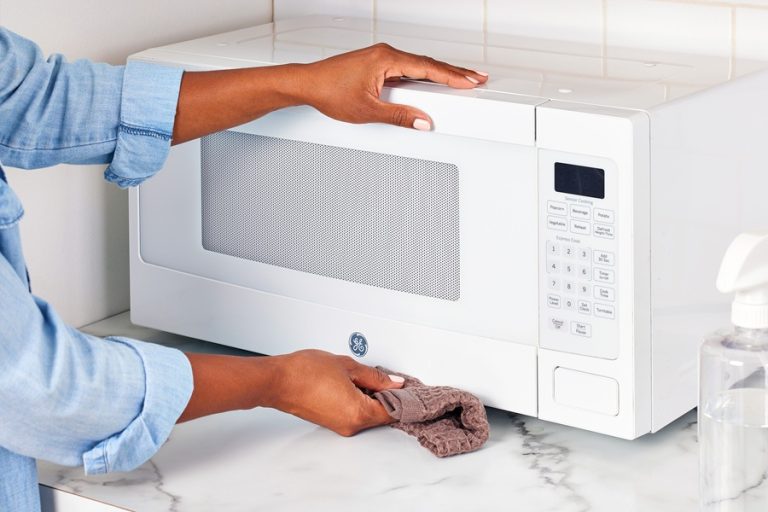
These involve deeper cleaning to keep your entire home fresh: – Dust furniture and shelves: Pay attention to corners often overlooked in daily routines.Vacuum or mop all floors: Address spaces not covered in quick daily cleanups.Clean mirrors and glass surfaces: Remove smudges for a polished look.Sanitize bathroom fixtures(toilets, sinks, bathtubs): Prevent soap scum buildup.Wash bedding/towels: Rotate these items weekly for hygiene purposes.Scrub kitchen appliances as needed(e. g. , stovetops or microwaves).
Tips for Staying Consistent
Consistency is key when following a cleaning schedule. Here are some tips for sticking with it: 1. Use a planner or app specifically designed for housekeeping tasks to track progress.
2. Keep cleaning supplies in convenient locations around the house so they’re easy to access when needed.
3. Set timers for each task—this minimizes procrastination by giving you a defined start-and-end point for each chore. 4. Delegate responsibilities if others share your household—assigning specific tasks can lighten the load.
Example Table of Schedule
| Day | Tasks |
| Monday | Dust furniture; Quick vacuum high traffic areas |
| Tuesday | Wipe down kitchen counters; Sanitize light switches |
| Wednesday | Laundry day (wash clothes & bedding) |
| Thursday | Scrub bathroom fixtures; Vacuum/mop all floors |
| Friday | Clean mirrors/windows; Declutter shared spaces |
| Saturday | Deep-clean kitchen appliances |
| Sunday | Restock household supplies; Review upcoming week’s needs |
The key is finding what works best for you while ensuring all areas get attention over time without feeling overwhelmed with endless tasks on any single day.
By creating a clear but flexible routine tailored to your needs, maintaining a clean home will become less daunting over time—a habit woven seamlessly into everyday life rather than an occasional chore.
Keep Kitchens and Bathrooms Clean and Hygienic
These spaces are also prone to harboring bacteria, germs, and mold if not cleaned regularly. Here’s a detailed guide to help you keep them spotless, organized, and safe for daily use.
Kitchen Cleaning Tips
The kitchen is where food is prepared and stored, making its cleanliness critical for health. A clean kitchen also reduces the risk of pests such as ants or cockroaches.
- Wipe down countertops with a disinfectant after every meal preparation to prevent the buildup of bacteria.
- Sweep or vacuum the floor at the end of each day to remove crumbs or spills.
- Wash dishes promptly after meals; do not let them pile up in the sink.
- Sanitize frequently touched surfaces like cabinet handles, appliance knobs, and light switches.
- Deep clean your stovetop and backsplash to remove grease or residue.
- Scrub sinks thoroughly with baking soda or an appropriate cleaner to prevent stains or odors.
- Mop kitchen floors with warm water mixed with mild detergent.
- Store dry goods in airtight containers to avoid attracting pests.
- Keep cleaning supplies like sponges, dish soap, and multipurpose sprays under the sink for easy access.
| Daily Kitchen Tasks | Weekly Kitchen Tasks |
| Wipe countertops | Deep clean stovetop |
| Wash dishes | Empty & clean refrigerator |
| Sweep/vacuum floors | Mop floors |
Bathroom Cleaning Tips
Maintaining cleanliness not only ensures hygiene but also extends the lifespan of bathroom fixtures.
- Use a squeegee on shower walls after each use to reduce water spots and mildew formation.
- Quickly wipe down sinks after brushing your teeth or washing your hands.
- Replace damp towels with fresh ones if needed.
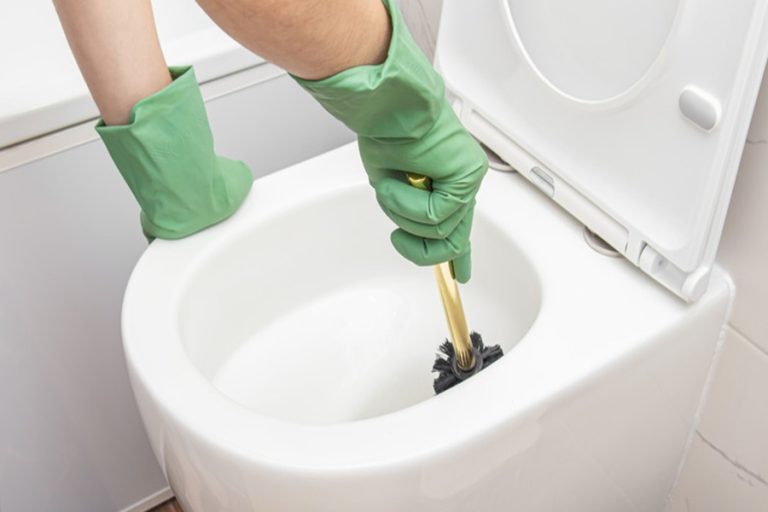
- Scrub toilets using a high-quality toilet cleaner, ensuring you clean under the rim.
- Clean showerheads, faucets, and handles using vinegar if mineral deposits are visible.
- Disinfect countertops and sink areas using antibacterial cleaners.
- Remove soap scum from bathtubs/shower walls with appropriate cleaning agents.
- Prevent Mold & Mildew:
After showers or baths: - Ventilate by turning on exhaust fans or leaving doors open.
Consider dehumidifiers in bathrooms that lack proper ventilation.
Time-Saving Tools
Investing in proper tools can make cleaning kitchens and bathrooms quicker and more efficient: – Microfiber cloths (great for wiping surfaces without scratching). – Long-handled scrub brushes for hard-to-reach areas like tiled walls or behind toilets. – Multipurpose steam cleaners that sanitize without harsh chemicals.
By incorporating these practices into your routine, you can maintain kitchens and bathrooms that are not only visually pleasing but also safe from harmful bacteria.
Organize Bedrooms, Living Rooms, and Shared Spaces
Keeping bedrooms, living rooms, and shared spaces clean and organized is essential to maintaining a comfortable and welcoming home. These areas are often the most used spaces in the house, making them prone to clutter and disorganization. A strategic approach can help you create an environment that feels relaxing while remaining functional.
Bedrooms: An Oasis of Calm
Bedrooms should be a place of rest and relaxation.Declutter Nightstands: Limit items on nightstands to essentials such as a lamp, alarm clock, or a book. Avoid piling up miscellaneous objects.Make the Bed DailyUse Storage Solutions: – Store out-of-season clothing in vacuum-sealed bags or under-the-bed bins. – Use drawer organizers for socks, accessories, or small items to avoid messy drawers.Laundry Management: Keep a laundry hamper in the room to prevent dirty clothes from accumulating on chairs or floors.
Living Rooms: The Heart of the Home
Living rooms are often gathering places for family and guests.Declutter Regularly: – Remove unnecessary items like old magazines or empty cups daily. – Use decorative baskets or storage boxes for remotes, toys, or miscellaneous belongings.Designate Zones: – Create specific areas within your living room for different activities—for example, a reading nook with neatly arranged books or a designated corner for children’s toys.Furniture Placement and Maintenance: – Arrange furniture in a way that promotes conversation but doesn’t obstruct pathways. – Vacuum cushions weekly and spot-clean spills immediately.
Shared Spaces: Balancing Functionality
Shared spaces like dining areas or family rooms require special attention since they are used by multiple people.Set Rules for Shared Areas: – Encourage everyone in the household to return items they’ve used in shared spaces to their proper place. For instance, if someone borrows a blanket from the family room couch, it should be folded neatly afterward. – Limit food consumption in certain areas if it contributes to messes.Invest in Multi-functional Furniture: Furniture with built-in storage—like ottomans that open up—can help reduce visible clutter while providing additional utility.
| Space | Key Tips | Storage Suggestions |
| Bedroom | Declutter nightstands; make bed | Under-bed bins; drawer organizers |
| Living Room | Remove unnecessary items regularly; use zones | Decorative baskets; multi-use furniture |
| Shared Spaces | Set usage guidelines | Built-in storage solutions |
Maintenance Tips
To ensure these areas remain clean over time: – Schedule regular deep cleaning sessions where carpets are vacuumed thoroughly and surfaces are wiped down. – Adopt daily habits like tidying up before bed to prevent clutter from accumulating.
Manage Laundry and Household Clutter
Keeping on top of laundry and reducing clutter in your home can feel overwhelming, but with the right strategies, you can make these tasks manageable and efficient. A clean, organized home starts with addressing both visible clutter and the less obvious pile-ups like laundry. Below are practical tips and systems to help you manage these aspects of housekeeping effectively.
Establish a Laundry Routine
A structured laundry schedule ensures that dirty clothes don’t pile up unnecessarily.
- Sort Immediately: Use separate hampers for whites, colors, delicates, and heavy fabrics in each room or family bathroom. This minimizes sorting time before washing.
- Set Specific Days: Designate specific days for different types of laundry (e. g. , bedding on Mondays, towels on Thursdays). This prevents everything from accumulating at once.
- Pre-Treat Stains: Keep stain remover near hampers so you can treat spots as soon as they occur.
- Fold Right Away: Avoid the temptation to leave clean laundry in baskets by folding it immediately after drying. This reduces wrinkles and forces you to put items away.
Optimize Your Laundry Space
| Issue | Solution |
| Small Space | Use vertical storage like shelves or wall hooks for detergents and tools. |
| Lost Socks | Use a mesh wash bag for small items or designate a “missing sock” jar. |
| Cluttered Supplies | Store detergents, softeners, or dryer sheets in labeled containers. |
Decluttering Strategies for the Home
Clutter can quickly make even clean spaces feel chaotic. The key is adopting regular habits to prevent things from piling up unnecessarily.
- The One-Minute Rule: If an item takes less than one minute to put away—like shoes by the door or jackets on chairs—handle it immediately.
- Declutter by Category: Instead of tackling entire rooms at once, focus on one category at a time (e. g. , books, clothes, toys). This makes the process less daunting.
- Five-Minute Sweeps: Dedicate five minutes daily to tidying shared surfaces like countertops, dining tables, or desks.
- Donation Box System: Keep a box in your closet or storage area for clothing or household goods you no longer use but could donate weekly or monthly.
Encourage Family Participation
- Assign age-appropriate chores such as sorting their own dirty laundry or putting toys back into bins.
- Create shared organizational goals (e. g. , “Let’s keep this living room toy-free this week”).
Storage Solutions That Work
- Functional Furniture: Use ottomans, coffee tables with storage compartments, or beds with built-in drawers.
- Clear Bins & Labels: For pantry goods, seasonal items, or toys; labeling helps everyone know where items belong.
- Hooks & Racks: Install hooks inside closets for scarves/bags and behind doors for jackets/towels.
By maintaining consistent routines and utilizing simple systems like these above strategies around laundry care alongside reducing everyday clutter—you’ll create a more streamlined home environment that feels calmer and functions better for all members of your household efficiently longterm.
Build Long-Term Habits for a Cleaner, Healthier Home
Creating and maintaining a clean home goes beyond one-time efforts or quick fixes. It requires thoughtful habits that promote long-term cleanliness and organization. Building these habits not only ensures that your home stays clean but also fosters a healthier and more stress-free environment for you and your family.
Start Small for Consistency
- Begin with small daily actions to avoid feeling overwhelmed.
- Example: Make the bed every morning to set the tone for a tidy day.
- Clear countertops each night before going to bed.
- Focus on one habit at a time to build momentum.
- For instance, dedicate one week to developing the habit of wiping down kitchen surfaces after cooking.
Establish Cleaning Rituals
Incorporate cleaning into your daily and weekly routines as rituals rather than chores. This helps reduce procrastination: – Morning Rituals: – Open windows briefly to air out rooms. – Quickly tidy up common areas before heading out for the day. – Evening Rituals: – Do a light sweep of high-traffic areas like the entryway or living room. – Load and run the dishwasher or handwash dishes after dinner.
Create Visual Reminders
Keep cleaning tools and supplies easily accessible as visual cues to encourage habits: – Place cleaning wipes in commonly used areas (bathroom or kitchen) for quick touch-ups. – Use labeled bins in closets or storage spaces for easy organization.
Leverage Checklists
A checklist serves as an accountability tool while ensuring key tasks aren’t neglected.
| Frequency | Task |
| Daily | Make beds |
| Daily | Do dishes or load dishwasher |
| Weekly | Vacuum carpets and floors |
| Weekly | Wash bedding |
| Monthly | Clean windows |
| Seasonally | Declutter closets |
Tailor this schedule based on your household’s needs, keeping it realistic.
Involve Other Household Members
Everyone who shares the space should play an active role in keeping it clean: – Assign age-appropriate tasks to children, such as sorting laundry or dusting furniture. – Create shared responsibility calendars where household members take turns with communal chores like vacuuming or trash disposal.
Address Clutter Regularly
Clutter can quickly disrupt even the most well-kept homes. Implement these decluttering habits: – Adopt a “one-in, one-out” rule: For every new item brought into the house, remove an old one you no longer need. – Spend five minutes each evening returning misplaced items back to their proper places.
Maintain Motivation Over Time
Keeping motivation high is key to sustaining long-term habits: – Reward yourself after completing larger tasks (e. g. , treat yourself to relaxing downtime after deep-cleaning a room). – Reflect on how cleanliness positively impacts your physical and mental well-being—less stress, improved productivity, fewer allergens in living spaces.
Building lasting cleaning habits takes time and effort but yields significant rewards. A cleaner home promotes not only physical health but also mental clarity and overall comfort—making it worth investing in consistent practices that serve you in the long run.