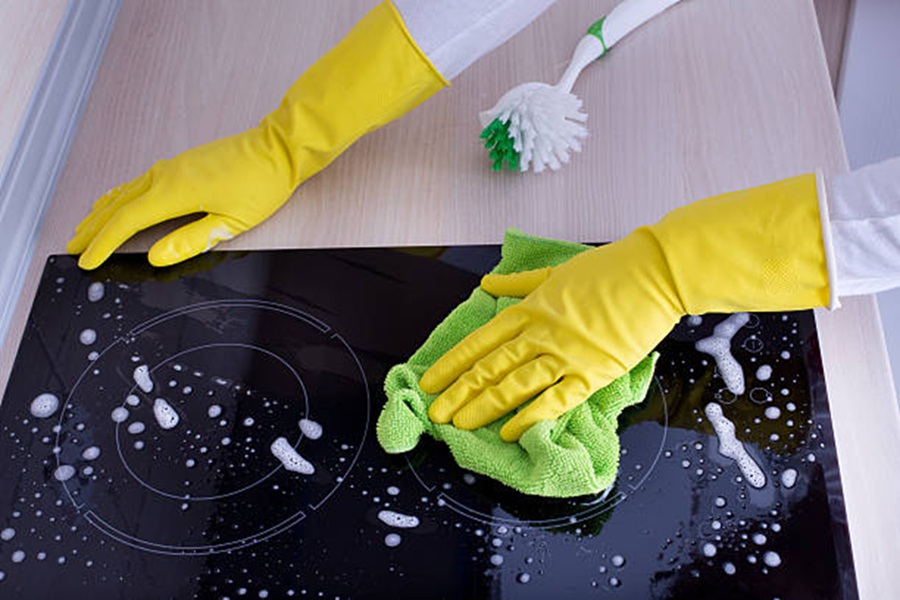
Glass-Top Stove Cleaning Basics
A glass-top stove is a sleek and functional addition to any kitchen, but it requires proper cleaning and care to maintain its appearance and durability. Unlike gas or coil stoves, the smooth surface of a glass-top stove is prone to scratches, discoloration, and burnt-on stains if not cleaned correctly. Here are the basics you need to know about cleaning this type of stove effectively.
Why Proper Cleaning Matters
Regular cleaning is essential not only for aesthetic reasons but also for maintaining the efficiency and lifespan of your glass-top stove. Dirt or grime can damage the surface over time, while burnt-on food can create permanent marks or reduce heat efficiency. Developing good cleaning habits will save you time and effort in the long run.
Essential Supplies
- Microfiber Cloths: Soft cloths are ideal for wiping without scratching. Avoid abrasive materials like steel wool.
- Non-Abrasive Sponge: Perfect for scrubbing without damaging the surface.
- Glass Stove Cleaner: Look for a cleaner specifically designed for glass cooktops to break down grease and grime without leaving streaks.
- White Vinegar: A natural alternative that works as a degreaser and disinfectant.
- Baking Soda: Used for tackling stubborn spots while staying gentle on the surface.
- Plastic Scraper or Razor Blade (Optional): To gently remove hardened stains when used correctly (discussed further in later sections).
Precautions Before You Begin
- Allow the cooktop to cool completely before attempting to clean it—applying cold water or pressure on a hot surface can cause damage or cracking.
- Always check your stove’s user manual for specific instructions or warnings about cleaners or tools that may void warranties.
- Avoid abrasive scrubbers like scouring pads since they can leave scratches on the glass.
- Use minimal water during cleaning; too much liquid can seep into seams and damage electrical components.
Basic Cleaning Steps
- Wipe Away Loose Debris: Remove crumbs, dust, or other loose particles using a dry microfiber cloth to prevent scratching during cleaning.
- Spray with Cleaner: Apply a small amount of glass cooktop cleaner directly onto the surface (or use diluted white vinegar as an eco-friendly option).
- Wipe Gently: Use a soft sponge or microfiber cloth in circular motions to lift grease and residue without leaving streaks.
- Polish Dry: Buff out excess moisture with another clean microfiber cloth until shiny.
By adopting these basic techniques, you’ll keep your glass-top stove looking polished while preventing long-term damage caused by improper care practices.
Cleaning Dirtier Glass-Top Stoves
When your glass-top stove has accumulated grease, grime, or cooked-on residues that regular daily cleaning can’t tackle, it’s time for a deeper clean. Proper care and the right techniques will help restore your stove’s shine without causing scratches or permanent damage.
Gather Your Materials
To clean a dirtier glass-top stove effectively, you’ll need a few tools and supplies:
– Non-abrasive cleaner: Look for a cream-based or gel cleaner specifically designed for glass cooktops.
– Microfiber cloths or soft sponges: These ensure you won’t scratch the surface while scrubbing.
– Distilled white vinegar: Helps break down grease and grime naturally.
– Baking soda: Acts as a gentle abrasive to remove stubborn spots.
– Warm water: For rinsing and diluting cleaning solutions.
– Plastic scraper (optional): Useful for loosening tough debris without risking scratches.
Step-by-Step Cleaning Process
- Cool Down the Stove
Before starting, ensure the stovetop is completely cool to avoid burns or further spreading stains from melted residues. - Spray distilled white vinegar generously over the surface of the stovetop.
- Allow it to sit for 5–10 minutes to loosen grease and begin breaking down any stuck-on food residue.
- Lightly sprinkle baking soda over areas with visible buildup.
- Focus on spots with cooked-on spills or cloudy smudges.
- Dampen a microfiber cloth with warm water.
- Begin scrubbing in circular motions, applying light pressure on tougher stains.
- Avoid using abrasive pads or brushes that can scratch the glass.
- Optional: Use a Plastic Scraper for Stubborn Residue
If there are still stubborn spots after scrubbing: - Hold the plastic scraper at a 45-degree angle.
- Gently scrape away residue while being careful not to gouge or mark the surface.
- Wipe Down With Warm Water
Once all debris is loosened or removed: - Rinse your cloth in warm water, wring it well, and wipe away all baking soda and vinegar residue.
- Polish With Glass Cleaner (Optional)
For an added shine: - Use a cooktop-safe glass cleaner.
- Buff with a dry microfiber cloth until streak-free.
Preventative Tips Post-Cleaning
- Wipe up spills promptly after cooking (once cooled) to prevent residue from hardening on the glass surface.
- Avoid dragging pots and pans across the stovetop as this may lead to scratches over time.
- Consider using cookware with flat bottoms, ensuring even heat distribution without creating marks on the surface.
By addressing dirtier stoves with patience and proper techniques, you can extend your appliance’s life while maintaining its sleek appearance in your kitchen space.
Cleaning Dirtier Glass-Top Stoves
When your glass-top stove is subjected to more stubborn grime, spills, or burnt-on residue, a simple daily cleaning routine may not suffice. Tackling these messes requires a more thorough cleaning approach, along with the proper tools and techniques to avoid scratching or damaging the surface.
Step-by-Step Guide for Cleaning Heavy Grime
- Assemble Your Tools and Materials
Before starting, gather the essentials to make the process efficient: - Non-abrasive sponge or scrub pad
- Microfiber cloths
- Store-bought glass cooktop cleaner or homemade cleaning solutions (natural options are detailed later)
- Plastic scraper (avoid using metal tools that can scratch)
- Warm water in a spray bottle
- Remove Loose Debris
Wipe your stove with a dry microfiber cloth to remove crumbs, dust, and loose dirt before applying any cleaner. - Use a manufacturer-recommended glass stovetop cleaning solution if available. Spray it uniformly over the dirty areas.
- Alternatively, create a DIY cleaner by mixing equal parts of white vinegar and warm water. Add a small amount of dish soap for extra grease-fighting power.
- Let It Sit
Allow the cleaner (store-bought or homemade) to sit on particularly tough spots for 5–10 minutes. This helps loosen hardened residues. - Use Gentle Scrubbing Techniques
After letting the cleaner soak in, use a soft sponge or non-abrasive scrub pad in circular motions to lift off grime. Be patient—applying too much pressure can damage the glass surface. - Scrape Stubborn Spots Carefully
For stubborn food particles that won’t come off with scrubbing:- Use a plastic scraper at an angle of about 45 degrees against the glass top.
- Gently push through stuck-on bits while avoiding excessive force.
- Repeat soaking and scraping as necessary until residue is gone.
- Rinse Residue Thoroughly
After removing all debris, wipe down your stovetop with clean water sprayed from a bottle or applied with another microfiber cloth. - Dry and Polish
Finish by buffing your stovetop dry using a clean microfiber cloth for streak-free shine.
Tips to Prevent Heavy Build-Up
- Wipe Spills Quickly: Address spills immediately after cooking once the burner has cooled enough to be safely touched.
- Avoid Using Harsh Tools: Steel wool pads or abrasive powders can create scratches that are hard to repair.
- Deep Clean Regularly: Even if your stovetop looks visually clean after light use, schedule deep cleans weekly if you frequently cook greasy meals.
| Problem Area | Recommended Solution | Tools Needed |
| Stuck-On Food | Soak + Scrape | Plastic scraper |
| Greasy Residue | Vinegar + Dish Soap | Microfiber cloth |
| Burnt Rings or Marks | Cooktop Cleaner + Light Scrubbing | Non-abrasive sponge |
By following these steps consistently, you’ll ensure that even dirtier-than-usual glass-top stoves stay gleaming without damage over time. A little effort now prevents bigger messes down the road while preserving your appliance’s clarity and functionality.
How to Clean a Glass-Top Stove With a Razor Blade
Using a razor blade to clean a glass-top stove can be highly effective for removing cooked-on spills, hardened food residue, and stubborn stains. However, this technique requires precision and care to avoid scratching or damaging the glass surface. Follow these steps to safely and effectively clean your glass-top stove using a razor blade.
Materials You Will Need:
- A flat, single-edged razor blade (designed for glass cleaning)
- A razor blade holder or scraper tool for added safety
- Gentle dish soap or specialized glass cooktop cleaner
- Warm water
- A microfiber cloth or non-abrasive sponge
- Paper towels (optional)
Step-by-Step Guide:
- Ensure the stovetop is completely cool before beginning. Cleaning while it’s still hot can cause burns or damage the surface.
- Wipe down the surface with a damp microfiber cloth to remove loose debris, dust, and crumbs.
- Apply warm water mixed with mild dish soap or use a recommended stovetop cleaner directly on the stained areas.
- Let it sit for 5–10 minutes to loosen tough residue. This step minimizes the pressure required when scraping.
- Hold your razor blade at about a 30–45-degree angle against the surface of the stove.
- If using a scraper tool or holder, ensure it’s securely attached to keep your hand safe from injury.
- Push the blade in one direction (avoid back-and-forth motions) across stubborn stains or burnt-on food.
- Avoid applying too much pressure; light-to-moderate force is usually sufficient to lift residues without scratching.
- Use a soft microfiber cloth or paper towel to wipe away any loosened debris after scraping.
- Check for any remaining bits of food that may require additional scraping.
- After all residues have been removed, clean the entire stovetop with warm water and soap again—or use your preferred cooktop cleaner—to eliminate streaks and polish the surface.
- Dry thoroughly with another microfiber cloth for a smudge-free finish.
Tips for Success:
- Always use razor blades specifically designed for cleaning glass surfaces; ordinary blades may be too sharp or improperly beveled.
- Regular maintenance prevents buildup that might require more aggressive cleaning methods like scraping.
- Test an inconspicuous area before fully applying this method, particularly if you’re new to using razor blades on glass-top stoves.
| Do’s | Don’ts |
| Use gentle pressure | Scrape in circular motions |
| Hold blade at an angle | Use chipped/damaged blades |
| Soften stains beforehand | Scrape dry residue |
Final Thoughts:
The controlled use of a razor blade can safely restore your glass-top stove’s shine by removing stubborn messes that traditional cleaning methods can’t handle. Remember that patience is essential—rushing through this process increases risks of scratches and damage. By combining techniques like pre-soaking stains with careful scraping, you’ll achieve consistently great results while extending your appliance’s lifespan.
How to Clean Burnt Food on a Glass Stove Top
Burnt food on a glass stove top can be frustrating, but it’s not impossible to clean. With the right techniques and materials, you can restore your glass stove top to its original shine without causing damage. The key is patience and using the proper tools for the job.
Materials You’ll Need
- Soft microfiber cloths or sponges (avoid abrasive materials that could scratch)
Step-by-Step Cleaning Process
- Never attempt to clean burnt food when the surface is warm or hot. This could lead to injury or damage the stove top further.
- Fill a bowl with warm water and add a few drops of dish soap. Soak a soft cloth or sponge in the solution, then place it over the burnt area for about 10–15 minutes. This will help loosen stuck-on residue.
- Generously sprinkle baking soda over areas where burnt food remains stuck after soaking.
- Spray white vinegar over the baking soda-covered spots. A mild fizzing reaction will occur, which helps lift stubborn grime without scratching.
- Use a microfiber cloth or non-abrasive sponge to gently scrub away burnt residue in circular motions. Avoid pressing too hard to prevent scratching.
- For particularly tough spots, hold a razor blade at a 45-degree angle and carefully scrape off burnt residue. Make sure no debris is under the blade to prevent scratches, and always work slowly and cautiously.
- Dampen another microfiber cloth with clean water and wipe down the entire surface to remove any remaining cleaning solution or debris.
- Finish by drying your stovetop with another dry microfiber cloth to avoid streaks.
Tips for Preventing Burnt Residue in the Future
- Wipe spills immediately after cooking (once the surface has cooled).
- Use cookware with flat bottoms for even heat distribution and fewer spills.
- Avoid overheating pans, as this can cause food remnants to stick more severely.
- Consider using burner covers when not cooking as an extra layer of protection.
| Problem Area | Solution | Tools Needed |
| Light burns & smudges | Warm soapy water soak | Soft sponge |
| Stubborn grime | Baking soda & vinegar | Microfiber cloth |
| Extremely stuck-on | Razor blade/plastic scraper | Razor blade/scraper tool |
With regular maintenance and attention during cooking, your glass-top stove can remain spotless with minimal effort needed for deep cleaning tasks like burned food removal.
Why There Is Discoloration on Your Black Glass Stove Top
Discoloration on a black glass stove top can be both an eyesore and a source of frustration for many homeowners. Understanding the reasons behind these stains and marks can help you address the issue effectively and prevent future occurrences. Below, we break down the causes, preventative measures, and cleaning solutions for discoloration.
Common Causes of Discoloration
- Spills or splatters from food left on the stove during cooking can bake onto the surface over time. Repeated exposure to high heat solidifies these residues, making them appear as stubborn stains or discoloration.
- If you clean your stove top with water that contains a high mineral content, white or cloudy spots may form as water evaporates, leaving behind mineral deposits.
- Harsh chemicals or abrasive cleaners can damage the glass surface, leading to cloudy patches or dull areas over time.
- Prolonged use of excessively hot cookware may cause slight discoloration in certain areas of the glass top due to thermal stress.
- Sliding pots and pans with rough bottoms across the surface may leave metallic streaks that mimic discoloration but are actually residue from cookware.
Preventing Discoloration
- Clean Spills Immediately: Wipe up any spills while the stovetop is still warm (but not hot) to prevent food or grease from hardening.
- Avoid Abrasive Tools: Never use steel wool, scouring pads, or other rough materials that could damage the smooth surface.
- Use Proper Cookware: Select pots and pans with smooth bottoms to reduce metal transfer marks.
- Dry After Cleaning: Always dry your stove top thoroughly after cleaning to avoid leaving behind water spots.
- Stick to Recommended Cleaners: Use mild cleaning solutions specifically designed for glass-top stoves to maintain their finish.
How to Address Existing Discoloration
- Mix equal parts baking soda and water into a paste.
- Apply it gently onto the discolored area using a soft cloth.
- Let it sit for 10–15 minutes before wiping it away with a microfiber cloth.
- Combine one part white vinegar with one part water in a spray bottle.
- Spray directly onto discolored areas and let it sit for 5 minutes before wiping clean.
- This method works well for tackling mineral-based stains like hard water spots.
- Use a non-abrasive cleaner specifically designed for glass surfaces.
- Apply according to instructions provided by the manufacturer for best results.
- After removing stains, polish your stovetop using a streak-free glass cleaner along with a lint-free cloth or paper towel.
| Problem | Suggested Solution | Tools Needed |
| Hard Water Spots | White vinegar spray | Vinegar solution & cloth |
| Burnt-On Residue | Baking soda paste | Baking soda & soft cloth |
| Metal Transfer Marks | Glass cooktop cleaner | Non-abrasive cleaner |
Key Takeaways
Discoloration on black glass stove tops is often caused by everyday cooking habits or improper maintenance techniques but can typically be addressed with simple natural solutions like baking soda or vinegar. By identifying its root cause—whether it’s food residue, heat damage, or hard water—you’ll be able to choose an effective cleaning approach tailored to your specific issue while keeping future problems at bay through proper care practices.
How to Clean a Glass Stove Top Naturally
Glass stove tops can be cleaned effectively without relying on harsh chemicals. Using natural cleaning methods is not only safer for your family and pets but also eco-friendly. Below is a guide on how to naturally clean your glass stove top using simple ingredients that you likely already have in your home.
Benefits of Natural Cleaning Methods
- Non-toxic: Reduces exposure to harmful chemicals that could irritate skin or respiratory systems.
- Eco-friendly: Safe for the environment, as no chemical residues are washed into water systems.
- Budget-friendly: Most natural cleaners are inexpensive and readily available at home.
Materials You’ll Need
Before starting, gather the following materials:
– Baking soda
– White vinegar or lemon juice
– A soft microfiber cloth or sponge
– Warm water
– Spray bottle
Optional items:
– Olive oil for polishing (if desired)
Step-by-Step Natural Cleaning Process
- Ensure the stove has cooled completely before starting. Attempting to clean while the surface is warm can lead to smearing or burns.
- Use a dry microfiber cloth to remove crumbs, dust, and any loose debris from the surface.
- Mix equal parts white vinegar and warm water in a spray bottle (e.g., 1 cup vinegar + 1 cup water). Vinegar’s natural acidity helps break down grease and grime effectively without being abrasive.
- Liberally spray the vinegar-water solution across the glass surface, focusing on areas with visible stains or grease buildup.
- Sprinkle baking soda directly onto any tough spots where residue remains after applying vinegar. The reaction between vinegar and baking soda creates gentle fizzing action that loosens grime without scratching glass.
- Allow this mixture to sit for 10–15 minutes—this gives it time to break down grease, burnt spots, or food particles naturally.
- Using circular motions, gently scrub away loosened residue with a damp microfiber cloth or sponge soaked in warm water.
- Avoid abrasive scrubbers as they may leave scratches on the delicate glass surface.
- Wipe off all cleaner residue using another clean cloth dampened with warm water.
- Dry thoroughly with a soft towel to prevent streaks from forming as it dries.
Additional Natural Solutions
| Problem | Solution | Notes |
| Burnt food residue | Lemon juice + baking soda paste | Rub gently using circular motions |
| Greasy spots | Warm soapy water + white vinegar | Rinse well before drying |
| Tough discoloration | Hydrogen peroxide + baking soda paste | Use sparingly; test on small area |
Maintenance Tips Using Natural Ingredients
To keep your glass-top stove shining naturally over time:
– After each use, wipe down with diluted white vinegar to cut grease before it hardens. – Sprinkle baking soda every few weeks for deeper cleaning sessions. – Use olive oil sparingly after cleaning if you’d like added shine—apply a small amount onto a microfiber cloth and buff lightly across the surface.
By making these practices part of your regular routine, you’ll not only maintain your stove’s appearance but also ensure its longevity while avoiding chemicals altogether!