What Causes a Smelly Dishwasher
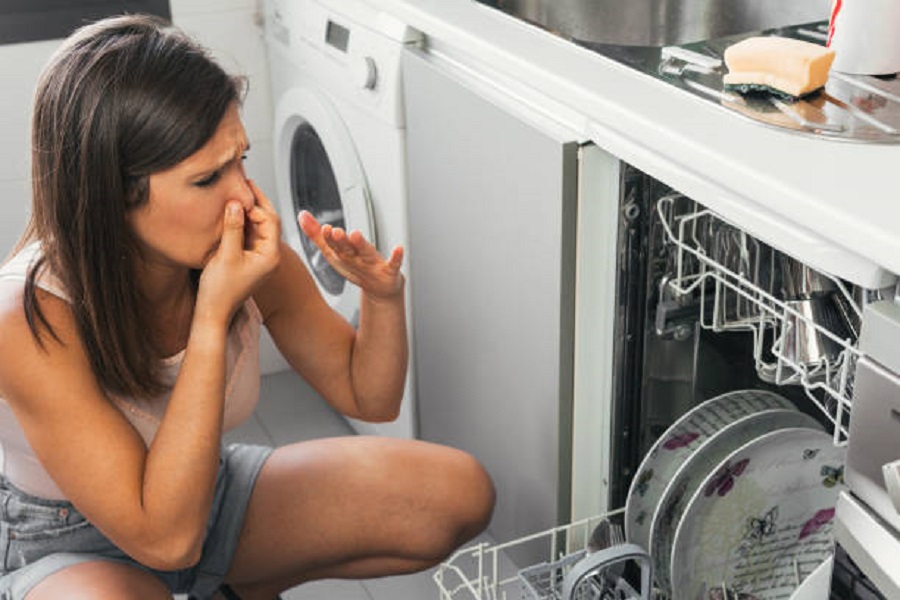
A smelly dishwasher can be a frustrating household issue, and while it may seem odd for an appliance designed to clean to be the source of unpleasant odors, there are several reasons this can happen. Identifying the root cause is the first step toward addressing and preventing the problem effectively.
Common Causes of a Smelly Dishwasher
- Food Debris Build-Up:
Tiny food particles left behind after a wash cycle can accumulate in various parts of the dishwasher, such as the drain filter, spray arms, or along the bottom of the tub. Over time, these particles break down and produce foul odors. - Clogged Drain Filter:
The drain filter is designed to catch larger food remnants and prevent them from entering your plumbing. However, if it isn’t cleaned regularly, it becomes clogged with greasy residues and decomposing food scraps. - Standing Water:
Improper drainage due to clogs or malfunctioning parts can leave water sitting at the bottom of your dishwasher between cycles. This stagnant water becomes a breeding ground for bacteria and mold. - Grease and Soap Residue:
Dishwashing detergents mixed with grease from dirty dishes can leave behind a sticky film that builds up on surfaces like interior walls, seals, or spray arms—contributing to bad smells over time. - Mold or Mildew Growth:
High humidity levels inside dishwashers create an ideal environment for mold or mildew growth if proper airflow is not maintained after each use. - Rubber Seals & Gaskets:
Leftover moisture trapped in rubber seals and gaskets around the door can harbor bacteria that emit unpleasant odors if not wiped down regularly.
Table of Common Causes and Symptoms
| Cause | Symptom | Solution Example |
| Food debris build-up | Rotten food smell | Clean filters weekly |
| Clogged drain filter | Persistent odor even after washing | Remove & rinse filter |
| Standing water | Stagnant/musty smell | Fix drainage issues |
| Grease/soap residue | General odor; sticky interior | Wipe surfaces regularly |
| Mold/mildew growth | Strong musty odor; visible black/green specks | Use proper ventilation after each cycle |
How These Issues Develop
- Leftover grease mixed with detergent often accumulates in hard-to-reach corners.
- Food scraps that aren’t rinsed away fully during cycles linger in traps or pipes.
- A lack of airflow causes moisture retention, allowing bacteria and fungi to flourish.
By understanding what causes these smells upfront, you’ll be better equipped to tackle them at their source instead of simply masking them with cleaning products or air fresheners. Regular maintenance is key to preventing many common causes altogether—an aspect explored further in later sections focused on cleaning techniques and preventive measures.
How to Clean the Drain Filter, Spray Arm, and Door Lip
A smelly dishwasher is often the result of food debris, grease, and grime accumulating in less accessible areas like the drain filter, spray arms, or the door lip. Cleaning these components regularly is crucial for maintaining a fresh-smelling and efficient appliance. Below is a step-by-step guide to help you tackle these problem areas effectively.
1. Cleaning the Drain Filter
The drain filter is one of the most common culprits behind odor buildup as it traps food particles and residue over time.
- Locate the Filter: Most dishwashers have their drain filter at the bottom of the machine, beneath the lower rack. Remove this rack to access it.
- Remove and Rinse: Twist out the filter (consult your dishwasher’s manual if needed) and rinse it under warm running water to remove loose debris.
- Fill a bowl with warm soapy water.
- Add a few drops of dishwashing liquid.
- Let the filter soak for 15–20 minutes if there’s stubborn grime.
- Scrub Gently: Use a soft brush or old toothbrush to scrub away stuck-on grease or particles before rinsing thoroughly.
- Reinstall Securely: After cleaning, ensure it’s properly reinstalled to prevent leaks or improper functioning.
2. Spraying Down the Spray Arms
Spray arms are another critical component that can become clogged with mineral deposits or food bits, reducing cleaning efficiency and causing odors.
- Remove Spray Arms Carefully: Depending on your dishwasher model, you may be able to unscrew or pop off both upper and lower spray arms.
- Hold each spray arm up to a light source to identify any clogs in its holes or nozzles.
- Use a toothpick or thin wire (like an unfolded paperclip) to dislodge debris gently without damaging them.
- Mix equal parts white vinegar and warm water in a basin large enough for soaking.
- Let each spray arm soak for approximately 15–30 minutes to dissolve mineral buildup.
- Rinse Thoroughly: Run water through nozzles under your tap before reattaching them securely.
3. Wiping Down the Door Lip
The door lip (the rubber gasket area around your dishwasher’s door) often traps moisture, soap scum, mold growth, and stray food bits that contribute heavily to bad smells.
- Combine equal parts white vinegar and warm water in a small bowl for an effective yet gentle cleaning solution.
- Alternatively, use a mild dishwashing liquid diluted with water if preferred.
- Dip a clean microfiber cloth into your solution and wring out excess liquid.
- For tight corners or grooves along seals/gaskets where mildew hides easily—use an old toothbrush instead.
- Thoroughly Wipe Seals & Outer Rim: Pay attention not only around visible edges but also hidden folds where residues tend go unnoticed longer.)
Handy Table Summary:
| Component | Frequency | Key Tools Needed | Additional Tips |
| Drain Filter | Every week | Soft brush/toothbrush | Always check manual placement instructions post-cleanup |
| Spray Arms | Monthly | Toothpick/paperclip Ensure no cracks/damage prior reinsertion |
Using Vinegar and Baking Soda to Eliminate Stubborn Odors
When it comes to tackling a smelly dishwasher, vinegar and baking soda are two powerful, natural cleaning agents that can help eliminate odors effectively. Their combination not only neutralizes bad smells but also helps remove grease, food residue, and mineral buildup from the interior of your dishwasher. Below is a step-by-step guide on how to use these ingredients safely and efficiently.
Why Vinegar and Baking Soda Work Well
- Vinegar: A mild acid that dissolves grease, lime scale, and other buildup. It also acts as a deodorizer.
- Baking Soda: A natural abrasive with deodorizing properties. It helps loosen grime stuck on surfaces while neutralizing odors.
When used together in the right sequence (not mixed directly), these ingredients complement one another to ensure thorough cleaning.
Step-by-Step Guide
- Empty Your Dishwasher
Before beginning the cleaning process, make sure your dishwasher is completely empty of dishes, utensils, or other items. - Remove any visible food particles or gunk from the bottom of the dishwasher tub.
- Check the drain filter for clogs and clean it if needed (this is often where smells originate).
- Pour 1 cup of white vinegar into a dishwasher-safe bowl or measuring cup. Place it upright on the top rack of your dishwasher.
- Run a hot water cycle with just the vinegar inside. This step helps break down grease, dissolve mineral deposits, and kill bacteria causing odors.
- After the vinegar cycle is complete, sprinkle about 1 cup of baking soda evenly across the bottom of the dishwasher tub.
- Run a short hot water cycle (or use your appliance’s quick-clean setting). The baking soda will absorb residual odors while scrubbing away leftover grime.
- Optional Deep Cleaning Boost
For extra freshness: - Add a few drops of essential oil (like lemon or tea tree) to your baking soda before sprinkling it in.
- This adds a pleasant scent while enhancing antibacterial properties.
Safety Tips When Using These Ingredients
- Avoid mixing vinegar directly with baking soda before adding them to your dishwasher; this creates a fizzy reaction that neutralizes their effectiveness prematurely.
- Do not substitute vinegar with bleach or combine bleach with either vinegar or baking soda—this can result in harmful chemical reactions.
Frequency of Cleaning
To maintain an odor-free dishwasher: – Perform this deep-cleaning method at least once per month. – If you use your dishwasher heavily or notice persistent smells sooner, increase frequency as needed.
By incorporating vinegar and baking soda into your cleaning routine, you can keep your appliance smelling fresh while ensuring optimal performance over time.
How to Avoid a Stinky Dishwasher Going Forward
Maintaining a dishwasher that smells fresh and clean over time requires consistent care and attention. By adopting a few simple habits and practices, you can prevent unpleasant odors from developing in your dishwasher.
1. Scrape Food Residue Before Loading
- Always scrape off large food particles from plates, bowls, and utensils before placing them in the dishwasher.
- While it isn’t necessary to fully rinse dishes, removing excess food prevents buildup in the filter or drain.
2. Run Regular Cleaning Cycles
- A cup of distilled white vinegar placed on the top rack of an empty dishwasher for odor removal.
- Store-bought dishwasher cleaners designed to break down grease or mineral deposits.
| Cleaning Agent | Purpose | Frequency |
| Vinegar | Neutralizes odors | Monthly |
| Dishwasher Cleaner | Tackles grease & limescale | Monthly or Bi-Monthly |
3. Inspect and Clean Key Components Regularly
Certain areas of your dishwasher are more prone to trapping food debris or moisture:
– Drain Filters: Empty and rinse the filter weekly to remove trapped residue.
– Spray Arms: Check spray arms for blockages caused by food particles, mold, or limescale buildup. Clean as needed to maintain water flow efficiency. – Door Seals: Wipe down rubber door gaskets weekly with a damp cloth to prevent grime or mildew accumulation.
4. Allow Proper Air Circulation
Odors often arise when moisture is trapped inside the machine after a wash cycle:
– Leave the dishwasher door slightly ajar after completing a cycle to allow airflow and drying. – Use the drying function if available for additional moisture control.
5. Avoid Overloading Your Dishwasher
When dishes are overcrowded, water and detergent may not reach all surfaces effectively:
– Follow manufacturer guidelines for loading dishes. – Ensure there is adequate space between items for optimal cleaning results.
6. Use Appropriate Detergents
Not all detergents are created equal:
– Opt for high-quality detergents that dissolve effectively at your washer’s operating temperature. – If you have hard water, consider using a detergent with added enzymes or rinse aids to reduce residue buildup.
7. Inspect Your Water Supply Quality
Hard water can contribute to limescale deposits that lead to odor issues:
– Install a water softener if hard water is persistent in your area. – Add dishwasher salt (if compatible with your model) to reduce scaling.
By integrating these practices into your regular maintenance routine, you can ensure that your dishwasher remains fresh-smelling and effective over time without recurring issues related to lingering odors or buildup.
How to Avoid a Stinky Dishwasher Going Forward
Preventing unpleasant odors in your dishwasher is all about adopting routine maintenance habits and being mindful of what goes into your appliance. By following some simple strategies, you’ll ensure your dishwasher stays fresh and efficient for the long term. Below are actionable tips to help you avoid a smelly dishwasher going forward.
Develop a Regular Cleaning Routine
A clean dishwasher is less likely to harbor bacteria, food particles, or mold that can cause bad smells. Establishing a regular cleaning schedule can make all the difference:
– Weekly Tasks: Wipe down the door seal, control panel, and door edges with a damp cloth to remove grime and grease buildup.
– Monthly Deep Clean: Run an empty cycle with a cleaning agent like dishwasher cleaner or white vinegar (without mixing it with bleach). This helps eliminate limescale and bacteria buildup inside the interior walls and mechanisms of the machine.
– Drain Filter Maintenance: Check and clean the drain filter every week or two, as food particles often get trapped here, leading to odors if left unattended.
Scrape Before Loading
While most dishwashers are designed to handle some residue, large food scraps can clog filters or create an environment for bacteria growth. Make it a habit to scrape plates, bowls, and other utensils before placing them in the washer. Avoid rinsing excessively since modern dishwashers are optimized for lightly soiled dishes.
Ensure Proper Air Circulation
After running your dishwasher, leave the door slightly ajar for at least 15–30 minutes to allow excess moisture to evaporate. Preventing trapped humidity minimizes mold growth inside the appliance while keeping odors at bay.
Load Dishes Correctly
Improper loading not only affects cleaning performance but also contributes to lingering smells if water fails to fully rinse certain areas of stacked dishes:
– Avoid overloading racks; overcrowding limits water flow. – Face dishes toward the spray arms for optimal cleaning. – Keep utensils organized in their designated compartments to prevent blockages in sprayers.
Use High-Quality Detergent & Rinse Aid
Low-quality detergents may not dissolve properly or effectively break down grease during washing cycles, leading to residue buildup over time. Opt for high-efficiency detergents designed specifically for dishwashers and pair them with rinse aids that reduce water spots while promoting better drying performance.
| Detergent Type | Advantages |
| Gel/Pods | Convenient; pre-measured portions |
| Powder | Effective for heavy-duty cleaning |
| Eco-Friendly Options | Gentle on appliances; environmentally safe |
Check Water Hardness Levels
Hard water can leave mineral deposits on dishwasher parts and dishes over time—leading not only to performance issues but also odors caused by stagnant mineral buildup:
– Test your home’s water hardness using test strips (widely available online or at hardware stores).
– If hard water is present, consider using dishwasher salt (if your model allows) or installing a whole-house water softener system.
Avoid Overlooked Areas During Cleaning
Certain corners or components of dishwashers are often neglected during routine care but play critical roles in maintaining freshness:
1. The rubber door seal tends to trap food particles—wipe this area thoroughly with warm soapy water.
2. Inspect spray arm holes regularly as blockages hinder thorough rinsing cycles—use a toothpick or fine wire if necessary. 3. Examine hoses periodically—replace them when they become worn out as leaks contribute indirectly through standing puddles around appliances.
By integrating these preventative measures into your routine care practices, you’ll significantly extend both cleanliness levels inside your dishwasher alongside its lifespan functionality without recurring odor concerns arising unexpectedly over time!
How to Avoid a Stinky Dishwasher Going Forward
Keeping your dishwasher odor-free requires consistent care and maintenance. Proper habits and routine cleaning can help prevent the buildup of food debris, grease, and mildew that often lead to unpleasant smells. Below are practical tips and strategies to ensure your dishwasher remains fresh over time.
Develop a Regular Cleaning Routine
- Clean the Drain Filter Weekly: The drain filter is a common culprit for odors. Remove and rinse it under warm water weekly to clear out food particles or debris.
- Inspect the Spray Arm Holes: Blocked spray arm holes can trap food residue. Check them regularly and clear any clogs with a toothpick or brush.
- Wipe Down the Door Seal: Mildew and grime can accumulate in the rubber door gasket. Use a damp cloth or mild detergent to clean it every few days.
Rinse Dishes Before Loading
While most dishwashers are designed to handle some level of food residue, solid scraps can get trapped in filters or other parts of the machine.
– Scrape off larger food particles into the trash before loading dishes. – Quickly rinse dishes that have sticky or starchy residues, as these can harden during cycles.
Use High-Quality Detergents
Low-quality detergents may not dissolve effectively, leaving residue behind that contributes to odors.
– Opt for reputable brands of dishwasher detergent designed for heavy-duty cleaning. – Consider using detergent pods or tablets, which are pre-measured for optimal use.
Leave the Door Slightly Ajar After Each Cycle
A closed dishwasher traps moisture, creating an ideal environment for mold and mildew growth. To avoid this: – After each cycle, leave the door open slightly to allow airflow. – If possible, remove racks temporarily so moisture inside dries faster.
Run Empty Cycles with Cleaning Agents Monthly
Even with regular cleaning practices, running an empty cleaning cycle helps eliminate residual grime that isn’t visible. 1. Vinegar Cycle: Fill a cup with white vinegar and place it on the top rack; run a hot water cycle to break down grease and neutralize odors. 2. Baking Soda Rinse: Sprinkle baking soda on the bottom of your dishwasher’s interior; repeat with another short hot water cycle for added freshness.
| Cleaning Agent | Frequency | Purpose |
| White Vinegar | Monthly | Dissolves grease, eliminates odor |
| Baking Soda | Monthly | Neutralizes lingering smells |
| Dishwasher Cleaner Pods | Bi-Monthly | Deep cleaning & descaling |
Avoid Overloading Your Dishwasher
Overloading prevents proper water circulation during cycles: – Space dishes evenly so no item obstructs spray arms. – Ensure larger items don’t block soap dispensers or vents.
Inspect Water Quality
Hard water deposits contribute significantly to odor formation over time due to mineral buildup: – Use a rinse aid specifically formulated for hard water. – If necessary, install a water softener system in your home’s plumbing system.
By implementing these strategies consistently, you can keep your dishwasher clean and free from unpleasant odors while ensuring optimal performance over its lifespan. This proactive approach saves time by reducing deep-cleaning efforts while maintaining hygiene in both your kitchenware and appliance itself.
How to Avoid a Stinky Dishwasher Going Forward
1. Rinse Dishware Before Loading
Though modern dishwashers are equipped to handle some residue, excessive food particles can get trapped in filters or drains, leading to foul smells. To prevent this:
– Scrape off large food scraps before loading dishes into the dishwasher. – Quickly rinse plates, bowls, and utensils under running water if they are heavily soiled.
2. Keep the Drain Filter Clear
The drain filter is a common culprit for lingering odors when it becomes clogged with grease, food debris, or other organic material. To ensure smooth operation:
– Check the filter weekly (or biweekly if you use your dishwasher less frequently).
– Remove any buildup using warm water, soap, and a soft brush.
Regular cleaning of the drain filter will help avoid residue buildup that contributes to bad smells.
3. Run Hot Water Cycles Regularly
Cold water cycles may sometimes leave behind greasy deposits that contribute to odor over time. Consider these practices:
– Run your dishwasher on its hottest setting periodically to break down grease and grime effectively.
– If your appliance has a “sanitize” or high-temperature wash option, use it occasionally for deeper cleaning.
4. Leave the Door Slightly Open After Each Use
Trapped moisture creates an ideal environment for mold and mildew growth, which can lead to musty smells in your dishwasher. After finishing a cycle:
– Open the door slightly to allow air circulation and promote drying inside the machine. – Wipe down excess moisture on door seals or crevices with a dry cloth.
5. Use Dishwasher-Safe Cleaners or Additives Periodically
Dishwasher-safe cleaners can help remove grease buildup and neutralize odors over time:
– Look for specialized products formulated for cleaning dishwashers. – Avoid harsh chemicals like bleach unless explicitly recommended by your machine’s manufacturer.
Additionally, natural remedies such as baking soda can be sprinkled on the base of the dishwasher before running an empty cycle for odor control.
| Frequency | Maintenance Task | Example Products/Tools Needed |
| Weekly | Clean drain filter | Soft brush, warm soapy water |
| Monthly | Descale & deodorize interior | Baking soda/vinegar or store-bought cleaner |
| After Every Cycle | Dry interior seals & door lip | Clean towel/cloth |
6. Inspect Seals and Gaskets Regularly
The rubber seals around your dishwasher door may trap food particles or moisture over time if not cleaned properly:
– Wipe these areas weekly using warm soapy water or a gentle cleaning solution. – For stubborn grime, use an old toothbrush to scrub hard-to-reach grooves gently.
7. Avoid Overloading Your Dishwasher
Overloading can reduce water circulation during cycles, causing food particles to stick around instead of being washed away properly:
– Arrange items so they don’t block spray arms from rotating freely. – Leave adequate space between dishes for effective rinsing.
By integrating these steps into your regular routine, you’ll not only keep unpleasant smells at bay but also extend the life of your dishwasher while ensuring consistently clean results every time you run it!