What Is Hydrogen Peroxide and How Does It Work as a Disinfectant
Hydrogen peroxide (H₂O₂) is a versatile chemical compound known for its powerful disinfecting and cleaning properties. Structurally, it consists of two hydrogen atoms and two oxygen atoms, making it chemically similar to water but with an additional oxygen atom. This seemingly simple difference gives hydrogen peroxide its unique ability to clean, sanitize, and disinfect effectively.
How It Works
- Oxidation Reaction: The reactive oxygen molecules damage the cell walls of microbes through oxidation. This process disrupts their cellular structure and destroys them.
- Environmentally Friendly Byproducts: Unlike some chemical cleaners that leave harmful residues, hydrogen peroxide naturally decomposes into harmless water and oxygen.
- Broad-Spectrum Effectiveness: It tackles a wide variety of pathogens including E.coli, Salmonella, Streptococcus bacteria, viruses like rhinovirus, and even certain fungal spores.
Common Grades of Hydrogen Peroxide
| Concentration | Application |
| 3% (Household Grade) | Safe for everyday cleaning tasks such as countertops or sinks. Often sold in drugstores or supermarkets. |
| 6%-10% (Food Grade) | Occasionally used in food preparation or handling environments but should be diluted carefully before use in cleaning. |
| 30%-35% (Industrial Grade) | Used in laboratories or industrial disinfection; not recommended for household usage due to risks of burns or toxicity without proper handling. |
Key Advantages Over Other Cleaners
- Non-Toxic Residue: Unlike bleach-based cleaners that may leave behind harmful fumes or residue, hydrogen peroxide decomposes into eco-friendly components.
- Odorless Cleaning: It has no harsh scents associated with its use.
- Antimicrobial Power Without Antibiotics: Since it kills microbes through oxidation rather than antibiotics’ mechanisms, there’s no worry about promoting antibiotic resistance.
When Should You Use Hydrogen Peroxide?
Hydrogen peroxide is ideal when you’re looking for an eco-conscious yet highly effective alternative to more chemically aggressive options like ammonia or bleach. Whether you’re sanitizing kitchen surfaces after meal prep or addressing high-touch points such as door handles during cold season outbreaks—it’s a reliable choice.
Surfaces You Can Safely Clean with Hydrogen Peroxide
Hydrogen peroxide is a versatile and effective cleaning agent that can be used on a wide range of surfaces. Its unique chemical properties make it an excellent disinfectant for killing bacteria, viruses, and fungi while being environmentally friendly. Knowing which surfaces can be safely cleaned with hydrogen peroxide ensures optimal results and prevents accidental damage.
Hard, Non-Porous Surfaces
Hydrogen peroxide works exceptionally well on hard, non-porous surfaces where bacteria and germs are likely to accumulate. Use it on the following items:
– Countertops: Ideal for kitchen or bathroom counters made of quartz, granite (with a sealed surface), or other non-porous materials.
– Sinks: Easily disinfect porcelain or stainless steel sinks to remove germs.
– Doorknobs and Handles: Frequently touched areas like door handles or cabinet pulls can be safely sanitized.
– Floors: Suitable for disinfecting tile floors, vinyl surfaces, or sealed hardwood flooring. Avoid using it on unfinished wood as it may cause discoloration.
Bathroom Fixtures
The bathroom is one of the most germ-prone rooms in a home. Hydrogen peroxide is effective for cleaning fixtures such as:
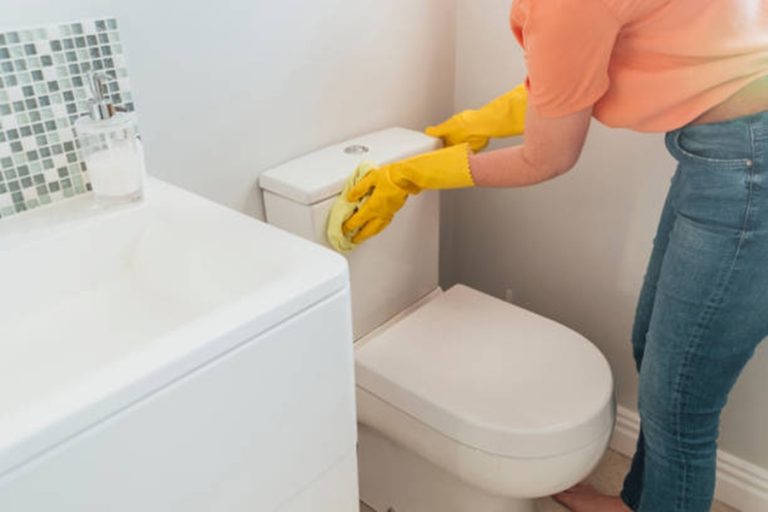
– Toilets: Use to eliminate bacteria from the inner bowl and toilet seat. – Showerheads & Tubs: Perfect for removing soap scum and killing mold spores in tubs and showers (especially if made of acrylic or fiberglass).
Kitchen Appliances & Tools
Kitchen cleanliness is paramount when preparing food to prevent contamination. Hydrogen peroxide can sanitize many surfaces in this area without leaving harmful residues: – Cutting boards (especially plastic ones) – Inside the refrigerator (shelves and drawers) – Microwave interior surfaces – Stainless steel appliances like ovens or sinks
Glass & Mirrors
For streak-free shine while simultaneously cleaning, hydrogen peroxide is safe to use on glass surfaces such as windows, mirrors, or shower doors.
Fabrics (Spot Testing Required)
While hydrogen peroxide can whiten fabrics and remove stains like blood or red wine, always spot test first to prevent discoloration: – Use only on white fabrics unless you’ve verified colorfastness.
| Surface Type | Safe with H2O2? | Notes |
| Countertops | Yes | Avoid unsealed stone; test small area first |
| Sinks | Yes | Stainless steel benefits from its anti-rust properties |
| Mirrors/Glass | Yes | Leaves no streaks; safe-to-use spray |
| Wooden Surfaces | Conditional | Only use on sealed wood; avoid raw wood |
| Upholstered Items | Conditional | Always spot-test fabric before applying |
Areas Where Caution is Needed:
While hydrogen peroxide is generally safe for many materials, there are some exceptions: 1. Natural Stone Surfaces: Avoid using marble or granite that hasn’t been properly sealed, as it could lead to etching. 2. Unfinished Wood: May cause discoloration due to its oxidizing nature. 3. Delicate Fabrics: May bleach sensitive materials—test beforehand.
By understanding which surfaces are compatible with hydrogen peroxide cleaning methods, you ensure both safety and efficiency in keeping your home clean while reducing reliance on harsher chemicals commonly found in commercial products.
Step-by-Step Guide to Cleaning and Disinfecting
Hydrogen peroxide is a versatile and effective cleaning agent that can be used on a variety of surfaces. Below is a detailed step-by-step guide to ensure you clean and disinfect safely and effectively using this powerful solution.
1. Gather Your Materials
Proper preparation will make the process smoother and more efficient. Here’s what you’ll need:
– 3% hydrogen peroxide solution (readily available in most stores)
– Spray bottle (preferably opaque, as light can degrade hydrogen peroxide)
– Clean microfiber cloths or disposable paper towels
– Soft-bristle brush (optional for stubborn stains)
– Gloves to protect your hands
2. Prepare the Surface for Cleaning
Before applying hydrogen peroxide, it’s important to remove surface dirt or debris:
– Use a clean, damp cloth or sponge to wipe away loose dust, crumbs, or grime.
– For heavily soiled areas, consider pre-cleaning with mild soap and water to loosen dirt before disinfection.
This step ensures that the disinfectant can work directly on bacteria, viruses, or fungi without being blocked by debris.
3. Apply Hydrogen Peroxide
- Pour the 3% hydrogen peroxide into an opaque spray bottle if not already packaged in one. Exposure to light can reduce its effectiveness over time.
- Lightly spray an even coating of hydrogen peroxide onto the surface you wish to clean or disinfect. Make sure not to oversaturate porous materials like wood or upholstery.
For hard-to-reach crevices or corners, use a cotton swab dipped in hydrogen peroxide for precise application.
4. Allow Dwell Time for Disinfection
| Surface Type | Recommended Dwell Time |
| Nonporous surfaces (e.g., countertops) | At least 5 minutes |
| High-touch areas (e.g., doorknobs) | 6–10 minutes |
| Bathroom fixtures (e.g., faucets) | Up to 10 minutes |
Allowing sufficient dwell time ensures that bacteria, viruses, and fungi are effectively eliminated from the surface.
5. Wipe Down or Rinse Off Residue
- For food preparation surfaces like cutting boards or countertops, wipe away excess hydrogen peroxide with a damp cloth after disinfection is complete.
- In areas like sinks or bathtubs with higher water exposure, rinsing with warm water might be preferred for a polished finish.
- Let surfaces air-dry whenever possible; this minimizes streaks while ensuring potent results.
Additional Tips for Specific Surfaces
- Stains on Fabric: Dab gently with diluted hydrogen peroxide (mix equal parts water and solution). Always spot-test first.
- Grout Between Tiles: Use a soft-bristle brush dipped in undiluted hydrogen peroxide for targeted scrubbing.
- Electronics Keyboards: Moisten a microfiber cloth lightly with diluted solution; avoid direct spraying.
By following these steps methodically, you’ll harness the full cleaning power of hydrogen peroxide while maintaining your home’s cleanliness safely and efficiently.
Hydrogen Peroxide vs Other Household Cleaners
When it comes to household cleaning and disinfecting, there are numerous options available. Hydrogen peroxide stands out for its effectiveness, affordability, and eco-friendliness. However, comparing it to other common household cleaners helps clarify where it excels and where it might not be the best fit.
Key Features of Hydrogen Peroxide
Hydrogen peroxide (H2O2) is a versatile cleaning agent with the following qualities:
– Powerful Disinfectant: It kills bacteria, viruses, fungi, and mold by releasing oxygen molecules that break down their cellular structure.
– Non-Toxic Breakdown: Upon use, hydrogen peroxide decomposes into water (H2O) and oxygen (O2), leaving no harmful residue.
– Odorless: Unlike bleach or ammonia-based cleaners, it lacks strong or irritating fumes.
– Eco-Friendly: Safe for the environment due to its natural decomposition process.
Comparison with Other Common Cleaners
| Cleaner | Key Features | Pros | Cons |
| Hydrogen Peroxide | Antimicrobial; eco-friendly; odorless | Affordable; safe for many surfaces; non-toxic after use | Can discolor fabrics; weaker on grease |
| Bleach | Strong disinfectant | Very effective on tough stains | Harsh chemical smell; toxic if mishandled |
| Vinegar | Natural cleaner with mild disinfecting properties | Eco-friendly; inexpensive | Limited efficacy against pathogens |
| Ammonia-based Cleaners | Great for cutting grease | Effective on glass and shiny surfaces | Toxic fumes and harmful residue |
| Commercial All-Purpose Cleaners | Mixed formulas for cleaning & disinfecting | Convenient; tailored for specific tasks | May contain harsh chemicals or fragrances |
When to Choose Hydrogen Peroxide Over Other Cleaners
Hydrogen peroxide is ideal in situations where a safe yet effective disinfectant is required:
– Disinfecting high-touch areas like doorknobs and light switches without leaving toxic residues.
– Cleaning kitchens and bathrooms while avoiding harsh fumes common with bleach or ammonia products.
– Sanitizing children’s toys due to its non-toxic breakdown into water and oxygen.
However, hydrogen peroxide may not be the most effective choice for heavy grease removal or deep stain lifting—for these tasks, a degreaser or specialized cleaner may perform better.
Complementary Use with Other Cleaners
In some cases, hydrogen peroxide can work well in combination with natural alternatives like baking soda or castile soap:
– Mix hydrogen peroxide with baking soda to tackle stubborn stains (e.g., grout lines).
– Alternate between vinegar and hydrogen peroxide sprays to clean food prep areas safely while combating bacteria.
Why Hydrogen Peroxide Stands Out
For those prioritizing safety alongside effectiveness, hydrogen peroxide remains one of the best choices available today:
1. It avoids introducing unnecessary toxins into your home environment. 2. It minimizes health risks often posed by harsher chemicals. 3. It’s affordable yet powerful enough for everyday cleaning needs.
By understanding how it compares with other household cleaners, homeowners can make informed decisions about when—and why—to reach for this versatile solution over alternative options based on their specific cleaning requirements.
Safety Tips When Using Hydrogen Peroxide
Hydrogen peroxide is a powerful and effective cleaning and disinfecting agent, but like any household chemical, it must be used with care. Understanding how to handle it properly will ensure you maximize its benefits while minimizing risks. Below are essential safety tips to consider when using hydrogen peroxide in your cleaning routine.
Choose the Right Concentration
- 3% Solution: Most store-bought hydrogen peroxide is sold in a 3% concentration, which is safe for general household cleaning and disinfecting.
- Higher Concentrations: Industrial-grade hydrogen peroxide (above 6-10%) can be hazardous and should only be used by professionals with proper precautions.
- Always check the label to ensure you’re using the correct strength for your specific cleaning needs.
Proper Storage
- Store hydrogen peroxide in its original dark bottle to prevent light exposure, which weakens its effectiveness over time.
- Keep it in a cool, dry place away from heat sources or direct sunlight.
- Ensure the bottle is tightly sealed to prevent accidental spills or evaporation.
Ventilation Is Key
When using hydrogen peroxide for cleaning: – Work in well-ventilated areas to minimize inhalation of fumes. Open windows or use exhaust fans if necessary. – Avoid spraying large amounts onto surfaces without adequate air circulation.
Wear Protective Gear
While 3% hydrogen peroxide is generally safe, prolonged exposure or improper handling can cause irritation. Consider these precautions: – Wear gloves if you’ll be handling it for an extended period or applying it directly onto your hands. – Use protective goggles if working with higher concentrations or during large-scale disinfection to prevent accidental splashes into your eyes.
Test on Surfaces First
Hydrogen peroxide is effective on many surfaces but can potentially bleach certain materials. Before applying: 1. Spot-test an inconspicuous area to ensure no discoloration occurs. 2. Avoid using it on delicate fabrics, unfinished wood, silk, and certain natural stones like marble or granite without verifying compatibility.
Keep Away from Children and Pets
Hydrogen peroxide should always be stored out of reach of children and pets. Even lower concentrations can be harmful if ingested or applied improperly.
First Aid Measures
In case of accidental contact: – Skin Contact: Rinse thoroughly under running water for several minutes if irritation occurs. – Eye Contact: Flush eyes immediately with water and seek medical attention if redness persists. – Ingestion: Do not induce vomiting; instead, contact poison control or seek professional medical help promptly.
By adhering to these safety guidelines, you can confidently use hydrogen peroxide as an effective yet responsible cleaning solution within your home. Always remember that while this versatile cleaner eliminates germs and bacteria efficiently, careful handling ensures both safety and results are optimized.
Tips for Effective and Eco-Friendly Cleaning
Incorporating hydrogen peroxide into your cleaning routine can be both efficient and environmentally conscious. This section explores practical ways to use hydrogen peroxide effectively while minimizing environmental impact. By embracing sustainable habits, you can ensure your home remains clean without relying on harsh chemicals or wasteful practices.
Use Reusable Cleaning Tools
- Opt for washable microfiber cloths instead of disposable wipes. Microfiber cloths are highly effective at trapping dirt and bacteria, and they can be reused after washing.
- Replace single-use paper towels with reusable cotton towels or rags when wiping down surfaces with hydrogen peroxide.
- If you use sponges, choose biodegradable or plant-based options that break down naturally.
Dilute Hydrogen Peroxide When Appropriate
Hydrogen peroxide is often sold in a 3% solution, which is generally safe for most cleaning tasks. However, diluting it further for certain tasks can reduce waste while still being effective: – For light cleaning tasks, mix equal parts water and hydrogen peroxide in a spray bottle. – Use undiluted hydrogen peroxide only when disinfecting high-touch areas like doorknobs or countertops where germs are more prevalent.
Avoid Plastic Waste
When using hydrogen peroxide as a cleaner, consider ways to reduce plastic waste: – Transfer store-bought hydrogen peroxide into reusable glass spray bottles with a dark tint to preserve its potency (hydrogen peroxide breaks down in light). – Purchase larger bottles of hydrogen peroxide to reduce packaging waste compared to buying multiple smaller ones.
Clean Greener Without Synthetic Fragrances
Hydrogen peroxide is odorless and doesn’t rely on artificial fragrances like many conventional cleaners. To add a natural scent: – Combine it with essential oils such as lemon, tea tree oil, or lavender in your homemade cleaning solutions. These not only provide a fresh aroma but also enhance cleaning through their antimicrobial properties.
Be Mindful of Water Usage
Eco-friendly cleaning doesn’t stop at choosing the right products; it also involves conserving water: – Limit the amount of water used when rinsing surfaces cleaned with hydrogen peroxide by applying the solution sparingly. – Use a spray bottle for targeted application instead of soaking cloths unnecessarily.
Dispose of Cleaning Solutions Responsibly
While hydrogen peroxide naturally breaks down into water and oxygen over time, you should handle any leftover cleaning mixtures thoughtfully: – Avoid dumping unused solutions into soil or waterways. Instead, allow small amounts to evaporate in open air if safe or dilute further before disposal down the drain.
| Eco-Friendly Practice | Why It Matters |
| Switch to reusable tools | Reduces landfill waste from disposable products |
| Dilute appropriately | Makes the product last longer & reduces overuse |
| Use glass containers | Limits reliance on single-use plastics |
| Add essential oils | Avoids harmful chemicals found in synthetic scents |
By following these tips, you’ll enhance your household’s environmental sustainability while maintaining an effective cleaning regimen that leverages the power of hydrogen peroxide. Thoughtful choices like these benefit both your home and the planet alike.
Tips for Effective and Eco-Friendly Cleaning
Using hydrogen peroxide as part of an eco-friendly cleaning routine is not only effective but also a safer, sustainable alternative to harsher chemical cleaners. By adopting thoughtful practices, you can maximize its cleaning power while reducing environmental impact.
Proper Usage for Maximum Effectiveness
- Use Appropriate Concentrations: Stick to 3% hydrogen peroxide solutions, which are safe and effective for most cleaning tasks.
- Store Correctly: Keep hydrogen peroxide in its original dark container to prevent degradation from light exposure.
- Test Before Use: Always test on a small, inconspicuous area before applying it broadly to ensure it doesn’t damage surfaces or materials.
Combine Hydrogen Peroxide with Other Eco-Friendly Methods
For a greener approach, pair hydrogen peroxide with other natural cleaning agents: – Baking Soda: Create a paste for scrubbing tough stains like grime on tile grout or inside an oven. – White Vinegar: While these should not be mixed in the same container (as they create peracetic acid, which can be harmful), using them in tandem—one after the other—can tackle stubborn grease and residue effectively. – Lemon Juice: Use lemon juice as a pre-cleaner or deodorizer alongside hydrogen peroxide for enhanced freshness.
Eco-Friendly Cleaning Practices
Adopting simple habits can further align your cleaning routine with sustainability goals: – Reuse Cleaning Tools: Opt for washable microfiber cloths instead of disposable wipes or paper towels. These are both eco-friendly and better at capturing dirt and bacteria. – Repurpose Old Containers: Transfer your cleaning solutions into reusable spray bottles made from glass or recycled plastic for easier application.
| Item | Alternative Solution |
| Paper Towels | Reusable microfiber cloths |
| Single-use Wipes | Washable sponges |
| Plastic Spray Bottles | Glass spray bottles |
Avoid Waste When Cleaning
Minimize waste by being mindful of how much product you use: – Use only the amount needed—over-spraying wastes product without adding effectiveness. – For smaller tasks like disinfecting doorknobs or faucets, apply hydrogen peroxide directly onto a cloth rather than spraying surfaces unnecessarily.
Long-Term Benefits of Eco-Friendly Choices
Choosing sustainable options not only reduces environmental harm but also promotes better air quality at home by avoiding harsh chemicals. Hydrogen peroxide breaks down into water and oxygen after use, leaving no harmful residues behind—a clear advantage over many conventional cleaners.
By focusing on thoughtful practices, combining natural ingredients where suitable, reusing resources when possible, and avoiding wasteful habits, you can clean effectively while staying eco-conscious. This approach ensures that your home is both hygienic and aligned with environmentally responsible principles.