Why Proper Hardwood Floor Care Is Important
Hardwood floors are an investment that can last for generations when cared for properly. Their timeless elegance and durability make them a popular choice for homes, but they require specific and consistent maintenance to retain their beauty and functionality. Understanding why proper care is important can help homeowners prioritize cleaning routines and avoid unnecessary damage.
Benefits of Maintaining Hardwood Floors
- Preservation of Aesthetic Appeal: Regular cleaning and maintenance keep hardwood floors looking polished, vibrant, and free from unsightly dirt or grime buildup.
- Increased Lifespan: Neglected floors are more prone to scratches, warping, or wear over time. Proper care ensures the longevity of the wood.
- Improved Indoor Air Quality: Dust, allergens, and debris can accumulate on neglected hardwood surfaces. Regular cleaning reduces these irritants in your home.
- Enhanced Resale Value: Well-maintained floors add to the overall value of your home. Buyers are more likely to pay a premium for homes with beautiful hardwood flooring.
- Cost Savings Over Time: Repairing or replacing damaged flooring can be costly. Preventative care helps avoid the need for extensive repairs.
Consequences of Neglecting Hardwood Floors
Without proper care, hardwood floors can deteriorate faster than expected.
| Problem | Cause | Effect |
| Scratches and Scuffs | Dirt particles or heavy furniture dragged across the surface | Dulling of finish; unattractive marks |
| Water Damage | Spills left unattended or excessive moisture exposure | Warping, discoloration, or mold growth |
| Fading | Prolonged exposure to sunlight without UV protection | Uneven coloration; reduced visual appeal |
Key Factors in Effective Hardwood Floor Care
- Understanding Your Floor’s Finish
Before establishing a cleaning routine, determine whether your floor has a surface finish (such as polyurethane) or a penetrating oil finish. This will influence which products and methods should be used. - Avoid wearing shoes indoors—especially high heels—which can dent the wood.
- Regular Cleaning Practices
Consistent care prevents dirt and grit from scratching the surface: - Sweep daily with a soft-bristled broom.
- Vacuum weekly using a hardwood floor attachment to remove deeper debris.
By prioritizing proper hardwood floor care, you’ll not only protect their natural beauty but also create a healthier living environment while maximizing their lifespan. Setting up good habits now will allow you to enjoy stunning floors year after year without encountering preventable damage down the road.
Daily and Weekly Cleaning Routines
Maintaining hardwood floors requires consistent care to preserve their beauty and durability. Below is a guide to structuring these routines effectively.
Daily Cleaning Routine
Daily maintenance focuses on removing surface debris before it causes scratches or dullness.
- Sweep or Dust: Use a soft-bristled broom or microfiber dust mop to gently sweep the floor, removing dust, dirt, and small particles that can act like sandpaper when walked on.
- Spot Clean: Address spills immediately using a damp (not wet) cloth. This prevents stains from setting in and reduces the risk of moisture damage.
Tip: Avoid using a standard vacuum with a beater bar attachment, as it may scuff or damage hardwood.
Weekly Cleaning Routine
Weekly care involves more thorough cleaning to eliminate hidden grime while maintaining the wood’s natural finish.
- Vacuuming: Use a vacuum cleaner with a hardwood floor setting (or one without brushes) to clean corners and other hard-to-reach areas where dust accumulates.
- A microfiber mop
- A bucket of water mixed with pH-neutral hardwood floor cleaner
(Refer to product label for dilution instructions)
Ensure the mop is well-wrung—excess water can seep into seams or cracks, leading to warping over time.
| Do’s | Don’ts |
| Use cleaners specifically designed for wood | Avoid harsh chemicals like ammonia |
| Mop along the grain of the wood | Never soak your hardwood floors |
| Rinse mops thoroughly before use | Skip drying—remaining moisture can harm |
Additional Tips for Daily & Weekly Care
- Place rugs or mats in high-traffic zones (like entryways) to trap dirt before it reaches your flooring.
- Rotate furniture periodically to prevent indentations from heavy objects.
- Pay attention to areas under tables or near windows where sunlight exposure might fade finishes; adjust coverings regularly.
By committing to simple daily habits and weekly upkeep, you’ll extend the lifespan of your hardwood floors while keeping them looking polished year-round.
Best Cleaning Products for Hardwood Surfaces
Choosing the right cleaning products for your hardwood floors is essential for maintaining their beauty, extending their lifespan, and preventing unnecessary damage. Different types of hardwood finishes require specific care, so it’s important to select products that are safe and effective. Below is a detailed guide to help you make informed choices.
Characteristics of Ideal Hardwood Floor Cleaners
When selecting a product for cleaning hardwood floors, look for these qualities:
– pH-neutral formula: Prevents damage to the wood or finish while effectively lifting dirt.
– Residue-free: Avoids waxy or sticky build-up that dulls the floor over time.
– Non-abrasive: Ensures the product won’t scratch or wear down the floor’s surface.
– Safe for your floor finish: Check whether your flooring is sealed with polyurethane, varnish, or another type of coating; water-based cleaners work best on sealed floors.
Recommended Types of Cleaning Products
| Product Type | Description | Suitable For |
| Hardwood Floor Cleaner Sprays | Pre-made solutions designed specifically for wood | Sealed hardwood |
| Mild Dish Soap + Water | DIY option; mix a small amount with warm water | Light cleaning tasks |
| Microfiber Mop Pads | Dry or damp pads designed to lift dirt | Dusting and light mopping |
| Vinegar (diluted) | A natural option (use sparingly) | Uncoated or older floors |
Note: Avoid harsh chemicals like ammonia or bleach as they strip away protective finishes and harm wood surfaces.
Top Commercial Products
- Bona Hardwood Floor Cleaner – pH-neutral and residue-free.
- Method Squirt + Mop – Plant-based formula with a pleasant scent.
- Murphy Oil Soap – Gentle and effective on both sealed and unsealed wood.
- Weiman Hardwood Floor Cleaner – Leaves floors shiny without waxy build-up.
What to Avoid
To ensure you’re caring for your hardwood properly, avoid these common mistakes: – Using steam mops — excessive heat can weaken finishes and cause warping. – Applying all-purpose cleaners — many contain harsh chemicals unsuitable for wood. – Waxing prefinished or factory-sealed floors — this can result in uneven surfaces.
DIY Cleaning Solution Recipe
For those who prefer homemade options: – Mix 1 gallon of warm water with 1 teaspoon of mild dish soap. – Add 1 cup of white vinegar if additional grease-cutting is needed (only on uncoated wood).
Use sparingly with a damp (not wet) mop to prevent excess moisture from seeping into the wood grain.
Final Tips
Using high-quality cleaning products tailored to your hardwood type will make regular maintenance easier while protecting its natural beauty. Remember always to spot-test new cleaners in an inconspicuous area before full application. Proper care today creates timeless elegance tomorrow.
How to Avoid Water Damage and Warping
Hardwood floors are a timeless addition to any home, but their natural beauty comes with the need for proper care, particularly when it comes to water exposure. Water damage and warping are two of the most common issues affecting hardwood surfaces, and they can significantly diminish both the appearance and structural integrity of your floors. Below, we’ll explore actionable steps and preventative measures to help you maintain your hardwood floors while minimizing the risk of water-related issues.
Why Hardwood Floors Are Vulnerable to Water Damage
Hardwood is a porous material that naturally reacts to moisture in its environment. When exposed to excessive water or humidity over time, wooden planks can swell, warp, or even rot. This makes it essential to keep moisture levels in check, especially in areas prone to spills or high humidity, such as kitchens or near entryways.
Tips for Preventing Water Damage
- Use Area Rugs and Mats: Place absorbent rugs near sinks, doorways, and high-traffic areas prone to spills or tracked-in moisture. Ensure mats have non-slip backing that won’t leave residue on your hardwood.
- Clean Up Spills Immediately: Quickly wipe up liquid spills with a soft cloth or paper towel rather than letting them sit on the surface where they can seep into seams.
- Control Humidity Levels Indoors: Maintain indoor humidity between 35%–55% using a dehumidifier during humid seasons or a humidifier during dry winters. This helps prevent expansion and contraction of floorboards caused by fluctuating moisture levels.
- Avoid Wet Mopping: Never use excessive water when mopping hardwood floors; instead, opt for damp microfiber mops designed specifically for wood surfaces.
| Common Causes of Water Damage | How To Address Them |
| Spills from beverages | Wipe immediately using a dry cloth |
| Pet accidents | Clean promptly using an enzymatic cleaner safe for wood |
| Over-watering potted plants | Use trays under pots and ensure no overflow occurs |
Warping Prevention Strategies
Warping occurs when individual boards swell unevenly due to prolonged exposure to excess moisture or standing water.
- Seal Hardwood Properly: Applying appropriate finishes or sealants protects wood from absorbing excess moisture while enhancing its durability.
- Place Furniture Protectors Under Heavy Items: Distribute weight evenly across floorboards with protective pads under furniture legs—warping can also occur due to uneven pressure over time.
- Use Proper Window Treatments: Install blinds or curtains to shield your floors from direct sunlight that could dry out certain board sections more quickly than others.
What To Do If Your Floors Get Wet
Despite taking precautions, accidents can happen. If you notice standing water on your hardwood flooring: 1. Remove standing water immediately using towels. 2. Set up fans in the affected area for faster evaporation. 3. If damage persists (e. g. , cupped boards), consult professional flooring experts rather than attempting DIY fixes.
By implementing these careful practices consistently across your home’s living spaces with hardwood flooring installed—you’ll extend longevity significantly without compromising its natural aesthetic satisfaction homeowners value greatly long-term
Removing Scuffs, Stains, and Sticky Spots Safely
Hardwood floors can add warmth and elegance to any space, but they are also prone to scuffs, stains, and sticky spots that can detract from their natural beauty. Cleaning these imperfections requires a delicate balance: using methods that are tough on grime but gentle on the wood. Here’s how you can effectively tackle these common issues without causing damage to your hardwood floors.
Addressing Scuffs
Scuff marks are often caused by shoes, furniture movement, or other daily activities.
- Rub with a soft cloth: Use a clean microfiber cloth or an old tennis ball to gently buff out the scuff mark. This is effective for minor surface-level scuffs.
- Use baking soda paste: Mix a small amount of baking soda with water to form a paste. Apply it to the scuffed area using a damp sponge or cloth, then wipe clean with another damp cloth before drying thoroughly.
- Try hardwood-friendly erasers: Specialized erasers designed for wood surfaces can work wonders for stubborn marks without damaging the finish of your floor.
Removing Stains
Stains on hardwood floors often occur due to spills that aren’t cleaned promptly.
| Type of Stain | Cleaning Method |
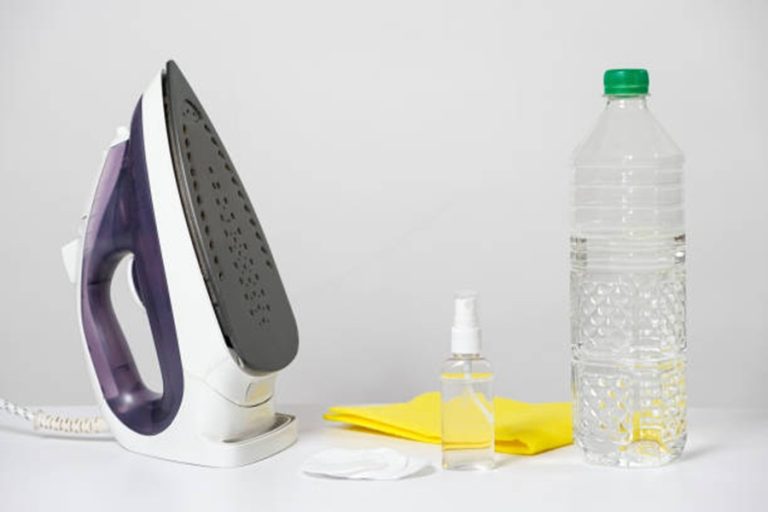
| Water stains | Place an absorbent cloth over the stain and gently press with a warm iron (on low heat). Follow by polishing the area with a dry microfiber cloth. |
| Oil-based stains | Sprinkle cornstarch over the stain to absorb oil for about an hour, then gently scrub with mild dish soap diluted in water. Wipe clean and dry immediately. |
| Dark stains | For deeper discolorations caused by moisture or pet accidents, lightly sand the affected area (if possible) and apply wood-specific hydrogen peroxide or stain remover. Always test in an inconspicuous spot first. |
Tackling Sticky Spots
- Remove loose debris first using a vacuum or dust mop.
- Dampen a microfiber cloth with warm water mixed with a few drops of gentle dish soap.
- Gently rub the sticky spot until it dissolves; avoid excessive scrubbing that could harm the wood’s protective layer.
- For stubborn residue like adhesive glue, use rubbing alcohol sparingly on a cotton ball and test it on an inconspicuous area beforehand.
Tips for Safe Cleaning Practices
To ensure that your hardwood floors remain in top condition while removing scuffs, stains, and sticky spots: – Avoid harsh chemicals like ammonia or bleach-based products; they can deteriorate finishes and weaken wood fibers. – Always wipe up spills immediately—standing liquid is one of hardwood’s biggest enemies. – Test any new cleaning method in an inconspicuous corner before proceeding widely across your floors.
Taking prompt action using safe techniques will keep your hardwood floors looking polished while preserving their long-term quality. With proper care and attention to detail during cleaning tasks, even challenging marks like scuffs or stains can be dealt with effectively without compromising the beauty of your flooring system.
Deep Cleaning vs.
Maintaining hardwood floors involves a balance of regular upkeep and occasional deep cleaning. Understanding the difference between these two approaches and knowing when to apply them is essential for preserving the beauty, durability, and longevity of your floors. Below, we explore both practices in detail to help you tailor your cleaning routine effectively.
Routine Maintenance for Everyday Care
Routine maintenance refers to the regular cleaning tasks performed daily or weekly to keep hardwood floors looking polished and free of dust and debris. This type of care minimizes wear-and-tear from dirt, scratches, or residue buildup.
Key aspects of routine maintenance include: – Sweeping or Dust Mopping:- Use a soft-bristle broom or microfiber dust mop to remove dirt, pet hair, and particles that can scratch the floor. – Avoid stiff brooms or vacuums with beater bars that may damage the surface.Vacuuming Weekly:- Select a vacuum with a hard floor attachment to pick up finer dirt or grit without scraping the finish.Spot Cleaning:- Wipe up spills promptly with a damp microfiber cloth to prevent stains or water damage. – For sticky spots, use a pH-neutral hardwood cleaner applied sparingly.
Routine maintenance protects your floors from surface damage while reducing the need for more intensive cleaning methods.
Deep Cleaning for Thorough Refreshing
Deep cleaning is necessary when routine methods no longer suffice for removing embedded grime, dullness, or stubborn stains. Typically performed every one to two months (or as needed), deep cleaning restores vibrancy while maintaining proper care for your hardwood’s finish.
Steps for effective deep cleaning: 1.Choose an Appropriate Hardwood Cleaner:- Opt for products specifically formulated for hardwood floors—avoid harsh chemicals like ammonia or vinegar that can strip protective coatings. 2.Prepare the Floor:- Start by sweeping or vacuuming thoroughly to eliminate loose dirt. 3.Use a Damp Mop Sparingly:- Lightly dampen (not soak) a microfiber mop with diluted hardwood cleaner. – Work in sections and follow the grain of the wood for even results. 4.Tackle Problem Areas:- Address scuffs or stains by gently buffing with fine steel wool or specialized stain removers designed for wood surfaces.
Tip:Ensure proper ventilation during deep cleaning sessions so excess moisture evaporates quickly, preventing warping or swelling.
Comparing Routine Maintenance vs.
| Aspect | Routine Maintenance | Deep Cleaning |
| Frequency | Daily/weekly | Monthly/as needed |
| Tools Used | Broom/microfiber mop/vacuum | Damp mop/wood-specific cleaner |
| Focus | Surface-level dirt removal | Removing deeper grime/stains |
| Moisture Level | Minimal (dry methods preferred) | Slightly damp but controlled |
By alternating between these two practices based on your floor’s needs, you’ll ensure they remain in pristine condition without overexposing them to water or excessive treatments.
Incorporating both regular upkeep and periodic deep cleans into your routine ensures that hardwood floors retain their natural shine while minimizing risks like discoloration, scratches, or long-term damage.
How to Protect Hardwood Floors for Long-Term Shine
Protecting hardwood floors to preserve their natural beauty and achieving long-term shine requires a combination of preventive measures, proper maintenance routines, and the use of appropriate materials. By taking proactive steps, you can extend the life of your floors while maintaining their polished appearance.
Use Rugs and Mats Strategically
One of the simplest ways to protect hardwood flooring is by using rugs and mats in high-traffic areas. These act as barriers between footwear and your floor’s surface.
- Place doormats at all entry points to capture dirt, grit, and moisture before it reaches your floors.
- Use area rugs in hallways, beneath dining tables, or in living spaces with frequent foot traffic.
- Opt for rugs with non-slip pads or felt backings to avoid scratches caused by sliding.
Furniture Protection
Furniture legs can dent or scratch hardwood over time. To avoid this damage: – Attach felt pads or protective caps to all furniture legs. – Avoid dragging heavy furniture across the floor; lift items instead. – Use furniture coasters under heavier pieces like sofas or bookshelves.
Minimize Sun Exposure
Direct sunlight can cause fading or discoloration over time. Protect your floors from UV damage by: – Drawing curtains or blinds during peak sunlight hours. – Using window films that filter harmful UV rays. – Rearranging furniture periodically to prevent uneven fading.
Maintain Appropriate Indoor Conditions
Hardwood floors are sensitive to changes in temperature and humidity. To ensure they remain stable: – Keep indoor humidity levels between 35% and 55%. – Use a humidifier during dry winter months to prevent shrinking or cracking. – Run a dehumidifier in summer months if conditions become overly humid.
| Condition | Solution |
| Excess dryness | Use a humidifier |
| High humidity | Run a dehumidifier |
| Temperature fluctuation | Maintain steady indoor temperatures |
Choose the Right Cleaning Techniques
Using improper cleaning methods can dull hardwood surfaces over time. For consistent shine: 1. Vacuum regularly with a soft-bristled attachment to remove debris without scratching. 2. Mop floors using microfiber mops designed for hardwood surfaces. 3. Avoid wax-based cleaners unless recommended by your flooring manufacturer.
Preventing Damage from Shoes
Shoes are one of the most common culprits behind scratched floors: – Encourage family members and guests to remove shoes indoors. – Avoid walking on hardwood with high heels, cleats, or other potentially damaging footwear.
Regular Maintenance for Long-Term Results
Routine maintenance plays an essential role in preserving shine: 1. Reapply protective finishes every few years as needed based on wear levels. 2. Polish the floor occasionally with products approved for your specific type of finish (e. g. , urethane vs. oil-based finishes). 3. Spot clean spills immediately using a soft cloth and appropriate cleaning solution—this prevents long-term staining that could dull the wood’s luster.
By implementing these strategies consistently, you’ll not only maintain the aesthetic appeal of your hardwood but also protect it against premature aging, ensuring it remains beautiful for years to come.