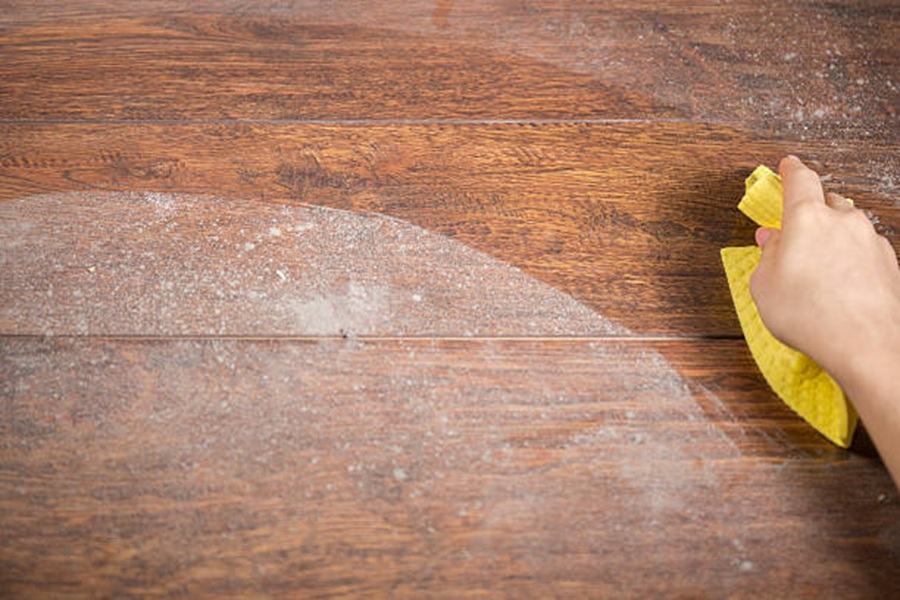
Stick to a Daily Cleaning Routine
Maintaining a daily cleaning routine is one of the most effective ways to reduce dust in your home. A consistent approach ensures that dust doesn’t have the chance to accumulate and settle into hard-to-reach areas. While a daily schedule might sound time-consuming, breaking tasks into manageable steps can help you stay on track without feeling overwhelmed.
Benefits of a Daily Routine
- Prevents Dust Accumulation:Regular cleaning reduces buildup, making deep cleaning less frequent and easier.
- Improves Air Quality:A dust-free home minimizes exposure to allergens and pollutants.
- Reduces Time Commitment Long-Term:Tackling small tasks daily prevents the need for long, exhaustive cleanings.
Steps for an Effective Daily Cleaning Routine
- Focus on surfaces that collect the most dust each day, such as coffee tables, countertops, or shelves.
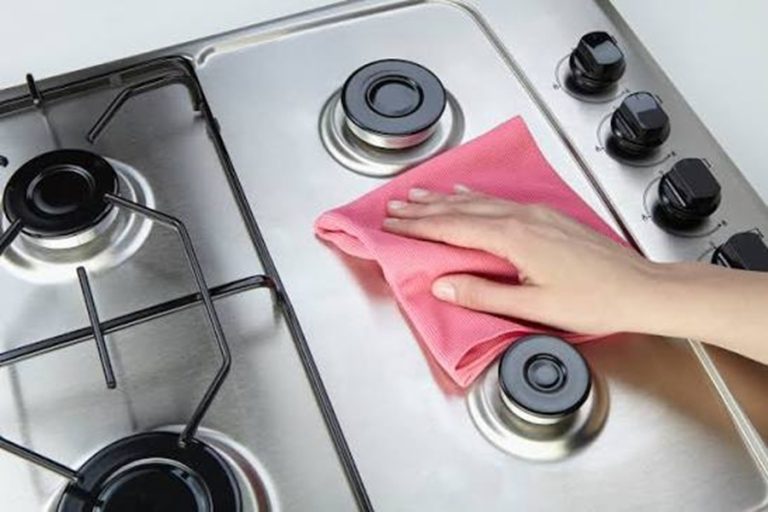
- Use a microfiber cloth or electrostatic duster as these trap particles more effectively than regular cloths.
- Dust settles onto floors quickly, so running a broom or vacuum over high-use areas such as hallways and living spaces is key.
- For homes with pets or children, this step becomes even more essential due to added debris.
- Light switches, doorknobs, and remotes often gather unseen layers of grime alongside dust.
- Use a damp cloth or gentle cleaning solution to pick up particles instead of spreading them back into the air.
- Decluttering not only makes spaces appear neater but also creates fewer surfaces where dust can settle.
- Encourage family members to make tidying items like books, toys, and clothing part of their own daily habits.
Tools for Your Daily Cleaning Routine
Having the right tools on hand simplifies everyday maintenance.
| Tool | Best For | Notes |
| Microfiber Cloth | Dusting flat surfaces | Washable and eco-friendly |
| Electrostatic Duster | Hard-to-reach spots | Ideal for corners or delicate items |
| Cordless Vacuum Cleaner | Quick floor pickups | Lightweight option for small messes |
| Floor Sweeper | Hardwood/tile | Quiet alternative to vacuums |
Tips for Staying Consistent
Sticking to any routine requires motivation and structure.Set Timers:Dedicate 15–20 minutes each day specifically for cleaning tasks.Create Checklists:Use apps or printed lists to track what needs attention daily.Focus on One Room:Rather than tackling the entire house every day, rotate rooms across your week.
By committing just a small portion of time each day toward this routine, you’ll enjoy both immediate results and long-term benefits in keeping household dust levels at bay.
Embrace Orderly Cleaning
A systematic and orderly cleaning routine can significantly reduce dust buildup in your home. By breaking tasks into manageable segments and addressing different areas of your home on a schedule, you can minimize the accumulation of dust over time. An organized approach not only saves time but also ensures no area is overlooked.
Benefits of Orderly Cleaning
- Efficient Use of Time: Cleaning with a clear plan prevents repetitive tasks and wasted effort.
- Reduced Dust Accumulation: Regular, scheduled cleaning minimizes the amount of settled dust.
- Improved Air Quality: Addressing problem areas systematically helps maintain cleaner indoor air.
- Sustainable Routine: An orderly approach makes it easier to maintain long-term cleanliness.
Key Steps for Organized Cleaning
- Assign specific days for different tasks (e. g. , dusting on Mondays, vacuuming midweek).
- Rotate deep-clean areas like baseboards, ceiling fans, or vents every few weeks.
- Use reminders or a checklist to track progress.
- Always start with higher surfaces (like shelves or ceiling fans) before moving to lower ones, ensuring that dust doesn’t settle on cleaned areas.
- Finish by vacuuming or mopping floors to capture any particles that fell during cleaning.
- Clear countertops, desks, and other surfaces before wiping them down. Fewer items mean fewer places for dust to hide.
- Store items in sealed containers or closed cabinets whenever possible to prevent additional buildup.
- Store microfiber cloths, dusters, mild cleaners, and vacuums in easily accessible locations so you’re always prepared.
- Having tools available encourages consistency and reduces the temptation to procrastinate.
Suggested Weekly Cleaning Plan
| Day | Task |
| Monday | Dust high surfaces (shelves, fans). |
| Tuesday | Wipe down furniture and electronics. |
| Wednesday | Vacuum carpets and rugs thoroughly. |
| Thursday | Mop hard floors; clean baseboards. |
| Friday | Wash bedding; sanitize frequently touched surfaces (e.g., doorknobs). |
Adopting an orderly cleaning strategy not only reduces visible dirt but also tackles hidden sources of allergens such as pet dander or pollen brought indoors. By maintaining a predictable routine, you’ll find it easier to manage your home environment effectively without letting tasks pile up unexpectedly.
Dust and Wipe Down Surfaces
One of the most effective ways to reduce dust in your home is by routinely dusting and wiping down surfaces. Dust tends to accumulate on visible and hard-to-reach areas alike, making it essential to address both with a systematic approach.
Choose the Right Tools
Using improper tools can spread dust around instead of removing it.
– Microfiber cloths: These are highly effective at trapping fine particles without pushing them into the air.
– Electrostatic dusters: Ideal for delicate items like lamps or electronics, as they attract dust through static electricity.
– Vacuum attachments: Use detachable brushes or extension wands on your vacuum cleaner to clean surfaces like shelves, vents, or baseboards.
Create a Cleaning Schedule
Dust can quickly reaccumulate if left unchecked, so consider setting up a regular schedule for surface cleaning:
– Daily: Wipe high-contact areas such as kitchen counters, coffee tables, and desks.
– Weekly: Clean less-accessible surfaces like windowsills, picture frames, bookshelves, and ceiling fans.
– Monthly: Address neglected spots like behind furniture or under appliances (e. g. , refrigerator coils).
Tackle Hidden Dust Traps
Many household items often overlooked during cleaning can harbor significant amounts of dust.
– Blinds or curtains (opt for washable materials when possible)
– Light fixtures or lampshades
– Baseboards and moldings near floors
– Electronics such as TVs, computer screens, and keyboards
Use Gentle Cleaning Solutions
While water dampened cloths work well for most cases, specific surfaces may require tailored products to avoid damage while also effectively removing grime along with dust buildup: | Surface Type | Recommended Solution | |———————–|—————————————| | Wood furniture | Use a damp microfiber cloth; avoid oversaturation & follow with polish if needed | | Glass tabletops | Apply glass cleaner sparingly then buffed gently keep no streaks residue etc
Dust and Wipe Down Surfaces
Dust is a persistent problem in any home, but regular attention to surfaces can significantly reduce its accumulation. Ensuring that surfaces are free of dust not only improves air quality but also minimizes allergens that can impact health. Below, we’ll explore effective ways to dust and wipe down surfaces for a cleaner home.
Why Dusting Matters
Dust is composed of tiny particles such as dead skin cells, fabric fibers, pollen, and other microscopic debris. Without regular cleaning, it settles on furniture, electronics, and other flat surfaces, dulling their appearance and potentially causing respiratory issues.
By establishing a routine to dust and wipe down your home’s surfaces, you can maintain a healthier living environment while prolonging the life of your furniture.
Tools for Effective Dusting
- Microfiber cloths:These are excellent for trapping dust without pushing it around. They’re reusable and more effective than traditional cotton rags.
- Electrostatic dusters:These attract dust particles using static electricity, making them perfect for delicate items like picture frames or decorations.
- Vacuum attachments:Many vacuums come with soft-bristle attachments ideal for cleaning shelves or blinds.
- Wood-safe cleaners or polishes(if applicable): Use these sparingly on wooden furniture to clean without damaging the finish.
Steps to Dust Surfaces Effectively
- Start from the Top
Always begin with higher surfaces such as shelves or ceiling fans so any falling dust can be cleaned up later on lower areas like tables or floors. - Use Dry Cloths First
For most surfaces, start with a dry microfiber cloth or electrostatic duster to remove loose particles before introducing moisture. - For wooden furniture: Use a barely damp microfiber cloth along with a wood-safe cleaner if required. Avoid over-saturating to prevent damage.
- For electronics: Use an anti-static cloth designed specifically for screens and keyboards.
- Glass or mirrors: Opt for streak-free sprays paired with lint-free microfiber cloths.
- Pay Attention to Neglected Areas
Hidden spots like baseboards, behind furniture pieces, light fixtures, and window sills often collect significant amounts of dust over time. Incorporate these into your routine at least once a week. - Minimize Spreading Dust Around
Avoid feather dusters as they tend to scatter fine particles instead of capturing them effectively.
Proactive Measures To Keep Surfaces Cleaner Longer
| Action | Benefits |
| Keep windows closed | Limits the entry of outdoor pollutants like pollen or vehicle emissions. |
| Invest in air purifiers | Captures airborne particles before they settle on surfaces |
| Create shoe-free zones | Prevents dirt particles from being tracked indoors |
Incorporating these practices will not only save time but also contribute to maintaining cleaner spaces between regular cleaning sessions.
Maintaining clean surfaces is about consistency rather than perfection; even small efforts performed regularly will yield noticeable improvements in reducing overall household dust levels while enhancing cleanliness throughout your home.
Tidy Clutter
One of the most effective ways to reduce dust in your home is by addressing clutter. When items are scattered or stored in disorganized piles, they collect and trap dust more easily. Reducing clutter not only helps you maintain a cleaner home but also minimizes surfaces where dust tends to accumulate. Below, we’ll explore practical strategies for tidying clutter effectively.
Benefits of Decluttering for Dust Control
- Less Surface Area for Dust Buildup: Fewer items mean fewer surfaces for dust to settle on.
- Easier Cleaning: Clear spaces allow for quicker and more thorough cleaning routines.
- Improved Air Circulation: Clutter-free areas promote better airflow, preventing dust from settling as quickly.
How to Tidy Clutter Effectively
Tackling clutter doesn’t have to be overwhelming.
- Group similar items together, such as books, electronics, or decorations.
- Decide which items are essential and which can be donated, recycled, or discarded.
- For every new item brought into your home (e. g. , clothing or décor), remove one item you no longer need.
- Opt for closed storage units like cabinets and bins to keep dust away from stored items.
- Label storage containers for easy organization and retrieval.
- Focus on one room at a time so the process feels manageable.
- Start with high-traffic areas where dust tends to build up quickly, like living rooms and bedrooms.
- Limit knick-knacks and small decorative pieces that attract and hold onto dust particles.
- Use simple design elements that are easier to clean regularly.
Storage Tips to Combat Dust
| Problem | Solution |
| Open shelves | Replace with cabinets or add doors |
| Piles of paper/mail | Use a filing system or shred unnecessary documents |
| Excess clothing | Store out-of-season clothes in vacuum-sealed bags |
Regular Maintenance After Decluttering
Once your space is organized and free of excess clutter: – Commit to periodic decluttering sessions (e. g. , monthly or quarterly) to prevent buildup. – Incorporate anti-dust practices such as wiping down surfaces inside storage units or using microfiber cloths on items that remain exposed.
By maintaining a tidy environment free of unnecessary clutter, you can significantly reduce the amount of dust in your home while creating a more comfortable living space.
Clutter plays a significant role in the accumulation of dust in your home. Piles of items, unused objects, and excess furniture create more surfaces where dust can settle, making it harder to maintain a clean environment. By reducing clutter and organizing your space, you can significantly cut down on dust buildup while also creating a more pleasant and functional home.
The Impact of Clutter on Dust
- Increased Surface Area: More items mean more surfaces for dust to collect on.
- Hard-to-Clean Spaces: Clutter creates tight spaces that are challenging to reach with traditional cleaning tools, allowing dust to accumulate over time.
- Reduced Airflow: Excessive clutter can obstruct natural airflow in your home, leading to stagnant air that allows dust particles to settle.
Tackling clutter effectively is essential for maintaining a cleaner and healthier living space. Below are actionable strategies for tidying up your space.
Steps to Reduce Clutter
- Adopt the “One In, One Out” Rule
For every new item that enters your home, remove an old or unused item. This practice prevents unnecessary accumulation of belongings. - Sort Items into Categories Create three categories for all items as you declutter:
- Keep
- Donate or Sell
- Discard
This systematic approach helps you make decisions quickly without second-guessing. - Use Storage SolutionsInvest in storage options such as bins, baskets, and shelves to keep frequently used items organized and out of sight.
- Use labeled containers for small objects like remote controls or stationery.
- Store seasonal clothing or rarely used items in vacuum-sealed bags.
- Focus on High-Clutter Zones Pay attention to areas where clutter tends to accumulate most:
- Entryways: Shoes, coats, mail
- Kitchen counters: Small appliances or unopened mail
- Living room: Books, magazines, toys
- Implement Regular Decluttering SessionsSchedule time each month for decluttering specific areas of the house. This habit prevents the buildup of unnecessary belongings over time.
Benefits Beyond Reducing Dust
Tidying up clutter doesn’t just reduce dust; it also contributes to: – A more streamlined cleaning process due to fewer obstacles. – Improved mental clarity by eliminating visual distractions. – Safer living spaces with fewer tripping hazards or obstructions.
| Problem | Solution | Example |
| Piles of mail | Set up a mail organizer | Wall-mounted file holder near entryway |
| Overflowing closets | Use vacuum-sealed storage bags | Seasonal clothing stored under the bed |
| Toys everywhere | Designate a toy storage area | Large basket in the family room |
By minimizing clutter thoughtfully and consistently, you’ll not only enjoy a cleaner home but also experience a sense of calm and order that enhances overall well-being.
Consider Purchasing Filters
One of the most effective ways to reduce dust in your home is to invest in high-quality air filters. Dust particles, allergens, and other airborne pollutants can accumulate quickly, even with consistent cleaning. Filters work by trapping these microscopic particles before they settle on surfaces, making your home cleaner and healthier. Below are practical insights into choosing and using filters effectively.
Benefits of Using Filters
Air filters not only help minimize dust but also improve indoor air quality.
- Reduces airborne dust: Filters capture fine particles that would otherwise circulate through the air.
- Improves allergy symptoms: By trapping pollen, pet dander, and other irritants, filters provide relief for allergy sufferers.
- Extends the life of HVAC systems: Clean filters protect heating and cooling systems from becoming clogged with debris.
- Promotes respiratory health: Cleaner air reduces exposure to harmful particulates that may impact breathing.
Types of Filters to Consider
There are various types of filters available, each suited for different needs and budgets.
| Filter Type | Description | Ideal For |
| HEPA Filters | High-Efficiency Particulate Air (HEPA) filters trap 99.97% of particles as small as 0.3 microns. | People with allergies or asthma |
| Electrostatic Filters | Uses static electricity to attract and trap dust particles effectively. | Homes with minimal HVAC use |
| Activated Carbon Filters | Removes odors along with dust by absorbing smells from cooking or pets. | Maintaining a fresher-smelling environment |
| Reusable Washable Filters | Cost-effective option; can be cleaned periodically for reuse. | Eco-conscious homeowners |
Where You Can Use Filters
- HVAC Systems: Ensure your heating or cooling system uses the right filter size and replace it regularly (every 1–3 months).
- Standalone Air Purifiers: Portable devices are great for bedrooms or living spaces where dust tends to build up.
- Vacuum Cleaners with HEPA Filtration: A vacuum equipped with a HEPA filter can capture more fine dust than traditional models.
- Window Screens or Vent Covers with Built-in Filtration Layers: These can reduce the entry of outdoor contaminants like pollen or debris.
Maintenance Tips for Effective Performance
- Check filter manufacturer recommendations on replacement timelines – don’t wait until they’re clogged.
- If washable filters are used, clean them thoroughly following product instructions and let them dry completely before reinstalling.
- Keep vents clear of obstructions such as furniture to allow proper airflow through filtered systems.
- Monitor indoor humidity levels (ideally around 30–50%) since excessive moisture can make some filter types less effective.
By incorporating well-chosen filters into your cleaning routine alongside regular upkeep like vacuuming and dusting, you create a cleaner home environment that feels fresh while reducing allergens at the same time.