Stain Removal
Hard water stains can be a persistent issue on your fridge, especially on stainless steel or glass surfaces. These stains are primarily caused by the buildup of minerals like calcium and magnesium, which leave behind unsightly spots or cloudy streaks. Removing them without damaging the finish of your fridge requires gentle yet effective methods. Below, we’ll walk through a step-by-step process to tackle these stains safely.
Tools and Materials You’ll Need:
- Soft microfiber cloths
- Distilled white vinegar
- Baking soda
- A spray bottle
- Warm water
- Non-abrasive sponge or soft-bristled brush
Step-by-Step Guide for Removing Hard Water Stains:
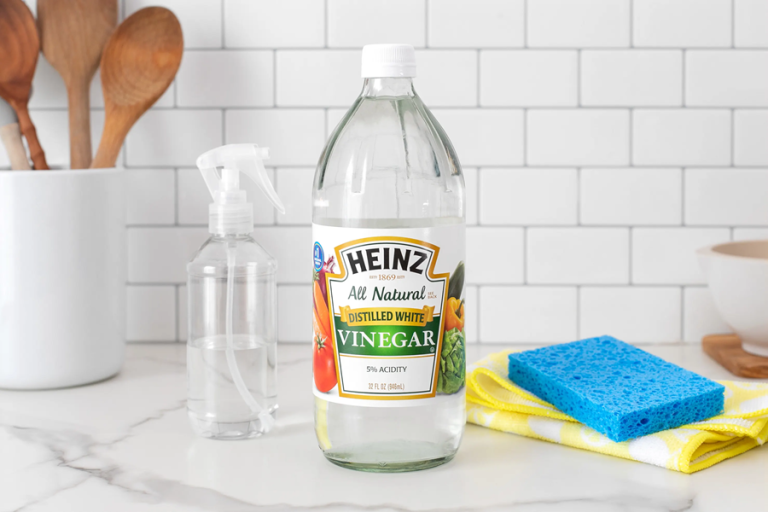
- Mix equal parts distilled white vinegar and warm water in a spray bottle. Vinegar’s natural acidity helps dissolve mineral deposits without scratching surfaces.
- Spray the vinegar-water mixture directly onto the affected area of your fridge.
- Allow it to sit for 5–10 minutes. This gives the solution time to break down the mineral buildup.
- Use a soft microfiber cloth to gently wipe away the softened residue in circular motions.
- Avoid using abrasive scrubbers, as they can scratch delicate finishes like stainless steel or glass.
- If some stains remain, create a paste by mixing baking soda with water.
- Apply this paste directly to stubborn spots and rub gently with a non-abrasive sponge or soft-bristled brush.
- Rinse with clean water and wipe dry immediately with another microfiber cloth.
- After cleaning, use a dry microfiber cloth to buff the surface until it shines. Drying is essential to prevent new water stains from forming.
Tips for Effective Cleaning:
- Always test your cleaning solution on an inconspicuous area of your fridge before applying it widely, especially if your appliance has special coatings.
- Avoid soaking areas around seals or edges where moisture could seep inside.
Simple Table: Common Tools vs Abrasiveness Levels
| Tool/Material | Abrasiveness Level | Safe for Fridge Surfaces? |
| Microfiber Cloth | Low (Gentle) | Yes |
| Non-Abrasive Sponge | Low | Yes |
| Baking Soda Paste | Moderate (Controlled) | Yes |
| Steel Wool | High (Harsh) | No |
By following these steps, you can effectively remove hard water stains while preserving your fridge’s finish — helping it look clean and well-maintained for years to come.
Additional Methods
If basic cleaning techniques such as wiping down your fridge with a soft cloth and soapy water aren’t entirely effective, there are additional methods to tackle stubborn hard water stains. These strategies often use common household ingredients and require minimal effort while ensuring the finish of your fridge remains intact.
Using Vinegar for Stain Removal
White vinegar is one of the most effective and affordable solutions for breaking down mineral deposits that create hard water stains. Its acidic properties help dissolve calcium and magnesium buildup without damaging surfaces.
- White vinegar (diluted with water in a 1:1 ratio)
- Spray bottle
- Non-abrasive sponge or microfiber cloth
- Mix equal parts white vinegar and water in a spray bottle.
- Spray the solution directly onto the stained area. Ensure the surface is fully covered but not overly saturated.
- Allow the mixture to sit for about five minutes to break down mineral deposits.
- Gently wipe the area with a microfiber cloth or soft sponge, avoiding excessive pressure that could scratch the finish.
Baking Soda Paste for Tough Stains
Baking soda offers mild abrasiveness, making it an excellent choice for dealing with more persistent stains without scratching your refrigerator’s surface.
- Baking soda (2 tablespoons)
- Water (enough to form a paste)
- Soft-bristled toothbrush
- Combine baking soda and water until you achieve a thick paste consistency.
- Apply the paste to stained areas using your fingers or a soft-bristled toothbrush.
- Focus on applying light pressure; scrubbing too hard can harm delicate finishes.
- Let it sit for five minutes before rinsing gently with clean water.
- Be sure no residue is left behind as dried baking soda could leave streaks.
Lemon Juice as a Natural Alternative
Lemon juice is another natural cleaner that works similarly to vinegar due to its acidity but leaves behind a pleasant citrus scent.
- Cut a fresh lemon in half and rub it directly on the affected area, squeezing slightly as you go.
- Let it sit for three minutes, then wipe clean with a damp microfiber cloth.
- Repeat if necessary until all visible stains are gone.
Commercial Cleaners
| Product Type | Features | Precautions |
| Stainless steel wipes | Pre-moistened wipes designed for metal surfaces | Avoid using on painted finishes |
| Hard water stain sprays | Formulated for removing mineral deposits | Test first on hidden areas |
Always read product instructions carefully before use and test cleaners on inconspicuous spots beforehand.
Combining Methods
For highly resistant spots, combining techniques can be helpful: 1. Start by spraying vinegar as an initial treatment and wiping it clean. 2. Follow up by applying baking soda paste to any remaining marks, then rinse thoroughly.
Using these additional methods ensures flexibility when tackling various levels of stain severity while protecting your fridge’s aesthetic appeal throughout cleaning efforts.
Material Type Considerations
When dealing with hard water stains on your fridge, the material of its surface plays a crucial role in determining the most effective and safe cleaning approach. Understanding the nuances of different finishes—be it stainless steel, glass, or painted surfaces—can help you clean without unintentionally damaging your fridge.
Stainless Steel Surfaces
- Use Microfiber Cloths: Microfiber cloths are gentle yet effective at removing stains without scratching the surface.
- Vinegar Solution: Mix equal parts of white vinegar and water in a spray bottle. Spray it onto the stained area and let it sit for 5–10 minutes before wiping with a soft cloth.
- Avoid Abrasive Cleaners: Powder-based or gritty cleaners can leave scratches on stainless steel. Stick to liquid solutions specifically designed for this material.
- Polish After Cleaning: To restore shine, use a small amount of food-grade mineral oil or specialized stainless-steel polish applied with a clean cloth.
| Recommended Tools for Stainless Steel | Tools to Avoid |
| Microfiber cloth | Steel wool |
| Vinegar solution | Abrasive powders |
| Stainless steel polish | Harsh chemical-based sprays |
Glass Panels
- Ammonia-Free Glass Cleaner: Use an ammonia-free glass cleaner designed to avoid streaking while protecting the surface.
- DIY Solution: A half-vinegar, half-water mix works well on glass too. Use a spray bottle and wipe in circular motions with a lint-free cloth.
- Dry Immediately: Prevent streaks by ensuring no moisture remains after cleaning.
Painted Surfaces
Painted surfaces are more delicate compared to stainless steel or glass, so extra care is needed when removing hard water stains.
- Mild Dish Soap: Mix a few drops of mild dish soap with warm water. Gently scrub using a soft sponge or non-abrasive pad.
- Avoid Acidic Cleaners: Vinegar might cause discoloration on certain paints; instead, opt for neutral pH solutions.
- Test Before Cleaning: Always test any cleaning method on an inconspicuous area first to ensure compatibility.
Plastic Trim or Handles
Plastic handles and trims can also collect hard water deposits over time. While durable, they may scratch easily if cleaned improperly.
- Baking Soda Paste: Create a paste using baking soda and water to gently rub away stains without abrasive damage.
- Soft-Bristled Brush: For grooves or textured plastic areas, use a soft-bristled brush (like an old toothbrush) dipped in soapy water.
By tailoring your cleaning methods based on material type, you’ll preserve your fridge’s finish while effectively eliminating hard water stains. Being mindful of each material ensures both aesthetics and functionality remain intact long-term.
Preventing Stains
Preventing hard water stains on your fridge is often easier than removing them. With a few proactive steps and consistent maintenance, you can keep your refrigerator looking pristine while preserving its finish over time. This section covers tips and strategies to help minimize the buildup of stains caused by hard water.
Regular Cleaning Routine
A simple yet effective way to prevent hard water stains is by establishing a regular cleaning routine. Hard water deposits form when mineral-rich water droplets evaporate on surfaces, leaving behind residue. Cleaning frequently can prevent this buildup.
- Wipe down surfaces at least once a week using a soft microfiber cloth dampened with distilled water.
- Focus on areas where condensation or spills are likely, such as around the water dispenser or ice maker.
- Dry surfaces immediately after wiping to ensure no moisture remains, as lingering water spots can lead to staining.
Use Water-Repellent Solutions
Applying a light coating of a water-repellent product can help create a protective barrier on your fridge’s surface. These products minimize the chances of mineral deposits adhering to the finish.
- Look for food-safe, non-toxic repellents designed for stainless steel or enamel finishes.
- Test the product in an inconspicuous area before applying it widely to ensure compatibility with your refrigerator’s material.
- Reapply the solution every few months or as recommended by the product instructions.
Install a Water Softener
| Filter Type | Benefits | Best For |
| Whole-home softener | Reduces hard minerals at the source | Households with very hard water |
| Faucet-mounted filter | Affordable and easy installation | Specific sinks or dispensers |
| Pitcher filter | Portable and convenient | Drinking/cooking needs only |
By reducing mineral content in your household’s water supply, you’ll have fewer issues with residue forming on appliances.
Avoid Allowing Water Drops to Sit
- Keep an absorbent towel near your fridge for quick cleanups.
- After using the ice or water dispenser, wipe away any drips from surrounding surfaces.
- Monitor edges where seals meet glass panels, as these areas are prone to collecting moisture.
Maintain Proper Humidity Levels
- Use a dehumidifier in particularly humid climates or during rainy seasons.
- Ensure proper ventilation in kitchens by running exhaust fans while cooking.
Keeping moisture levels under control reduces opportunities for mineral-laden droplets to form and stick onto appliance surfaces.
By adopting these preventive measures into your routine, you’ll significantly reduce the risk of dealing with stubborn hard-water stains down the road while maintaining your fridge’s polished appearance over time.
Products to Avoid
When tackling hard water stains on your fridge, it’s just as important to know which products to avoid as it is to know what works best. Using the wrong cleaning agents can lead to unintended damage, such as scratches, discoloration, or even permanent harm to your refrigerator’s finish. Below is a guide on what not to use and why.
Abrasive Cleaners
Avoid using harsh scrubbing agents like powdered cleansers or gritty pastes. These products often contain abrasives that can scratch the surface of your fridge, especially if it has a stainless steel or glossy finish. Even when dealing with tough stains, opting for gentler methods will help maintain the appearance of your appliance.
Harsh Chemicals
Certain chemicals can be too strong for cleaning fridges and may cause damage over time. You’ll want to steer clear of:
– Bleach: While effective at disinfecting, bleach can corrode metal surfaces and leave discoloration. – Ammonia: This strong chemical can strip protective coatings and leave behind a dull finish. – Acid-based cleaners (e.g., vinegar mixed with high concentrations of citric acid): Though natural acids are often used for cleaning purposes, concentrated mixtures may erode protective finishes if applied directly or left on too long.
Steel Wool and Wire Brushes
While it might be tempting to use something strong like steel wool for stubborn stains, these tools are notorious for leaving deep scratches that can ruin the appearance of your refrigerator. Instead, opt for microfiber cloths or non-scratch scrub pads designed specifically for delicate surfaces.
| Cleaning Tool | Why It Should Be Avoided |
| Steel wool | Causes visible scratches |
| Wire brushes | Damages surface coatings and leaves unsightly marks |
| Coarse abrasive sponges | May dull glossy finishes and create micro-scratches |
Cheap Multi-Purpose Sprays
Some inexpensive multi-purpose sprays claim to work on all surfaces but often contain ingredients that aren’t safe for delicate appliances. Always check product labels carefully before applying anything new directly onto the fridge’s exterior.
Wax-Based Polish Products
Though polish products might seem useful for enhancing shine, many wax-based polishes are unnecessary for modern fridges with built-in finishes like stainless steel or polished aluminum. Overuse may lead to residue buildup that attracts dirt instead of repelling it.
Recap: What To Avoid
To sum up, when removing hard water stains from your refrigerator:
– Do not use abrasive scrubbing tools (e.g., steel wool).
– Stay away from harsh chemicals like bleach and ammonia.
– Avoid cheap sprays unless explicitly labeled safe for appliances.
Taking care to avoid these common pitfalls will protect your fridge’s finish while ensuring effective stain removal techniques result in a clean surface without damage.
Products to Avoid
When it comes to removing hard water stains from your fridge without scratching the finish, selecting the right cleaning products is critical. Many household cleaners contain harsh chemicals or abrasive materials that can damage your fridge’s surface, leaving permanent marks or dulling the finish. Below is a detailed guide on which products to avoid and why, ensuring you protect both the aesthetic and functionality of your appliance.
Abrasive Cleaners
Cleaning agents with abrasive particles should never be used on your fridge’s exterior. These often include:
– Powdered Cleaners: Products like scouring powders can scratch delicate surfaces, especially those with a shiny or stainless steel finish.
– Abrasive Creams: Some cream-based cleaners include micro-abrasives that may dull the surface over time.
Instead of these products, opt for soft microfiber cloths and non-abrasive cleaning solutions.
Harsh Chemical Cleaners
Certain chemical-based cleaners can cause discoloration or even corrosion on your fridge’s finish. These include:
– Bleach-Based Products: While effective at disinfecting, bleach can strip away protective coatings and etch into surfaces when left too long.
– Ammonia-Based Solutions: Ammonia may react poorly with certain finishes, especially polished metals or coated surfaces, leading to streaks or damage over time.
Steel Wool or Rough Scrub Pads
While you might be tempted to use steel wool pads for their effective scrubbing power, they are far too rough for most refrigerator surfaces. Using these materials will often result in scratches and other visible damage.
Alternatives: – Use non-scratch sponges. – Stick with microfiber cloths for gentle but effective cleaning.
Acidic Cleaning Solutions
Acidic cleaners such as vinegar-based solutions (if not diluted properly) can cause harm to sensitive finishes—particularly those made of stainless steel. Acids may corrode metallic surfaces and leave behind unsightly streaks or spots if not wiped clean immediately.
If you intend to use vinegar due to its effectiveness in breaking down mineral deposits from hard water stains: 1. Always dilute it by mixing equal parts water and vinegar. 2. Test it first in an inconspicuous area before applying it across the entire surface.
Oil-Based Polishes
Oil-based polishes designed for furniture are ill-suited for refrigerators because they often leave behind a greasy residue that attracts dust and dirt over time. This buildup not only diminishes the appearance of the appliance but also makes future cleanings more difficult.
Table: Safe vs Unsafe Cleaning Products
| Product Type | Safe Options | Unsafe Options |
| Abrasives | Microfiber cloth | Scouring powders, abrasive creams |
| Chemicals | Diluted vinegar | Bleach, ammonia |
| Pads/Sponges | Non-scratch sponge | Steel wool |
| Polishing Agents | Stainless steel-specific polishes | Furniture oil-based polishes |
By avoiding these harmful products and opting for gentle yet effective alternatives, you’ll preserve your fridge’s finish while successfully removing hard water stains. Prioritize safety by reading product labels carefully and testing any cleaner on a hidden part of the appliance before widespread use.
Products to Avoid
When dealing with hard water stains on your fridge, it’s essential to be cautious about the products you use. The wrong cleaning agents can damage your fridge’s finish, leaving scratches or discoloration that are difficult—or impossible—to repair. Below is a guide to help you identify which products should be avoided and why.
Abrasive Cleaners
- Powdered cleaners with coarse particles designed for scrubbing.
- Heavy-duty scouring powders often marketed for tile or bathroom cleaning.
- Cleaning pastes meant for tough grime removal but overly harsh for delicate surfaces.
Abrasive cleaners create micro-scratches that dull the appearance of your fridge over time and may compromise any protective coating.
Steel Wool or Harsh Scrubbing Pads
Metal-based scrubbing tools like steel wool pads are highly damaging to both stainless steel and painted finishes. They can leave deep scratches and even remove layers of finish. Instead, rely on softer tools, such as microfiber cloths, which are gentle yet effective at cleaning without harming the surface.
Bleach-Based Products
- Discoloration of painted finishes.
- Corrosion on stainless steel components.
- Damage to seals or rubber gaskets around doors.
For disinfecting purposes, look for alternatives like diluted white vinegar that won’t strip away surface coatings.
Ammonia-Based Cleaners
Many glass cleaners contain ammonia, which can cause streaks and discoloration if used incorrectly on your fridge’s exterior. Ammonia can also accelerate corrosion on certain metal surfaces over time. If you need a streak-free shine, opt for ammonia-free glass cleaners or make your own solution using water and a few drops of dish soap.
Acidic Solutions Beyond Vinegar
- Citrus-based cleaners may harm stainless steel appliances.
- Avoid using strong acids like muriatic acid under any circumstances; these are far too harsh for home appliance cleaning.
Table: Quick Reference Guide – What Not to Use
| Product/Material | Reason to Avoid | Safer Alternatives |
| Abrasive powders | Causes micro-scratches | Baking soda paste (gentle scrub) |
| Steel wool | Scratches surfaces; removes finish | Microfiber cloth |
| Bleach | Leads to discoloration | Diluted vinegar |
| Ammonia-based solutions | Can streak/discolor metal | Ammonia-free glass cleaner |
| Lemon juice/strong acid | Erodes coatings | Mild soapy water |
Overly Wet Cleaning Tools
Using excess water during cleaning might seem harmless but can lead to problems such as moisture seeping into seams or electrical components in the fridge door paneling. Stick with damp—not soaking wet—cloths when wiping down surfaces.
By avoiding these products and tools, you ensure not only the longevity of your refrigerator’s finish but also maintain its cleanliness without unnecessary wear-and-tear risks. Always refer to your manufacturer’s care instructions if unsure about compatibility with specific cleaning agents.