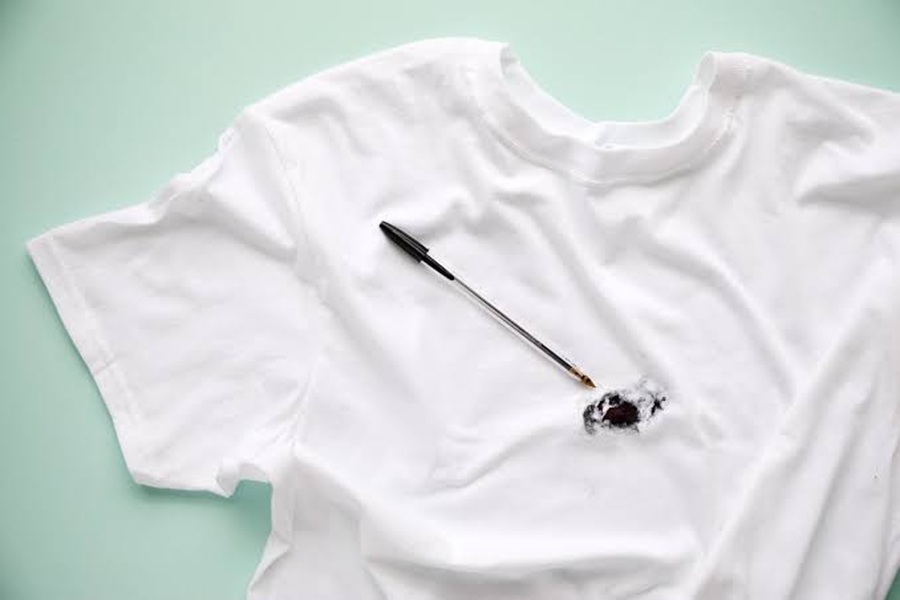
What Causes Ink Stains and Why Are They Difficult to Remove?
Ink stains can be frustrating and stubborn, often resisting regular washing methods. To understand how to tackle them effectively, it’s essential to first explore what makes ink stains so challenging to remove and how they interact with fabrics.
What Causes Ink Stains?
- Pigments or dyes bind strongly to fibers: The color elements in ink penetrate deeply into fabric threads, clinging tightly to their structure.
- Solvents aid absorption: Many inks are formulated with solvents (e.g., alcohol or oil) that help the pigment spread evenly. These solvents also allow ink to seep quickly into porous materials like cotton or wool.
- Quick drying properties: Ink is designed to dry quickly on paper or other surfaces. Unfortunately, this means it can dry within minutes on fabric as well, setting the stain faster.
Why Are Ink Stains Difficult to Remove?
- Absorption into Fibers: Once ink enters the fibers of your clothing, it essentially becomes part of the material itself. This makes “lifting” the stain out more complicated than surface-level stains like dirt or mud.
- Chemical Complexity: Different inks have varying chemical compositions (water-based, oil-based, gel-based), meaning that a single cleaning method won’t work for all types of ink.
- Time Sensitivity: Fresh ink stains are easier to deal with because they haven’t had time to set into the fabric fully. Dried stains are far more resistant and require additional effort.
| Type of Ink | Characteristics | Difficulty Level |
| Ballpoint pen | Oil-based; dries quickly | Moderate |
| Fountain pen | Water-based; easier when fresh | Easy (fresh), Hard (dried) |
| Permanent marker | Alcohol-based; adheres permanently | Very hard |
| Gel pen/gel ink | Water-gel mix; thick consistency | Moderate |
Factors That Affect Removal
- Fabric type: Natural fibers like cotton absorb more ink than synthetic materials such as polyester.
- Timing: The faster you act on a stain, the better your chances of removal.
- Ink type: As mentioned above, permanent markers and oil-based inks pose greater challenges than water-based varieties.
Understanding these causes helps lay the groundwork for effective stain removal strategies tailored for both fresh and dried marks on various fabrics. By addressing these factors systematically in later sections, you’ll learn practical ways to tackle even the most stubborn stains without damaging your clothes.
How to Remove Fresh Ink Stains from Different Fabrics
Fresh ink stains are often easier to treat than dried stains because the ink hasn’t fully set into the fabric. However, the method you use can vary depending on the type of material. Here’s a breakdown of effective ways to treat fresh ink stains on various fabrics.
General Guidelines for Treating Fresh Ink Stains
- Act Quickly: Fresh ink spreads quickly and penetrates deeper into fibers if left untreated. Address the stain as soon as possible.
- Avoid Heat: Heat can set the stain, making it nearly impossible to remove later. Do not use hot water or a dryer until the stain is completely gone.
- Test First: Always test cleaning solutions on an inconspicuous area of the clothing to avoid discoloration or damage.
Removing Ink Stains from Cotton and Polyester
Materials Needed:
- Paper towels or a clean white cloth
- Rubbing alcohol or hand sanitizer (with a high alcohol content)
- Mild detergent
Steps:
- Place a paper towel or clean cloth underneath the stained area to prevent ink from transferring to other parts of the garment.
- Dab (don’t rub) rubbing alcohol onto the stain using a cotton ball or clean cloth, working from the edges inward to prevent spreading.
- Allow it to sit for 5–10 minutes so that the alcohol can break down the ink.
- Rinse with cold water and apply mild detergent directly onto any remaining stain.
- Wash in cold water as usual and check before drying.
Treating Delicate Fabrics Like Silk or Wool
Materials Needed:
- Glycerin (available at most drugstores)
- Dishwashing liquid or baby shampoo – Lukewarm water
Steps:
- Mix equal parts glycerin and dishwashing liquid/baby shampoo in lukewarm water.
- Lay the fabric flat and gently blot this solution over the stained area with your fingers or a soft sponge.
- Let it sit for 15–20 minutes without scrubbing, which could damage delicate fibers.
- Rinse thoroughly with cool water and air dry.
Removing Ink From Denim
Materials Needed:
- Isopropyl alcohol (70% or higher)
- Old toothbrush
- White vinegar
Steps:
- Blot excess ink with paper towels without pressing too hard.
- Apply isopropyl alcohol using an old toothbrush, lightly scrubbing in circular motions over tough stains.
- For additional cleaning power, dab white vinegar onto stubborn areas after applying alcohol.
- Once treated, wash denim in cold water on a gentle cycle.
For Synthetic Fabrics like Nylon and Rayon
Materials Needed:
- Nail polish remover (acetone-based)
- A soft brush
Steps:
- Use nail polish remover sparingly by dabbing small amounts directly onto the ink stain using a cotton swab.
- Work gently with soft brushes, ensuring you don’t tear synthetic fibers during treatment.
- Thoroughly rinse in cold water before washing normally.
By understanding your fabric type and following these tailored methods, you can effectively tackle fresh ink stains without harming your clothes’ texture or color quality.
How to Remove Fresh Ink Stains from Different Fabrics
Fresh ink stains are generally easier to tackle than dried ones, but addressing them promptly is critical. The type of fabric also plays a significant role in determining how you approach the stain. Below is a guide on removing fresh ink stains from various types of fabrics effectively.
General Tips Before You Begin:
- Act quickly: The sooner you address the stain, the easier it will be to remove.
- Test first: Always test any cleaning agent on a small, inconspicuous area of the fabric to ensure it doesn’t cause discoloration or damage.
- Avoid rubbing: Instead of scrubbing, blot gently to prevent the stain from spreading further.
Cotton and Cotton Blends
- Blot Excess Ink: Use a clean paper towel or cloth to gently blot as much ink as possible without pressing it deeper into the fabric.
- Dab a small amount of rubbing alcohol or an alcohol-based hand sanitizer onto a clean cotton ball or cloth.
- Gently blot the stained area, working outward to prevent spreading.
- Rinse thoroughly with cold water after treating and wash in cold water with detergent.
Synthetic Fabrics (Polyester, Nylon)
- Blot with Water First: Use plain water to blot away excess ink before introducing any cleaning agents.
- Mix 1 teaspoon of dish soap and 1 tablespoon of ammonia with 2 cups of warm water.
- Using a sponge or cloth, dab this solution onto the stain gently until it fades.
- Rinse Thoroughly: Rinse under cool running water before laundering as normal.
Wool and Silk (Delicate Natural Fibers)
- Mix lukewarm water with mild dish soap (preferably one free from harsh chemicals).
- Dip a soft cloth in the soapy solution and gently pat the stained area do not rub.
- Rinse by dabbing with a dampened clean cloth. Note: Avoid using alcohol on silk or wool as it may weaken fibers.
Denim
Denim’s durability makes it slightly easier to treat:
- Place an absorbent material like paper towels beneath the stain for support.
- Apply rubbing alcohol directly onto the spot using either an eyedropper or cotton swab.
- Blot firmly but carefully until no more ink transfers onto your cleaning cloth.
| Fabric Type | Suggested Cleaner | Precaution |
| Cotton | Rubbing alcohol/hand sanitizer | Avoid scrubbing aggressively |
| Polyester/Nylon | Dish soap + ammonia mix | Test ammonia solution on hidden section |
| Wool/Silk | Mild dish soap + warm water | Avoid alcohol; use gentle motions |
| Denim | Rubbing alcohol | Use absorbent backing like paper towels |
By tailoring your approach based on fabric type and working carefully not to damage materials, you can effectively eliminate fresh ink stains while preserving your garments’ quality.
How to Remove Ink Stains Without Damaging Delicate Fabrics
Removing ink stains from delicate fabrics, such as silk, lace, or fine wool, requires a gentle approach to avoid compromising the material’s integrity. These fabrics are often more sensitive to harsh chemicals and vigorous scrubbing, so it’s essential to use mild solutions and techniques designed for their care. Below is a detailed guide to safely tackling ink stains on delicate garments.
Assess the Fabric Type and Care Instructions
- Check the garment’s care label for cleaning instructions.
- Determine if the fabric can tolerate water-based treatments or should be dry-cleaned only.
- Test any cleaning solution on an inconspicuous area of the garment first.
Materials You’ll Need
- A clean white cloth or paper towel
- Cold water
- Mild detergent (designed for delicates)
- White vinegar or rubbing alcohol (for stubborn stains)
- Cotton swabs
- A soft-bristled brush (optional, for tougher spots)
Step-by-Step Process
- If the stain is fresh, gently blot it with a clean white cloth or paper towel to absorb as much ink as possible. Avoid rubbing as this can spread the stain further.
- Run cold water through the back of the fabric (opposite side of the stain). This helps push out some of the ink particles without driving them deeper into the fibers.
- Mix a small amount of mild detergent with cold water.
- Dampen a cotton swab or soft cloth with this mixture and gently dab at the stained area. Work from outside toward the center of the stain to prevent it from spreading.
- Dilute one part white vinegar with two parts cold water.
- Gently apply this solution using a cotton swab or cloth and blot carefully.
- Alternatively, dab rubbing alcohol sparingly onto the stain using a cotton swab.
- Rinse out any cleaning solution residue under cold running water before proceeding.
- Use a clean towel to pat dry excess moisture.
- Lay flat on a drying rack or hang in indirect sunlight to air dry completely.
Important Tips
- Always avoid hot water on ink-stained delicate fabrics; heat can set stains permanently.
- Do not use bleach unless explicitly safe for your fabric type most delicates will not withstand bleach-based cleaners.
- For items labeled “dry-clean only,” take them directly to your professional cleaner instead of attempting DIY methods at home.
Quick Reference Table for Cleaning Agents by Fabric Type
| Fabric Type | Recommended Solution | Avoid |
| Silk | Mild detergent & cold water | Bleach, vigorous scrubbing |
| Lace | White vinegar & cold water | Harsh chemicals |
| Fine Wool | Rubbing alcohol sparingly | Heat-based drying methods |
By following these gentle yet effective methods, you can remove ink stains without compromising your delicate fabrics’ structure or appearance. Always handle with care and act quickly when dealing with stubborn marks on fragile materials.
How to Remove Ink Stains Without Damaging Delicate Fabrics
When it comes to delicate fabrics like silk, chiffon, or lace, removing ink stains requires a careful approach. These materials are sensitive and can easily be damaged by abrasive cleaning methods or harsh chemicals. Follow these specific strategies to treat ink stains on delicate fabrics without compromising their integrity.
Understanding the Fabric Type
- Silk: Natural protein fibers that require mild pH-balanced solutions.
- Chiffon: Lightweight and sheer material often made from silk or synthetic fibers; avoid scrubbing forcefully.
- Lace: Intricately woven fabric that can easily lose its structure if handled roughly.
Refer to the care label for specific washing instructions before proceeding.
Gentle Cleaning Solutions for Delicate Fabrics
1. Milk Soak (For Protein-Based Fabrics):
- Pour milk into a shallow dish large enough for the stained portion of the fabric.
- Submerge the stained area in milk completely.
- Let it sit for 30 minutes before dabbing gently with a clean cloth.
2. Rubbing Alcohol (Isopropyl):
- Dilute rubbing alcohol by mixing it with an equal amount of water.
- Test on an inconspicuous part of the fabric first.
- Using a cotton swab, lightly dab at the ink mark without saturating the material.
3. Glycerin Solution:
- Combine glycerin and dish soap (in a 1:1 ratio).
- Apply directly to the stain using your fingertips or a soft cloth in circular motions.
Step-by-Step Process for Sensitive Materials
| Step | Action | Notes |
| 1 | Lay a white towel beneath the stained area. | Prevents ink transfer during cleaning. |
| 2 | Blot (don’t rub) with a damp cloth or paper towel. | This absorbs excess ink without spreading it further. |
| 3 | Apply your chosen solution sparingly. | Avoid soaking delicate fabrics; use only small amounts. |
| 4 | Rinse gently under cold running water. | Ensure all cleaning agents are removed from fibers. |
| 5 | Air dry flat or hang in a shaded area away from direct sun exposure. | Heat can set any remaining ink stain. |
Precautions When Treating Delicate Materials
- Never use hot water: It can set ink stains permanently and damage fragile fibers.
- Avoid scrubbing vigorously: This may tear fine materials or distort their shape.
- Test first: Always apply your chosen cleaner to an inconspicuous area of fabric before treating the main stain.
Professional Cleaning Options
If you’re struggling with persistent stains on highly valuable items such as wedding dresses or heirloom lace garments, don’t take unnecessary risks at home. Consult professional dry cleaners who specialize in delicate materials they have tools and expertise designed specifically for handling such situations.
By adopting these careful techniques, you can effectively remove ink stains while preserving the beauty and integrity of your most delicate clothing items. Managing such challenges requires patience but ensures your cherished garments remain intact and wearable over time.
Common Mistakes to Avoid When Cleaning Ink-Stained Clothes
When dealing with ink stains, haste and improper methods can sometimes worsen the problem rather than solve it. Avoiding common mistakes can save your garments from irreversible damage. Below are key missteps to steer clear of during the cleaning process.
Using Hot Water Immediately
- Why It’s a Problem: Heat can set the ink stain into the fabric, making it far more challenging to remove.
- What to Do Instead: Always use cold or lukewarm water when treating fresh ink stains, as this prevents the stain from spreading or becoming permanent.
Rubbing Aggressively
- Why It’s a Problem: Vigorous scrubbing weakens fabric fibers and spreads the stain further, embedding it deeper into the material.
- What to Do Instead: Use gentle blotting motions with a clean cloth or paper towel to lift excess ink before applying any cleaning solution.
Ignoring Fabric Care Labels
- Why It’s a Problem: Each type of fabric has unique requirements for cleaning. Ignoring care labels may result in shrinkage, discoloration, or damage.
- What to Do Instead: Refer to the garment’s care instructions before applying any treatment methods.
| Fabric Type | Preferred Care Techniques |
| Cotton | Safe for most household cleaners; avoid bleach |
| Silk | Use delicate treatments like diluted vinegar |
| Synthetic Blends | Test on an inconspicuous area first |
Waiting Too Long Before Treating
- Why It’s a Problem: Allowing a stain to sit gives it time to penetrate deeply into fabric fibers, making it more resistant to removal attempts.
- What to Do Instead: Address stains as soon as possible. Even if you don’t have specialized products on hand, blotting with water can mitigate damage temporarily.
Overusing Cleaning Products
- Why It’s a Problem: Applying excessive amounts of cleaner can saturate fabrics and make rinsing difficult. Some products may even leave behind residue.
- What to Do Instead: Follow product instructions carefully and use only recommended amounts.
Skipping A Spot Test
- Why It’s a Problem: Cleaning solutions especially homemade remedies can cause discoloration or weaken fabrics if compatibility isn’t tested beforehand.
- What to Do Instead: Always conduct a spot test on an inconspicuous area of the garment before applying any treatment widely.
Mixing Cleaning Agents Unsafely
- Why It’s a Problem: Combining certain chemicals (e.g., bleach and ammonia) can create harmful fumes that pose serious health risks.
- What to Do Instead: Stick with one type of cleaner at a time and avoid mixing products unless explicitly stated safe by manufacturer guidelines.
By being mindful of these common errors, you’ll not only improve your success rate in removing ink stains but also prolong the lifespan of your clothing. A careful approach ensures that garments remain intact without compromising on cleanliness.
Tips for Preventing Ink Stains and Keeping Clothes Looking New
Preventing ink stains on your clothes is easier than dealing with them after they happen. By incorporating simple practices into your routine, you can keep your wardrobe looking fresh and stain-free. Below are actionable tips to help you stay ahead of ink mishaps while preserving the quality of your favorite garments.
Be Mindful of Where You Store and Use Pens
- Always check that pen caps are secured tightly when carrying them in shirt pockets, bags, or purses.
- Avoid placing pens directly into garment pockets; instead, use a designated pen holder or bag compartment.
- Replace faulty pens that leak or have broken casings immediately to prevent accidental stains.
Choose the Right Pen for Everyday Use
Some pens are more prone to leaking than others. Ballpoint pens tend to be less messy compared to gel pens or fountain pens. Assess how often you use certain types of writing instruments and consider switching to one that poses a lower risk of creating stains.
Protect Your Clothing During Writing Tasks
If you often work with markers, fountain pens, or any other ink-based tools:
- Consider wearing an apron or protective layer over your clothes.
- Place a barrier (e.g., a piece of cardboard) between the fabric surface and the workspace if writing on paper atop light-colored clothing.
Check Pockets Before Washing
Items left in pockets during laundering can lead to unfortunate ink explosions in the washing machine. To avoid this:
- Make it a habit to inspect all pockets before tossing clothes into the washer.
- Look for stray pens hiding inside backpacks, briefcases, or laundry baskets as well.
Use Fabric-Friendly Pen Alternatives When Possible
If you’re frequently concerned about ink stains such as in households with children consider using washable markers or erasable pens for daily tasks instead of permanent inks.
Careful Handling Around Delicate Fabrics
Silks, wools, and other delicate materials are particularly vulnerable to ink stains:
- Avoid contact between these fabrics and potential staining sources like open pens.
- Store delicate clothing away from desks or workplaces where writing activities occur.
Develop Proactive Habits
Preventative care goes beyond cleaning garments it’s also about being attentive:
- Schedule regular checks for damaged writing tools.
- Train children (and remind adults) about proper handling of inks around fabrics.
- Encourage workplace habits like separating personal items from stationery supplies.
By adopting these steps into your everyday life, not only will you minimize the chances of accidental stains but also maintain the vibrancy and longevity of your clothing collection.