Why Water Bottles Need Regular Cleaning
Water bottles are an essential part of daily life for many people, providing a convenient way to stay hydrated on the go. However, because they are used so frequently, they can become breeding grounds for bacteria, mold, and other harmful microorganisms if not cleaned properly and often. Understanding why regular cleaning is necessary can help you maintain a healthier lifestyle and prolong the life of your bottle.
One of the primary reasons water bottles need regular cleaning is that they often hold moisture for extended periods. Moisture creates an ideal environment for bacteria to grow, especially when combined with warm temperatures or exposure to sunlight. Even if you’re only using your bottle for plain water, bacteria from your hands or mouth can transfer onto the rim or inside of the bottle with every use. Over time, these microbes can accumulate and lead to unpleasant odors or even illnesses if left unaddressed.
Residual liquids also contribute to contamination risks. If you’re using your water bottle for drinks like juice, smoothies, or sports drinks rather than just water, sugar residues can stick to the inner surfaces of the bottle. These sugars provide food for bacteria and mold growth. The result may be an unpleasant taste in your beverages as well as potential health concerns from contaminated surfaces.
Additionally, reusable bottles tend to have narrow openings or complex designs—like ridged lids or built-in straws—that make them difficult to clean thoroughly without proper tools or techniques. These hard-to-reach areas allow germs and dirt to accumulate unnoticed over time.
The material of the water bottle also plays a role in cleanliness. Stainless steel bottles are less porous compared to plastic ones and are naturally resistant to odors and stains; however, they still require regular washing as they can harbor invisible layers of grime if neglected. Plastic bottles pose unique challenges because tiny scratches on their surface can trap bacteria more easily than glass or stainless steel options.
Regular cleaning is also important from an environmental perspective. One appeal of reusable water bottles is their eco-friendliness—reducing single-use plastics by encouraging repeated use over time. But failing to keep them clean could discourage their use altogether if odors or visible buildup become unpleasant.
To stay safe while reaping the benefits of reusable bottles:
– Commit to washing them daily when used frequently. – Avoid leaving liquids in them overnight. – Take extra care with lids and straws since these areas tend to retain hidden buildup.
By incorporating regular cleaning practices into your routine, you not only protect yourself from harmful contaminants but also ensure that your water stays fresh-tasting throughout its use.
How Often You Should Wash Reusable Bottles
Maintaining a clean reusable water bottle is essential for your health and hydration routine. While reusable bottles are environmentally friendly and convenient, they can also become breeding grounds for bacteria, mold, and unpleasant odors if not cleaned regularly. Knowing how often you should wash your bottle depends on several factors, including usage habits, the type of beverage you store in it, and environmental conditions.
Daily Cleaning for Regular Use
If you use your water bottle daily to carry water or other beverages, it’s best to give it a quick wash every day. Even when carrying plain water, bacteria from your mouth can transfer to the rim or inside the bottle. Add in factors like warm temperatures or prolonged periods between sips, and you create an environment where microorganisms can thrive.
For daily cleaning, rinse the bottle with warm water and mild dish soap. Use a bottle brush to scrub the interior thoroughly, as simply swirling soap and water may not reach all areas effectively. After rinsing off all soap residue, allow the bottle to air dry completely before using it again.
After Storing Non-Water Beverages
Reusable bottles used for non-water beverages such as juices, protein shakes, or tea require more immediate attention. These liquids often leave behind sugars or residues that promote bacterial growth if left uncleaned for too long. Wash these bottles immediately after use to prevent buildup of sticky films or unpleasant smells.
Weekly Deep Cleaning
In addition to daily washing, deep-cleaning your reusable bottle once a week is highly recommended. This involves more intensive steps such as soaking the bottle in a mixture of warm water and white vinegar or adding baking soda for extra cleaning power when dealing with lingering odors. A thorough weekly clean helps remove any stubborn buildup that daily washing may have missed.
Adjusting Based on Environment
Your cleaning frequency may also depend on factors like climate and storage conditions. In hot weather or humid environments where bacteria multiply faster, consider increasing cleaning frequency beyond just once a day. Similarly, if you store your reusable bottle in a gym bag or car where dirt and heat are common issues, additional care is required to maintain hygiene.
Always pay attention to signs that indicate your water bottle needs extra care: unusual smells, visible mold spots around crevices like lids or straws, or cloudy discoloration inside the container are clear indicators that cleaning is overdue.
By establishing consistent cleaning habits tailored to how often—and how—you use your reusable bottle, you ensure not only better-tasting beverages but also a healthier hydration experience free from harmful bacteria and unpleasant surprises.
Removing Odors, Mold, and Bacteria Buildup
Water bottles are indispensable in our daily routines, but over time, they can develop unpleasant odors, show signs of mold growth, or harbor bacteria. This happens due to leftover moisture and organic particles from beverages. Addressing these issues is essential not only for better taste but also for your health.
Why Odors and Mold Develop
Odors and mold often form when bottles are not cleaned thoroughly or left sealed while still damp. Reusable water bottles provide a dark, moist environment—ideal conditions for bacteria and mold to thrive. Even traces of residue from sugary drinks or flavored water can accelerate this process.
Deep Cleaning with Household Staples
- Baking Soda and Warm Water: Baking soda is excellent at neutralizing odors. Mix one tablespoon of baking soda with warm water, fill the bottle, seal it tightly, and shake vigorously. Allow it to sit overnight before rinsing thoroughly.
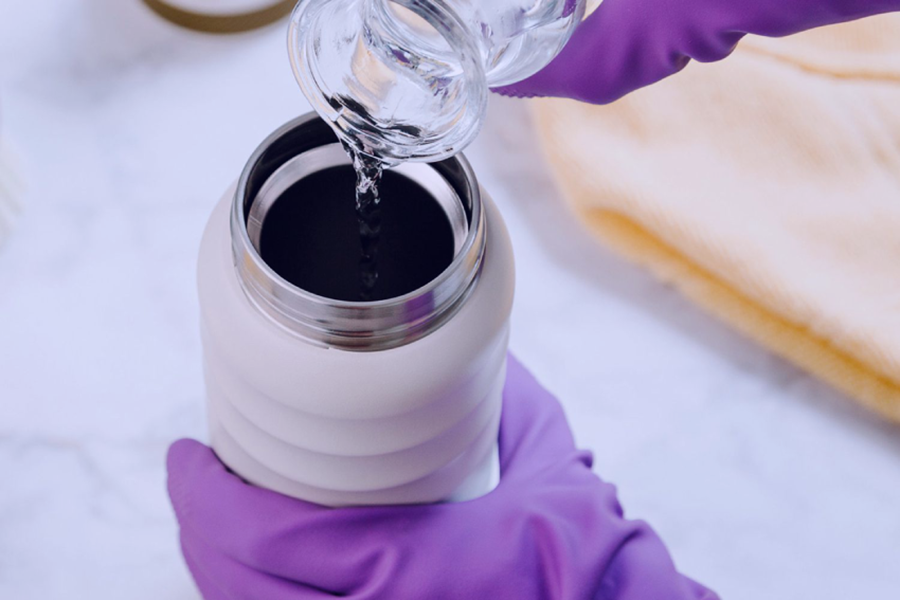
- White Vinegar Soak: Vinegar acts as a natural disinfectant that can break down bacteria buildup while removing tough smells. Fill your bottle halfway with white vinegar and the other half with warm water. Let it soak for a few hours (or overnight), then rinse well to ensure no vinegar taste lingers.
- Lemon Juice: For an additional touch of freshness after odor removal, fresh lemon juice is ideal for its natural deodorizing properties. After cleaning your bottle using other methods, rinse it with a mixture of diluted lemon juice.
Killing Bacteria With Boiling Water
For stainless steel bottles that can handle high temperatures (check manufacturer instructions first), pouring boiling water into the bottle can kill bacteria effectively. Once filled, allow the bottle to sit for 10-15 minutes before carefully discarding the hot water.
Dealing With Persistent Mold
If you notice black spots inside your bottle—a sign of mold—use a more targeted approach:
1. Create a paste using baking soda and small amounts of water. 2. Apply the paste directly onto affected areas using an old toothbrush or soft-bristled brush. 3. Rinse thoroughly after scrubbing.
For stubborn cases where manual cleaning isn’t sufficient, consider adding denture-cleaning tablets or specialized bottle-cleaning tablets to warm water inside the bottle; let them fizz away any remaining dirt or buildup.
Prevention Is Key
- Always empty leftover liquid immediately after use rather than letting it sit inside the sealed container.
- Leave lids off occasionally when storing clean bottles to allow airflow rather than creating a damp environment.
- Wash reusable bottles daily if used regularly—especially those carrying beverages other than plain water.
By dedicating time to proper maintenance routines like these paired with occasional deep cleans as needed; you’ll extend not only its lifespan but also ensure safe hydration free from harmful pathogens lingering unseen within your favorite reusable accessory!
How to Clean Plastic and Glass Water Bottles Safely
Plastic and glass water bottles are popular choices for staying hydrated on the go. However, these materials require proper cleaning techniques to maintain their safety, durability, and hygiene. Improper cleaning can lead to bacterial buildup, unpleasant odors, or even damage to the bottle itself. By adopting effective yet gentle cleaning practices, you can extend the life of your water bottle while keeping it safe for daily use.
Use Warm Soapy Water for Daily Cleaning
The simplest way to clean plastic and glass water bottles is with warm water and mild dish soap. Fill the bottle halfway with warm soapy water, then thoroughly shake or swirl it around to loosen any residue inside. Use a soft bottle brush to scrub the interior walls if necessary.
Avoid using excessively hot water with plastic bottles as it may warp or degrade the material over time. For glass bottles, ensure they’re tempered or designed to withstand temperature changes before rinsing with hot water. Rinse thoroughly after washing to remove any soapy residue that might affect taste.
Tackle Stubborn Stains With Vinegar or Baking Soda
- Mix equal parts white vinegar and water.
- Pour the mixture into the bottle and let it sit for 15–30 minutes.
- Use a soft brush or sponge to scrub away discoloration before rinsing.
Alternatively, sprinkle a small amount of baking soda into your bottle along with warm water. Allow it to fizz for several minutes before scrubbing gently.
These natural cleaning agents are effective at breaking down stains without introducing harsh chemicals that could harm plastic materials or leave behind undesirable residues in glass containers.
Deep Cleaning With Hydrogen Peroxide
1) Dilute 3% hydrogen peroxide solution (available OTC) by adding equal amounts into standard tap-water dilution level mixture filling container halfway
Removing Odors, Mold, and Bacteria Buildup
Over time, water bottles—regardless of material—can develop unpleasant odors, harbor bacteria, or even show signs of mold growth. This often happens due to improper cleaning or prolonged storage with moisture inside the bottle. Addressing these issues effectively not only ensures your water bottle remains pleasant to use but also helps maintain your health.
Why Odors and Mold Develop
Odors in water bottles are frequently caused by bacteria buildup or residue from beverages like coffee, tea, or flavored waters. When left unwashed for too long, this residue can break down and create an unpleasant smell. Mold thrives in dark, damp environments, making the inside of a closed water bottle the perfect breeding ground if moisture is left behind.
Natural Deodorizing Solutions
For persistent odors that don’t disappear with regular washing, natural options can be highly effective. Baking soda is one of the most versatile deodorizing agents. To use it, fill your bottle halfway with warm water and add two tablespoons of baking soda. Shake the mixture vigorously and let it sit for several hours or overnight before rinsing thoroughly.
White vinegar is another powerful solution for odor removal and disinfection. Combine equal parts white vinegar and warm water in your bottle. Allow it to soak for a few hours before washing as usual with soap and rinsing completely to avoid any lingering vinegar scent.
Tackling Mold Safely
Discovering mold in your water bottle can be alarming but manageable if addressed promptly. Start by scrubbing the affected areas using a soft-bristled brush or bottle cleaning brush dipped in soapy water. For stubborn mold spots that persist after scrubbing, mix one tablespoon of bleach with one quart of water to create a mild disinfectant solution. Let this solution sit in the bottle for about 5–10 minutes but never longer than recommended to prevent damage to materials like plastic or coatings in stainless steel bottles. Rinse thoroughly multiple times afterward to ensure no chemical residue remains.
If you’re looking for an eco-friendlier alternative to bleach, hydrogen peroxide can also kill mold effectively when used at a 3% concentration.
Preventative Measures Against Odors and Mold
Once you’ve eliminated existing odors and mold buildup from your water bottle, it’s important to take steps to prevent them from returning. Always allow your bottle to fully air dry after cleaning before sealing it shut or storing it away; moisture is a key ingredient for both bacterial growth and bad smells.
Avoid leaving beverages other than plain water sitting in your bottle for extended periods—especially sugary drinks—as they encourage bacterial growth that leads to bad smells quickly.
Incorporating regular deep cleaning sessions every week alongside daily rinses will help keep harmful bacteria at bay while keeping your drinking experience fresh every time you use your reusable bottle.
While reusable bottles are fantastic tools for reducing waste and staying hydrated on the go, neglecting their care can lead them into becoming breeding grounds for bacteria rather than safe hydration solutions you rely on daily.
Cleaning Bottle Lids, Straws, and Hard-to-Reach Areas
One of the trickiest parts of maintaining a water bottle is ensuring that all its components, especially the lids, straws, and hidden crevices, are thoroughly cleaned. These areas often harbor bacteria and grime due to their design, which makes them harder to access with a regular cleaning routine. Ignoring these spots could result in unpleasant odors or even health risks over time. Let’s explore the best ways to tackle this challenge effectively.
Disassembling Components for a Thorough Clean
The first step in cleaning lids and other hard-to-reach areas is dismantling your water bottle completely. Remove any detachable parts such as screw-on lids, rubber gaskets, silicone seals, or attached straws. Breaking the water bottle into its separate components not only makes cleaning more manageable but also ensures no area is overlooked.
For bottles with flip-top lids or intricate locking mechanisms, inspect every groove and moving part where dirt or liquid might accumulate. Refer to manufacturer instructions if you’re unsure how to safely disassemble the lid without damaging it.
Tools for Deep Cleaning
Some tools can make cleaning tricky spots much easier. A narrow bottle brush with soft bristles can reach inside straws while protecting them from scratches. Pipe cleaners or straw-specific brushes can also work wonders for slender openings like straw interiors.
For lids and gaskets with small grooves or crevices, consider using an old toothbrush or a specialized cleaning tool designed for bottles. Silicone scrubbers are another effective option as they flex easily into those tough-to-reach contours without causing wear on delicate materials.
Proper Cleaning Solutions
Warm soapy water is an excellent starting point for most components since it breaks down residue effectively without being too harsh on plastic or silicone materials. For stubborn grime or odor buildup in straws and lids, try soaking them in a solution of white vinegar mixed with warm water. Vinegar’s natural antibacterial properties help kill germs while neutralizing any lingering odors.
Alternatively, you can use baking soda mixed with water to create a gentle scrubbing paste for cleaning rubber seals or tight corners of bottle caps where grime tends to collect.
Sanitizing Bottle Components
Once all visible dirt has been removed from your bottle’s accessories, consider sanitizing them periodically to eliminate any microscopic bacteria that soap alone might not tackle. Food-grade hydrogen peroxide diluted with water works well as a sanitizing agent—simply soak the pieces briefly before rinsing thoroughly under running water.
If your dishwasher is compatible with the material of your bottle’s components (check manufacturer guidelines), placing them on the top rack during a hot wash cycle can also provide an effective deep clean.
Avoiding Common Mistakes
When cleaning smaller parts like straws or intricate lids:
– Avoid forcing brushes into narrow spaces as this may damage softer materials like silicone. – Do not use excessively hot water on some plastics as it could warp their shape. – Steer clear of harsh chemicals such as bleach unless explicitly recommended by the manufacturer since they may degrade certain materials over time.
Maintaining Cleanliness Between Washes
To reduce buildup between washes, rinse out all parts after every use—especially if you’re consuming beverages other than plain water from your bottle. This simple habit prevents residue from hardening over time and makes future cleanings less labor-intensive.
Ensuring that every part of your reusable water bottle stays pristine requires attention to detail but pays off significantly in terms of hygiene and longevity. With proper care and occasional deep-cleaning techniques tailored specifically for tricky areas like straws and lids, you’ll keep your bottle fresh—and safe—for daily hydration needs without any lingering concerns about bacteria hiding in hard-to-reach places.
Tips to Keep Your Water Bottle Fresh and Hygienic
Maintaining a fresh and hygienic water bottle goes beyond just regular cleaning. A well-maintained water bottle not only ensures the safety of your drinking water but also extends the lifespan of the bottle itself. Here are some practical tips to help you keep your water bottle in pristine condition.
Rinse After Every Use
Even if you’re only using your water bottle for plain water, it’s essential to rinse it thoroughly after every use. This prevents any residue from settling at the bottom or along the walls, where bacteria can thrive. Use warm water for a quick rinse, and ensure there’s no lingering moisture inside before sealing it.
Let It Dry Completely
Trapped moisture can create a breeding ground for mold and bacteria. After washing or rinsing your bottle, leave it open in a well-ventilated area to air dry completely. Avoid closing the lid until both the bottle and cap are fully dry.
Avoid Leaving Bottles in Hot Environments
Heat can cause certain materials, especially plastic, to break down over time or emit unwanted odors. When possible, keep your reusable bottles out of direct sunlight or hot cars for extended periods. Stainless steel bottles may fare better under heat exposure but still risk becoming uncomfortably warm and affecting taste.
Rotate Use Between Bottles
If you own multiple reusable bottles, try rotating their use instead of relying on one all the time. This gives each bottle a chance to be thoroughly cleaned and dried before its next use, reducing wear and tear while maintaining hygiene standards.
Store Open When Not in Use
When storing your bottle for an extended period—such as when switching bottles—leave it open rather than capping it tightly. This allows airflow inside the bottle, preventing trapped odors or unwanted moisture buildup that could lead to mold.
Deep Clean Weekly
Aside from daily rinses and quick washes, give your water bottle a deep clean at least once a week using soap or specialized cleaning products like bottle-cleaning tablets. For stubborn stains or hard-to-reach areas, tools like long brushes make cleaning easier without damaging materials.
Monitor for Signs of Wear
Inspect your bottle regularly for cracks, scratches, or deterioration—especially if it’s made of plastic—as damage can harbor bacteria that simple washing may not eliminate. Replace broken parts such as lids or seals immediately if they’re no longer functioning effectively.
By following these tips consistently, you’ll not only maintain optimal hygiene standards but ensure that every sip from your reusable water bottle is as refreshing as intended.