Why Some Household Areas Collect More Germs Than Others
Understanding why certain areas in your home tend to harbor more germs than others is essential for creating a cleaner living environment. These high-germ zones are often the result of frequent use, moisture buildup, and the presence of organic materials that provide an ideal breeding ground for bacteria, mold, and viruses. By identifying these factors, you can take proactive steps to reduce contamination.
Factors Contributing to Germ Accumulation
- Warm and moist areas, such as kitchens and bathrooms, create perfect conditions for microbial growth.
- For example, sinks and showerheads often harbor bacteria due to constant exposure to water.
- Items or surfaces frequently touched by multiple people—like light switches or doorknobs—accumulate germs quickly.
- Shared devices such as TV remotes or gaming controllers are also hotspots.
- Kitchen sponges absorb food debris.
- Bathroom counters collect hair and skin residue.
- Narrow crevices in appliances or furniture are often overlooked during cleaning routines.
- Dust and dirt accumulating in these spaces can carry allergens or harmful microorganisms.
Common Examples of High-Germ Areas
| Area | Reason for Germ Accumulation | Cleaning Frequency |
| Kitchen sponge | Absorbs moisture and food particles | Daily (replace regularly) |
| Bathroom sink | Constant exposure to water; collects toothpaste/scum | Weekly |
| Doorknobs/light switches | High-touch surfaces | Daily |
| Remote controls | Frequently handled without hand washing | Weekly |
Tips for Reducing Germ Build-Up
- Improve Ventilation: Use exhaust fans in kitchens and bathrooms to reduce humidity levels.
- Establish Cleaning Routines: Develop a schedule tailored for each room in your home.
- Limit Cross-Contamination: Keep cleaning tools like mops and sponges sanitized or replace them regularly.
- Use Appropriate Cleaners: Select disinfectants designed for specific surfaces (e.g., bleach-based sprays for nonporous materials).
By addressing these contributing factors systematically, you can significantly reduce germ presence throughout your home.
Kitchen Hotspots: Sponges, Sinks, and Appliance Handles
The kitchen is often referred to as the heart of the home, but it can also be a hotspot for bacteria and germs. This high-traffic zone is where food preparation happens, spills occur, and various surfaces are frequently touched. Understanding why certain areas in your kitchen collect more germs—and how to clean them effectively—is essential for maintaining a hygienic environment.
Why These Areas Harbor Germs
- Sponges: Sponges are porous and retain moisture, making them the perfect breeding ground for bacteria. When used to clean up food particles or spills, they can quickly spread contaminants to other surfaces.
- Sinks: Kitchen sinks are exposed to raw food residues (like meat juices), dirty dishes, and even standing water—all of which contribute to bacterial growth.
- Appliance Handles: Handles on refrigerators, microwaves, ovens, and dishwashers are frequently touched throughout meal prep. Cross-contamination from unwashed hands or dirty utensils makes these areas germ magnets.
Practical Cleaning Tips
- Replace sponges every 1–2 weeks, depending on usage.
- Between uses, rinse sponges thoroughly with hot water and wring them out completely to reduce moisture.
- Disinfect sponges regularly by microwaving them (damp) for 90 seconds or soaking them in a bleach solution (1 teaspoon of bleach per quart of water).
- Scrub the sink basin daily with warm soapy water after washing dishes.
- Sprinkle baking soda across the sink surface and scrub gently with a sponge or brush.
- Pour white vinegar over the baking soda—this will fizz up and help lift grime while sanitizing.
- Finish by flushing the sink with boiling water.
- Use disinfectant wipes or a solution of 70% isopropyl alcohol diluted with water once daily on appliance handles.
- For stainless steel handles:
- Follow up cleaning with a microfiber cloth dampened slightly with vinegar to prevent smudges.
Quick Reference Table for Kitchen Hotspot Cleaning
| Area | Cleaning Frequency | Suggested Method |
| Sponges | Replace every 1–2 weeks | Rinse thoroughly after use; disinfect often |
| Sink | Daily wipe-down; weekly deep clean | Baking soda + vinegar scrub |
| Appliance Handles | Daily | Disinfectant wipes or alcohol solution |
By paying close attention to these often-overlooked areas in your kitchen routine, you can significantly reduce bacterial contamination risks while promoting a healthier home environment. Regular maintenance is key—these tasks don’t take long but make all the difference when it comes to cleanliness.
Frequently Touched Surfaces That Need Regular Disinfection
In our homes, some surfaces are touched repeatedly throughout the day, often by multiple people. These high-contact areas can harbor bacteria, viruses, and other germs that spread quickly. Regularly disinfecting these surfaces is essential to maintaining a cleaner and healthier living environment. Below is a guide to identifying these surfaces and tips for effective cleaning.
Common Frequently Touched Surfaces
- Found on doors, cabinets, and appliances such as refrigerators or microwaves.
- Often overlooked but touched multiple times daily.
- Devices like smartphones, tablets, remote controls, keyboards, and gaming controllers accumulate oils and germs from hands.
- Especially in kitchens or near entryways where items like keys or groceries are placed.
- High-traffic households often rely on these for support.
- Both bathroom and kitchen faucet knobs are hotspots for contamination.
- A critical area in bathrooms often neglected during routine cleaning.
Best Practices for Disinfection
- Choose the Right Cleaner: Use EPA-approved disinfectants suitable for household use or create your own by mixing 4 teaspoons of bleach into one quart of water (always test surfaces first). Alcohol-based wipes with at least 70% alcohol are also effective.
- Pre-Clean Visible Dirt: If the surface has visible grime or dirt, clean it first with soap and water before disinfecting to ensure maximum efficacy of your disinfectant product.
- Apply Disinfectant Properly: Always follow the contact time specified on the product label (e.g., letting it sit for several minutes) to allow sufficient germ-killing action before wiping it away.
- Focus on Technique: Use microfiber cloths or disposable paper towels when possible to avoid redepositing bacteria onto other areas.
- Frequency Matters: For highly trafficked areas like doorknobs or light switches, aim to disinfect daily—or more frequently if someone in the home is ill.
Additional Tips for Electronics
| Device | Cleaning Method |
| Smartphones | Wipe with an alcohol-based solution (70% isopropyl alcohol) using a microfiber cloth carefully avoiding charging ports. |
| Keyboards | Turn upside down to shake out debris; then use compressed air followed by lightly dampened alcohol wipes over keys. |
| Remote Controls | Use cotton swabs dipped minimally in disinfectant solutions for hard-to-reach buttons. |
Maintaining Cleanliness Between Deep Cleans
Even with routine disinfection practices in place:
– Encourage household members to wash their hands frequently with soap and water for at least 20 seconds. – Keep hand sanitizers readily available near high-touch zones like entryways or communal spaces. – Establish “low-touch” habits by reducing unnecessary contact (e.g., using elbows instead of hands when flipping light switches).
By giving attention to these frequently touched surfaces regularly, you can significantly reduce the spread of germs within your home while promoting a healthier environment overall—especially during flu seasons or periods of heightened illness risks within communities.
Frequently Touched Surfaces That Need Regular Disinfection
Our homes are filled with surfaces that we touch multiple times a day, often without thinking about how much bacteria, viruses, and grime accumulate on them. These frequently touched areas are breeding grounds for germs and can easily spread contaminants to other parts of the home. Identifying these hotspots and incorporating regular cleaning into your routine is essential for maintaining a healthier living environment.
Common Frequently Touched Surfaces in Your Home
- Doorknobs and Handles: Both interior and exterior doorknobs, as well as cabinet handles.
- Light Switches: Used multiple times daily, yet often overlooked during cleaning.
- Remote Controls: Shared by family members and often neglected during routine cleaning.
- Smartphones, Tablets, and Keyboards: Electronics we touch constantly but rarely disinfect properly.
- Faucet Handles: Particularly in kitchens and bathrooms where hands may already have germs or grease.
- Refrigerator Doors & Microwave Buttons: Frequently used during meal preparation when hands may not be clean.
- Staircase Railings: Easily touched by everyone in the household multiple times a day.
Why Regular Disinfection Matters
The constant contact with these surfaces makes them hotspots for pathogens such as E. coli, Staphylococcus aureus, or influenza viruses. If left uncleaned, germs can linger on these surfaces for hours or even days. Proper disinfection reduces the risk of illness among household members while also keeping your home feeling fresh.
How to Effectively Disinfect Frequently Touched Surfaces
- Use EPA-approved disinfectants for hard surfaces like doorknobs or light switches.
- Opt for alcohol-based wipes (with at least 70% isopropyl alcohol) for electronics like remote controls or keyboards.
- Pre-clean heavy dirt or grime with soap and water before applying disinfectant.
- Spray disinfectant onto a microfiber cloth rather than directly onto electronic devices to avoid damage.
- Allow the disinfectant to sit on the surface according to product instructions before wiping dry.
- For high-touch areas like doorknobs and light switches, aim to clean them at least once daily if possible.
- In high-traffic households (or during flu seasons), increase frequency to several times per day.
| Surface | Suggested Frequency of Cleaning |
| Doorknobs/Handles | Daily |
| Light Switches | Daily |
| Electronics | Every 2–3 days |
| Railings | Weekly (or more frequently) |
- Encourage handwashing with soap and water before touching shared items like remotes or railings.
Ensuring consistently clean frequently touched surfaces not only protects your household from germs but also fosters peace of mind in creating a safer space for everyone who enters your home.
Hidden Dirty Spots in Living Rooms and Bedrooms
While living rooms and bedrooms are places of relaxation and rest, they often harbor hidden dirt, dust, and germs that we might overlook. These spaces see frequent activity, making them prone to accumulating unseen grime. Here’s a closer look at the areas that often go unnoticed and how to properly clean them.
Overlooked Spots in the Living Room
- Remote Controls
Remote controls are among the most touched objects in your living room. With multiple hands using them throughout the day, they can quickly become a breeding ground for bacteria. - How to Clean: Use a disinfecting wipe or lightly dampened microfiber cloth with isopropyl alcohol to wipe down all buttons and surfaces. Pay extra attention to crevices where dirt can accumulate.
- Under Cushions on Sofas
Crumbs, dust, and tiny objects like coins or hair ties tend to collect under sofa cushions over time. - How to Clean: Remove cushions weekly and vacuum underneath using a handheld vacuum or nozzle attachment for thorough cleaning.
- Curtains or Drapes
Curtains trap dust, allergens, and even odors from cooking or smoking. - How to Clean: Wash machine-safe curtains every few months following care instructions. For heavier drapes that aren’t machine washable, use a vacuum cleaner with an upholstery attachment or hire professional cleaners annually.
- Throw Pillows and Blankets
These cozy items are often overlooked but can harbor dust mites and germs from regular contact with skin. - How to Clean: Wash pillow covers frequently (once every one to two weeks) if removable. Non-removable pillows can be freshened up by spot cleaning or using the upholstery cleaner on your vacuum.
Commonly Missed Areas in Bedrooms
- Bedside Tables
Nightstands hold items like phones, books, glasses, or lamps that collect dust due to constant interaction. Spills from beverages may also go unnoticed. - How to Clean: Wipe down surfaces with an all-purpose cleaner weekly while paying special attention to corners and drawer handles.
- Under the Bed
This is one of the most common spots for dust bunnies due to limited visibility. - How to Clean: Use a long-handled duster or vacuum cleaner attachment designed for low spaces. Consider storage solutions like sealed containers if you keep belongings under the bed.
- Mattresses
Mattresses absorb sweat, dead skin cells, and bacteria over time. - How to Clean: Vacuum your mattress monthly using an upholstery attachment. Sprinkle baking soda on it occasionally for odor removal before vacuuming again after several hours.
- Lampshades and Light Switches
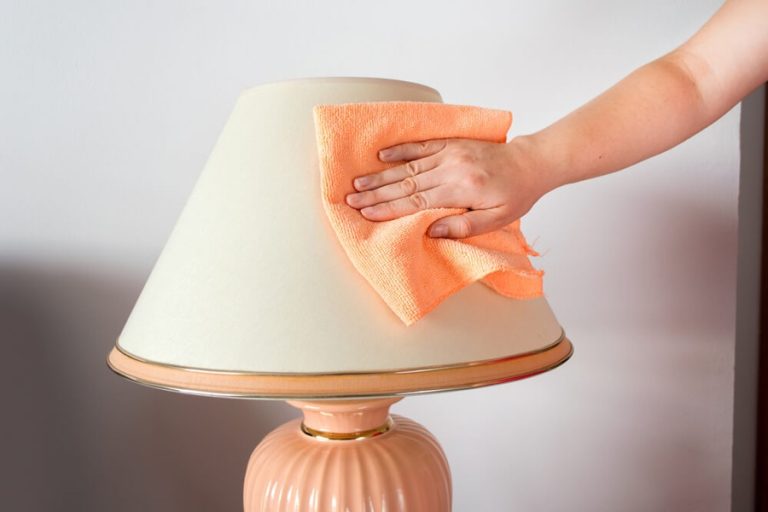
Lampshades accumulate dust while light switches are high-touch areas that collect oils from hands. - How to Clean Lampshades: Use a lint roller on fabric shades or wipe plastic/metal shades with a damp cloth.
- For Light Switches: Disinfect regularly with wipes containing alcohol-based cleaners.
Why Dust Accumulates in These Spaces
Many bedroom and living room items consist of fabric materials (e.g., cushions) that naturally attract particles like pet dander or pollen. Additionally, central air systems circulate airborne particles into these spaces unless filtered effectively. High-touch objects such as remotes or light switches rarely get disinfected unless specifically targeted during cleaning routines.
By incorporating these tips into your weekly cleaning schedule—and paying special attention to overlooked spots—you’ll maintain significantly healthier living environments in both bedrooms and living rooms without unnecessary effort. Prioritize consistent habits rather than waiting for visible messes so these areas remain tidy year-round.
Cleaning Methods for High-Traffic Areas
High-traffic areas in your home are the spaces that endure the most daily activity, such as hallways, entryways, kitchens, and living rooms. With constant movement and contact, these spaces are prone to accumulating dirt, bacteria, and allergens. Proper cleaning methods tailored to these areas can help maintain a cleaner home while reducing the spread of germs.
Understanding High-Traffic Areas
High-traffic areas often see:
– Frequent Foot Traffic: Shoes bring in dirt, debris, and outdoor contaminants.
– Constant Touchpoints: Doorknobs, light switches, railings, and furniture surfaces accumulate oils and bacteria from hands.
– Pet Activity: If you have pets, their fur and dander can add to the mess in these spaces.
– Food Spills: In places like kitchens or dining zones, spills contribute to sticky surfaces or stains.
Effective Cleaning Techniques
1. Floors
Floors in high-traffic zones require more frequent cleaning due to wear and dirt accumulation: – Vacuum carpets daily or at least several times a week using a vacuum with a HEPA filter to capture fine dust particles and allergens. – Mop hard floors (e.g., wood or tile) weekly with a mild cleaner suited for the material to remove grime. – For entryways with heavy shoe traffic: – Use durable floor mats both inside and outside doors. – Regularly clean these mats by shaking out debris or laundering them if washable.
| Surface Type | Cleaning Frequency | Recommended Products/Methods |
| Carpet | 3–4 times/week | HEPA filter vacuum |
| Hardwood | Weekly | pH-neutral floor cleaner |
| Tiles | Weekly | Mild all-purpose cleaner |
2. Frequently Touched Surfaces
Focus on sanitizing touchpoints that see constant contact:
– Wipe down doorknobs, cabinet handles, stair railings, appliance handles (refrigerators or microwaves), and light switches daily using disinfectant wipes or sprays. – For electronics such as remotes or tablets in shared spaces: – Use microfiber cloths lightly dampened with an alcohol solution (~70% isopropyl alcohol). – Avoid excessive liquid that can damage devices.
3. Upholstered Furniture
Soft furnishings can act as magnets for dust mites and bacteria:
– Vacuum sofas and chairs weekly using an upholstery attachment. – Spot-clean stains immediately using fabric-safe cleaners. – Consider steam-cleaning every few months for deeper sanitization.
Preventative Measures
To keep high-traffic areas clean longer:
– Establish a no-shoes policy indoors or provide slippers for guests.
– Encourage family members to wash hands regularly before touching shared surfaces.
– Place washable slipcovers on furniture when dealing with pets or young children to minimize wear-and-tear.
With consistency in cleaning practices paired with preventative measures like regular maintenance of furnishings and floors, you’ll find it easier to maintain cleanliness in even your busiest household spaces.
How to Create a Healthier and Cleaner Home Routine
Establishing a consistent and effective home cleaning routine can significantly reduce the spread of germs, allergens, and other harmful contaminants. A healthier home environment benefits not only your physical health but also your mental well-being. Below are practical tips and strategies to help you develop and maintain a cleaner home routine.
Assess Your Current Cleaning Habits
Before jumping into action, take some time to evaluate how you currently clean your home:
– Frequency: Are there areas you tend to clean less often than others (e.g., under furniture or behind appliances)?
– Methods: Are you using the appropriate tools and products for different surfaces?
– Time Management: Do you perform all your cleaning on one day, or is it spread out over the week?
By identifying gaps in your approach, you can create a more systematic plan.
Develop a Cleaning Schedule
| Frequency | Tasks |
| Daily | Wipe frequently touched surfaces (light switches, doorknobs), wash dishes, sweep floors |
| Weekly | Vacuum carpets/rugs, clean bathrooms (sink, toilet, shower), dust furniture |
| Monthly | Deep-clean appliances (oven, refrigerator), wash windows, clean behind large furniture |
Prioritize High-Traffic Areas
Spaces that see frequent use—like entryways, kitchens, and living rooms—require extra attention. Here’s how to keep these areas spotless:
– Entryways: Use doormats at every entrance to trap dirt from shoes before it enters your home. Consider instituting a no-shoe policy indoors.
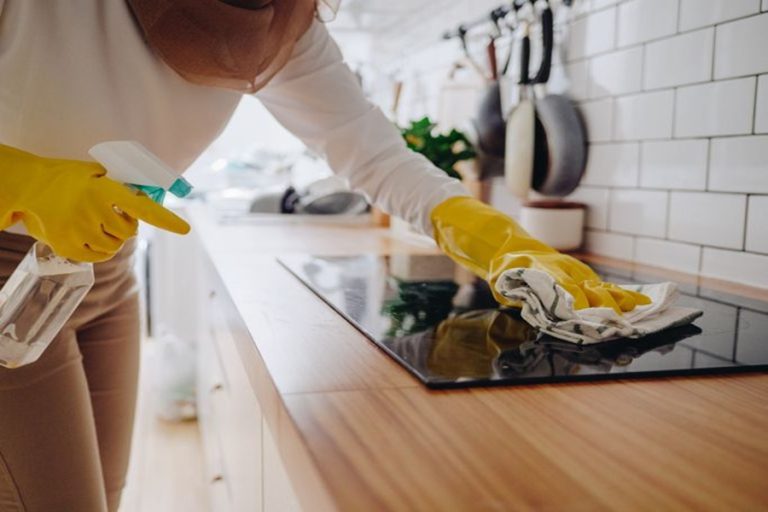
– Kitchen: Sanitize countertops after each meal prep session to prevent cross-contamination. Clean sponges frequently or replace them once they show signs of wear.
– Living Rooms: Dust electronics like remotes and game controllers regularly; these are often overlooked but harbor germs.
Select Eco-Friendly Cleaning Products
Using environmentally friendly products minimizes chemical exposure while still ensuring cleanliness. Look for options that are non-toxic and biodegradable. For example:
– Vinegar mixed with water works well as an all-purpose cleaner for glass surfaces or tiles.
– Baking soda can scrub away tough stains without scratches or harsh chemicals.
Create Habits Everyone in the Household Can Follow
A healthier home isn’t possible without everyone’s participation. Here’s how to involve all members of the household: – Assign specific tasks suited to each person’s age or schedule. – Keep cleaning supplies easily accessible so small messes can be addressed immediately. – Encourage regular handwashing habits—especially before meals or after returning from outside.
Regularly Replace Items Prone to Germ Build-Up
Some household items lose their effectiveness over time or accumulate bacteria even with regular cleaning: – Replace kitchen sponges every 1–2 weeks. – Launder reusable cloths like microfiber towels after each use. – Change bedding weekly for optimal hygiene.
Adopting these practices will help make maintaining a healthy home more manageable while ensuring every corner remains fresh and sanitized regularly.