Start With Blotting and Avoid Rubbing
When nail polish spills on your couch, it’s crucial to act quickly but carefully. The first step is to blot the affected area gently rather than rubbing it. Rubbing may cause the stain to spread further or push the polish deeper into the fabric, making it more challenging to remove.
Why Blotting Is Better Than Rubbing
Blotting focuses on lifting the nail polish from the surface without aggravating the stain.
– Push pigment deeper into fibers.
– Cause discoloration or damage to delicate fabrics like velvet or microfiber.
– Spread liquid nail polish across a larger area of your couch.
Instead, blot with an absorbent material such as:
– A clean white cloth or paper towel (white is important to avoid transferring dyes).
– An old, clean T-shirt you don’t mind discarding afterward.
How to Blot Effectively: Step-by-Step
- Assess the Damage:Look at how much nail polish has spilled and whether it’s wet or dry. This will determine how much blotting is needed before proceeding with other steps.
- Use an Absorbent Material:Gently press your material onto the stain without applying too much pressure. Let it absorb as much of the excess nail polish as possible.
- Work From Outside In:Start blotting at the edges of the stain and move inward toward its center—this helps contain it and prevents spreading.
- Replace When Necessary:If your cloth becomes saturated with nail polish, switch to a fresh section or grab another cloth entirely.
Stains You Shouldn’t Rub Under Any Circumstances:
Certain types of upholstery are particularly sensitive to damage caused by friction during cleaning attempts:
| Upholstery Material | Reason Not To Rub | Best Approach |
|———————|————————————–|——————————|
| Velvet | Fibers can mat down or fray | Use light dab movements only |
| Microfiber | May develop permanent spots | Use a soft touch while blotting | | Leather | Can scratch easily | Consult leather-specific cleaners or professionals |
Additional Tips for This Step:
- If you’re dealing with dried-up polish rather than fresh spills, skip this step and proceed straight to techniques designed for hardening or breaking down dry stains (e. g. , using ice).
- Do not add water during this phase because combining water with wet nail polish might encourage smudging instead of absorption.
By starting with blotting instead of rubbing, you’re giving yourself a better chance at successfully removing nail polish from your couch without causing further damage—setting up for success in subsequent cleaning steps outlined ahead in this guide.
Start With Blotting and Avoid Rubbing
When it comes to removing nail polish from your couch, one of the first and most important steps is to start with blotting. Acting quickly and carefully can make a significant difference in how easily the stain comes out.
Why Blotting Is Essential
Blotting is essential because it helps lift excess nail polish off the surface without pushing it further into the fabric fibers. Rubbing, on the other hand, can spread the stain, making it larger and more challenging to remove. Additionally, vigorous rubbing can damage delicate fabrics by roughening their texture or even causing discoloration.
How to Blot Properly
To successfully blot without causing further damage:
– Use a Clean Cloth or Paper Towel: Choose a white cloth or plain paper towel to avoid any dye transfer onto your couch.
– Pat Gently: Press down lightly on the stained area without scrubbing or smearing. This will help absorb as much of the wet polish as possible without spreading it.
– Work From the Outside In: Start blotting at the edges of the stain and gradually move inward. This technique prevents spreading and contains the mess within a smaller area.
Materials You Can Use for Blotting
| Material | Why It’s Effective |
| White cotton cloth | Non-abrasive, no color transfer |
| Microfiber towel | Absorbent and gentle on fabrics |
| Paper towels | Disposable and good for initial absorption |
Mistakes to Avoid When Blotting
Knowing what not to do while blotting is just as important as knowing how to do it correctly:
– Don’t Scrub Aggressively: Scrubbing can embed polish deeper into fabric fibers.
– Avoid Overwetting: Excessive moisture can weaken adhesive layers in certain upholstery types or lead to water stains once dried.No Colored Towels: Towels with dyes may bleed onto your furniture during cleaning.
By following these guidelines, you’ll set yourself up for success before moving on to more targeted techniques like hardening or using cleaning agents.
Peel Off Gel Polish
When dealing with gel nail polish on your couch, it can feel like a daunting task to remove it without damaging the fabric. Unlike traditional nail polish, gel can harden more firmly and adhere stubbornly to surfaces. However, with the right technique and tools, you can safely tackle this cleanup process while preserving the integrity of your furniture.
Understanding Gel Polish on Upholstery
Gel polish is designed to be durable and long-lasting on nails, which means it might bind tightly to fabric if spilled. Before proceeding, it’s crucial to assess the type of upholstery you’re working with—whether it’s microfiber, leather, or cotton—since each material responds differently to cleaning methods.
Step-by-Step Guide to Remove Gel Polish
- Check whether the gel nail polish is fully cured (hardened) or still wet.
- If wet, avoid spreading it further by blotting gently with a dry paper towel or cloth.
- For hardened spills, continue to the next steps.
- Use an ice cube wrapped in a small plastic bag to freeze or harden any residue still soft enough to work with. This step makes peeling safer and minimizes damage.
- Once hardened completely (either naturally or by chilling), try gently peeling off as much of the gel as possible using your fingernail or a flat-edged tool like a plastic scraper.
- Be careful not to use sharp objects like knives that could tear delicate fabrics.
- Perform a patch test before applying any cleaning agent such as acetone or rubbing alcohol directly onto your couch’s material.
- Dab a small amount onto an inconspicuous area of fabric first and inspect for discoloration or damage.
- Apply Spot Treatment for Stubborn Residue
If traces of gel remain after peeling: - Dampen a cotton swab with rubbing alcohol (or acetone for tougher stains) and lightly dab onto the affected area.
- Avoid oversaturating; too much liquid can seep deeper into upholstery fibers.
- Wash Fabric Safely
For fabric couches:- After treating the spot, wash gently using mild soap mixed in lukewarm water.
- Blot dry immediately using clean towels instead of air-drying fully, which may cause watermarks.
Table: Quick Reference for Gel Polish Removal
| Upholstery Type | Best Tools/Methods | Chemicals To Avoid |
| Leather | Plastic scraper + mild soap | Harsh solvents like acetone |
| Microfiber | Ice cubes + gentle peeling + spot treatment | Undiluted cleaning solutions |
| Cotton | Mild soap + damp cloth | Strong acids |
Important Precautions
- Always work from the outside edge of the stain toward its center when treating spots; this helps prevent further spreading.
- Never rub aggressively as it could push polish deeper into fibers or permanently damage delicate materials.
By following these steps carefully, you achieve effective cleanup while maintaining your couch’s original texture and color—proving that even tough spills can be managed skillfully with patience and attention!
Try Acetone
When dealing with nail polish stains on your couch, acetone can be a powerful tool for lifting the stain without causing damage—if used correctly. However, improper use of acetone can worsen the situation or damage certain fabrics.
Steps for Using Acetone Safely
- g. , under a cushion or along the back seam).
- This ensures the acetone won’t bleach or degrade the fabric.
- Gently blot over the nail polish stain, applying light pressure. Rubbing may spread the polish further and embed it deeper into the fibers.
- Start at the edges of the stain and work inward to prevent spreading. This method helps contain and lift pigment instead of dispersing it across a larger area.
- Apply acetone for short periods (no more than 10 seconds at a time) before blotting with a clean area of your cloth. Overexposure could harm delicate fabrics.
Materials That May Not Be Safe for Acetone Use
Acetone is not ideal for every material.
| Fabric Type | Risk When Using Acetone | Alternative Cleaning Agent |
|———————|————————————————————–|————————————————| | Leather | Can dry out or discolor leather surfaces | Mild soap mixed with water |
| Silk | May cause permanent staining or dissolve delicate fibers | Specialist fabric cleaner | | Synthetic Fabrics | Can melt materials like polyester or acrylic | Non-acetone remover |
If you’re uncertain about your fabric’s compatibility, it’s better to consult manufacturer guidelines before proceeding.
Alternatives if Acetone is Not Suitable
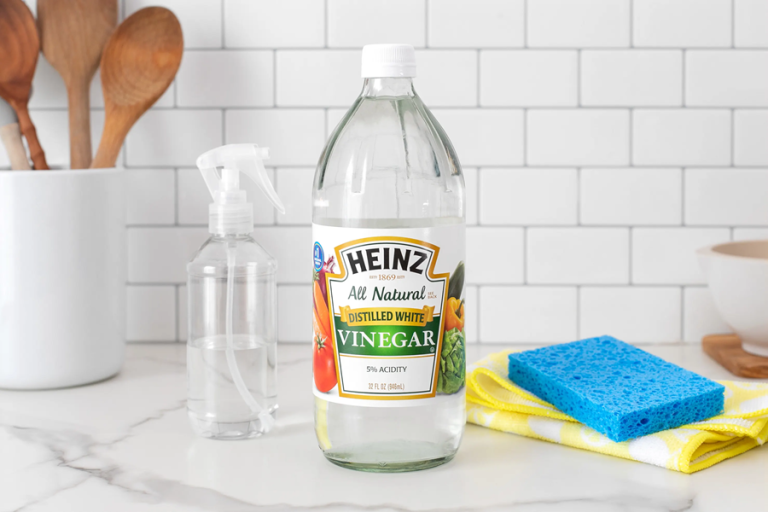
If testing reveals that acetone harms your couch material, consider these alternatives: – Non-Acetone Nail Polish Remover: A gentler solution for synthetic and delicate fabrics.Vinegar and Dish Soap Mix: Combine equal parts white vinegar and dish soap with warm water as an alternative cleaning solution.
Post-Cleaning Steps
After successfully removing the nail polish: – Use a damp cloth to wipe away any residual acetone. – Allow your couch to air dry fully before using again. – If necessary, condition leather upholstery after treatment to restore moisture lost during cleaning.
Following these steps ensures that you can effectively remove nail polish stains using acetone while minimizing risk to your furniture’s material quality.
Wash With Soap and Water
Once you’ve addressed the majority of the nail polish stain using methods like blotting, hardening with ice, or acetone (if appropriate for your couch material), it’s time to focus on gentle cleaning with soap and water. This step is crucial for removing any remaining residue while also refreshing the affected area. However, it’s important to approach this step carefully to avoid causing further damage to your furniture.
Why Soap and Water Work
Soap and water are effective for breaking down residual pigments or oils from nail polish, especially after you’ve removed the bulk of the stain. This method works best for fabrics that can handle light moisture and mild cleaning agents without becoming discolored or damaged.
Steps for Using Soap and Water on a Couch
- Opt for a mild dish soap, baby shampoo, or a fabric-safe detergent. Harsh cleaning agents could harm certain upholstery materials like velvet or suede.
- Avoid products containing bleach or strong chemicals unless specifically recommended by your couch manufacturer.
- Mix one teaspoon of your chosen soap into one cup of lukewarm water. Stir until suds form.
- Do not use hot water as it might set any leftover stain deeper into the fabric.
- This ensures the cleaning solution won’t cause discoloration or damage.
- Dip a soft, white cloth or sponge into the soapy water, wring out excess liquid, and dab gently onto the stained area.
- Avoid soaking the fabric with too much liquid—moisture should be minimal to prevent internal damage to cushioning material.
- Use a dry microfiber cloth or paper towel to absorb any excess moisture after dabbing with soapy water. Press firmly but gently onto the surface without rubbing.
- If traces of polish remain after one round of cleaning, repeat this process until satisfied with results.
Additional Tips for Success
- Avoid Over-Saturating:Too much water can lead to mold growth inside your couch cushions if they are not dried thoroughly afterward.
- Patience is Key:Rushing through this process could push stains deeper into fibers instead of lifting them out.
- Use Distilled Water:If you’re concerned about tap water leaving behind mineral deposits on delicate fabrics such as silk or velvet, use distilled water in your cleaning solution instead.
| Fabric Type | Special Considerations |
| Microfiber | Use minimal moisture; blot only |
| Leather | Follow up with leather conditioner |
| Velvet | Brush lightly after drying |
| Cotton/Linen | Test solutions rigorously beforehand |
By carefully implementing these soap-and-water techniques alongside other methods tailored specifically for removing nail polish stains from couches, you’ll achieve cleaner results without compromising your furniture’s integrity.
Additional Tips
When it comes to removing nail polish from your couch, the process can sometimes require a bit of trial and error depending on the type of fabric and the severity of the stain.
Test in an Inconspicuous Area
- This ensures you can assess whether the fabric reacts negatively, like discoloration or texture change.
Know Your Couch Fabric
Different materials require different care methods: – Leather:Avoid water-based solutions; instead, use specialized leather cleaners or rubbing alcohol applied sparingly.
– Microfiber:A mixture of rubbing alcohol and water works well here. Dab lightly using a clean white cloth to prevent dye transfer.
– Cotton/Polyester Blends:These fabrics tend to be more resilient; mild soap solutions often suffice for these surfaces.
Use Proper Tools
The tools you use can make a significant difference in both stain removal effectiveness and preventing damage:
– Soft Microfiber Cloths:Protect delicate fabrics while blotting or wiping up stains.
– Cotton Swabs:Perfect for targeting small areas without spreading the stain further.
– Soft-Bristle Brushes:Gently loosen dried polish without scraping or tearing fabric fibers.
| Tool | Best For | Notes |
| Microfiber Cloth | All types of upholstery | Helps avoid lint residue |
| Cotton Swabs | Precision cleaning | Use with acetone as needed |
| Soft-Bristle Brush | Removing dried polish on fabric | Avoid hard scrubbing |
Act Quickly
Fresh nail polish is always easier to manage than dried stains.
1. Address spills immediately by gently blotting (not rubbing) to lift excess polish before it sets into fibers.
2. Once dry, options like ice hardening or peeling may become necessary but tend to be less effective for fully absorbed stains.
Consider Professional Help
If you’re dealing with expensive furniture or stubborn stains that won’t budge after trying safe at-home methods:
– Reach out to professional upholstery cleaners who specialize in treating specific fabrics and tough stains. – Many pros also have access to commercial-grade solvents that may not be available for home use.
By following these additional tips alongside other techniques outlined above, you’ll have a comprehensive approach tailored for tackling nail polish stains safely and effectively while preserving your couch’s integrity.
Harden Dry Polish With Ice
When it comes to dried nail polish on your couch, the first step is to act carefully and avoid making the stain worse. One of the safest methods professionals recommend is hardening the polish with ice before attempting removal. This method works particularly well for fresh spills that have partially dried or fully hardened, as it prevents smearing while loosening the bond between the nail polish and fabric fibers.
Why Ice Works
- Freezing Effect: Ice rapidly cools down nail polish, solidifying it further and making it more brittle. This reduces its grip on fabric threads, allowing you to remove it more easily in chunks.
- Limits Spread: By solidifying the stain, ice minimizes the risk of smudging or spreading nail polish to unaffected areas of your couch.
Steps to Use Ice for Nail Polish Removal
Follow these steps to maximize results while protecting your couch material:
1.Prepare Your Materials: – A few ice cubes or an ice pack. – A plastic bag or thin cloth (to prevent water damage).
2.Apply Ice Over the Stain: – Place the ice cubes in a sealed plastic bag or wrap them in a thin cloth. – Gently press this over the nail polish stain for about 10–15 minutes. Avoid letting moisture from melting ice seep into your couch fabric, as water can complicate cleaning efforts on certain materials like suede or velvet.
- After sufficient cooling time, touch the edges of the dried polish lightly with your fingernail or a blunt tool (e. g. , a credit card). It should feel hard and no longer sticky.
- Using your fingernail or a soft-edged tool like a silicone spatula, carefully lift away chunks of hardened nail polish.
- Work from the edges toward the center to prevent accidental smearing.
- Tip: For delicate fabrics such as microfiber, avoid using excessive force that may damage fibers.
When Additional Methods Are Needed
While ice can help break down larger portions of dried nail polish stains, remnants may still remain embedded in fabric fibers. In these cases: – Follow up with another cleaning method from this guide—such as washing with soap and water—or consult a professional cleaner if you’re dealing with fine materials like silk upholstery. – Before proceeding with harsher solutions (e. g. , acetone), always conduct a spot test on an inconspicuous area of your couch to check for any adverse reactions.
| Advantages | Limitations |
| Safe for most fabrics | May not fully remove deeper stains |
| Prevents spreading | Requires gentle handling |
| Easy-to-use household item | Time-intensive process |
By properly using ice as part of your stain removal strategy, you can safely tackle stubborn dried nail polish without causing further damage to your furniture’s fabric.