Why Garlic Smell Sticks to Dishes and Cookware
Garlic’s potent aroma has a way of lingering on dishes and cookware, even after a thorough wash. This isn’t just frustrating; it can also impact the next meal you prepare. To understand why this happens, let’s delve into the science behind garlic’s smell and how it interacts with your kitchen tools.
The Science Behind Garlic Smell
Garlic contains sulfur compounds, particularly allicin, which are released when garlic is chopped or crushed. These compounds are what give garlic its distinctive aroma. While they’re great for enhancing flavor, they can also bind to materials in your kitchenware and become stubbornly trapped.
- Porous Surfaces: Materials like plastic, wood, and silicone are more susceptible to absorbing odors. Their microscopic pores trap sulfur molecules, making it hard to fully eliminate the smell.
- Oil Residue: Garlic’s natural oils play a role in spreading the odor to surfaces. If cookware or dishes aren’t thoroughly cleaned of grease or oil residue, they can hold onto that scent longer.
- Heat Activation: Heat amplifies garlic’s smell as it releases more volatile sulfur compounds. Cooking with garlic often means those compounds stick even more firmly to hot cookware.
Why Some Kitchen Materials Hold Odors More Than Others
| Material | Tendency to Absorb Odors | Why It Happens |
| Plastic | High | Porous surface traps small odor molecules |
| Silicone | High | Flexible material absorbs oils and smells |
| Wood | Moderate | Natural grain absorbs moisture and odors |
| Stainless Steel | Low | Non-porous but may trap traces of residue |
| Glass | Minimal | Non-porous surface resists odor absorption |
Factors That Contribute to Lingering Smells
- Improper Cleaning Techniques: Using cold water or not scrubbing thoroughly allows odor molecules to remain.
- Using Dishcloths That Absorb Odors: Reusing sponges or cloths without proper sanitation can spread smells rather than remove them.
- Leaving Dishes Unwashed for Too Long: The longer garlic residues sit on surfaces, the more embedded they become over time.
Understanding why garlic odors cling so persistently is key to tackling the issue effectively and ensuring your cookware smells fresh for every use.
Common Kitchen Items That Trap Garlic Odor
Garlic has a strong, pungent aroma that tends to linger on certain kitchenware, even after thorough cleaning. This odor sticks because garlic contains sulfur compounds, which are highly adhesive to porous and textured surfaces. Certain materials in your kitchen are particularly susceptible to retaining these compounds. Understanding which items are most at risk can help you address and prevent lingering odors more effectively.
Materials That Hold Garlic Odor
| Kitchen Item | Reason Odor Sticks |
| Plastic containers | Porous surface easily absorbs oils and sulfur compounds |
| Wooden utensils | Fibrous material soaks in residue from food |
| Silicone spatulas | Slightly porous texture traps oils and odors |
| Stainless steel cookware | Can absorb odors if scratched or improperly cleaned |
| Sponges | Retains water, oil, and food particles that harbor smells |
Why These Items Trap Smells
- Porosity: Materials like plastic or wood have microscopic pores where the oils from garlic can seep in. Over time, these oils oxidize, intensifying the smell.
- Oil Absorption: Garlic releases allicin when chopped or crushed—a compound that binds with fats and oils commonly left on dishware during cooking or cleaning.
- Surface Scratches: If your stainless steel pans or plastic containers have scratches or worn spots, these areas can trap tiny particles of garlic residue.
Tips for Identifying Problematic Items
- Take note of dishes or utensils that consistently retain odors after washing.
- Smell-test your cutting boards, spatulas, or mixing bowls immediately after use.
- Pay special attention to any visible discoloration on surfaces—this may indicate food residue is trapped.
Should You Replace These Items?
- Switching from plastic tupperware to glass storage containers with airtight lids.
- Using metal or ceramic utensils instead of wooden ones when preparing aromatic ingredients like garlic.
- Replacing old sponges with silicone scrubbers, which resist absorbing grease and odors.
Being mindful of how certain materials interact with strong-smelling foods like garlic will make it easier to target the source of persistent odor problems while extending the life of your kitchen tools.
Common Kitchen Items That Trap Garlic Odor
Garlic has a strong, sulfuric aroma that tends to linger on certain materials long after cooking or cleaning. Understanding which kitchen items are prone to absorbing and retaining this odor can make it easier to target the problem and eliminate it effectively. Here’s a closer look at the culprits.
Materials That Absorb Garlic Smell Easily
- Plastic:
Plastic containers, cutting boards, or utensils are highly porous. This means they easily absorb oils and sulfur compounds from garlic, making them prone to long-lasting smells. - Wood:
Wooden spoons, cutting boards, and spatulas naturally absorb moisture and oils due to their open grain structure. Over time, these materials can collect not just garlic smell but any strongly scented ingredient. - Silicone:
Silicone baking mats or utensils may seem non-stick but often trap odors in surface scratches or imperfections, especially if they’ve been exposed to high heat. - Stainless Steel:
While stainless steel is less likely to hold onto odors compared to wood or plastic, it can still pick up traces of garlic smell if not cleaned properly or if food particles remain trapped in crevices.
Why Some Materials Are More Prone
Material science plays an important role in how odors linger: – Porous surfaces (like wood and plastic) retain oils because their microscopic spaces make them harder to clean completely. – Non-reactive surfaces (like glass) tend to resist odor absorption because they lack pores for trapping substances. – Heat exposure exacerbates odor retention by opening up the material’s structure (especially true for silicone).
Kitchen Tools Most Often Affected
Certain everyday kitchen tools are frequent offenders when it comes to lingering garlic smells: 1. Cutting Boards – Both wooden and plastic versions absorb garlicky oils during chopping. 2. Knives – The microscopic grooves on knife blades can capture tiny amounts of residue that lead to persistent smells even after rinsing. 3. Storage Containers – Especially plastic ones where leftovers like garlic-heavy sauces have been stored. 4. Cooking Utensils – Wooden spoons, spatulas, silicone scrapers often retain odors from sautéing or stirring garlicky dishes.
Comparison Table: Material Susceptibility
| Material | Porosity Level | Likelihood of Odor Retention | Ease of Cleaning |
| Plastic | High | Very High | Moderate |
| Wood | High | High | Moderate |
| Silicone | Moderate | Medium | Easy |
| Stainless Steel | Low | Low | Very Easy |
| Glass/Ceramic | Very Low | Minimal | Extremely Easy |
How Understanding This Helps You
Knowing which items are most likely to trap garlic odor allows you to: 1. Choose materials like stainless steel or glass for tasks involving strong-smelling foods whenever possible. 2. Use targeted cleaning strategies—like scrubbing with natural deodorizing agents—for porous items such as wooden cutting boards. 3. Prioritize regular deep-cleaning methods for materials that hold onto scents longer.
By identifying the common culprits in your kitchen that harbor lingering odors, you’ll be better prepared not only for cleaning but also for preventing future issues with stubborn smells caused by cooking ingredients like garlic.
Step-by-Step Ways to Eliminate Garlic Odor Quickly
Garlic is a flavorful ingredient, but its strong aroma can linger on your dishes and cookware long after the meal is over. Removing garlic odor effectively requires a targeted approach. Below is a detailed, step-by-step guide to eliminating garlic smell quickly from your kitchen items using simple methods and practical tools.
1. Wash Immediately After Use
One of the most effective ways to prevent garlic odors from setting into your dishes and cookware is to clean them right away. The longer garlic residue remains in contact with surfaces, the harder it becomes to remove.
- Rinse off any leftover food or sauce immediately after eating.
- Use warm water and dish soap for an initial scrub.
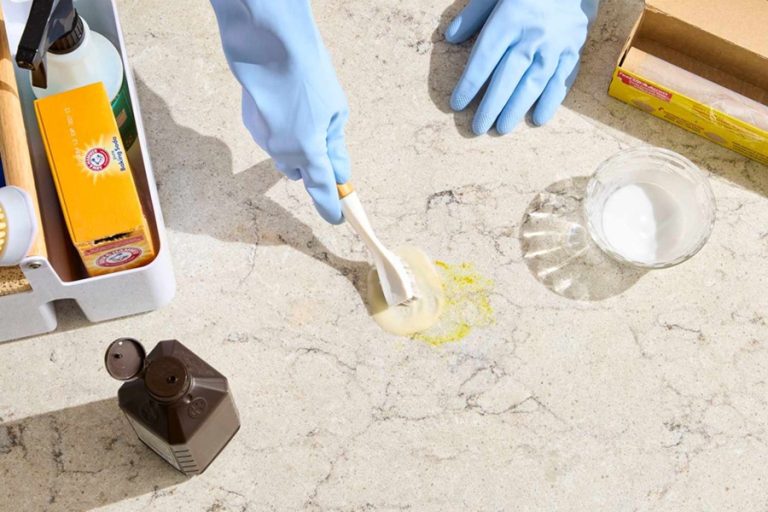
2. Pre-Treat with Baking Soda
Baking soda is excellent for neutralizing odors because it absorbs smells rather than masking them.
- Sprinkle baking soda generously onto the affected surfaces.
- Add a few drops of water to create a paste if needed for cookware or cutting boards.
- Let it sit for 15–20 minutes before rinsing or scrubbing with a sponge.
3. Use Vinegar as a Natural Deodorizer
White vinegar’s acidity helps break down oils in garlic that cause lingering odors.
- Mix equal parts white vinegar and warm water in a cleaning bowl.
- Soak the affected dishes, utensils, or cookware for at least 30 minutes.
- Wash thoroughly with dish soap afterward to remove any residual vinegar smell.
4. Scrub with Lemon Juice
Lemon juice acts as both an acidic cleaner and an odor neutralizer due to its natural citrus oils.
- Squeeze fresh lemon juice directly onto stubborn areas (e.g., cutting boards or pans).
- Allow it to sit for at least 10 minutes before scrubbing with a brush or sponge.
- For extra cleaning power, sprinkle salt on the surface before adding lemon juice. The salt will act as an abrasive while the lemon deodorizes.
5. Dish Detergent Booster: Add Salt
Table salt can enhance traditional dishwashing techniques by helping lift greasy residues where garlic odors tend to cling.
- Before washing by hand, rub coarse salt over problem areas like knives, pots, pans, or plates.
- Rinse off excess salt under running water before applying dish detergent and scrubbing normally.
| Ingredient | How It Works | Best Used On |
| Baking Soda | Absorbs odors | Cookware, plates, glasses |
| White Vinegar | Cuts through grease; neutralizes smells | Pots, pans, utensils |
| Lemon Juice | Natural deodorizer; acidic cleaner | Cutting boards, knives |
| Salt | Acts as mild abrasive; removes residues | Pans, knives |
6. Try Boiling Water for Cookware
- Fill the pan halfway with water and bring it to a boil.
- Add one tablespoon of baking soda or white vinegar directly into the boiling water.
- Let it simmer for about five minutes before washing as usual. This method helps loosen stuck-on residue while neutralizing odor-causing oils.
7. Thoroughly Air-Dry Dishes
- Place dishes on a drying rack in an area with good airflow rather than stacking them while damp.
- Residual moisture can trap smells; allowing items to air-dry completely ensures no odors remain locked into surfaces.
By following these steps methodically, you can eliminate stubborn garlic smells efficiently without resorting to harsh chemicals or expensive cleaners. Each approach targets lingering residues differently but works together toward one goal: fresh-smelling kitchen tools ready for their next use.
Mistakes That Make Garlic Smell Harder to Remove
When it comes to dealing with lingering garlic odor on your dishes and cookware, certain missteps can unintentionally worsen the problem. Understanding these common mistakes can help you avoid making the situation more frustrating and ensure faster, more effective removal of the odor.
Using Hot Water Immediately
- While hot water is often the go-to for washing greasy dishes, it can work against you when tackling garlic odors. Heat opens up the pores of materials like plastic, silicone, or even some types of metal cookware. This allows garlic compounds to penetrate deeper and makes them harder to remove.
- Instead, rinse items with cool or lukewarm water initially to prevent odors from setting in.
Neglecting Proper Pre-Rinsing
- Failing to rinse off residual garlic before putting items into a dishwasher is another common mistake. Garlic particles left on plates or utensils can transfer their smell throughout the dishwasher—and even onto other clean dishes.
- Always scrape or wipe off visible bits of food and rinse with cool water before washing.
Overusing Regular Dish Soap
- While regular dish soap works well for general cleaning, it isn’t always effective at breaking down the sulfur compounds in garlic that cause its strong odor. Using dish soap alone may leave trace smells behind.
- Supplement dish soap with natural deodorizing agents like baking soda or white vinegar for better results.
Ignoring Porous Surfaces
- Materials like wood (e.g., cutting boards), silicone spatulas, and plastic containers tend to absorb odors more easily than nonporous surfaces such as stainless steel. Ignoring these items during your cleanup routine allows smells to linger.
- Treat porous items separately using targeted cleaning methods like soaking in vinegar or scrubbing with salt.
Letting Dishes Sit Too Long
- Allowing used dishes and cookware containing garlic residue to sit unwashed for extended periods gives odors more time to embed themselves into surfaces.
- Wash dishes promptly after use or at least soak them in a baking soda solution while you prepare for full cleaning later.
| Mistake | Why It Worsens Odor | Recommended Action |
| Using hot water immediately | Opens material pores | Start with cool/lukewarm water first |
| Skipping pre-rinsing | Transfers odor in dishwasher | Rinse away visible particles first |
| Relying solely on dish soap | Leaves sulfur compounds behind | Use additional deodorizing solutions |
| Overlooking porous materials | Absorbs odors long-term | Clean porous surfaces separately |
| Leaving dirty dishes too long | Allows smells to set | Wash immediately or pre-soak |
Using Strong Chemical Cleaners Incorrectly
- While chemical cleaners might be tempting for tough smells, some products can react poorly with certain cookware materials (e.g., cast iron or nonstick pans) or leave behind their own chemical scents that mix unpleasantly with garlic.
- Stick with safe, natural alternatives such as lemon juice, vinegar, or baking soda for odor removal.
By avoiding these common pitfalls and adopting smarter cleaning strategies, you’ll make it much easier to banish stubborn garlic smells from your kitchen items effectively and efficiently.
Mistakes That Make Garlic Smell Harder to Remove
Using Hot Water Too Soon
While hot water is often a go-to for cleaning greasy or hardened food residue, using it on garlic-contaminated surfaces can spread the odor further into porous materials like wooden cutting boards or plastic containers. Heat opens up the pores in these materials, allowing garlic compounds like allicin to sink in deeper. Instead:
– Start with cold water: Rinse dishes and cookware with cold or lukewarm water first to remove surface residues before switching to hot water for thorough cleaning.
Overlooking Porous Materials
Porous materials such as wooden utensils, cutting boards, silicone spatulas, and plastic containers absorb odors more readily than non-porous items like stainless steel or glass. Failing to treat porous surfaces properly may leave them smelling like garlic for weeks.
– Be proactive: Use dedicated cutting boards and utensils for pungent ingredients like garlic and onions whenever possible. – Treat porous items with targeted methods: For example, rubbing them with coarse salt or baking soda can help lift trapped odors from wood or plastic.
Neglecting Regular Maintenance
Allowing traces of garlic residue to build up over time makes removing odors much harder. This is especially true if cookware or utensils are not properly cleaned after use. Avoid these issues by maintaining a consistent cleaning routine:
– Wash items immediately after cooking with garlic. – Pay special attention to hard-to-reach areas such as seams in knives or lids of blender jars.
Using Harsh Chemicals Incorrectly
Resorting to harsh chemical cleaners may seem effective but can sometimes do more harm than good if used improperly. Excessive use of bleach, for instance, isn’t always necessary and could damage certain materials over time (e.g., wood or non-stick coatings). Instead: – Stick with natural odor removers (like vinegar or lemon). – Use chemicals only when absolutely needed—and follow directions carefully.
Skipping Targeted Rinses
Many people assume one quick rinse will remove all traces of smell from their cookware. However, skipping targeted rinses—especially when dealing with strong-smelling foods—can lead to persistent odors that transfer onto other meals later on: – Rinse items thoroughly right after cooking. – Consider soaking items prone to trapping smells (e.g., lids/seals) in vinegar-water solutions before washing.
By understanding these common mistakes and addressing them head-on, you’ll be better equipped not only to eliminate lingering smells but also prevent them from becoming recurring nuisances in your kitchen setup.
How to Prevent Garlic Odor From Lingering in the Future
Garlic can elevate any dish with its bold flavor, but the lingering smell it leaves behind on dishes and cookware can be frustrating. Fortunately, there are proactive steps you can take to prevent garlic odors from clinging to your kitchen items in the first place. By adopting some simple habits and making intentional choices, you can minimize the effort required to remove these odors after cooking.
Proper Cleaning Routine Right After Use
One of the easiest ways to prevent garlic odor from sticking is by cleaning your dishes and cookware immediately after use. When garlic residue is left sitting for too long, it has more time to seep into porous materials or stick stubbornly to surfaces.
- Scrape Off Food Residue: Start by removing all traces of food from your cookware right after cooking.
- Use Hot Water: Rinse thoroughly with hot water before washing. Heat helps loosen oils and strong-smelling compounds.
- Wash Promptly: Use a grease-cutting dish soap designed for removing food odors.
Choose Non-Porous Kitchen Materials
Certain materials are more prone to absorbing strong food smells like garlic. Investing in non-porous cookware and utensils can help reduce odor retention over time.
| Material Type | Odor Absorption Level | Best Practices |
| Plastic containers | High | Avoid storing garlic-heavy foods long-term |
| Stainless steel | Low | Clean promptly; great for resisting odors |
| Silicone utensils | Moderate | Wash quickly to avoid lingering smells |
| Glass or ceramic dishes | Very low | Ideal for storage and serving |
Incorporate Preventative Measures While Cooking
Preventing garlic odor starts during meal preparation. A few small steps at this stage can significantly reduce how much smell clings to your cookware later.
- Use Parchment Paper or Foil: Line baking sheets or roasting pans when cooking fragrant ingredients like garlic. This acts as a barrier between the food and your bakeware.
- Cook Garlic Last When Sautéing: Adding garlic earlier in recipes may lead it to burn onto pans, creating a stronger smell that’s harder to eliminate later.
- Ventilate Your Kitchen: Proper airflow ensures fewer odors settle on surfaces and tools during cooking.
Store Leftovers Smartly
When storing dishes containing garlic-heavy ingredients, opt for airtight containers made of glass or stainless steel rather than plastic, which tends to trap smells.
- Ensure lids seal tightly.
- Avoid storing food with raw garlic for prolonged periods as its pungency intensifies over time.
Regular Maintenance Habits
- Soak frequently used utensils in a mixture of vinegar and water once a week.
- Scrub cutting boards with baking soda and lemon juice regularly.
- Dry all items completely before putting them away—moisture can amplify lingering smells.
- Occasionally deodorize sponges or dishcloths with white vinegar or boiling water.
Adopting these strategies not only saves time scrubbing but also ensures that every item in your kitchen stays fresh and ready for use without unwanted traces of past meals.