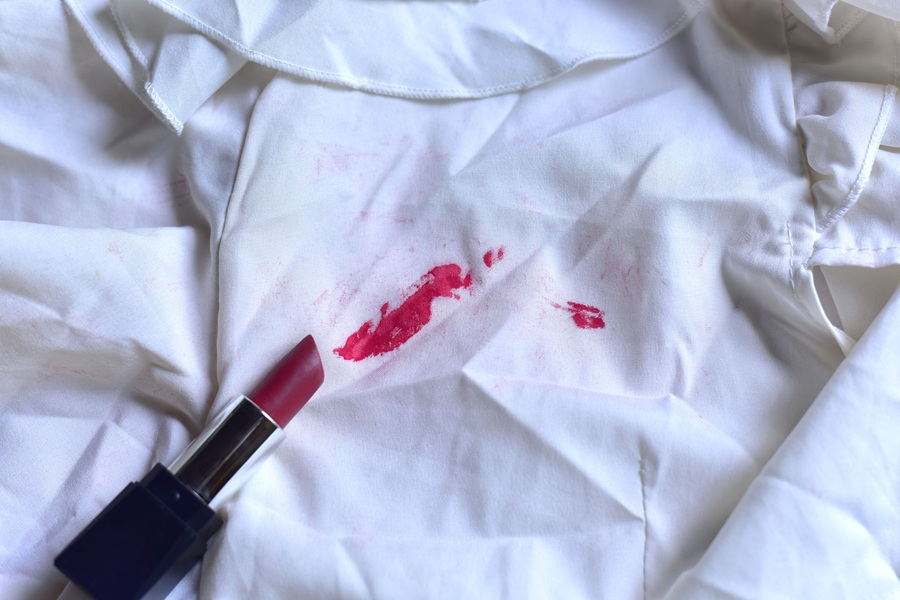
Why Lipstick Stains Are Difficult to Remove
The Composition of Lipstick
Lipstick typically contains the following ingredients: – Oils and Waxes: These help the lipstick glide smoothly and stay in place. Unfortunately, they also make it sticky and prone to leaving behind greasy marks on fabric. – Pigments: The intense color in lipsticks comes from pigments, which are highly concentrated and designed for long wear. These pigments can seep into fabric fibers, making removal harder. – Emollients: Added for hydration, emollients enhance the creamy texture but contribute to the stain’s resistance against water-based cleaning methods.
This combination of oil-based and pigment-heavy components requires specific cleaning techniques beyond standard washing.
How Lipsticks Bond with Fabrics
Lipstick adheres strongly due to: 1. Heat Activation: Body heat can melt lipstick slightly, causing it to set deeper into fibers when transferred onto clothing. 2. Porous Fibers: Fabrics like cotton or linen tend to absorb oily substances quickly, locking in the stain. 3. Friction: Rubbing or blotting a fresh stain often spreads the pigment rather than removing it.
Challenges Across Different Fabric Types
The type of fabric also determines how stubborn a lipstick stain might be: – Delicate fabrics (e.g., silk): Require gentle handling as harsh chemical cleaners can damage them while failing to lift the stain entirely. – White fabrics: Show stains prominently, amplifying discoloration if not treated properly. – Dark or colored fabrics: May risk fading or color transfer when aggressive cleaning agents are used.
Why Standard Cleaning Methods Often Fail
Traditional laundering methods (like tossing stained clothes straight into the washing machine) rarely work well on lipstick stains due to: – Lack of pretreatment for oil-based components. – Use of water-based detergents that don’t break down oils effectively. – Heat from dryers setting residual stains permanently into fabric.
Understanding these challenges is essential before attempting any cleaning method. With proper techniques tailored for both the type of fabric and lipstick’s unique properties, it becomes easier to get rid of these frustrating marks without risking further damage.
What to Do Immediately After a Lipstick Spill
Acting quickly after a lipstick stain occurs is essential to avoid the pigment from setting into the fibers of your clothing. Lipstick contains oils, waxes, and intense pigments that can bond tightly with fabric over time. By following these immediate steps, you can significantly improve your chances of removing the stain entirely.
Step 1: Remove Excess Lipstick
- Avoid rubbing the stain, as this can push the pigment deeper into the fabric and cause spreading.
- Instead, use a dull edge (such as a butter knife or credit card) to gently lift any excess lipstick from the surface of the material.
- Work from the outer edges toward the center to prevent enlarging the stained area.
Step 2: Blot Gently
- Use a clean white cloth or paper towel to blot—never rub—the stained spot.
- Blotting will help absorb some of the oils and pigments without embedding them further into the fibers.
Step 3: Avoid Water-based Solutions Initially
Lipstick stains are oil-based, so applying water directly in this stage may not be effective for breaking down these components. Instead:
– Opt for an absorbent powder like talc or cornstarch to sprinkle over the stain if you’re unable to treat it immediately. These powders can help soak up some of the oil temporarily until proper cleaning is possible.
Step 4: Test First Before Applying Cleaners
Before treating with any cleaning product:
1. Test it on an inconspicuous area of fabric (like an inside seam) to ensure it won’t damage or discolor your garment. 2. Be cautious with delicate materials like silk or wool and consider professional cleaning services if necessary.
Do’s and Don’ts Immediately After a Spill
| Do | Don’t |
| Gently scrape off excess lipstick | Rub or scrub aggressively |
| Use clean white towels or cloths when blotting | Use colored towels that may transfer dye |
| Act promptly before stain sets in | Delay treatment which allows stains to dry |
By addressing lipstick stains early and minimizing disruptions to fabric fibers during initial cleanup efforts, you set yourself up for better results when moving on to more intensive treatments later. Always handle delicate clothing carefully during these steps to avoid unintended damage while tackling fresh stains effectively.
Best Methods for Removing Lipstick from Fabric
Getting lipstick stains out of fabric requires a strategic approach and the right materials. The key is to act quickly and use methods suited to the fabric type. Below are some of the most effective methods you can rely on, with step-by-step instructions for optimal results.
1. Blot, Don’t Rub
The first rule in tackling any lipstick stain is to blot gently rather than rub. Rubbing can push the stain deeper into the fibers or even spread it over a larger area. Here’s how to properly blot:
– Use a clean, white cloth or paper towel (colored fabrics may bleed).
– Lightly dab at the stain to lift off as much residue as possible.
This step helps reduce the amount of lipstick oil or pigment before applying cleaning solutions.
2. Use Dish Soap and Warm Water
Dish soap is highly effective at breaking down oils found in most lipsticks.
Steps:
1. Mix one teaspoon of mild dish soap with one cup of warm water in a small bowl. 2. Dip a clean white cloth into this solution and gently work it into the stained area using circular motions. 3. Let it sit for 5-10 minutes. 4. Rinse with cold water and check if the stain has faded; repeat if necessary.
3. Apply Rubbing Alcohol (for Stubborn Stains)
For tough stains, rubbing alcohol works well as it dissolves oil-based pigments without damaging most fabrics when used correctly:
Steps:
1. Dampen a cotton ball or soft cloth with rubbing alcohol (70% isopropyl alcohol works best).
2. Gently dab at the stain—avoid saturating the fabric as too much liquid can spread the pigment further. 3. Rinse thoroughly with cold water.
Note: Test rubbing alcohol on an inconspicuous area of delicate fabrics before applying it to avoid discoloration.
4. Try Makeup Remover Wipes
Makeup remover wipes are designed to dissolve makeup particles like lipsticks while being gentle on skin—and they can work similarly on clothes:
– Choose an oil-free makeup remover wipe for better results. – Blot at the stain gently, ensuring you don’t press too hard. – Follow up by rinsing under cold water and laundering as usual.
5. Use White Vinegar Solution
Vinegar’s natural acidity helps break down stubborn stains without causing damage: Steps:
1. Mix equal parts white vinegar and lukewarm water in a spray bottle or bowl. 2. Apply directly onto the affected area using a sponge or spray nozzle. 3. Let sit for about 10 minutes before rinsing thoroughly.
6. Baking Soda Paste
Baking soda acts as both an absorbent and gentle abrasive that can lift stains without harsh chemicals: Steps: 1. Make a paste by mixing baking soda with enough water until it forms a thick consistency. 2. Spread over the lipstick mark and let it sit for at least 15 minutes. 3. Scrub lightly using an old toothbrush or microfiber cloth before rinsing off completely.
| Method | Best For | Cautions |
| Dish Soap & Warm Water | General use | Avoid hot water; heat sets stains |
| Rubbing Alcohol | Oil-based lipsticks | Test on delicate/colored fabrics beforehand |
| Makeup Remover Wipes | Fresh smudges | May not work effectively on older/dried stains |
| White Vinegar Solution | Stubborn & set-in marks | Avoid dark-colored vinegars |
| Baking Soda Paste | Gentle cleaning for fragile fabrics | May require longer soaking time |
By following these targeted approaches tailored to different situations, you’ll improve your chances of removing lipstick from clothing effectively while preserving your fabric’s appearance and integrity.
How to Treat Delicate, White, and Colored Clothing
Different fabrics and colors require specific care when removing lipstick stains. Treating delicate, white, and colored clothing the right way can save garments from damage or discoloration. Below are tailored strategies for each type of clothing to ensure optimal results while protecting your garments.
Delicate Fabrics
- Blot Gently: Use a clean white cloth or paper towel to blot (not rub) the stain and remove any excess lipstick. Rubbing can push the pigment deeper into the fibers.
- Use Mild Detergents: Mix a small amount of gentle liquid detergent with cool water. Avoid strong cleaners that might degrade delicate fibers.
- Spot Clean Only: Dab the stained area gently with a sponge soaked in the detergent solution. Do not soak the entire garment if it isn’t washable.
- Test First: Before applying any cleaning solution, test it on an inconspicuous area of the garment to ensure it won’t damage the fabric or cause discoloration.
For silk specifically:
Consider using a silk-safe cleaner or consult professional dry cleaning services if you’re unsure about treating it yourself.
White Clothing
Lipstick stains on white clothing can be particularly noticeable and challenging since pigment can leave behind faint traces even after cleaning. The goal here is to lift the stain without yellowing or damaging the fabric.
- Treat Immediately: Fresh lipstick stains are easier to remove. Blot away excess first with tissue or a cloth.
- Use Baking Soda Paste: Combine baking soda with water to form a paste. Apply this directly onto the stain and allow it to sit for 15 minutes before gently rinsing off with cool water.
- Hydrogen Peroxide (for Stubborn Stains): For tough stains on whites only, dab hydrogen peroxide directly onto the spot using a cotton swab. Let sit briefly before rinsing thoroughly.
- Caution: Hydrogen peroxide has bleaching properties; do not use this method on colored fabrics.
Colored Clothing
For colored garments, care must be taken not to fade colors while lifting out lipstick stains.
- Cold Water Rinse: Start by rinsing the back of the stain under cold running water to flush out as much of the lipstick as possible without setting it further.
- Vinegar Solution: Mix one part distilled white vinegar with two parts water. Apply this mixture sparingly using a soft cloth or sponge.
- Pro Tip: Avoid scrubbing too hard as vigorous rubbing may cause color bleeding in some fabrics.
- Liquid Dish Soap Trick: Apply a few drops of clear (non-colored) dish soap directly onto the stain and work it in gently before rinsing thoroughly.
For dark-colored garments:
Always test any solution on an unseen part of your clothing first to prevent accidental fading.
Additional Notes for All Fabric Types
| Fabric Type | Best Cleaning Agent | Key Precaution |
| Silk & Lace | Gentle detergent/silk-safe cleaner | Do not soak entire garment |
| Cotton/Polyester | Baking soda paste/liquid dish soap | Use minimal scrubbing |
| Wool & Cashmere | Mild wool detergent/vinegar-water | Never wring; air-dry flat |
By tailoring your approach based on fabric type and color, you can effectively treat lipstick stains while preserving your garment’s integrity and appearance.
Mistakes That Can Make Lipstick Stains Worse
Removing lipstick stains can be tricky, and improper handling often exacerbates the problem. Understanding what not to do is just as important as knowing how to treat the stain. Below are some common mistakes to avoid when tackling lipstick stains on clothing and why they can make matters worse.
Scrubbing the Stain Vigorously
- Push the pigment deeper into the fabric fibers, making it harder to clean.
- Spread the stain, increasing its size and making removal more challenging.
- Damage delicate fabrics such as silk or lace by disturbing their natural weave.
Instead of scrubbing, blot gently with a clean cloth or paper towel to lift excess product without spreading it further.
Using Hot Water Immediately
Applying hot water directly onto a fresh lipstick stain may seem like an intuitive step, but heat often sets stains into fabrics. This happens because:
– Lipstick contains oils and waxes that solidify when exposed to heat. – Dyes in the lipstick bond more strongly with fibers under high temperatures.
To avoid this mistake, always use cold or lukewarm water for initial treatment. Hot water should only be used later if advised by a specific removal method for that fabric type.
Delaying Treatment
Waiting too long to address a lipstick stain allows it to settle deeper into fibers, making removal significantly harder. Procrastination also increases the risk of permanent discoloration, especially on light-colored fabrics. To minimize damage: – Act quickly by blotting or gently scraping off any excess product as soon as possible. – Pre-treat stains promptly before laundering.
Using Harsh Chemicals Without Testing First
Reaching for strong cleaning agents like bleach or acetone without testing them on your clothing first can result in irreversible damage such as: – Fabric discoloration, especially on colored or patterned garments. – Weakened fibers, causing thinning or holes over time.
Always spot-test cleaning products on an inconspicuous area of your garment before applying them directly to the stained area.
Overloading Washing Machines
Throwing stained clothing into a crowded washing machine might sound efficient but can worsen the situation: – The friction from other garments could spread pigment across multiple items. – Insufficient space prevents proper agitation, reducing detergent effectiveness against stains.
When dealing with stained clothing, wash smaller loads or treat items individually to ensure thorough cleaning.
Ignoring Fabric Care Instructions
Each fabric type has unique care requirements, and ignoring these guidelines could lead to unintended consequences such as shrinkage, fading, or worsening stains. Always check: 1. The garment’s care label for washing temperature recommendations. 2. Whether dry-cleaning is required instead of home washing methods. 3. If specific materials (e.g., wool or silk) require special products like gentle detergents.
Using Dryer Before Confirming Stain Removal
If traces of lipstick remain after washing, avoid putting your garment in the dryer—the heat from dryers can set residual pigments permanently into fabric. Instead: 1. Inspect the clothing after washing for any remnants of staining. 2. Repeat pre-treatment methods if necessary before air drying or tumble drying at low temperatures (if permitted).
By steering clear of these common missteps and paying attention during each stage of treatment, you’ll greatly improve your chances of restoring stained clothes successfully without causing additional harm.
Mistakes That Can Make Lipstick Stains Worse
Lipstick stains can be tricky to handle, and improper treatment can make the problem worse. Knowing what not to do is just as important as understanding the right steps for removal. Here’s a look at common mistakes that can exacerbate the stain and how to avoid them.
Rubbing the Stain Aggressively
One of the most common mistakes people make is rubbing the stained area too hard. This often causes the pigment from the lipstick to embed deeper into the fibers of the fabric, making it even harder to remove.
- Why it’s a problem: Rubbing spreads the stain and sets it further into the material.
- What to do instead: Blot gently with a clean cloth or paper towel to absorb excess lipstick without pushing it further into the fabric.
Using Hot Water Too Soon
Hot water can cause lipstick stains, especially those containing oils or waxes, to set permanently into clothing.
- Why it’s a problem: Heat bonds oil-based components of lipstick to fabric fibers.
- What to do instead: Use cold water for initial treatment. Hot water should only be used after most of the stain has been successfully lifted.
Applying Bleach Without Testing
Bleach might seem like an easy solution, but it isn’t always safe for all fabrics or colors. Using bleach without testing can lead to discoloration or damage.
- Why it’s a problem: Bleach can weaken fibers, cause spots on colored garments, or damage delicate fabrics like silk or wool.
- What to do instead: Always test bleach on an inconspicuous area first. For colored clothing, opt for oxygen-based bleach over chlorine bleach.
Skipping Pre-Treatment Products
Some people throw stained clothes directly into the washing machine without using any pre-treatment method. This often results in poor stain removal because laundry detergents alone may not break down lipstick formulas effectively.
- Why it’s a problem: Most lipsticks are formulated with oils, waxes, and pigments that need specialized attention before laundering.
- What to do instead: Use pre-treatment products such as liquid detergent or stain removers designed for oily substances before washing.
Allowing Stains To Sit Too Long
Delaying action after noticing a lipstick stain is another frequent mistake. The longer you wait, the harder it becomes to remove because stains dry and bond more tightly with fabric over time.
- Why it’s a problem: A set-in stain may require multiple treatments or result in permanent discoloration.
- What to do instead: Address lipstick stains as soon as possible by blotting excess residue and starting pre-treatment immediately.
Overloading Detergent
It might seem counterintuitive, but using too much detergent while treating stained clothing often backfires. Excess detergent creates buildup on fabric while trapping residual pigment particles within its layers.
- Why it’s a problem: More soap doesn’t necessarily mean better cleaning; in fact, leftover detergent residue may lock in certain types of stains.
- What to do instead: Follow packaging instructions for proper amounts of detergent based on load size and soil level; don’t overdo it.
Ignoring Care Labels
Each garment comes with care instructions that are critical when dealing with tough stains. Neglecting these guidelines could worsen damage during cleaning attempts.
- Why it’s a problem: Washing clothes incorrectly—such as machine-washing items meant for handwashing—can lead to shrinkage, fiber weakening, or even setting stains further.
- What to do instead: Always check care labels before beginning any cleaning process and choose methods appropriate for your fabric type (e.g., dry clean only).
| Mistake | Consequence | Recommended Action |
| Rubbing aggressively | Spreads and deepens stain | Blot gently |
| Using hot water prematurely | Sets oils and waxes | Start with cold water |
| Skipping pre-treatment | Ineffective washing | Use targeted products before laundering |
| Overloading detergent | Residue build-up | Use correct amount per instructions |
| Ignoring garment care labels | Fabric damage | Follow care label instructions |
By avoiding these common pitfalls during cleanup, you’ll increase your chances of successfully removing even stubborn lipstick stains while protecting your clothes from unnecessary wear and tear.
Mistakes That Can Make Lipstick Stains Worse
Removing lipstick stains from clothing can be tricky, and certain mistakes can make the process even harder. These errors can lead to permanent discoloration or set-in stains that are nearly impossible to remove. Avoiding these common pitfalls will help preserve your clothes and increase your chances of successfully eliminating lipstick marks.
Scrubbing the Stain Aggressively
- Why it’s a mistake: Scrubbing lipstick stains too hard can push the pigments deeper into the fabric fibers, making them harder to remove. This is especially problematic for delicate or porous materials like silk or linen.
- What to do instead: Gently blot the stain with a clean cloth or paper towel, working from the edges of the stain toward the center to prevent spreading.
Using Hot Water on the Stain
- Why it’s a mistake: Hot water can cause certain components in lipstick—especially oil-based ones—to bond more tightly with fabric fibers, effectively “setting” the stain.
- What to do instead: Always use cold water when treating a fresh lipstick stain. Cold water helps keep oils and pigments from absorbing into the material further.
Ignoring Fabric Care Labels
- Why it’s a mistake: Different fabrics require specific cleaning methods, and ignoring care labels can lead to shrinkage, fading, or further damage during treatment. For instance, wool may require dry cleaning while cotton might allow for home remedies.
- What to do instead: Check fabric care instructions before applying any cleaning agents or laundering your garment.
Applying Too Much Cleaning Product
- Why it’s a mistake: Oversaturating an area with detergent, stain remover, or other cleaning solutions often leaves behind residues that are difficult to rinse out. Additionally, some products may discolor fabrics if used excessively.
- What to do instead: Apply a small amount of product directly onto the stained area and follow product instructions carefully.
Letting Stains Sit Too Long
- Why it’s a mistake: Lipstick stains become more difficult (and sometimes impossible) to treat once they have dried and been allowed to set into fabric over time.
- What to do instead: Address spills as soon as possible by gently blotting away excess lipstick and treating the affected area immediately with an appropriate method.
Using Bleach on Colored Clothing
- Why it’s a mistake: Bleach can cause fading or uneven discoloration on colored clothes while doing little to improve stubborn lipstick stains. Worse yet, bleach might react negatively with synthetic fabrics like polyester.
- What to do instead: Stick with color-safe detergents or spot treatments designed specifically for delicate fabrics.
| Mistake | Why It Happens | Better Alternative |
| Aggressive scrubbing | Pushes pigment deeper into fabric | Gently blot from edges inward |
| Using hot water | Sets oil-based components | Treat with cold water only |
| Ignoring care labels | Leads to improper cleaning | Follow recommended washing guidelines |
| Overusing cleaning products | Leaves residue/discolors fabric | Use minimal amounts as per instructions |
| Delaying treatment | Allows stain time to set | Act immediately after spill occurs |
| Bleaching colored items | Causes uneven fading | Use mild detergents safe for colors |
By avoiding these common mistakes, you’ll greatly improve your chances of success when tackling lipstick stains on clothes. Proper techniques not only remove stains more efficiently but also help maintain your garments’ overall appearance and longevity.