Why Reusing Old Towels Is Good for Your Home and the Environment
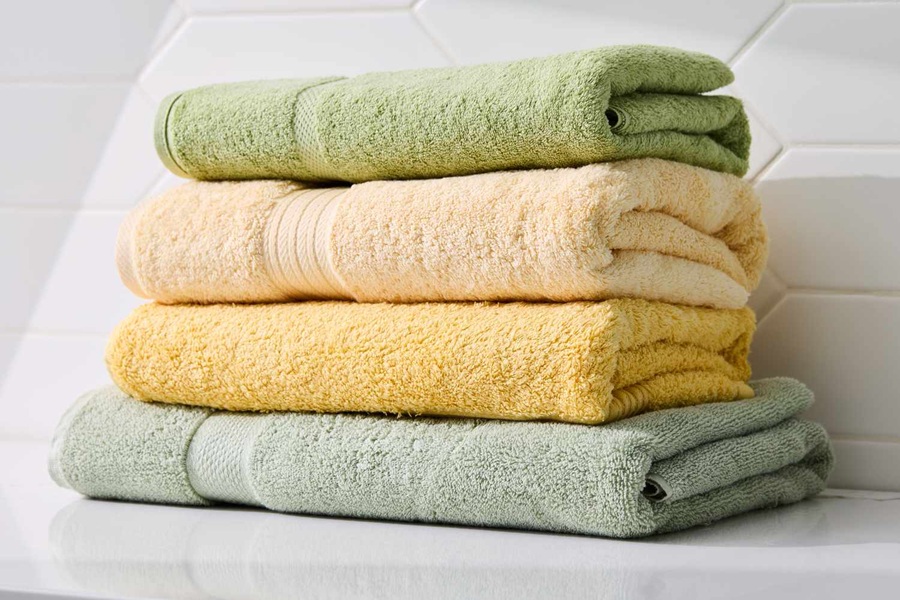
Reusing old towels instead of throwing them away benefits both your household and the planet. By finding new uses for these items, you contribute to reducing waste, conserving resources, and making your home more cost-efficient. Let’s explore why repurposing old towels is an eco-friendly and practical option.
Environmental Benefits
- Reduces landfill waste: Discarded textiles often end up in landfills, where they take years to decompose. By reusing towels, you help minimize this environmental burden.
- Conserves resources: Manufacturing new textiles requires significant water, energy, and raw materials. Repurposing extends the life of materials already produced, reducing the demand for new ones.
- Promotes sustainability: Using what you already have aligns with sustainable living practices by prioritizing reuse over unnecessary consumption.
Financial Advantages for Your Home
- Cost savings: Buying disposable cleaning products or single-use rags can add up over time. Repurposed towels serve as a free alternative that lasts longer.
- Multi-purpose use: Old towels can be adapted for various tasks around the home—from dusting to mopping—saving you from purchasing multiple specialized cleaning tools.
Practical Considerations
- Durability: Worn-out towels are typically soft but still durable enough for tough cleaning jobs, such as scrubbing grime or soaking up spills.
- Availability: Most households accumulate excess towels over time from sets that no longer match or ones that have become frayed or stained.
Ethical Perspective
The textile industry is a significant contributor to pollution worldwide due to its carbon emissions and water-intensive processes. Repurposing what you already own helps mitigate these impacts by slowing down the cycle of production and disposal.
| Aspect | Impact of Reuse |
| Environmental | Keeps items out of landfills; reduces need for new production |
| Financial | Lower costs on disposable products; maximizes value |
| Durability | Extends life of materials already in use |
By incorporating old towels into your cleaning routine or other household activities, you’re participating in a small but impactful act toward sustainability. This approach combines economic practicality with eco-conscious living while ensuring that nothing goes to waste unnecessarily within your home environment.
Remember: every action counts when it comes to reducing our environmental footprint—and rethinking how we use everyday items like old towels is a great place to start!
How to Cut and Organize Old Towels Into Cleaning Cloths
Repurposing old towels into cleaning cloths is a practical and environmentally-conscious way to reduce waste and create useful cleaning tools for your household needs. By properly cutting, sorting, and organizing these materials, you can ensure they’re ready whenever you need them. This section will provide simple steps and helpful tips to turn your old towels into a well-organized collection of cleaning cloths.
Step 1: Assess the Towels for Reuse
Before cutting up old towels, take a moment to evaluate their condition. Different towels may serve different purposes based on their level of wear: – Lightly worn towels: Great for tasks requiring soft, absorbent materials like dusting or delicate surfaces. – Heavily worn or stained towels: Perfect for tougher jobs such as scrubbing floors or handling grease. – Fraying edges: These can still be used, especially if trimmed or hemmed.
Separating by condition allows you to plan how to use the rags most effectively.
Step 2: Prep the Towels for Cutting
To ensure you make the most out of each towel: 1. Wash before cutting: Old towels should be clean and dry before repurposing. 2. Flatten the fabric: Lay the towel flat on a clean surface to make precise cuts easier. 3. Mark your sections (optional): Use chalk or fabric markers to outline where to cut based on your desired sizes.
Step 3: Cutting Old Towels
Cutting the towels into practical sizes ensures they’re suitable for different cleaning tasks: – For general-purpose rags: Cut into medium-sized squares (approximately 12” x 12”). – For small detail work (like polishing silverware): Cut into smaller rectangles (6” x 6”). – For larger jobs such as car washing or mopping spills: Leave larger pieces intact (18” x 18”).
A sharp pair of scissors or a rotary cutter works best for clean edges. If you prefer durability, consider hemming the edges with a sewing machine to prevent fraying over time.
Step 4: Organize Your New Cleaning Cloths
Once you’ve cut all your cloths, organizing them properly makes them easy to grab when needed. Here’s how: – Separate by size or use: – Store general-purpose rags in one container. – Keep specialized cloths like polishing squares in smaller bins. – Larger pieces can be folded neatly and placed in a separate stack.
- Use labeled containers:
- Consider using labeled baskets, bins, or drawers so you know exactly where each type of rag is stored.
| Size/Type | Suggested Use | Storage Tip |
| Small rectangles | Polishing/dusting | Label small bins |
| Medium squares | General cleaning | Stack neatly in open baskets |
| Large pieces | Mopping/car wash | Fold and store in closet space |
Bonus Tips for Organization
- Roll up smaller pieces instead of folding to save space.
- Store frequently used rags near high-traffic areas like under sinks or in laundry rooms.
- Consider color-coding if you’re using multiple fabrics—for example, reserving white rags for kitchen cleaning and colored ones for outdoor projects.
Why Organization Matters
Properly cutting and organizing old towels helps maximize their utility while ensuring your workspace remains tidy. This system also prevents waste by extending the life of materials that might otherwise have been discarded unnecessarily. With a little preparation upfront, you’ll have an eco-friendly solution ready at hand that simplifies everyday tasks around your home.
How to Cut and Organize Old Towels Into Cleaning Cloths
Repurposing old towels into cleaning cloths is a practical and eco-friendly solution for giving them a second life. With thoughtful preparation, you can create durable, reusable cloths that are perfect for various cleaning tasks. This section will guide you on how to effectively cut and organize your old towels for optimal use in your home.
Preparing Your Towels for Cutting
Before cutting your towels, follow these steps to ensure they are clean and ready for reuse: – Wash thoroughly: Run them through a hot wash cycle with detergent to remove any residual dirt or odors. – Inspect for wear: Check the towels for weak spots or fraying edges. Avoid using overly worn sections that may not hold up during cleaning. – Dry completely: Make sure the towels are dry before cutting. This will prevent uneven edges caused by damp fabric.
Cutting Techniques
Properly cutting your towels ensures you get the most out of them while tailoring their size to specific cleaning needs: 1. Determine sizes based on use: – For dusting or polishing: Cut smaller squares (about 8×8 inches). – For general cleaning: Opt for medium-sized rectangles (12×12 inches or 12×16 inches). – For larger tasks like mopping or wiping large surfaces: Use bigger sections (16×20 inches or leave the towel intact). 2. Use sharp scissors or fabric shears: Dull tools can fray the edges, making the cloth less durable. 3. Cut along seams if possible: This helps reduce unraveling and ensures cleaner edges.
Optional Finishing Touches
To enhance durability and usability: – Hem the edges: Use a sewing machine or hand-stitch a simple hem around each piece to prevent fraying over time. – Color-code by purpose: If using multiple types of towels (e.g., bath vs. kitchen), consider dyeing or labeling each group based on its intended use.
Organizing Your Cleaning Cloths
Once you’ve prepared your cloths, organizing them properly makes them easier to access and keeps your cleaning routine efficient: – Sort by size and purpose: – Keep smaller cloths in one pile for light-duty tasks like dusting. – Use separate piles or containers for medium-sized cloths meant for scrubbing, drying, or wiping surfaces. – Store larger towel pieces with items like mops or in garages for heavy-duty cleaning jobs.
| Size | Recommended Task | Storage Location |
| Small | Dusting, polishing | Drawer near living areas |
| Medium | General surface cleaning | Kitchen cabinet |
| Large | Mopping floors, outdoor cleaning | Garage/basement shelf |
- Place folded rags in labeled bins according to their type (e.g., “Dust Cloths,” “Kitchen Rags”).
- Consider hanging larger pieces on hooks near utility areas.
Tips for Long-Term Care
To maintain an organized supply of reusable rags: – Establish a rotation system so heavily used rags don’t wear out prematurely. – Regularly declutter by discarding any worn-out pieces that are no longer effective.
By following these steps, you’ll create an efficient system that maximizes the usability of repurposed towels while keeping your home clean and organized.
When to Use Different Types of Rags Around the House
Not all rags are created equal, and understanding which type of cloth works best for a specific cleaning task can make your chores more efficient and eco-friendly. Old towels, T-shirts, and other fabrics each have unique properties that make them suitable for different purposes around the home. Below is a guide to help you match the right rag to the right job.
Soft vs. Durable Fabrics: Choosing the Right Material
- Best for delicate surfaces like mirrors, windows, and electronics.
- Ideal for dusting furniture without scratching.
- Great for polishing items like silverware or glassware due to their lint-free nature.
- Perfect for heavy-duty cleaning tasks such as scrubbing floors or wiping up spills in kitchens and bathrooms.
- Absorbs more liquid, making them handy for mopping up larger messes.
- Useful for cleaning outdoor areas like patios or wiping down garden tools.
Task-Specific Uses Around the House
| Cleaning Task | Suggested Rag Type | Why It Works |
| Dusting furniture | Old T-shirt or microfiber cloth | Lint-free material prevents residue while picking up fine dust. |
| Wiping kitchen counters | Terry cloth or old dish towel | Durable and absorbent; handles grease and food spills well. |
| Cleaning floors | Cut-up bath towel | Larger size helps scrub effectively; absorbs water during mopping. |
| Polishing glass/mirrors | Flannel or T-shirt fabric | Soft texture avoids streaks and scratches on reflective surfaces. |
| Bathroom tile scrubbing | Terry cloth | Strong fibers endure abrasive cleaning solutions and tougher grime. |
Tips for Sorting Your Rags
To stay organized when using various types of rags around the house, consider implementing these simple strategies: – Designate by Color: Assign specific colors to certain tasks (e.g., blue rags for windows, white ones for dusting). This prevents cross-contamination between areas like kitchens and bathrooms. – Label Buckets/Containers: Store your rags in clearly labeled bins based on their purpose—dusting, polishing, heavy-duty scrubbing—to make them easy to grab when needed. – Cut to Size: Trim old towels into smaller sizes appropriate for their intended use. For instance: – Large squares (12×12 inches) work well as mop pads. – Smaller pieces (6×6 inches) are excellent hand-sized options for dusting.
When Not to Use Specific Rags
Some situations require caution when choosing a particular type of rag: – Avoid using bathroom-cleaning rags on kitchen counters due to hygiene concerns. – Do not use colored fabrics that could bleed dye onto sensitive surfaces during wet cleaning.
By selecting appropriate materials tailored to each cleaning task, you’ll maximize efficiency while extending the life of your old towels and fabrics—all while reducing waste at home.
How to Wash and Sanitize Reusable Cleaning Cloths
Maintaining the cleanliness of your reusable cleaning cloths is essential for ensuring they remain effective and hygienic. Proper washing and sanitization not only prolongs the life of old towels and rags but also prevents the spread of dirt, bacteria, and germs around your home. Below is a step-by-step guide to properly washing and disinfecting these cloths, along with tips for keeping them fresh.
Step-by-Step Guide to Washing Reusable Cleaning Cloths
- Kitchen Rags: Used for wiping counters, dishes, or spills.
- Bathroom Towels: Used for cleaning sinks, tubs, or toilets (these may need extra sanitization).
- Dusting Cloths: Any fabric used for dry wiping surfaces like furniture or electronics.
- Pre-Treat Heavily Soiled Areas
If a towel or rag has stubborn stains (like grease or mud), pre-soak it before washing: - Fill a bucket with warm water and add ½ cup of baking soda or white vinegar.
- Let the cloth soak for 30 minutes before laundering.
- Use hot water (if the material permits) to disinfect thoroughly; heat is key in killing bacteria.
- Add an appropriate detergent—preferably one marked as effective against grease or grime buildup.
- Add one cup of white vinegar during the rinse cycle to kill bacteria without harsh chemicals.
- Alternatively, use oxygen bleach if dealing with tough odors.
- Drying Properly
After washing: - Dry towels on high heat in a dryer to kill any remaining germs. Avoid over-drying as it can weaken fibers over time.
- Alternatively, air-dry in direct sunlight, as UV rays naturally kill bacteria.
Handwashing Tips for Delicate Fabrics
For more delicate materials like microfiber cloths:
– Use lukewarm water instead of hot water to avoid damage. – Gently scrub with mild detergent until clean. – Rinse thoroughly under cold running water. – Air-dry flat rather than twisting or wringing them out.
Sanitizing Between Uses
If you’re using cleaning rags frequently throughout the day, consider quick sanitization methods between full washes: – Mix 1 part white vinegar with 2 parts warm water in a spray bottle; spritz the rag after use and hang it to dry. – Alternatively, soak rags in boiling water for five minutes during busy cleaning days.
Avoid These Common Mistakes
To maintain your reusable cleaning cloths’ quality: – Never mix heavily soiled rags with lightly used ones during washing—they could cross-contaminate. – Avoid using fabric softeners as they coat fibers in residue that reduces absorbency over time. – Don’t leave damp rags sitting too long before washing; this encourages mold and unpleasant odors.
| Type of Cleaning Cloth | Best Washing Method | Notes |
| Microfiber Cloth | Handwash or gentle cycle | Avoid high heat during drying |
| Cotton Towels | Hot machine wash | Use vinegar/oxygen bleach if needed |
| Bathroom Rags | Hot machine wash + sanitize | Wash separately from kitchen/dusting towels |
Taking care of your reusable towels ensures they stay effective for all types of household tasks while reducing waste associated with disposable options. With consistent care practices like these, you’ll not only save money but also contribute positively towards sustainable living practices.
Creative Ways to Repurpose Worn-Out Towels Beyond Cleaning
Old towels and rags can serve countless purposes beyond just cleaning. With a bit of creativity, they can be transformed into functional or even decorative items, extending their lifespan and reducing waste. Below are some innovative ideas for repurposing worn-out towels that go beyond their cleaning potential.
DIY Pet Accessories
Old towels are perfect for creating soft and durable items for your furry friends:
– Pet Beds: Layer old towels, stitch them together, and create a cozy mat or bed for pets. This is especially useful for cats and small dogs.
– Pet Toys: Braid strips of old towels into tug toys for dogs. They’re sturdy, washable, and fun to play with.
– Travel Towels: Keep a stash of cut-up towel pieces in your car or by the door to wipe down muddy paws after walks.
Home Improvement Projects
Repurposed towels can come in handy for various DIY projects around the home:
– Draft Stoppers: Roll up old towels tightly and sew them into a tube to place under doors or windows to block drafts during colder months.
– Cushion Filling: Shred worn-out towels and use them as stuffing material for throw cushions, poufs, or pet beds.
| Item | How Old Towels Can Be Used | Benefits |
| Draft Stoppers | Rolled-up and sewn tubes placed under doors | Energy-efficient home heating |
| Cushion Filling | Shredded pieces used as stuffing | Sustainable alternative to foam |
Bathroom Accessories
Transform your tired towels into smaller bathroom accessories that are both functional and eco-friendly:
– Bathmats: Cut larger towels into rectangles, layer them together for thickness, and stitch around the edges to create absorbent bathmats. For added traction, you could sew a non-slip material onto the bottom.
– Washcloths: Cut out smaller sections of wearable spots from old towels to make hand-sized washcloths or face wipes.
Gardening Helpers
Gardening benefits greatly from repurposed materials like old linens: – Use strips of towel cloth as plant ties—they’re gentle on stems but strong enough to provide support
When It’s Time to Dispose of Old Towels and Rags
Even the most durable towels and rags will eventually reach the end of their usable life, becoming too thin, frayed, or stained for further repurposing. Knowing when and how to properly dispose of these items ensures that you’re balancing sustainability with practicality. Let’s explore signs it’s time to discard old towels or rags and eco-friendly disposal methods.
Signs It’s Time to Let Go
Here are some indicators that your old towels or rags are no longer practical for cleaning or other uses:
– Irreparable Damage: Large holes, extensive fraying, or worn-out edges may make them ineffective for cleaning tasks.
– Persistent Odors: If a towel retains unpleasant smells even after deep cleaning and sanitizing, it may be time to retire it.
– Excessive Stains: Deep-set stains that can’t be removed through washing can diminish their usability.
– Loss of Absorbency: Towels that no longer absorb moisture effectively have little value as cleaning tools.
Eco-Friendly Disposal Methods
1. Donate if Possible
If the towels are still in decent condition but no longer meet your needs (e.g., too small or slightly worn), they might be useful to local charities like animal shelters or veterinary clinics. Many organizations accept old linens for bedding or cleanup purposes. Call ahead to confirm donation requirements.
2. Compost Natural Fibers
Towels made from cotton or other biodegradable materials can be composted if they’re clean and free from synthetic additives like polyester blends. Cut them into smaller pieces to speed up decomposition.
3. Textile Recycling Programs
Research nearby textile recycling programs that accept worn-out fabric items. Many cities have drop-off locations where you can recycle old linens responsibly.
4. Repurpose into Padding Material
If disposal feels premature, convert unusable towels into stuffing material for pet beds, cushions, or even DIY draft stoppers for windows and doors.
| Disposal Method | Materials Accepted | Notes |
| Animal Shelter Donations | Gently used towels & rags | Check condition requirements |
| Composting | Cotton, linen (natural fibers) | Avoid synthetic fabric blends |
| Textile Recycling Programs | All types of fabrics | Confirm drop-off locations |
| DIY Padding Material | Very worn fabrics | Ideal for small projects at home |
What Not To Do
Avoid common mistakes when disposing of old towels:
– Landfill as a First Resort: Minimize waste by exploring reuse and recycling options first. – Burning Synthetic Fabrics: Some towels contain polyester blends that release harmful chemicals when burned. – Donating Unusable Items: Extremely damaged items aren’t helpful to shelters; they end up contributing to waste.
By taking a thoughtful approach when it’s time to part with your old linens, you’ll maximize their value while staying environmentally conscious. Proper disposal not only reduces landfill waste but also supports creative reuse practices within your community.