Why Floors Get Dirty Faster in Busy Households
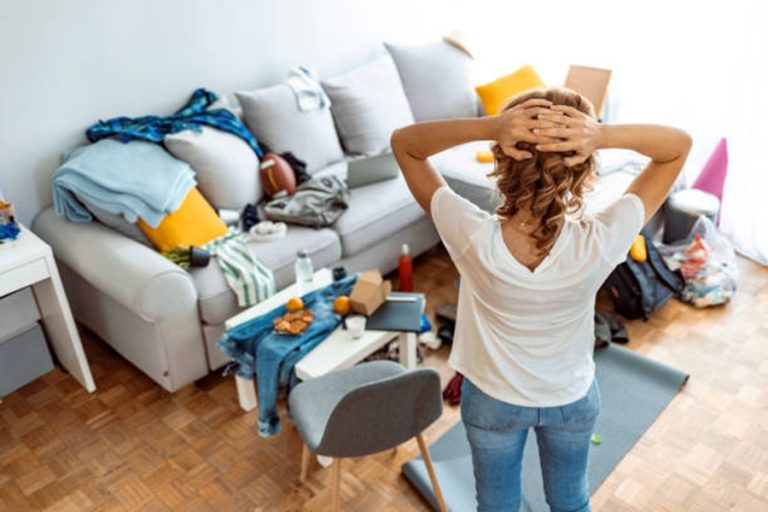
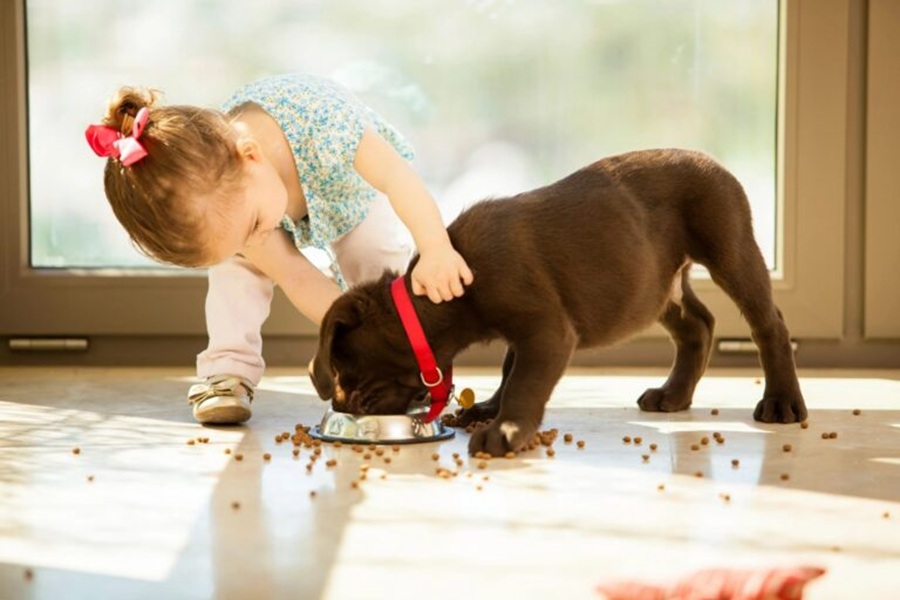
Floors in busy households, especially those with kids and pets, often accumulate dirt, grime, and wear much faster than in quieter homes. Understanding the reasons behind this can help you take targeted steps to maintain cleaner floors for longer.
High Foot Traffic
- Constant Movement: Kids running around and pets exploring every corner create a constant flow of traffic. This movement brings in dirt, dust, and outdoor debris from shoes or paws.
- Unintentional Spills: Children frequently drop food, drinks, or toys on the floor. Similarly, pets may unintentionally track water from their bowls or spill kibble during meals.
Outdoor Dirt Tracking
The most common contributor to dirty floors is dirt brought in from outside.
– Mud and soil stick to shoes and pet paws during walks or playtime outdoors.
– Wet weather (rain or snow) exacerbates this issue as moisture makes it easier for debris to cling to surfaces.
Shedding from Pets
Pets shed fur and dander throughout the house, regardless of whether they’re short-haired or long-haired breeds.
– Loose hair can spread quickly if not managed consistently. – Pets also carry allergens that settle on flooring materials like carpets, tiles, or hardwoods.
Food Crumbs & Snack Time Messes
In family households where snacks are frequent, crumbs often make their way onto the floor unnoticed. Over time these crumbs can attract pests like ants or create sticky residues that are harder to clean.
Lack of Preventative Measures
Without a system in place to minimize messes at the source (e.g., no-shoes policies or entry mats), dirt accumulates rapidly across high-traffic zones such as hallways, kitchens, and living rooms.
| Common Causes of Dirty Floors | Examples | Prevention Tip |
| High foot traffic | Kids running indoors; pets’ movements | Use area rugs for high-use areas |
| Outdoor tracking | Muddy shoes; wet paws | Place door mats at entrances |
| Pet shedding | Fur & dander from dogs/cats | Brush pets regularly |
| Food spills | Crumbs; dropped food/drinks | Use easy-to-clean placemats under eating areas |
Impact on Floor Longevity
Frequent accumulation of dirt doesn’t just make floors look messy—it also causes long-term damage: – Dirt particles can scratch hardwood or laminate surfaces over time. – Sticky residues from liquids can become permanent stains if not cleaned promptly. – Accumulated moisture (from muddy boots or wet pet paws) may cause warping in wood floors.
By recognizing these factors early on and implementing thoughtful solutions tailored to your household’s unique needs (discussed further in subsequent sections), you’ll be better equipped to keep your floors clean for longer periods without constant scrubbing.
Create a No-Shoes Policy to Reduce Dirt
A no-shoes policy can significantly reduce the amount of dirt, debris, and germs that make their way onto your floors. Shoes worn outside carry a surprising amount of grime, including dirt, mud, bacteria, and even chemical residues from surfaces like sidewalks and roads. By keeping outdoor shoes off your floors, you’ll create a cleaner and healthier living environment.
Benefits of Implementing a No-Shoes Policy
- Reduces Dirt and Dust Accumulation: Shoes track in large amounts of visible dirt as well as fine dust particles that settle on your floors.
- Minimizes Germs and Allergens: Bacteria, pollen, and other allergens can cling to shoe soles, potentially affecting air quality in your home.
- Prevents Floor Damage: Small stones or grit stuck in shoe treads can cause scratches or wear on hardwood or tile flooring over time.
- Easier Maintenance: With less dirt entering the home, you’ll spend less time sweeping or vacuuming your floors.
How to Implement a No-Shoes Policy
- Use a shoe rack or basket near the entryway so family members and guests can easily remove their shoes upon entering.
- Consider adding hooks for coats and other outerwear to make the space more functional.
- Offer washable indoor slippers for family members and visitors as an alternative to walking barefoot (especially if you have cold flooring).
- Keep a selection of sizes available for guests.
- Place polite signs near entry doors reminding people about your no-shoes policy.
- When hosting guests, gently inform them of the rule when they arrive. Most people will appreciate knowing how they can respect your household preferences.
- Teach children early on about removing their shoes when coming inside. Make it fun by letting them pick out their own indoor slippers or socks with fun designs.
Addressing Common Concerns
| Concern | Solution |
| Guests feeling awkward | Provide a bench or chair near the door for easy shoe removal; offer slippers. |
| Kids forgetting the rule | Place visual reminders (like signs) at child height; create consistency by reinforcing at every entry point. |
| Pets tracking in messes | Keep towels near doors specifically for wiping paws before allowing pets inside. |
By consistently applying these practices and creating an inviting setup for shoe removal, you’ll dramatically reduce unnecessary wear-and-tear on your floors while maintaining a cleaner home environment overall.
Manage Pet Hair, Mud, and Everyday Messes
For households with kids and pets, managing pet hair, muddy footprints, and daily messes is a constant challenge. However, with some strategic approaches and regular maintenance routines, you can minimize the impact on your floors.
Tackle Pet Hair Effectively
- Vacuum frequently: Use a vacuum with a high-efficiency particulate air (HEPA) filter to pick up pet hair more effectively. Look for models designed for homes with pets that include attachments for hard-to-reach areas.
- Use a microfiber dust mop: These are excellent for trapping pet hair on hard flooring surfaces like wood or tile without scattering debris.
- Brush your pets regularly: Grooming your pets outdoors or in designated areas can significantly reduce the amount of loose hair that ends up on your floors.
- Consider washable pet bedding: Hair often transfers from bedding to nearby floor surfaces. Opt for easy-to-clean pet beds or blankets that can be washed weekly.
Address Mud Before It Spreads
Muddy paw prints are almost inevitable if you have pets or children running in and out of the house. Planning ahead can help reduce the mess.
- Place absorbent mats by doors: Invest in high-quality mats designed specifically to trap moisture and dirt from shoes and paws.
- Create a “mud station”: Designate an area near entryways where kids’ shoes and pets’ paws can be cleaned before they step onto clean floors. Keep towels or wipes handy for quick cleanup.
- Train your pets: Teach dogs to sit while their paws are wiped after outdoor playtime. Reward them with treats to reinforce this behavior over time.
Control Everyday Spills and Food Debris
- Establish eating zones
Encourage meals and snacks to be eaten in specific areas like the kitchen or dining room. This confines potential spills to spaces that are easier to clean. - Protect high-risk areas
Add wipeable placemats under chairs where young children eat or place a washable rug under dining tables. - Act quickly on spills
Clean liquid spills immediately using an absorbent cloth or paper towels to avoid sticky residue building up on your floors. - Invest in handheld vacuums
For quick crumb pickup after meals or snacks, a handheld vacuum is incredibly convenient.
| Mess Type | Quick Fix |
| Pet hair | Vacuum with HEPA filter |
| Muddy paw prints | Absorbent mat & towel at entryways |
| Food crumbs | Handheld vacuum |
| Drink spills | Wipe immediately with an absorbent cloth |
By addressing these common sources of dirt efficiently—whether it’s stray fur or muddy footprints—you can keep your floors looking cleaner longer while reducing the time spent tackling messes later on. Adopting proactive habits will go far toward maintaining tidier living spaces amidst the hustle of family life with kids and pets.
Use Entry Mats and Area Rugs Strategically
Entry Mats: Your First Line of Defense
- Place mats at every entrance: Use durable outdoor mats directly outside all doors to trap dirt before it enters your home. Complement these with indoor mats just inside each entryway for added protection.
- Use washable options: Opt for machine-washable or easy-to-clean entry mats so they can be cleaned regularly without much effort.
- Choose textured designs: Mats with a textured surface or bristles are especially effective at trapping mud, small stones, or pet debris that’s stuck on shoes or paws.
- Encourage usage: Teach family members (and guests) to wipe their shoes thoroughly before entering.
Area Rugs: Protect High-Traffic Zones
Strategically placed area rugs help reduce wear-and-tear on your flooring while also catching dirt and spills that naturally occur in busy households.
- Focus on high-use areas: Lay area rugs in zones that see heavy foot traffic, such as hallways, living rooms, under the dining table, and near couches.
- Invest in pet-friendly materials: Look for rugs made from materials like nylon or polypropylene, which are durable, easy to clean, and resistant to stains.
- Use rug pads for stability: Pair rugs with non-slip pads underneath to prevent shifting when kids run around or pets play.
- Rotate regularly: Rotate rugs every few months to ensure even wear across all sides.
Aesthetic & Practical Benefits
Entry mats and area rugs not only serve a functional purpose but also add aesthetic value to your home. Choose colors or patterns that hide dirt effectively while complementing your decor. For instance: | Material | Durability Level | Ease of Cleaning | Best Locations | |——————|——————|——————|————————–| | Nylon | High | Easy | Hallways & Play Areas | | Wool | Medium | Spot Clean Only | Living Rooms & Bedrooms | | Polypropylene | High | Very Easy | Dining Areas & Mudrooms |
Maintenance Tips for Mats & Rugs
To ensure these tools remain effective over time: – Shake out entry mats weekly to remove accumulated debris. – Vacuum area rugs frequently (daily if you have shedding pets). – Spot-clean spills immediately using floor-safe products. – Deep-clean rugs every 3–6 months based on use.
By thoughtfully placing entry mats and area rugs throughout your home—and maintaining them properly—you create an additional barrier between outside messes and your flooring. This small yet impactful change significantly reduces how often you’ll need deep cleaning while keeping your space visually appealing.
Use Entry Mats and Area Rugs Strategically
In a household bustling with kids and pets, dirt, debris, and other messes can accumulate quickly. However, thoughtfully placing entry mats and area rugs can significantly reduce the amount of dirt that makes its way onto your floors. This strategy not only protects your flooring but also minimizes the time you’ll spend cleaning them.
Entry Mats: Your First Line of Defense
- Place mats both outside and inside each entry point: Exterior mats help catch mud, dirt, and moisture before they even enter your home. Inside mats act as an additional layer of protection.
- Opt for durable materials: Coir (coconut fiber) or rubber-backed doormats are excellent choices for outdoor use as they’re sturdy and designed to scrape off mud and dirt effectively. For indoor mats, consider ones with absorbent fibers to trap water or snow brought in from outside.
- Size matters: Ensure mats are large enough for multiple steps so shoes can adequately be wiped before stepping onto bare floors.
Area Rugs: Functional Style
- Target high-traffic zones: Place area rugs in hallways, living rooms, under dining tables, or any areas kids and pets frequent most often.
- Choose washable options: Look for machine-washable rugs or ones with easy-to-clean surfaces like low-pile synthetic fibers (e.g., polypropylene). These materials tend to resist stains better than wool or cotton alternatives.
- Use rug pads underneath: Rug pads keep rugs securely in place, preventing slips while protecting the underlying floor from scratches or scuffs caused by movement.
| Type of Rug/Mat | Best Use Case | Material Recommendations |
| Outdoor Doormat | Front/Back Door Entry | Coir Fiber, Rubber |
| Indoor Doormat | Inside Entries | Microfiber; Absorbent Synthetic Fiber |
| Runner (Hallway) | Hallways; High-Traffic Areas | Low-Pile Nylon; Polypropylene |
| Dining Area Rug | Beneath Kitchen/Dining Room Tables | Stain-Resistant Polypropylene |
| Living Room Rug | Open Spaces Used by Kids/Pets | Easy-to-Clean Low-Pile Options |
Maintenance Matters
- Vacuum area rugs weekly to remove trapped dust and pet hair.
- Shake out outdoor doormats frequently (weekly if possible) to get rid of accumulated debris.
- Wash indoor mats every 1–2 weeks depending on dirt levels—many microfiber options can go straight into a washing machine.
- Spot-clean spills immediately on area rugs to avoid deep staining.
By using entry mats at doors combined with strategically placed area rugs throughout your home, you create an effective barrier against dirt while preserving the longevity of your floors—without sacrificing style or comfort. Implementing this simple yet effective tactic makes maintaining cleaner floors more manageable even with kids and pets around.
When to Schedule Professional Floor Cleaning
Regular cleaning routines can go a long way in keeping your floors looking their best, but there comes a time when professional help is necessary to maintain their durability and appearance. Knowing when to schedule professional floor cleaning can save you time, effort, and even money in the long run by preventing damage or buildup that DIY cleaning methods can’t fully address. Below are some scenarios and guidelines for determining when it’s time to call in the experts.
1. Deep Stains or Persistent Odors
- If your floors have deep-set stains that don’t respond to regular cleaning methods or persistent odors from pets or spills, professionals have specialized tools and products that can penetrate deeper layers of flooring.
- Certain materials like carpet, tile grout, or hardwood may require industrial-grade equipment to eliminate these stubborn issues without causing damage.
2. High-Traffic Areas Showing Wear
- In busy households with kids and pets, high-traffic areas (like entryways, kitchens, and living rooms) often develop visible wear over time. Scratches on hardwood floors or flattened carpet fibers are signs that a deep refresh is overdue.
- Professional services can restore shine to hardwoods through buffing or recoating processes and rejuvenate carpet fibers with steam cleaning.
3. Allergy Season Preparation
- Floors harbor allergens like pet dander, dust mites, and pollen that may aggravate allergies. Before allergy season hits—or during peak allergy times—scheduling a deep clean for all floor types can drastically improve indoor air quality.
- Steam cleaning carpets and using specialized cleansers for hard surfaces can help remove these microscopic irritants more effectively than standard vacuuming or mopping.
4. Post-Renovation Cleanup
- Renovation projects often leave behind fine dust particles, adhesives, paint splatters, or construction debris that standard household tools struggle to handle efficiently.
- Professionals use advanced extraction technology and appropriate products tailored to specific floor types to remove post-renovation residues safely without compromising the integrity of your flooring.
5. Seasonal Maintenance
- Some families find scheduling professional cleanings seasonally—such as after winter slush or summer mud—is an effective way to manage dirt accumulation from changing weather conditions.
- Seasonal cleanings include treatments such as sealing tile grout before wet seasons or applying protective coatings on hardwoods.
| Flooring Type | Recommended Frequency | Notes |
| Carpet | Every 6–12 months | High-pet households may need more frequent attention (e.g., every six months). |
| Hardwood | Annually | Focus on professional buffing/recoating if scratches are visible; avoid water-based products. |
| Tile & Grout | Every 1–2 years | Grout sealing should be included if it hasn’t been done recently. |
| Laminate & Vinyl | As needed (or annually) | Ensure professionals use gentle cleaners suited for synthetic materials. |
6. Preparing for Special Occasions
- Hosting an event? Whether it’s a family gathering or holiday celebration, having sparkling-clean floors sets the tone for guests while making your home look polished.
- Scheduling a professional service beforehand ensures every inch of flooring looks its best without adding stress during event preparations.
Benefits of Professional Cleaning
Engaging professionals isn’t just about aesthetics; there are several practical advantages:
– Extends the lifespan of your flooring by addressing buildup not removable by at-home methods. – Prevents costly repairs by treating minor issues (scratches/scuffs/stains) early on. – Saves time so you’re not spending hours scrubbing difficult areas yourself.
By integrating professional cleanings into your overall maintenance plan based on needs like those listed above, you’ll keep your floors cleaner for longer while preserving their value over time.
When to Schedule Professional Floor Cleaning
Even with the most diligent cleaning routines, there comes a time when floors require the expertise of a professional. Scheduling professional floor cleaning is not only about maintaining appearances but also about prolonging the life of your flooring, improving hygiene, and addressing issues that regular cleaning may not resolve. Here’s a breakdown of why and when hiring professionals can be beneficial.
Why Consider Professional Floor Cleaning?
- Deep Cleaning: Professionals use specialized equipment like high-powered vacuums, steam cleaners, or scrubbers that remove buildup from hard-to-reach areas on carpets or hard flooring.
- Stain Removal: Some stains—especially those caused by pets or heavy foot traffic—require industrial-grade detergents or techniques to lift without damaging the surface.
- Restoration Services: For hardwood or tile floors, professionals can refinish surfaces to restore their original shine and smoothness. They also address wear-and-tear issues such as scratches or discoloration.
- Health Benefits: Accumulated allergens like pet dander and dust mites can be removed more effectively with professional equipment, improving air quality in your home.
Factors That Determine How Often You Should Schedule Professional Cleaning
| Factor | Suggested Frequency |
| Homes with children | Every 6–12 months (due to spills/toys) |
| Homes with pets | Every 3–6 months (to manage fur/odors) |
| High foot traffic areas | Twice a year |
| Minimal usage | Annually |
- Carpets typically require deep cleaning every 6–12 months due to their ability to trap dirt and odors.
- Hardwood floors should be refinished every few years but benefit from periodic polishing between refinishing sessions.
- For tile and grout, annual deep scrubbing services help remove discoloration in grout lines.
Signs It’s Time for Professional Cleaning
- Persistent odors even after cleaning.
- Visible staining that doesn’t respond to home remedies or standard cleaning tools.
- Dull appearance despite regular maintenance efforts (especially for hardwood or tile).
- Allergic reactions worsening indoors due to trapped pollutants in carpets or rugs.
Tips for Maximizing the Results of Professional Floor Cleaning
- Prepare Your Space: Remove furniture from areas being cleaned so technicians have full access. This ensures thorough results across all parts of your floor.
- Communicate Specific Needs: Let cleaners know about high-priority spots like pet accident zones or tough stains before they begin.
- Follow Up With Maintenance: Use appropriate tools like microfiber mops or HEPA-filter vacuums after professional cleanings to maintain cleanliness longer.
Professional floor cleaning is an investment in both cleanliness and longevity for your home’s surfaces—particularly important in busy households with kids and pets where everyday messes are inevitable. Properly timing these services ensures lasting benefits while contributing significantly toward maintaining a beautiful home environment year-round.