Why Regular Mattress Cleaning Matters
A mattress is one of the most frequently used items in your home, yet it’s often overlooked when it comes to regular cleaning routines. While you may change your sheets and pillowcases routinely, the mattress itself can harbor dust, allergens, bacteria, and even tiny pests like dust mites. Over time, these unwelcome guests not only compromise the hygiene of your sleeping environment but can also affect your health and sleep quality.
Regular mattress cleaning plays a critical role in maintaining a healthy living space. By removing dirt, dead skin cells, sweat residue, and other build-ups that accumulate over time, you reduce potential triggers for allergies or respiratory issues. A cleaner mattress promotes better air quality in your bedroom and contributes to your overall well-being. Additionally, maintaining cleanliness can significantly extend the life of your mattress by preventing wear caused by bacteria and odor build-up.
Unclean mattresses also tend to trap moisture from sweat or spills, creating an ideal breeding ground for mold and mildew. This not only leads to unpleasant smells but can also pose serious health risks if left untreated. Regular care ensures that moisture is properly addressed before it becomes a long-term problem.
Beyond hygiene and health concerns, regular cleaning adds to the comfort of your sleep experience. No one wants to lie down on a bed that feels unclean or smells musty after a long day. A freshly cleaned mattress provides peace of mind and enhances overall relaxation as you drift off to sleep.
For families with pets or young children who might occasionally have accidents on the bed—or for those who enjoy breakfast in bed—a proactive approach to cleaning is even more important. Spills can seep into the layers of a mattress if left unchecked, becoming harder to fully remove over time.
In short, routine cleaning isn’t just about keeping up appearances; it’s about preserving both the functionality of your mattress and creating an environment conducive to restful sleep. By incorporating regular cleaning into your household schedule, you’ll ensure that this essential piece of furniture continues supporting you—night after night—for years to come.
How Often You Should Clean Your Mattress
Keeping a clean mattress is essential for maintaining a healthy and comfortable sleeping environment. However, many people aren’t sure how often they should clean their mattress or what cleaning entails. The frequency of cleaning largely depends on factors such as personal habits, allergies, and the overall environment in which the mattress is used. Let’s explore how often you should care for your mattress to keep it in its best condition.
Regular Cleaning: A Monthly Routine
At a minimum, your mattress should be cleaned once every month to prevent dirt, dust, and sweat from accumulating over time. Monthly cleaning maintains hygiene by addressing surface-level debris and odors before they settle deeper into the material of the mattress. This routine typically consists of vacuuming the surface thoroughly to eliminate dust particles and using mild deodorizers like baking soda to refresh the fabric.
Deep Cleaning Every Six Months
While monthly maintenance is important, deep cleaning should be performed at least twice a year to tackle allergens, stains, and odors that cannot be addressed by surface-level cleaning alone. Deep cleaning involves stain treatment with gentle solutions like diluted white vinegar or mild detergent as well as steam cleaning if your mattress material permits it. This biannual practice ensures that hidden contaminants are removed effectively.
Consider Your Lifestyle
Your lifestyle plays a key role in determining how often you should clean your mattress. If you have pets that sleep on your bed or young children who are prone to spills and accidents, more frequent cleaning might be necessary. Similarly, anyone with allergies or asthma may benefit from increasing their routine to include vacuuming every two weeks and deep cleaning every three months.
For households in humid climates where moisture can encourage mold growth, regular airing out of your mattress alongside consistent monthly maintenance will help prevent dampness-related issues.
Seasonal Factors
Changing seasons can also influence how frequently you should clean your mattress. During warmer months when sweat production increases due to heat, it pays off to step up your efforts—vacuuming weekly may be beneficial during this period. Conversely, colder months may require slightly less frequent attention unless additional factors like heaters causing dryness and shedding skin cells come into play.
Signs It’s Time for Immediate Cleaning
Beyond regular schedules, pay attention to clues that indicate an immediate need for care:
– Persistent odors even after airing out bedding. – Visible stains that were not addressed promptly. – Allergy symptoms such as sneezing or congestion worsening when you sleep. – Increased dust buildup around the edges or seams of the mattress.
By remaining proactive about these warning signs rather than waiting for scheduled cleanings alone, you’ll create a fresher sleeping environment year-round.
Regularly assessing both general schedules and specific circumstances ensures that your approach remains flexible while prioritizing cleanliness effectively.
Step-by-Step Guide to Vacuuming and Deodorizing
Cleaning your mattress may seem like a tedious task, but vacuuming and deodorizing are essential steps in maintaining a fresh, hygienic sleeping environment. Over time, dust, sweat, skin cells, and allergens accumulate within your mattress. Regular maintenance not only extends its lifespan but also contributes to better air quality and improved sleep hygiene.
Preparing Your Mattress for Vacuuming
Before you start vacuuming your mattress, it’s crucial to prepare it properly. Start by stripping the bed completely of all sheets, pillowcases, mattress protectors, or toppers. Wash these items according to their care instructions while you clean the surface of your mattress. This ensures that every layer of your sleeping area is clean and sanitized.
Inspect the mattress for any loose debris such as crumbs or pet hair. A lint roller or soft-bristled brush can help remove larger particles before vacuuming. These steps will make the deep cleaning process more effective.
Choosing the Right Vacuum Attachment
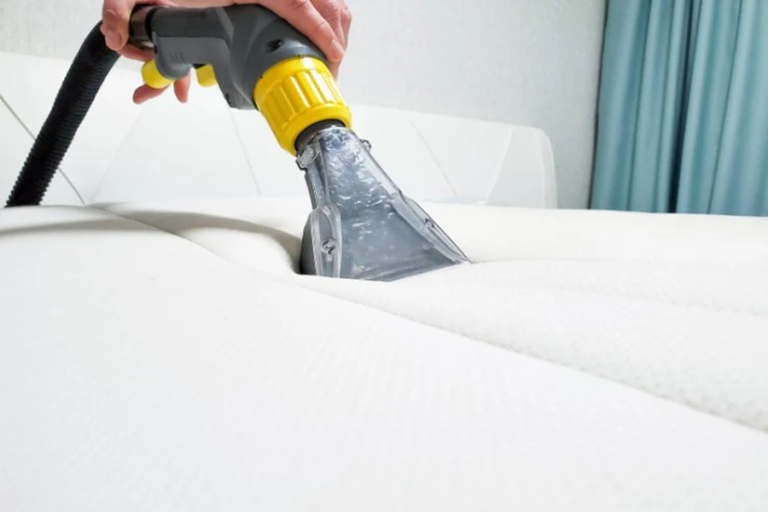
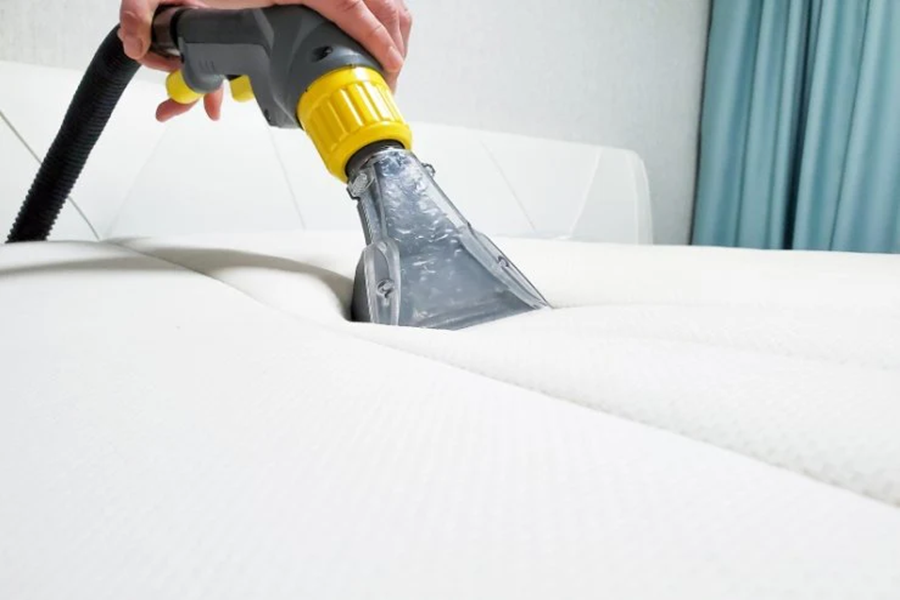
Using a standard vacuum cleaner without attachments may not yield optimal results when cleaning a mattress. Opt for an upholstery attachment or a handheld vacuum with strong suction power designed specifically for fabrics or soft surfaces. This type of tool helps target dust particles embedded deep within the fibers without damaging the material.
If your vacuum has a HEPA filter (High-Efficiency Particulate Air), even better—it can trap microscopic allergens like dust mites and pollen more effectively than regular filters.
The Proper Technique for Vacuuming Your Mattress
To thoroughly vacuum your mattress: 1. Start at one end of the bed and work systematically across its surface. 2. Use slow back-and-forth motions with gentle pressure to ensure suction penetrates deep into the fabric. 3. Pay extra attention to seams, edges, corners, and tufts where dirt often settles. 4. Flip the mattress over if it is double-sided or reversible and repeat the process on both sides.
By following this methodical approach, you’ll remove as much dirt and residue as possible from both visible areas and hidden crevices.
Deodorizing Your Mattress Naturally
Even after thorough vacuuming, mattresses can sometimes retain odors caused by moisture or sweat buildup over time. A simple yet effective way to neutralize these smells is by using baking soda—a readily available household item known for its odor-absorbing properties.
To deodorize: – Sprinkle an even layer of baking soda generously over the entire surface of your mattress. – Let it sit undisturbed for at least 15-30 minutes; for stronger odors, allow it to rest longer—up to several hours if needed. – Once done, use your vacuum again with an upholstery attachment to remove all traces of baking soda from the surface.
For an added touch of freshness during deodorizing, consider mixing a few drops of essential oil (such as lavender or eucalyptus) into the baking soda before application. This will leave behind a subtle fragrance once cleaned up.
When Professional Cleaning is Necessary
While regular vacuuming and deodorizing are effective at-home measures for basic maintenance, there are situations where professional-grade cleaning might be necessary—such as dealing with deeply embedded stains or persistent odors that cannot be removed through DIY methods alone. Many professional cleaners have access to industrial-strength vacuums that sanitize mattresses at deeper levels than household tools can achieve.
Vacuuming combined with deodorizing forms an integral part of caring for your mattress regularly—and helps protect one of your most significant investments in healthful sleep environments over time.
How to Remove Mattress Stains and Odors
Cleaning mattress stains and eliminating odors can be a daunting task, but with the right approach, your mattress can look and smell fresh again. Stains on a mattress aren’t just unsightly; they can also harbor bacteria, affect air quality, and lead to unpleasant smells over time. It’s essential to address these issues promptly and effectively using safe techniques that preserve your mattress’s durability.
Identifying the Type of Stain
Before diving into cleaning, determine what caused the stain. Common mattress stains include sweat, food or drink spills, blood, urine, or vomit. Each type requires a slightly different cleaning method to remove it efficiently without setting the stain deeper into the fibers.
For sweat stains: These often appear as yellow marks. They are typically protein-based, requiring mild enzymatic cleaners for effective removal.
For food or drink spills: These stains vary depending on the substance spilled. Coffee or juice stains may require a mix of detergent and white vinegar.
For biological stains (e.g., blood or urine): These require immediate attention since they can soak deeply into the mattress material if left untreated.
Cleaning Techniques for Mattress Stains
- Blotting is better than scrubbing: Use a clean cloth or paper towel to gently blot excess liquid from fresh spills before it seeps further into the mattress layers. Avoid scrubbing as this can push the stain deeper.
- Apply an appropriate cleaner: For biological stains like blood or sweat, use an enzymatic cleaner that breaks down organic matter. For non-biological stains such as coffee, mix one part white vinegar with two parts water and dab onto the area.
- Let it sit: Allow the cleaning solution to sit for 10-15 minutes so it has time to lift dirt and break down molecules causing discoloration.
- Gently remove residue: Use another damp cloth (with plain water) to wipe away any remaining cleaning solution.
- Dry thoroughly: Pat dry with a clean towel before leaving your mattress in a well-ventilated area to air-dry completely.
Eliminating Odors from Your Mattress
- Baking soda treatment: Sprinkle baking soda generously over your entire mattress surface after removing any visible residue from prior cleaning efforts.
- Resting period: Let baking soda sit for several hours—ideally overnight—to neutralize unpleasant odors by absorbing them naturally.
- Vacuuming: Use a vacuum cleaner with an upholstery attachment to thoroughly remove all traces of baking soda along with odor particles trapped within its fine powdery texture.
For strong odors stemming from biological accidents like pet urine, layering essential oils (like lavender) onto baking soda before applying can provide added deodorizing benefits while leaving behind a fresh scent.
Preventing Future Odors and Stains
To minimize future occurrences of both staining and odor accumulation: – Invest in waterproof mattress covers or protectors that serve as an additional barrier against liquids permeating deep into your bed’s core layers. – Spot clean spills immediately instead of allowing them time to dry naturally—this reduces potential damage significantly. – Rotate your mattress regularly so wear patterns remain even while promoting better ventilation overall—a key factor in reducing musty smells caused by poor airflow circulation beneath sheets covering its surfaces daily.
By addressing both visible spots promptly alongside longer-term preventive measures detailed above throughout ownership cycles spanning years ahead responsibly maintained mattresses retain youthful appearances extending their lives’ functional usability greatly benefiting health comfort-wise alike family members sharing households frequently resting upon them safely reassuringly nightly thereafter
Dealing with Dust Mites, Allergens, and Pet Hair
Dust mites, allergens, and pet hair can accumulate in your mattress over time, often leading to issues such as allergies, respiratory irritation, and general discomfort. These microscopic intruders are not only unsightly but can also compromise the quality of your sleep and your overall health. Keeping your mattress clean from these elements is essential for creating a healthy sleeping environment. Here’s how you can address these common contaminants effectively.
Understanding the Problem
Dust mites thrive in warm, humid environments and feed on dead skin cells that naturally shed onto mattresses over time. While they are invisible to the naked eye, their presence can trigger allergic reactions in susceptible individuals. Similarly, pet hair and dander can quickly become embedded in mattress fibers and contribute to allergens if you share a bed with furry friends. Over time, these particles build up unseen but may reduce air quality within the bedroom.
Vacuuming as Your First Line of Defense
A high-powered vacuum cleaner with a HEPA filter is one of the most effective tools against dust mites and pet hair. Use upholstery attachments specifically designed for mattresses to reach deep into crevices where dust mites tend to hide.
- Begin by removing all bedding to expose the mattress surface fully.
- Use slow, deliberate strokes when vacuuming to ensure thorough removal of particles.
- Pay extra attention to seams and edges where dust mites and pet hair are likely to accumulate.
Vacuuming weekly or bi-weekly will significantly reduce the buildup of unwanted materials.
Washing Bedding Regularly
Your bed linens act as a barrier between your body and the mattress itself. Washing sheets, pillowcases, and mattress protectors frequently helps limit skin flakes that attract dust mites. Launder these items in hot water (at least 130°F or 55°C), as it’s an effective temperature for killing both dust mites and bacteria.
For those who suffer from allergies or asthma, consider investing in hypoallergenic bedding materials or encasements designed to block allergens from reaching your mattress.
Natural Remedies for Allergens
- Baking Soda: Sprinkle baking soda across your mattress surface once a month or so. Let it sit for at least an hour before vacuuming it off.
- Essential Oils: Adding a few drops of tea tree oil or eucalyptus oil can provide natural antimicrobial properties while leaving behind a fresh scent.
- Sunlight Exposure: If possible, expose your mattress to direct sunlight for several hours every few months; UV rays naturally kill dust mites.
Managing Pet Hair
- Brush them regularly to minimize shedding throughout your home.
- Keep lint rollers handy for quick removals of loose fur from surfaces like pillows or comforters.
- Consider using washable throws on top of bedding that can easily be cleaned more frequently than heavier materials like duvets.
Long-Term Prevention Strategies
- Invest in a high-quality allergen-proof cover—these create an impermeable barrier between you and potential irritants.
- Maintain proper humidity levels; keeping indoor humidity below 50% makes it harder for dust mites to thrive.
- Aim for regular air filtration within your bedroom using devices such as HEPA air purifiers which capture airborne particles like dander before they settle on surfaces.
Maintaining vigilance against allergens may seem daunting at first but becomes second nature when incorporated into routine upkeep habits over time—ultimately ensuring healthier rest without interruption year-round.
Tips for Drying and Protecting Your Mattress
Properly drying and protecting your mattress is essential for extending its lifespan and ensuring a clean, hygienic sleeping environment. Moisture can be a significant issue because it creates an ideal breeding ground for mold, mildew, and bacteria. Once your mattress is clean, taking the correct steps to dry and safeguard it will help maintain its freshness and structural integrity.
The Importance of Thorough Drying
After cleaning your mattress, whether through spot cleaning or deeper methods like steam cleaning, ensuring that it dries completely is crucial. A damp mattress not only traps odors but also compromises the internal materials over time. To effectively dry your mattress, position it in a well-ventilated area with natural airflow. If weather permits, placing the mattress near an open window or even outside under a shaded area can speed up the drying process.
To accelerate drying indoors, use fans to circulate air over the surface of the mattress. Ceiling fans or standing fans placed strategically around the bed can reduce moisture buildup. On colder days or in high-humidity environments, consider using a dehumidifier to remove excess moisture from the room.
Using Mattress Protectors
Investing in a good-quality mattress protector acts as a barrier against accidental spills, bodily fluids, dust mites, and allergens. Choose one that is waterproof yet breathable so it doesn’t trap heat during sleep. Cotton-based protectors with polyurethane layers are often recommended as they combine comfort with effective safeguarding.
For additional benefits, look for protectors that have anti-microbial properties or those specifically designed to repel dust mites if allergies are a concern. Remember to wash your protector regularly according to manufacturer instructions; this keeps both the protector and your mattress free from dirt build-up.
Rotating Your Mattress for Even Wear
Another way to protect your mattress is by periodically rotating or flipping it (if compatible). Regular rotation prevents uneven wear in areas where weight is typically concentrated during sleep. Most experts recommend doing this every three months.
Avoiding Direct Sunlight Exposure
While sunlight can be beneficial for natural deodorizing when spot-drying specific stains outdoors briefly, prolonged exposure to direct sunlight can damage the fabric and foams of modern mattresses. Always use shaded areas when airing out your bed or drying it outside.
Preventing Future Spills and Stains
Aside from using protective covers, simple preventive measures go a long way toward keeping your mattress safe from spills. Avoid eating or drinking on the bed whenever possible. If you have pets that share the bed with you, consider laying down an extra washable cover atop your bedding as an added layer of protection against fur and accidents.
By incorporating these practices into your routine care habits, you’ll successfully extend your mattress’s life while ensuring daily comfort without compromising hygiene or structural quality over time.
How to Keep Your Mattress Fresh Longer
Maintaining a fresh and clean mattress is essential for both your comfort and overall health. While cleaning your mattress periodically is crucial, incorporating habits that keep it fresh for longer can significantly reduce the need for frequent deep cleaning and extend its lifespan. By adopting these practices, you can ensure a healthier sleeping environment free from unpleasant odors, allergens, and dust.
Use a Mattress Protector
One of the easiest ways to keep your mattress fresh is by investing in a high-quality waterproof mattress protector. A good protector acts as a shield against spills, sweat, dust mites, and other debris. It also makes cleaning easier since most protectors are machine washable. Choose one made from breathable materials to ensure airflow while protecting against stains or bacteria buildup.
Wash Bedding Regularly
Freshness begins with keeping the layers above your mattress clean. Wash sheets, pillowcases, and blankets at least once a week to prevent dust, body oils, sweat, and dead skin cells from accumulating on the surface of your bed. For additional freshness, consider adding natural fabric softeners or essential oils like lavender during laundry cycles.
Let Your Mattress Breathe
Air circulation is key in preventing moisture buildup that may lead to odors or mold growth over time. Whenever you change the sheets or bedding, leave your mattress uncovered for an hour or two to allow it to air out naturally. If possible, open windows in your bedroom during this time for added ventilation.
Rotate Your Mattress Periodically
To avoid uneven wear and sagging—both of which can trap dust particles or allergens—rotate or flip your mattress every few months based on its design. For one-sided mattresses that cannot be flipped over, rotating them 180 degrees will still help distribute weight evenly across its surface.
Avoid Eating in Bed
Food crumbs left behind in bed can attract pests like ants or even create bacterial growth if unnoticed spills occur. Limiting snacking or meals in bed helps maintain cleanliness as well as reduces the chances of stains developing on your mattress over time.
Vacuum Between Cleanings
Even with precautions like protectors and regular laundering of bedding materials, some dust particles inevitably settle onto mattresses over time. To prevent accumulation between full cleanings, vacuuming monthly ensures no dirt gets deeply embedded into fibers while maintaining freshness at surface levels.
Absorb Odors Naturally
To neutralize any subtle smells lingering between more thorough cleaning sessions without harsh chemicals involved: sprinkle baking soda lightly across exposed areas then let sit before vacuuming thoroughly—this naturally absorbs odors leaving behind neutral scents instead of overpowering artificial ones widely commercialized alternatives provide.