Why Regular Outdoor Furniture Cleaning Matters
Preserve Aesthetics
Outdoor furniture is constantly exposed to dust, pollen, bird droppings, and other debris. Over time, these elements can dull the original color and charm of your furniture. Routine cleaning helps maintain its visual appeal by preventing stains or discoloration from becoming permanent.
Prevent Material Degradation
Certain materials like wood and wicker are particularly susceptible to damage when dirt and moisture accumulate. Dirt particles can act as abrasives on surfaces like metal or plastic during handling. Regular cleaning minimizes this risk by removing harmful substances before they cause lasting harm.
Protect Against Mold and Mildew
Moist environments encourage mold and mildew growth on outdoor furniture. Not only are these fungi unsightly, but they can also emit unpleasant odors or pose health hazards if left untreated. Frequent cleaning disrupts mold spores before they have a chance to spread.
Extend Longevity
Investing in quality outdoor furniture isn’t cheap—so why not protect that investment? Accumulated grime or exposure to contaminants can weaken materials over time, leading to cracking, rusting, or warping. A simple cleaning schedule ensures your pieces stay sturdy and functional for years.
Create a Safer Environment
By keeping your furniture clean, you ensure that it remains safe for use. Sticky residues or slippery mold-covered surfaces could pose hazards both for children and adults using the space.
Benefits of Establishing a Cleaning Routine
- Easier Maintenance: Addressing messes promptly reduces effort later since grime won’t have time to set in.
- Cost Savings: Well-maintained furniture reduces the need for costly replacements or professional restoration services.
- Improved Comfort: Clean surfaces enhance usability by eliminating sticky spots, rough edges from corrosion, or unpleasant smells.
Suggested Frequency of Cleaning Tasks
| Type of Furniture Use | Suggested Cleaning Frequency |
| Light Use (e.g., occasional dining) | Every 1–2 weeks |
| Moderate Use (e.g., seasonal gatherings) | Weekly |
| Heavy Use (e.g., daily lounging) | Twice per week |
For areas prone to extreme weather conditions or heavy pollution (e.g., coastal regions with salt air), consider increasing frequency accordingly.
Quick Tip: Combine Maintenance with Seasonal Transitions
In addition to regular cleanings throughout spring and summer months when outdoor spaces see heavy use, do a deep clean before storage during colder seasons or right after winter ends. This proactive approach will reduce chances of damage caused by prolonged neglect while making your transition into each season smoother.
By prioritizing consistent care for your outdoor furniture today, you’ll ensure both durability and beauty tomorrow—a small effort with long-term rewards.
Identifying Your Furniture Material (Wood, Metal, Plastic, Wicker)
Understanding the material of your outdoor furniture is essential for choosing the right cleaning approach and avoiding unnecessary damage. Each material has specific needs and limitations when it comes to cleaning products and techniques. Below is a detailed guide to help you identify your furniture type and care for it effectively.
Common Outdoor Furniture Materials and How to Identify Them
- Look for a natural grain pattern or knots, which are characteristic of wood furniture.
- Common types of wood used outdoors include teak, cedar, acacia, and eucalyptus.
- Wood often feels warmer to the touch compared to metal or plastic.
- Metal furniture is typically heavier than other materials.
- You may notice rust spots if the metal is untreated or if its protective coating has worn off.
- Aluminum, wrought iron, and stainless steel are popular choices due to their durability.
- Lightweight and easy to move around.
- Smooth texture and uniform appearance without grain patterns or visible joints.
- Often comes in vibrant colors that resist fading.
- Wicker furniture has a woven texture that can be made from natural rattan or synthetic resin.
- Natural wicker feels rougher than synthetic resin wicker, which tends to be smoother and more durable under harsh weather conditions.
Material-Specific Characteristics Table
| Material | Key Features | Common Issues | Durability |
| Wood | Natural grain patterns | Warping, moisture absorption | High (if sealed) |
| Metal | Heavyweight; rust-prone | Rusting in humid climates | Very high |
| Plastic/Resin | Lightweight; smooth surface | Discoloration from sun | Moderate |
| Wicker | Woven appearance | Mold in damp conditions | Varies |
Why Knowing Your Furniture Material Matters
- Cleaning Solutions: Harsh chemicals can strip wood finishes or corrode metal coatings. For example:
- Wood requires gentle cleaners like mild soap diluted in water.
- Plastic can handle stronger cleaning agents but may scratch easily with abrasive tools.
- Weather Resistance: Materials like synthetic wicker or treated metals are better equipped for exposure to rain or sunlight compared to untreated wood or natural wicker.
- Repair Needs: Wooden furniture might need refinishing over time; meanwhile, rusty metal will require sanding and repainting.
Tips for Proper Identification
- Check the manufacturer’s label usually located underneath chairs or tables.
- Conduct a water test: Water beads up on sealed wood but soaks into untreated surfaces like natural rattan.
- Look at online product descriptions if you still have access to purchase details.
Taking time to correctly identify your outdoor furniture’s material ensures you select appropriate cleaning methods while prolonging its lifespan.
How to Remove Mold, Mildew, and Stubborn Stains
Outdoor furniture is constantly exposed to the elements, making it susceptible to mold, mildew, and stubborn stains. These can not only ruin the appearance of your furniture but may also weaken its structural integrity over time if left untreated. Properly addressing these issues requires specific techniques and tools tailored to the type of material. Below is a detailed guide to help you remove mold, mildew, and tough stains safely and effectively.
Understand the Problem: Mold vs. Mildew
Before diving into cleaning, it’s important to distinguish between mold and mildew: – Mold: Typically appears as black or green spots that grow in damp conditions. – Mildew: A lighter-colored growth that looks powdery or fluffy, often white or gray.
Both thrive in moist environments but require slightly different cleaning approaches.
Materials You’ll Need for Cleaning
- Mild dish soap or detergent
- White vinegar (for organic materials like wood)
- Baking soda (great for scrubbing without damage)
- A soft-bristle brush or sponge
- A bucket of warm water
- Rubbing alcohol or hydrogen peroxide (for persistent stains)
- Protective gloves
- Garden hose with spray attachment
For tougher jobs: – Commercial furniture cleaners labeled safe for your material
– Bleach solution (1 part bleach to 10 parts water; use sparingly on non-delicate items)
Cleaning Mold and Mildew by Material Type
| Material | Cleaning Method |
| Wood | – Mix equal parts white vinegar and warm water. Use a soft brush to scrub gently.- For hardwoods like teak, add a small amount of dish soap to prevent drying out. |
| Metal | – Combine baking soda with water into a paste; apply it directly on affected areas.- Scrub gently with a non-abrasive sponge; rinse thoroughly with clean water.- Dry quickly to prevent rusting. |
| Plastic | – Create a mix of warm soapy water with one tablespoon of baking soda per gallon.- Wipe down surfaces using circular motions; rinse well after cleaning. |
| Wicker | – Use mild detergent with warm water; dip only lightly since excessive moisture can warp wicker.- Allow wicker furniture to fully air dry in sunlight. |
Note: Always test cleaning solutions on an inconspicuous area first before applying them widely.
Stubborn Stains: Extra Measures
If regular cleaning doesn’t fully remove tough stains: 1. For organic stains (e.g., bird droppings), use an enzyme-based cleaner. 2. Oil-based stains (e.g., sunscreen) respond well to rubbing alcohol applied sparingly. 3. Rust spots on metal? Try using lemon juice mixed with salt—rub gently onto the stain before rinsing.
For deep-set dirt or recurring issues such as algae growth, investing in a pressure washer may be worthwhile—but remember not all materials are suitable for high-pressure washing.
Preventing Future Mold and Mildew Growth
Once cleaned, take steps to reduce recurrence: – Apply protective coatings like sealants or UV protectors for wood. – Store cushions indoors when not in use. – Ensure proper ventilation around furniture by placing them where air circulates freely. – Cover items during prolonged rain or snow exposure.
By following these steps diligently, your outdoor furniture will stay fresh-looking while resisting stubborn grime for longer periods.
Step-by-Step Cleaning Process for All Materials
Cleaning outdoor furniture effectively requires understanding the nuances of each material and adopting a methodical approach. A step-by-step process ensures that dirt, grime, and debris are removed without damaging the furniture. Below is a detailed guide to cleaning outdoor furniture of various materials.
1. Gather Your Cleaning Supplies
- Soft-bristle brush or sponge (non-abrasive)
- Bucket of warm water
- Mild dish soap or specialized cleaner for certain materials
- Microfiber cloths or towels
- Garden hose or spray bottle
- Optional: white vinegar (for mold and mildew), baking soda (for stubborn stains)
2. Remove Surface Dirt and Debris
Start by brushing off loose dust, dirt, and debris from your furniture’s surface. Use a soft-bristle brush or dry microfiber cloth for delicate materials like wicker. For metal and plastic surfaces, a hose with gentle water pressure can be used.
Tip: Avoid using high-pressure washers on materials like wood or wicker as they can cause splintering or warping.
3. Prepare the Cleaning Solution
| Material Type | Suggested Solution |
| Wood | Mix mild dish soap with warm water |
| Metal | Dish soap with warm water; vinegar for rust spots |
| Plastic/Resin | Dish soap or all-purpose cleaner diluted in water |
| Wicker | Mild soap solution; consider adding white vinegar for natural wicker |
4. Wash Thoroughly
- For wooden furniture: Follow the grain while scrubbing to prevent scratches.
- For metal surfaces: Pay attention to crevices where rust might form.
- For plastic: Focus on corners where grime tends to accumulate.
- For wicker: Be gentle to avoid damaging intricate patterns; use a toothbrush for hard-to-reach areas.
Rinse thoroughly with clean water once you’ve scrubbed all surfaces.
5. Tackle Stubborn Stains
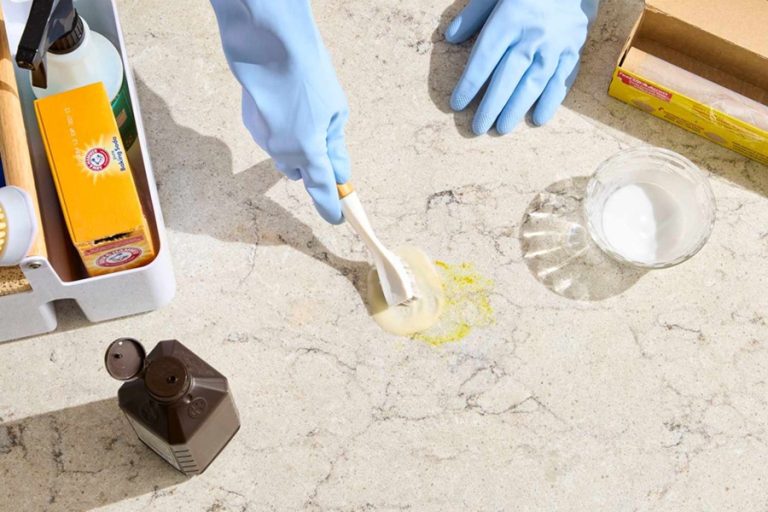
- Mix baking soda with a small amount of water to create a paste.
- Apply it directly to the stain using circular motions.
- Let it sit for 10–15 minutes before rinsing off.
For mold or mildew stains: – Combine equal parts white vinegar and warm water in a spray bottle. – Spray the affected area generously and let it sit for at least 30 minutes before wiping clean.
6. Dry Completely
After washing, pat dry all surfaces with clean towels to prevent moisture buildup that can lead to mold growth or rusting.
7. Special Finishes & Maintenance Considerations
- Apply protective sealants for wooden furniture annually.
- Wax metal pieces to prevent rust if they lack weatherproof coatings.
- Use UV-protectant sprays designed for plastic/resin surfaces to reduce fading from sunlight exposure.
This consistent cleaning process ensures that any material—be it wood, metal, plastic, or wicker—remains in excellent condition throughout its lifespan while maintaining visual appeal and usability year-round.
How to Remove Mold, Mildew, and Stubborn Stains
Mold, mildew, and stubborn stains can be frustrating issues on outdoor furniture, especially in humid or damp climates. Proper removal not only restores the beauty of your furniture but also prevents damage over time. Here’s a detailed guide to tackling these persistent problems while keeping your furniture safe.
1. Assess the Severity and Type of Stain
- Mold or Mildew: Often appears as black or greenish spots caused by moisture buildup.
- Rust Stains: Common on metal furniture due to prolonged exposure to humidity.
- Organic Stains: Includes bird droppings, plant residue, or food spills that have set in.
Understanding the type of stain helps you choose the right cleaning method and solution.
2. Supplies You’ll Need
| Cleaning Supplies | Purpose |
| Soft-bristled brush or sponge | For scrubbing without damaging surfaces |
| Bucket of warm water | To dilute cleaning agents |
| Mild dish soap | General-purpose cleaner for most materials |
| White vinegar | Natural mold and mildew killer |
| Baking soda | Effective against odors and organic stains |
| Bleach solution (optional) | For tough mold on non-porous surfaces |
| Protective gloves | Avoid direct contact with harsh chemicals |
Note: Always check your furniture’s care instructions before using bleach.
3. Mold and Mildew Removal Process
- Dry Scrub First: Use a dry soft-bristled brush to gently remove loose mold spores without spreading them further.
- Prepare Cleaning Solution: Mix warm water with either white vinegar (1 part vinegar to 3 parts water) or mild dish soap.
- Apply Solution: Sponge or spray the solution onto the affected area thoroughly.
- Scrub Gently: Use a soft-bristled brush to scrub in circular motions until the mold begins lifting away.
- Rinse Well: Rinse with clean water to prevent residue from attracting more dirt.
- Air Dry Completely: Mold thrives in moisture—ensure your furniture is completely dry before use.
For persistent mold that won’t budge on plastic or metal surfaces, you can use a diluted bleach solution (1 part bleach to 10 parts water). Test this on an inconspicuous area first.
4. Removing Rust Stains (Metal Furniture)
If you spot rust on metal furniture: – Create a paste using baking soda and water. – Apply it directly over the rust spot. – Scrub gently with steel wool or fine-grade sandpaper for severe rust. – Rinse thoroughly and apply a layer of protective wax or sealant once dry.
5. Tackling Organic & Other Tough Stains
For other stubborn marks like bird droppings: – Soak a cloth in warm soapy water mixed with baking soda. – Gently press it onto stains for about 10–15 minutes to loosen debris before scrubbing lightly. Make sure not to use abrasive tools that could scratch your furniture’s surface.
Pro Tip: Preventing Future Problems
After removing stains: – Use protective covers during bad weather conditions like rain or snow. – Apply weatherproof sprays specific to your material type (e.g., wood sealants or metal primers). Regular maintenance reduces chances for recurring stains while extending your outdoor furniture’s lifespan.
By addressing these issues promptly using proper techniques tailored to each material type, you can maintain fresh-looking outdoor pieces season after season without compromising their structural integrity.
Deep Cleaning vs. Routine Maintenance
Proper care for outdoor furniture requires understanding the difference between routine maintenance and deep cleaning. While regular upkeep ensures your furniture remains functional and visually appealing, deep cleaning tackles built-up dirt, stains, and potential damage that routine cleaning might miss. Below, we explore how to approach each method effectively.
Routine Maintenance: Keeping Furniture Fresh
- Dusting and Wiping Down Surfaces
Use a soft-bristle brush or microfiber cloth to remove surface dust. This step is particularly important for wooden or wicker furniture where dust can settle into crevices. - Quick Wash with Soapy Water
Mix a small amount of mild dish soap with warm water in a bucket. Wipe down surfaces gently using a soft cloth or non-abrasive sponge. - Spot Cleaning Stains Promptly
If you notice spills or stains, clean them immediately before they set. For most materials like plastic or metal, mild soap and water work well. For wood or wicker, blot the stain gently rather than scrubbing to avoid damage. - Check Hardware and Joints
Tighten screws and bolts periodically if your furniture has moving parts like hinges or adjustable frames.
Frequency: Perform these tasks weekly or biweekly depending on environmental conditions (e.g., weather exposure).
Deep Cleaning: Tackling Embedded Dirt & Stubborn Spots
Deep cleaning requires more effort but restores your outdoor furniture to its original condition by addressing grime that builds up over time.
- Inspect the Furniture First
Before starting, assess the material type (wood, metal, plastic) to determine safe cleaning methods. Check for cracks or areas needing repair that could worsen with scrubbing. - For wood: Opt for wood-specific cleaners that protect finishes while removing dirt.
- For metal: Remove rust using vinegar or baking soda solutions.
- For wicker: Use a vacuum with a brush attachment before wiping down surfaces.
- For plastic: A mixture of baking soda paste can help lift stubborn grime from white plastic chairs or tables.
- Soak Cushions Separately
Detachable cushions should be cleaned differently depending on their material: - Machine washable covers can be laundered following manufacturer instructions.
- Foam padding should be hand-washed using soapy water and left to air dry completely under shade.
- Scrub Gently Using Proper Tools
Avoid abrasive brushes unless necessary for heavy buildup on durable materials like metal or plastic. Always test an inconspicuous area first when using new tools or products. - Rinse Thoroughly & Dry Properly
After applying cleaners, rinse all surfaces thoroughly with clean water to remove any residue that could degrade the material over time. Allow furniture to air dry completely in a shaded area to prevent warping (especially for wood).
Frequency: Perform deep cleaning every three months—or as needed based on weather exposure and visible dirt buildup.
| Task | Routine Maintenance Frequency | Deep Cleaning Frequency |
| Dust/Wipe Surfaces | Weekly/Biweekly | Every 3 Months |
| Spot Cleaning | As Needed | — |
| Clean Cushions | — | Monthly/Quarterly |
| Rust/Damage Checks | Monthly | Quarterly |
Key Differences Between the Two
While routine maintenance focuses on prevention through light cleaning tasks done frequently, deep cleaning is more intensive and aims at removing accumulated grime that basic maintenance cannot address effectively.
By combining both approaches strategically based on usage patterns and environmental exposure of your outdoor furniture, you can extend its lifespan while preserving its functionality and aesthetic appeal all year long without unnecessary replacements.
Tips to Protect Outdoor Furniture from Weather Damage
Outdoor furniture is constantly exposed to the elements, which can affect its durability and appearance. Protecting your furniture from weather damage not only extends its lifespan but also keeps it looking great year-round. Below are practical strategies to shield your outdoor furniture from rain, sunlight, humidity, and other environmental factors.
Use Protective Covers
- Water-resistant or waterproof: To prevent damage from rain and moisture.
- UV-resistant: To minimize fading or cracking caused by sun exposure.
- Breathable: To reduce condensation and mold growth underneath the cover.
Always ensure the covers fit snugly over your furniture for maximum protection but allow for some airflow to avoid trapped moisture.
Store Furniture During Harsh Weather
- Use a shed or garage.
- Place items under a covered patio or awning.
- Elevate wooden and metal pieces off the ground using pallets during rainy seasons to prevent water pooling.
Apply Weatherproof Treatments
- Wood: Apply a weather-resistant sealant annually to prevent rot, cracking, and warping caused by moisture.
- Metal: Use rust-resistant sprays or paint on steel or iron surfaces. Aluminum typically resists rust but still benefits from regular cleaning.
- Plastic: While generally more weatherproof, plastic can fade with UV exposure. Consider applying a UV-protectant spray for added durability.
Make sure you select treatments specifically recommended for the type of material you’re working with.
Position Furniture Strategically
- Keep items under shade structures like pergolas, umbrellas, or trees to protect them from excessive sunlight.
- Avoid placing furniture directly on soil or grass where moisture may accumulate; instead, use hard surfaces like concrete patios or decking.
Clean Regularly
- Remove cushions (if applicable).
- Dust off loose debris using a soft brush or cloth.
- Rinse surfaces with mild soap and water—avoid abrasive cleaners that could strip finishes.
Regular maintenance ensures protective coatings remain intact while extending the beauty of your furniture.
Invest in Weather-Resistant Materials
| Material | Key Benefits | Care Tips |
| Teak Wood | Naturally resistant to rot | Oil yearly; clean regularly |
| Aluminum | Rust-resistant | Wipe clean; avoid strong abrasives |
| Resin Wicker | Durable & UV-resistant | Cover when not in use |
| Powder-Coated Steel | Resists corrosion if coated well | Inspect coating periodically |
By selecting durable materials upfront, you’ll reduce long-term maintenance concerns significantly.
Rotate Items Seasonally
To ensure all sides of your furniture wear evenly over time, rotate items periodically throughout the season—for example, moving chairs exposed directly to sunlight into shaded areas occasionally.
By following these tips consistently and tailoring them based on material types and climate challenges in your area, you’ll effectively minimize damage caused by weather while keeping your outdoor space inviting year-round.