Why Your Entryway Needs Regular Deep Cleaning
Your entryway or foyer is the gateway to your home. It’s the first impression visitors get and often sets the tone for the rest of your space. However, due to its high traffic, this area tends to accumulate dirt, dust, and clutter faster than other parts of your home. Regular deep cleaning is essential not just for aesthetic reasons but also for maintaining hygiene and prolonging the life of materials in this space.
The Benefits of Deep Cleaning Your Entryway
- Improved Indoor Air Quality: Dust and allergens from shoes, outerwear, and bags often settle here. Cleaning ensures these particles don’t spread throughout your home.
- Enhanced Durability: Dirt can degrade flooring materials like hardwood or tiles over time if not removed regularly.
- Better First Impressions: A clean entryway creates a welcoming atmosphere for both guests and residents.
- Easier Maintenance: A thoroughly cleaned space is simpler to maintain on a day-to-day basis.
Why Deep Cleaning Is Different From Routine Tidying
A quick vacuum or wipe-down may suffice during daily cleaning, but deep cleaning addresses hidden grime that builds up over weeks or months. Tasks like cleaning baseboards, scrubbing grout lines, and washing textured surfaces in this area are crucial for thorough maintenance.
| Activity | Routine Cleaning | Deep Cleaning |
| Sweeping/Vacuuming | Daily or weekly | Includes moving furniture & rugs |
| Wiping Surfaces | Basic dust removal | Scrubbing with appropriate cleaners |
| Floor Care | Spot mopping | Polishing/sealing (as needed) |
Signs Your Entryway May Need Immediate Attention
If you’re unsure whether it’s time for a deep clean, look out for: – Persistent odors near shoes or rugs
– Noticeable scuffs on walls or floors
– Dust buildup on forgotten areas like light fixtures
– Stains on entryway mats that regular vacuuming hasn’t resolved
The Role of Seasonal Changes
The type of debris entering your foyer varies with seasons: – Winter: Salt stains from snow treatments can damage floors.
– Spring: Mud from rainy weather can accumulate quickly.
– Summer/Fall: Dust and dry leaves track indoors during warmer months.
By understanding why deep cleaning is critical for this high-use space, you can ensure it stays fresh and functional year-round while preventing long-term damage to flooring and furnishings.
How to Clean Floors, Walls, and High-Touch Surfaces
A clean entryway sets the tone for your home and contributes to a welcoming atmosphere for guests. Cleaning the floors, walls, and high-touch surfaces in this space requires a thorough approach to ensure both cleanliness and longevity of materials. Below is a step-by-step guide to tackling these areas effectively.
Floors: Deep Cleaning for Longevity
- Sweep or vacuum to remove debris before mopping.
- Use a pH-neutral hardwood cleaner with a damp (not wet) microfiber mop to avoid moisture damage.
- For stubborn stains or scuff marks, apply a small amount of baking soda paste (baking soda mixed with water) using a soft cloth, then wipe clean with a damp rag.
- Apply wood polish occasionally to restore shine.
- Vacuum or sweep thoroughly, paying attention to grout lines where dirt accumulates.
- Mop with warm water mixed with a mild detergent or stone-safe cleaner if applicable. Avoid harsh chemicals like bleach on natural stone.
- Scrub grout using an old toothbrush dipped in a mixture of baking soda and vinegar for deep cleaning.
- Vacuum thoroughly using the hose attachment for corners and edges.
- Spot-treat stains by blotting (never rubbing) them with warm water mixed with dish soap or carpet cleaner.
- Consider steam-cleaning the carpet if it has accumulated dirt over time.
Walls: Maintain Spotless Surfaces
- Dust walls using an extendable microfiber duster or soft cloth.
- For painted walls:
- Mix warm water with mild dish soap in a bucket.
- Dip a soft sponge into the solution, wring out excess liquid, and gently wipe down surfaces.
- Focus on areas around light switches where grime often collects.
- For wallpapered walls:
- Use dry methods like dusting or lightly wiping with a dry microfiber cloth.
- Spot-clean non-washable wallpaper sparingly using minimal water-based solutions.
High-Touch Surfaces: Disinfecting Key Areas
- Doorknobs & Handles: Wipe down with disinfectant wipes or spray disinfectant onto a clean cloth before wiping all sides of handles and knobs.
- Light Switches & Thermostat Panels: Use slightly dampened microfiber cloths or pre-moistened disinfecting wipes; avoid oversaturating electronics.
- Handrails/Bannisters: Clean these surfaces regularly using warm soapy water followed by drying immediately to prevent streaks.
| Surface Type | Cleaning Method | Frequency |
| Hardwood Floors | pH-neutral hardwood cleaner + microfiber mop | Weekly |
| Tile/Stone Floors | Mild detergent/stone-safe cleaner + grout scrubbing | Biweekly |
| Doorknobs | Disinfectant wipes/spray | Daily/as needed |
| Walls | Warm soapy water + sponge | As needed |
By following these strategies consistently, your entryway floors, walls, and high-touch surfaces will remain spotless while preserving their integrity long-term.
How to Clean Floors, Walls, and High-Touch Surfaces
A clean entryway sets the tone for the rest of your home and is one of the first things guests notice. Focusing on floors, walls, and high-touch surfaces during a deep clean ensures that your foyer not only looks inviting but is also free from dirt, scuffs, and germs. Here’s how to tackle these areas effectively.
Cleaning Entryway Floors
- Sweep or vacuum using a soft-bristle attachment to remove loose debris.
- Mop with a damp (not wet) microfiber mop and a hardwood-safe floor cleaner. Avoid excessive water as it can damage wood.
- Buff dry with a clean cloth or dry mop to restore shine.
- Vacuum or sweep thoroughly to remove grit that can scratch the surface.
- Use a pH-neutral cleaner suitable for tile or stone and mop with warm water.
- Scrub grout lines gently with a toothbrush or grout brush if they’re discolored.
- Sweep regularly to prevent scratching by dirt particles.
- Wipe down with a damp microfiber mop using laminate-specific cleaning solutions.
Addressing Walls
- Dust the walls with a microfiber dusting tool to remove any cobwebs or surface dust.
- Spot-clean stains and marks using mild soap mixed with water on a soft sponge.
- For stubborn scuffs: Use an eraser sponge gently to avoid damaging paint finishes.
- If you have wallpapered walls: Follow manufacturer guidelines; some wallpapers may require dry cleaning methods only.
Sanitizing High-Touch Surfaces
- Doorknobs & Handles: Disinfect using wipes or sprays specifically designed for high-contact surfaces.
- Light Switches: Wipe switches with an alcohol-based disinfectant solution using care not to oversaturate.
- Railings & Banisters (if applicable): Dust thoroughly before wiping down with soapy water followed by disinfectant.
- Key Bowls/Trays & Hooks: Empty out any small organization trays holding keys or sunglasses; wash them before placing items back.
| High-Touch Surface | Cleaning Frequency | Recommended Product/Method |
| Doorknobs | Weekly | Disinfectant wipes/sprays |
| Light Switches | Weekly | Alcohol-based cleaner |
| Railings/Banisters | Biweekly | Soap + Disinfectant Spray |
| Key Bowls/Trays | Weekly | Warm soapy water |
Final Touches for Polished Results
After cleaning floors, walls, and high-touch surfaces: – Use an air purifier or open windows briefly while cleaning for better air circulation. – Add subtle fragrance through natural diffusers near the foyer (e.g., lavender essential oil). – Inspect your work under natural light to ensure no spots were missed.
By dedicating time to deep-cleaning these foundational elements—floors, walls, and touchpoints—you’ll create an inviting space that feels both fresh and hygienic every time someone steps inside.
How to Clean Floors, Walls, and High-Touch Surfaces
A thorough cleaning of your entryway requires special attention to the floors, walls, and high-touch surfaces, as these areas endure significant wear and accumulate grime over time. Here’s a step-by-step guide to help you achieve a spotless, inviting foyer.
Cleaning the Floors
The floor is one of the dirtiest areas in any entryway due to constant foot traffic. The type of flooring in your foyer will dictate how you clean it effectively.
- Sweep or vacuum the area using a soft-bristled broom or hardwood-compatible vacuum attachment.
- Use a damp microfiber mop with a wood-safe cleaner for deeper cleaning without soaking the surface.
- Dry immediately with a clean towel to prevent water damage.
- Vacuum or sweep up dirt and debris first.
- Mop using warm water mixed with tile-safe detergent or an all-purpose cleaner. For grout stains, use a baking soda paste and scrub gently with an old toothbrush.
- Vacuum thoroughly with focus on high-traffic areas.
- Spot-clean stains using an appropriate carpet stain remover. For deeper cleaning, consider renting or using a steam cleaner.
Paying Attention to Walls
Walls near entryways often collect smudges from hands, bags, shoes, and even splashes from wet umbrellas.
- Start by dusting walls using a long-handled duster or soft cloth to remove loose particles like cobwebs and dust.
- For washable paint or wall finishes: Use a mild soap solution on a sponge to wipe away fingerprints, scuffs, and other marks.
- Avoid soaking walls; wring out excess water before wiping.
- For wallpapered surfaces: Test on an inconspicuous area first before lightly wiping with damp (not wet) microfiber cloths.
Sanitizing High-Touch Surfaces
- Doorknobs & Handles: Wipe them down weekly with disinfectant wipes or spray onto a clean cloth (not directly on metal surfaces).
- Light Switches: Spray disinfectant onto a cloth rather than directly onto switches for added safety against moisture damage.
- Railings & Balusters (if applicable): Dust first; then sanitize wooden railings carefully with wood-safe products while ensuring metal parts are disinfected properly.
Extra Tips for Deeper Freshness
If your foyer has additional features like mirrors or glass panels: – Wipe glass surfaces using streak-free glass cleaners paired with lint-free microfiber cloths for optimal clarity. – Remove smudges around door frames by gently scrubbing marks caused by hands or dirt buildup.
| Surface | Best Product | Frequency |
| Hardwood Floor | Wood-safe cleaner | Weekly; daily sweeping |
| Tile Floor | All-purpose cleaner | Weekly; spot-clean spills |
| Doorknobs | Disinfectant wipes | Twice per week |
| Walls | Mild soapy solution | Monthly/dirt visibility |
By meticulously attending to these core areas—floors, walls, and high-touch elements—you’ll create an entryway that’s not only clean but also welcoming for guests and family alike.
Tips to Keep Dirt and Mud From Entering Your Home
Preventing dirt and mud from entering your entryway is key to keeping it clean and reducing the frequency of deep cleans. With a few preventative measures, you can protect your floors, save time on cleaning, and maintain a welcoming space for family and guests. Below are practical strategies to minimize the mess.
Implement a No-Shoes Policy
- Encourage everyone in your household to remove their shoes at the door.
- A shoe rack or cubby near the entrance.
- A basket or tray for frequently worn pairs.
- Offer indoor slippers or socks for guests to make them feel comfortable without shoes.
Use Durable Doormats Inside and Out
Doormats serve as the first line of defense against dirt. Make sure to choose high-quality options for both outside and inside the entrance.
– Outdoor Mats: Opt for heavy-duty, weather-resistant mats with bristles or ridges that scrape off mud and debris effectively.
– Indoor Mats: Use absorbent rugs or mats that trap moisture and finer particles carried indoors.
Pro Tip: Wash or shake out doormats regularly to ensure they remain effective.
| Recommended Mat Features | Outdoor Mats | Indoor Mats |
| Material | Coir, rubber | Microfiber, cotton |
| Key Function | Scraping off mud and dirt | Absorbing moisture |
| Cleaning Frequency | Weekly shake-off/hose down | Machine washable/spot clean |
Add a Boot Tray or Shoe Station
A boot tray near the door can help contain wet, muddy boots during rainy seasons or snowy days.
– Look for trays with raised edges to prevent water from spilling onto your floors. – Place absorbent liners inside the tray to wick away excess moisture.
Protect Your Floors
If your entryway has high foot traffic during bad weather: – Add washable rugs or runners in areas prone to collecting dirt. – Consider floor mats with waterproof backing if water damage is a concern. – For hardwood floors, use furniture pads under heavy items like storage benches, ensuring no scratches occur while cleaning up tracked-in messes.
Install Storage Solutions
Beyond addressing shoes, having proper storage further reduces clutter brought in from outdoors: – Add hooks for jackets, umbrellas, and bags so nothing ends up scattered on the floor. – Include small bins or baskets for keys, mail, gloves, and other on-the-go essentials.
Maintain Landscaping Around Entry Points
The state of your outdoor environment also affects how much debris enters your home: – Sweep porches and walkways regularly to keep dirt at bay before it even reaches your door. – Trim overhanging trees or bushes that may drop leaves into busy pathways leading to your entryway.
By implementing these measures proactively—and maintaining them consistently—you not only reduce cleaning effort but also extend the lifespan of entryway surfaces while enhancing overall cleanliness throughout your home.
Creating a Maintenance Routine for a Cleaner Entrance
A maintenance routine is key to keeping your entryway consistently clean and welcoming. Establishing habits and schedules ensures this high-traffic area doesn’t just look good after a deep cleaning but remains functional, organized, and inviting all year round. Below are steps, suggestions, and strategies for creating an effective upkeep routine tailored to your home’s needs.
Assess Your Entryway’s Specific Needs
Every entryway is unique in terms of size, layout, and materials. Before establishing a routine:
– Identify high-traffic zones (e.g., pathways leading to stairs or living areas).
– Note the types of surfaces present (hardwood, tile, carpet) as these require different cleaning methods. – Consider seasonal variations — mud during spring rains or salt residue from winter snow can impact your routine.
Break It Down Into Daily, Weekly, and Monthly Tasks
| Frequency | Tasks |
| Daily | – Sweep or vacuum dirt and debris tracked in.- Wipe down high-touch areas like light switches or doorknobs.- Hang up coats and put away shoes immediately. |
| Weekly | – Shake out doormats outside or wash if machine-washable.- Mop floors (or spot clean).- Dust furniture like entry tables or shelves.- Organize mail trays or key bowls to prevent clutter buildup. |
| Monthly | – Deep-clean rugs or runners using appropriate methods for fabric type.- Wash walls with a gentle cleaner where scuff marks appear.- Inspect storage solutions (bins, baskets) for dirt accumulation.- Polish mirrors or glass doors clean of fingerprints or smudges. |
Incorporate Storage Solutions That Simplify Cleaning
One of the best ways to reduce mess in your entryway is by ensuring everything has its place:
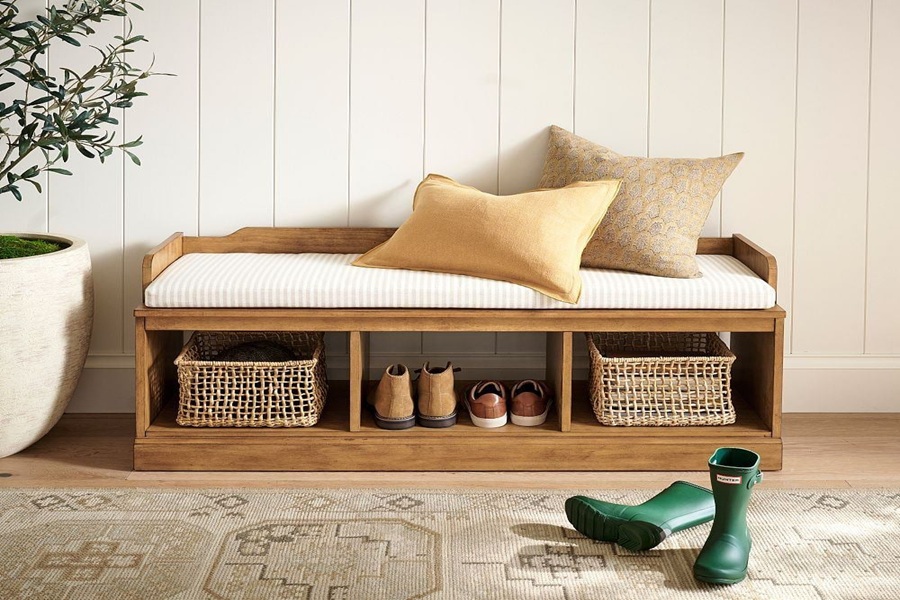
– Add storage benches with compartments for shoes and boots. – Use wall hooks at varying heights to accommodate coats, hats, bags, and umbrellas. – Install a small shelf or organizer near the door for keys, wallets, sunglasses, etc.
When things are stored properly right away, it minimizes the time spent tidying later.
Seasonal Adjustments
Each season presents its own challenges when it comes to maintaining a pristine entryway:
– Winter: Place trays for wet boots; keep mats inside the door for water absorption. Introduce an extra mat outside if snow is common in your area. – Spring: Prepare for muddy shoes by adding washable rugs over permanent flooring. – Summer: Focus on sand cleanup if you live near beaches; vacuum daily. – Fall: Sweep frequently as dry leaves tend to get tracked indoors.
Updating your storage options with the seasons will also help avoid clutter — storing summer flip-flops during winter months can free up space near the entrance.
Quick Cleaning Tips When Time is Limited
Sometimes life gets busy! Here are “quick wins” when you only have 5–10 minutes:
– Set a timer and sweep/vacuum just around the main doorway area. – Wipe visible smudges on mirrors or glass panels immediately using microfiber cloths. – Toss muddy mats into the washing machine while putting fresh ones down.
By handling small tasks regularly even when time feels tight, you reduce the need for longer cleanups later.
Benefits of Consistency
Maintaining this habit not only improves physical cleanliness but also creates psychological benefits: 1. Walking into an organized entryway reduces visual stress upon entering your home. 2. Guests feel more welcomed when greeted with a tidy space that reflects care.
A well-maintained foyer creates a lasting impression while saving you significant effort in future deep cleaning sessions by keeping messes manageable day-to-day.
Creating a Maintenance Routine for a Cleaner Entrance
Developing a consistent maintenance routine is essential to keep your entryway or foyer clean, welcoming, and functional. A well-maintained entrance not only enhances the aesthetics of your home but also reduces the effort required for deep cleaning. Here’s how to establish an effective cleaning routine for this high-traffic area.
Assess Your Entryway’s Needs
Before setting a routine, evaluate your specific entryway. Consider:
– Traffic Levels: Is the entryway heavily used by family members, pets, or guests?
– Seasonal Factors: Do certain times of year (e.g., winter or rainy seasons) bring more dirt or mud into the space?
– Materials: Identify whether your flooring is hardwood, tile, or carpeted and take note of any delicate décor items.
This assessment will help you prioritize tasks and tailor your schedule to meet your household’s specific requirements.
Establish a Weekly Cleaning Plan
Maintaining a weekly schedule will prevent dirt and clutter from accumulating over time. Here’s an example of tasks to include in your plan:
– Decluttering: Remove shoes, bags, and other items that don’t belong in the entryway. Use designated storage solutions like bins or hooks.
– Sweeping and Mopping Floors: Address dust and debris on hard surfaces regularly. For carpets or rugs, vacuum thoroughly.
– Wiping Down Surfaces: Clean high-touch areas such as doorknobs, light switches, and railings with disinfecting wipes or sprays.
– Inspect Décor Items: Dust picture frames, mirrors, shelves, and other decorative elements in the space.
Monthly Deep Cleaning Tasks
In addition to weekly upkeep, designate one day each month for deeper cleaning tasks. These may include:
– Washing doormats—both indoor and outdoor—to remove embedded grime. – Shampooing rugs or carpets to eliminate stains caused by shoes. – Polishing wood furniture or doors. – Cleaning windows near the entryway for brighter natural light.
By incorporating monthly tasks into your routine, you’ll prevent build-up in often-overlooked areas.
Storage Solutions for Long-Term Maintenance
Proper organization supports cleanliness over time. Invest in practical storage options such as: – Shoe Racks – Keep footwear organized and off the floor. – Umbrella Holders – Prevent water pooling around entrances during wet seasons. – Hooks & Pegboards – Store coats and bags efficiently without taking up floor space. – Baskets/Bins – Provide convenient spots for smaller items like gloves or keys.
Benefits of Consistency
Adhering to a regular maintenance routine saves time in the long run by reducing the frequency of intensive deep cleans. It also ensures that your entryway remains inviting while creating a positive first impression on anyone who enters your home.
By implementing these steps consistently over time—and adjusting them as needed—you can maintain an orderly foyer with minimal effort year-round.