What Floors Can Be Cleaned With a Steam Mop?
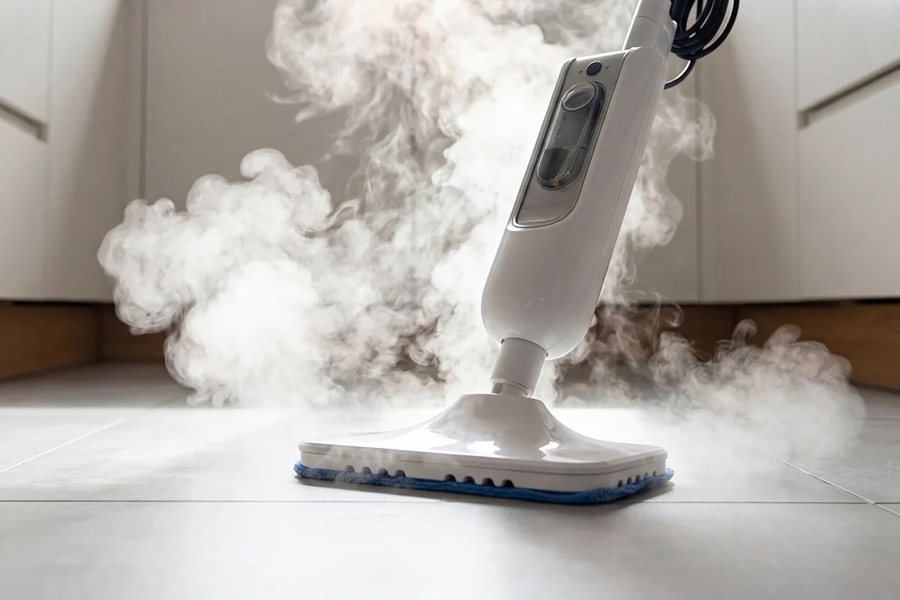
Using a steam mop can be an efficient and eco-friendly way to clean your floors, but not all floor types are suitable for steam cleaning. Understanding which surfaces are compatible with this method is crucial to ensure effective cleaning without damaging your flooring. Below is a detailed guide on what floors are suitable for steam mops and what you should avoid.
Floors Suitable for Steam Mopping
- Sealed Hardwood Floors
If your hardwood floors are sealed (with a top layer of protective treatment like polyurethane), they can generally withstand the heat and moisture from a steam mop. Always follow the manufacturer’s guidelines for compatibility. - Tile Flooring
Both ceramic and porcelain tiles thrive under steam cleaning. The high heat disinfects surfaces efficiently, while the mop head removes dirt from grout lines effectively. - Vinyl Floors (Sealed)
High-quality, sealed vinyl plank or sheet flooring can handle moderate use of a steam mop, provided temperatures and technique align with manufacturer suggestions. - Laminate (With Caution)
Only use a steam mop on laminate floors if they’re explicitly labeled as “steam mop-safe.” Excessive moisture can warp or damage laminate flooring.
Floors to Avoid Steam Mopping
- Unsealed Wood Floors
Unsealed or unfinished wood is highly susceptible to water damage. Using a steam mop on such surfaces can cause swelling, warping, or discoloration. - Carpeted Areas (Without Attachments)
While some specialized attachments allow for light carpet steaming, standard use of a steam mop directly on carpet is ineffective and potentially damaging. - Stone Flooring
Natural stones like marble, limestone, or travertine may not react well to heat or water vapor unless sealed properly. Consult with the floor manufacturer before proceeding.
How to Identify If Your Floor Is Sealed
- Lightly sprinkle water in an inconspicuous area of the floor.
- Wait for about five minutes.
- Check if the water has soaked into the surface or beaded up.
- If it beads up: The floor is likely sealed.
- If it absorbs: Avoid using a steam mop.
| Floor Type | Can Use Steam Mop? | Notes |
| Sealed Hardwood | Yes | Use low settings; avoid prolonged exposure |
| Ceramic/Porcelain Tile | Yes | Ideal surface; cleans and sanitizes effectively |
| Vinyl (Sealed) | Yes | Safe when used sparingly |
| Laminate | With caution | Ensure it’s labeled “steam-safe” |
| Carpets | No | Only with proper attachments |
| Unsealed Wood | No | High risk of damage |
Best Practices
To ensure optimal results: – Always test in a small, hidden area first. – Read both your flooring manual and steamer instructions before use. – Use distilled water in your steamer if possible—it prevents mineral deposit buildup.
Understanding these guidelines will keep your floors looking their best while avoiding unnecessary damage caused by improper cleaning methods.
Preparing Your Floors Before Steam Cleaning
1. Clear Loose Debris
Before using a steam mop, ensure that the area is free of dirt, dust, and loose debris. Steam mopping directly over larger particles can scratch delicate surfaces or cause the mop head to get clogged.
– Vacuuming: Use a vacuum cleaner with a soft floor attachment to remove dirt from both hard and carpeted surfaces.
– Sweeping: A broom or dry microfiber mop will work for smaller spaces without access to a vacuum.
2. Check for Sticky Spots or Stains
Tough stains may not come off easily with steam alone, especially if they’ve been sitting for a long time. Pre-treat these areas before mopping:
– Use a damp cloth with mild detergent to soften sticky residue or scuff marks on tile and laminate flooring. – Avoid harsh chemicals that could react poorly when combined with steam.
| Stain Type | Pre-Treatment Method |
| Sticky residue | Warm water and dish soap on cloth |
| Greasy spots | Vinegar-water solution (1:1 ratio) |
| Scuff marks | Eraser sponge or baking soda paste |
3. Protect Delicate Surfaces
Certain floor types are sensitive to excessive heat and moisture, so it’s important to ensure protection during cleaning: – Hardwood floors: Ensure they are sealed properly; unsealed wood can absorb moisture from steam and swell. – Laminate flooring: Use low-moisture settings, as excess water may seep between planks. – Tile grout lines: Avoid lingering too long in one spot as high heat might weaken grout over time.
4. Move Furniture If Needed
Steam mops work best when you can clean an open surface without interruptions.
– Remove lightweight furniture like chairs and rugs from the area before starting. – If moving large furniture isn’t possible, focus on cleaning accessible areas around obstacles.
5. Inspect Your Steam Mop
Lastly, inspect your steam mop itself before beginning: – Ensure the water tank is clean and properly filled with distilled water (if recommended). Using tap water may lead to mineral buildup inside the appliance over time. – Attach a fresh microfiber pad to prevent spreading dirt while cleaning.
Why Proper Preparation Matters
Taking the time to prepare your floors ensures more effective cleaning while prolonging the lifespan of both your flooring and steam mop device. It also minimizes potential damage caused by improper handling or inadequate pre-cleaning steps.
How to Use a Steam Mop Correctly
Using a steam mop correctly is essential to achieve clean, sanitized floors and extend the lifespan of both the mop and your flooring. Follow these steps and tips to ensure you’re using your steam mop in the most effective and safe way possible.
Read Your Steam Mop’s Manual
Before you begin, review the instructions provided by the manufacturer. Not all steam mops operate in the same way, and understanding your model’s specific features will help you avoid unnecessary issues.
Key things to check: – Recommended types of flooring for your mop. – Water requirements (e.g., distilled water may be needed in some cases). – Proper assembly and attachment of cleaning pads.
Start with Clean Pads
Always attach a fresh, clean microfiber pad to your steam mop. Dirty or overly worn pads can leave streaks or simply spread grime around instead of removing it.
Tip: Keep extra microfiber pads on hand if you’re cleaning multiple rooms or a large area.
Fill the Water Tank Properly
Use clean, filtered water when filling the tank. If your area has hard water, consider using distilled water to prevent mineral buildup inside the machine.
Steps for filling: 1. Turn off and unplug the unit before adding water. 2. Remove the tank following the manufacturer’s guidelines. 3. Fill it up to the designated level—do not overfill. 4. Securely reattach it before turning on the mop.
Preheat Before Use
Many steam mops require a short preheating time (typically 30 seconds to 2 minutes). Wait until it reaches operating temperature before starting—this ensures proper steam generation for optimal cleaning performance.
Sweep or Vacuum First
Before using a steam mop, thoroughly sweep or vacuum floors to remove loose dirt, hair, and debris. Skipping this step can result in dirt being pushed around or trapped under the cleaning pad during steaming.
Work in Small Sections
Divide larger areas into sections and work methodically. Glide over each area slowly so that steam has enough time to lift dirt effectively without over-saturating surfaces.
Procedure: 1. Hold down any trigger mechanism (if applicable) for consistent steam release. 2. Move in straight lines or follow an “S” pattern for even coverage. 3. Overlap slightly with each pass to ensure no spots are missed.
Avoid Standing Steam
Avoid leaving your steam mop stationary while turned on—it can cause moisture damage or discoloration on certain types of flooring such as wood or laminate.
Adjust Settings for Floor Type
If your steam mop has adjustable settings: – Use low heat/steam levels for delicate surfaces like sealed hardwood. – Opt for higher settings when tackling ceramic tiles or heavily soiled surfaces with grout lines.
Refer back to your floor type guidelines before selecting settings (see “What Floors Can Be Cleaned With a Steam Mop?” section for reference).
Dry After Cleaning
Once you’ve finished steaming an area, allow it to air dry completely before walking on it again. For faster results, consider wiping with a dry cloth immediately after steaming if moisture remains visible.
| Do’s | Don’ts |
| Use clean microfiber pads | Leave standing water behind |
| Empty unused water post-cleaning | Let cords tangle near wet areas |
| Test on an inconspicuous spot first | Skip sweeping/vacuuming beforehand |
By following these best practices when using a steam mop correctly, you’ll not only achieve spotless results but also keep both your floors and equipment in top condition over time.
How Often Should You Steam Mop Your Floors?
When it comes to using a steam mop, understanding the appropriate frequency for cleaning is crucial to maintain both cleanliness and the longevity of your floors. Over-mopping can damage delicate surfaces, while under-mopping may leave dirt and grime to accumulate. The right schedule for steam mopping depends largely on the type of flooring, household activity, and environmental factors.
General Guidelines for Steam Mopping Frequency
- High-Traffic Areas (e.g., kitchens, entryways):
For areas that see heavy use, steam mopping once a week is typically recommended to remove dirt and bacteria effectively. - Medium-Traffic Areas (e.g., living rooms):
Rooms with moderate use can be cleaned every two weeks or as needed if dirt or spills are visible. - Low-Traffic Areas (e.g., guest rooms):
These areas often require less frequent attention—steam mopping once a month should suffice unless there’s specific dirt buildup. - Homes with Pets or Children:
If you have pets tracking in mud or children playing on the floor, consider increasing your cleaning frequency. Weekly cleaning is often necessary to ensure hygienic conditions.
Factors Impacting Steam Mopping Frequency
- Floor Material: Certain materials like sealed hardwood or ceramic tiles can handle more frequent steam cleaning, whereas porous materials like unsealed wood or stone might require less frequent care.
- Environmental Conditions: Dusty climates or rainy seasons might lead to faster floor buildup, necessitating more regular mopping.
- Allergies: If family members have allergies or sensitivities to dust mites and allergens, steaming weekly can help improve indoor air quality by reducing contaminants.
- Spills & Stains: Spills from food, drinks, or muddy shoes should be addressed immediately—spot-clean these areas before your regular schedule.
Table: Recommended Cleaning Frequencies by Floor Type
| Floor Type | Suggested Frequency | Notes |
| Sealed Hardwood | Once every 2–3 weeks | Avoid overwetting; use a low steam setting. |
| Ceramic/Porcelain Tile | Once a week | Ideal for high-traffic areas; dries quickly. |
| Vinyl/Laminate | Every 1–2 weeks | Ensure no water seeps into seams. |
| Natural Stone | Monthly | Use low heat; avoid harsh chemical additives. |
Tips for Adjusting Your Routine
To better tailor your steam mop routine to your household’s needs: – Observe how quickly dirt accumulates in different rooms and adjust accordingly. – Use doormats at entrances to reduce tracked-in debris. – Spot clean small messes between full moppings.
By following these guidelines and tailoring them appropriately based on your home’s specific conditions, you can ensure cleaner floors without unnecessary wear caused by overuse of the steam mop. This thoughtful approach will help maintain beautiful and hygienic surfaces throughout your home while extending their lifespan.
How Often Should You Steam Mop Your Floors?
Determining how often you should steam mop your floors depends on several factors, including the type of flooring, the level of foot traffic in your home, and individual household needs. Striking the right balance is important to keep your floors clean and well-maintained without overdoing it.
Factors Influencing Steam Mopping Frequency
- Tile and Sealed Hardwoods: These surfaces can withstand more frequent steam cleaning, typically once a week or more for high-traffic areas.
- Laminate and Vinyl: Use a steam mop less frequently (every two weeks) to prevent potential damage from excess moisture.
- Carpeted Areas with Attachments: Steam mop carpets occasionally as needed, particularly in busy households or pet-friendly homes.
- High-Traffic Areas: Entryways, kitchens, and hallways may require weekly cleaning due to constant use and dirt accumulation.
- Low-Traffic Rooms: Spaces like guest bedrooms or dining rooms can often go longer between cleanings (bi-weekly or monthly).
- Homes with pets or young children will likely need more frequent mopping due to spills, accidents, fur, and allergens building up quickly.
- During wet or snowy seasons, mud and debris tend to accumulate faster indoors. In such cases, increasing the frequency of steam mopping might help maintain cleanliness.
Recommended Cleaning Schedule
| Room Type | Frequency | Notes |
| Kitchen | Weekly (or more) | High-traffic area prone to spills |
| Bathrooms | Weekly | Moisture-prone; regular disinfection needed |
| Living Rooms | Bi-Weekly | Adjust based on foot traffic & pets |
| Bedrooms | Bi-Weekly to Monthly | Low traffic unless shared by kids/pets |
| Hallways/Entryways | Weekly (or more) | Dirt-prone due to outdoor shoes |
Over-Mopping Risks
- Excess moisture may seep into cracks on certain floor types like untreated wood or laminate, causing warping over time.
- Over-mopping may dull finishes on some sealed hardwoods if done excessively without proper drying techniques.
Helpful Tips for Scheduling Steam Mopping
- Use visual cues such as dullness or grime buildup as a sign it’s time to clean.
- Spot-clean in between full mops for spills or isolated messes rather than overstepping routine cycles.
- Always read manufacturer guidelines for your specific flooring material before setting a schedule.
By tailoring your steam mop usage based on these considerations, you can maintain hygienic and polished floors while preserving their longevity. Balancing frequency with care ensures that both cleanliness and durability are achieved effectively.
Tips for Maintaining Different Floor Types
Hardwood Floors
- Check for Sealing: Only steam mop sealed hardwood floors. Unsealed wood is highly susceptible to water damage.
- Use Low Steam Settings: Excessive moisture can warp the wood, so opt for a low or medium steam setting.
- Dry Immediately: After steaming, use a microfiber cloth to dry any residual moisture.
Tile Floors
- Focus on Grout Lines: Over time, grout can accumulate dirt and discoloration. Use a steam mop with a narrow nozzle or attachment specifically designed for grout cleaning.
- Avoid Bleach-Based Cleaners: Steam mopping works best without harsh chemicals, which can harm tile surfaces and weaken grout over time.
Vinyl Floors
- Lower the Heat: Always use the lowest heat setting when cleaning vinyl floors to avoid warping or melting the material’s surface layer.
- Avoid Standing Water: Vinyl doesn’t tolerate prolonged exposure to moisture well; make sure the floor is thoroughly dried after cleaning.
Laminate Floors
- Protect the Layers: Like hardwood, laminate must be sealed before steam mopping and should only be cleaned using minimal moisture levels to avoid swelling or separation of layers.
- Spot Cleaning First: Remove stubborn stains with a mild cleaner before using the steam mop.
Stone Floors (Marble, Granite, Slate)
- Seal Regularly: If your stone floor isn’t properly sealed, avoid using a steam mop as water can seep in and cause stains or etching over time. Regularly reseal stone surfaces as part of your maintenance routine.
- Use Distilled Water: Hard water can leave mineral deposits on natural stone; distilled water minimizes this risk during steaming.
| Floor Type | Key Maintenance Tip | Steam Setting Advice |
| Hardwood | Mop only sealed wood | Low or medium |
| Tile | Focus on grout lines | Medium |
| Vinyl | Avoid prolonged heat exposure | Low |
| Laminate | Protect against swelling | Minimal |
| Stone | Use distilled water & reseal often | Check manufacturer’s guidance |
By following these tailored tips for each type of flooring material, you can maximize cleanliness while ensuring that your floors remain in excellent condition over time. Proper usage of your steam mop combined with preventative care will keep every surface in your home shining like new while reducing wear and tear caused by improper methods or unnecessary overcleaning practices.
When a Steam Mop Isn’t the Best Cleaning Option
While steam mops are effective for many floor types, they are not universally suitable for all surfaces or situations. Using a steam mop inappropriately can cause damage to certain materials and may even compromise their longevity. Below is a detailed look at when it’s best to avoid using a steam mop and alternative cleaning methods to consider instead.
Floors That Are Not Steam-Friendly
- Heat and moisture can penetrate unsealed wood, causing warping, swelling, or discoloration. These floors often lack the protective sealant needed to withstand water exposure.
- Instead, opt for dry dust mopping followed by spot-cleaning with minimal water.
- Laminate flooring often has layers that can delaminate or warp when exposed to excessive moisture or heat.
- Use a damp microfiber mop instead of steaming to minimize water exposure.
- Vinyl planks or tiles with adhesive backing can loosen when exposed to high temperatures.
- Stick with gentle cleaners and avoid anything that emits heat.
- Steam can strip away sealants on porous stones, leading to stains and damage.
- Clean these surfaces with pH-neutral cleaners instead.
Situations Where Steam Mopping Should Be Avoided
- If the floor has recently been waxed or sealed, the heat from the steam mop may break down the surface coating.
- Allow adequate curing time before resuming any form of wet cleaning.
- Using a steam mop on heavily soiled floors may push debris into crevices rather than removing it effectively.
- Sweep or vacuum beforehand to remove loose particles first.
- Some grout lines may not be sealed properly, allowing water infiltration that could lead to mold growth over time.
- Use alternate methods like scrubbing grout manually with an appropriate cleaner.
- Cracks, chips, or gaps in flooring might worsen under heat exposure from a steam mop.
- Repair damaged areas before attempting any kind of deep cleaning method.
Alternatives When Steam Mopping Isn’t Advisable
| Floor Type | Alternative Cleaning Method | Notes |
| Unsealed Hardwood | Dry dust mop + spot clean with minimal water | Avoid standing water |
| Laminate | Slightly damp microfiber mop | Do not oversaturate |
| Vinyl | Mild soap solution + soft cloth | Avoid harsh scrubbing pads |
| Porous Stone | pH-neutral cleaner + soft brush | Reseal regularly if applicable |
Final Thoughts
Understanding where and when you shouldn’t use a steam mop ensures your floors remain in their best condition for years to come. By assessing your specific flooring type and considering alternative approaches where needed, you can achieve optimal cleanliness without risking damage caused by improper methods.