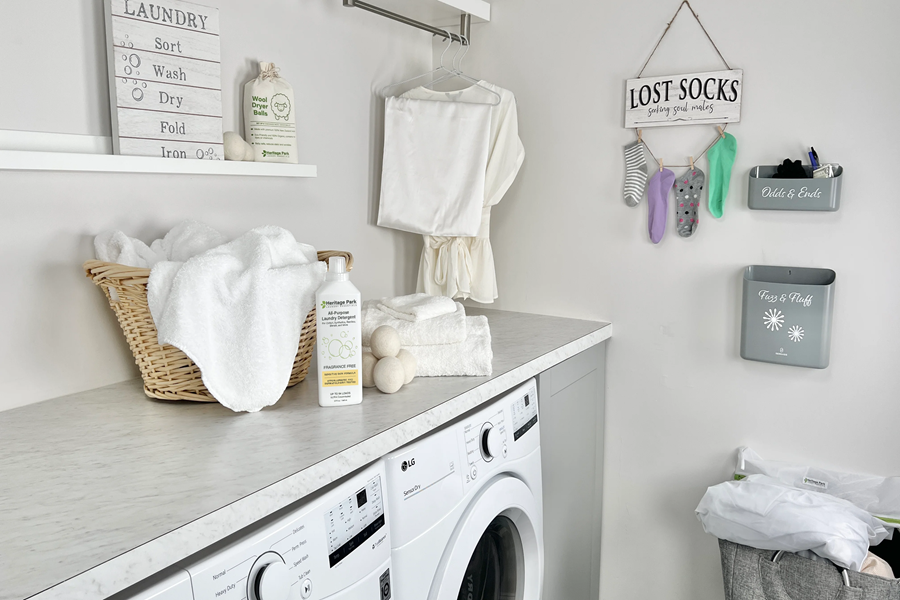
Why an Organized Laundry Room Makes Chores Easier
Keeping your laundry room clean and organized isn’t just about aesthetics—it has a direct impact on how efficiently you can tackle your laundry tasks. A well-organized space reduces stress, saves time, and makes the entire process more manageable. Below, we’ll explore some key benefits of maintaining an orderly laundry room and how it can streamline your chore routine.
The Benefits of an Organized Laundry Room
- When everything is in its place, you won’t waste time searching for detergent, fabric softener, or lost socks.
- Clear organization allows you to quickly locate supplies and focus on the task at hand.
- A clutter-free space provides room to sort clothes, whether by color, fabric type, or care instructions.
- Stations for specific tasks (e.g., folding or ironing) allow for smoother transitions between steps.
- Visual clutter contributes to mental stress. A tidy space feels more inviting and less overwhelming when faced with piles of laundry.
- Organizing tools like labeled bins or baskets reduce decision fatigue during sorting and washing routines.
- Streamlined spaces encourage better habits in keeping up with regular cleaning cycles.
Key Features of an Efficient Laundry Setup
| Feature | Purpose | Example Use Case |
| Sorting Stations | Reduces pre-wash sorting effort | Separate hampers for lights/darks/colors |
| Shelving & Cabinets | Keeps detergents & tools accessible | Open shelving near washer/dryer |
| Folding Surface | Maximizes productivity after drying | Countertop or table |
| Hooks & Hangers | Saves space when drying delicate items | Wall-mounted hooks |
Tips to Promote Organization
- Use clear containers: Store detergent pods or powder in transparent jars so you can easily monitor inventory.
- Label storage areas: Whether it’s cabinets, bins, or drawers, labeling ensures that every item has a designated location.
- Incorporate vertical storage: Use wall-mounted shelves or over-the-door organizers for extra supplies without taking up floor space.
- Install good lighting: Bright lighting enhances visibility for sorting stains or reading care labels.
The Emotional Impact of Order
Not only does an organized laundry room improve physical efficiency—it also contributes to emotional well-being at home. A clean space makes household chores feel less daunting while fostering a sense of pride in maintaining your living environment.
By organizing your laundry room thoughtfully and keeping it functional, you set yourself up for smoother days ahead—turning what may seem like a mundane task into something far more manageable and even satisfying.
Declutter and Maximize Your Laundry Space
A clutter-free laundry room can make a world of difference, both in terms of functionality and efficiency. Whether you have a small laundry nook or a spacious utility room, optimizing every inch of space will streamline your chores and create a more pleasant environment. Below is an easy-to-follow guide to help declutter and maximize your laundry space.
Start by Decluttering
- Empty cabinets, shelves, and surfaces completely.
- Separate items into categories: keep, donate, trash/recycle.
- Dispose of expired detergents or cleaning solutions.
- Donate unopened supplies you don’t use to others who might need them.
- The laundry room should primarily house laundry-related items (detergent, stain removers, fabric softeners). Relocate unrelated items to other parts of your home.
Designate Functional Zones
- Sorting Zone: Set up an area with hampers or bins for presorting clothes into categories (e.g., whites, darks, delicates).
- Washing/Drying Zone: Keep detergent and dryer sheets near the machines for easy access.
- Folding Zone: Add a folding table or clear countertop space specifically for folding clean laundry.
- Ironing Zone (if applicable): Store your iron and ironing board nearby but out of the way when not in use.
Utilize Vertical Space
- Install wall-mounted shelving above washers/dryers for storing detergent bottles or baskets.
- Use pegboards to hang smaller tools like lint brushes, clothespins, or scissors.
- Add hooks for hanging items such as an ironing board or drying rack.
Smart Storage Solutions
| Storage Idea | Purpose |
| Stackable Bins | Great for separating clean/dirty linens or holding bulk supplies |
| Clear Containers | Store powders/detergents neatly while being able to see contents |
| Over-the-Door Organizers | Ideal for small tools like stain removers and gloves |
| Pull-Out Hampers | Save floor space while organizing dirty clothes |
Lighting Matters
- Use bright LED lights so stains are visible during sorting.
- Consider under-shelf lighting if storage obscures work surfaces.
By decluttering strategically and using smart organization techniques tailored to your needs, you not only create a well-organized laundry room but also make daily chores significantly less stressful.
Create Smart Storage for Detergents and Supplies
Assess Your Storage Needs
Before diving into organizing, take stock of the items you use most frequently in your laundry routine. Some common items you may need storage for include: – Laundry detergent (liquid or pods) – Fabric softeners or dryer sheets – Stain removal sprays or sticks – Bleach or specialty cleaners – Cleaning rags and sponges
Consider how often you use each item, and prioritize convenient access for daily-use products while keeping occasional-use items stored out of the way.
Use Shelves and Cabinets Wisely
Maximize vertical space by installing shelves or cabinets above your washer and dryer. These units keep supplies off the floor while providing easy access. To make the most of this storage: – Use labeled bins or baskets to group similar items together (e.g., stain removers in one bin, detergents in another). – Store heavy items like large detergent bottles on lower shelves to prevent accidents. – Choose adjustable shelving if possible, so you can customize heights based on different product sizes.
If cabinets are available, consider using the inside of cabinet doors to mount small racks or hooks for additional storage.
Leverage Wall Space
In smaller laundry rooms, wall-mounted solutions can be a game-changer: – Install pegboards with hooks to hang brushes, lint rollers, or smaller tools. – Add a mounted drying rack that folds flat against the wall when not in use. – Use magnetic strips on metal walls or machines to hold lightweight items like scissors or small cleaning brushes securely.
Drawer Organizers for Small Items
If your laundry room features drawers instead of open shelving, invest in drawer dividers to keep everything neat. This helps prevent clutter from piling up and ensures you always know where to find small tools like measuring spoons for detergent.
Repurpose Household Items
You don’t always need specialized organizers—everyday household objects can serve as creative storage options: – Glass jars: Ideal for storing powdered detergents or clothespins. – Metal baskets: Great for holding dryer balls, folded towels, or fabric softener sheets. – Shoe organizers: Hang one over a door to store smaller bottles, brushes, or gloves.
Safety Considerations
When planning smart storage in your laundry room: 1. Keep all detergents and chemicals out of reach of children and pets by storing them on high shelves or in lockable cabinets. 2. Avoid overcrowding shelves so nothing falls when you reach for an item. 3. Label all containers clearly if transferring products into reusable jars (e.g., “powdered detergent” vs. “stain remover”).
Table: Quick Overview of Storage Ideas
| Type of Item | Suggested Storage Solution |
| Daily-use detergents | Open shelves/baskets |
| Stain removers | Labeled bins |
| Small tools (brushes) | Pegboards/hooks |
| Dryer sheets | Metal baskets/shoe organizers |
| Safety-sensitive products | Lockable cabinets/high shelves |
By incorporating these ideas into your space planning process, you’ll create a functional yet visually appealing setup that simplifies every aspect of doing laundry. Smart storage is not just about aesthetics—it’s about creating a space where every item has its place so that chores feel less overwhelming over time.
How to Clean Your Washer, Dryer, and Utility Sink
Keeping your washer, dryer, and utility sink clean is not only essential for maintaining the efficiency of these appliances but also for ensuring that your laundry area remains hygienic. Over time, detergent residue, lint, soap scum, and even mold can accumulate in these areas. Here’s a detailed guide to cleaning each component effectively.
Cleaning Your Washer
- For front-load washers: Use a microfiber cloth with warm water and white vinegar or a mild detergent to wipe down the door seal where dirt and mildew often accumulate.
- For top-load washers: Fill the drum with hot water and add 1 cup of white vinegar or baking soda. Let it soak for an hour before running a cleaning cycle.
- Remove the drawer (if possible) and rinse it under warm water to eliminate dried detergent. If mold or mildew is present, scrub it with an old toothbrush dipped in soapy water.
- Many washing machines have a filter near the bottom front panel. Clean out lint, small debris, or coins regularly to avoid clogs.
Cleaning Your Dryer
- Remove lint from the trap after every load of laundry. Once a month, rinse the trap with warm soapy water to remove waxy residue left by fabric softeners.
- Disconnect your dryer from power before vacuuming any accumulated lint in vents or ducts to ensure airflow remains unobstructed.
- Use a damp cloth with mild soap to clean buttons and exterior panels where dust tends to settle.
| Recommended Frequency | Task |
| After every load | Empty lint trap |
| Monthly | Deep-clean vent & filter |
Cleaning Your Utility Sink
- Clear drains:
Remove hair or fabric scraps using tools like drain snakes or strainers. - Scrub surface grime:
Use baking soda as a gentle abrasive cleaner on tough stains within porcelain or stainless steel basins. - Disinfect thoroughly:
Finish by sanitizing with diluted bleach (1 part bleach to 10 parts water). Rinse well afterward. - Polish faucets (if applicable):
Remove hard-water stains from faucets using vinegar-soaked cloths wrapped around them for about 15 minutes before wiping clean.
Tips for Preventative Maintenance
Adopting simple habits can minimize future cleaning efforts: – Keep washer doors open after use for ventilation. – Run “clean cycle” settings (if available) monthly. – Regularly inspect hoses on washers for leaks or cracks.
Prevent Lint, Dust, and Moisture Buildup
Keeping lint, dust, and moisture at bay in your laundry room is essential for maintaining cleanliness, extending the life of your appliances, and creating a healthier home environment. These seemingly minor issues can escalate into bigger problems such as poor appliance performance, bad odors, or even mold growth if left unchecked. Here are practical tips to tackle these concerns effectively.
Addressing Lint Build-Up
- Clean the lint trap after every use: After drying each load of laundry, remove lint from the trap to improve airflow and prevent overheating.
- Inspect dryer vents regularly: At least once every three months, check for lint build-up in the vent that leads outside your home. Use a long-handled brush or a vacuum attachment for thorough cleaning.
- Don’t overload your dryer: Overloading reduces efficiency and increases lint build-up because clothes rub against each other more aggressively.
- Check behind and under appliances: Lint often collects in hard-to-reach spaces. Move appliances occasionally to clean these hidden areas.
Reducing Dust Accumulation
- Wipe down surfaces weekly: Use microfiber cloths to capture dust from counters, shelves, and other surfaces where it tends to settle.
- Vacuum floors regularly: Opt for a vacuum with a HEPA filter to ensure fine particles are captured effectively.
- Seal gaps where dust enters: Check around windows, doors, or exposed ductwork for cracks or leaks. Sealing them will keep both dust and drafts out.
- Store items in covered bins: Instead of keeping supplies exposed on open shelves, consider placing them in clear plastic bins with lids to prevent dust accumulation.
Managing Moisture Levels
- Install an exhaust fan if you don’t already have one.
- Open windows while doing laundry whenever possible.
- Use a dehumidifier if needed: For humid climates or poorly ventilated spaces, a dehumidifier helps control moisture effectively.
- Inspect hoses connected to washers for signs of wear or damage.
- Check sinks for dripping faucets or under-sink leaks that could contribute excess moisture.
- Avoid leaving damp clothes or towels sitting around in piles as they contribute both moisture buildup and unpleasant smells.
Maintenance Table
| Task | Frequency | Tools/Methods |
| Clean lint trap | After every dryer use | Hands/vacuum attachment |
| Inspect dryer vent | Every 3 months | Long-handled brush/vacuum |
| Wipe down surfaces | Weekly | Microfiber cloth |
| Vacuum floors | Weekly | Vacuum with HEPA filter |
| Check washer hoses | Every 6 months | Visual inspection |
| Run dehumidifier | As needed | Electric dehumidifier |
By incorporating these simple yet effective practices into your routine, you can maintain a cleaner laundry room while protecting both your appliances and home environment.
Simple Habits to Keep Your Laundry Room Tidy
Keeping your laundry room tidy doesn’t have to be a daunting task. By adopting a few simple habits, you can maintain an organized and efficient space that makes doing laundry easier and less stressful. Below are practical tips and strategies to help you establish a routine for maintaining cleanliness and order in your laundry area.
Establish a Routine for Cleanliness
- Daily Tidying: Spend 5-10 minutes daily putting items back where they belong after using them. This small effort prevents clutter from piling up over time.
- Wipe down surfaces, including counters, shelves, and machines, with a damp cloth.
- Sweep or vacuum the floor to remove lint, dust, or stray detergent powder.
- Mop the floor if spills occur during the week.
Sort Laundry Immediately
Rather than letting dirty clothes pile up chaotically, implement a sorting system: – Use labeled bins or baskets for whites, colors, delicates, and heavily soiled clothing. – Encourage family members to pre-sort their laundry before placing it in the designated bins. – Teach kids how to use the system so everyone participates in keeping things orderly.
Limit Items on Surfaces
Cluttered countertops can make your laundry room feel chaotic. Aim to keep surfaces clear by: – Storing detergents and cleaning supplies in cabinets or on shelves. – Using containers or baskets for smaller items like dryer sheets or stain removers. – Keeping folding areas free of unnecessary items so you always have space to work.
Create a “Lost-and-Found” Basket
Missing socks or misplaced items often lead to disorganization. Dedicate a small basket or container as your “lost-and-found” spot for these stray pieces. This keeps them centralized instead of scattered throughout the room.
Manage Lint Disposal Properly
Lint buildup not only causes mess but can also pose safety hazards. To stay ahead of this: – Empty your dryer’s lint trap after every load. – Keep a small trash bin near the dryer specifically for lint disposal. – Wipe down areas where lint may accumulate outside of the machine weekly.
Adopt Minimalist Practices
Avoid overloading your laundry room with unnecessary items by adopting minimalist strategies: – Regularly assess what supplies you actually use (e.g., detergents, fabric softeners) and donate excess products you don’t need. – Replace bulky packaging with decanted containers that take up less space and look more streamlined.
Use Visual Reminders for Maintenance Tasks
Place reminders in visible spots—like on cabinets or walls—to ensure consistency with cleaning routines: | Task Frequency | Action | |—————–|——–| | Daily | Return supplies to storage & wipe counters | | Weekly | Empty lint traps & sweep floors | | Monthly | Check detergent stock & deep-clean machines|
By following these simple habits consistently, your laundry room will remain clean and functional without requiring overwhelming effort. Taking small steps regularly ensures this essential household space stays organized year-round.
Laundry Room Organization Mistakes to Avoid
Creating a clean and organized laundry room often requires intentional planning and effort. However, certain mistakes can derail the process and lead to unnecessary clutter, inefficiency, and frustration. By identifying common organization pitfalls, you can ensure your laundry room remains functional, inviting, and well-maintained.
Overloading the Space
One of the most frequent mistakes in laundry room organization is trying to store too much in a limited area. While it may be tempting to use the laundry room as a multipurpose storage space, doing so can quickly overwhelm it.
- Avoid using your laundry area as a dumping ground for unrelated items such as seasonal decorations or bulk household supplies.
- Stick to essentials like detergents, fabric softeners, stain removers, and folding tools.
- Use vertical storage solutions like wall-mounted shelves or cabinets to maximize space efficiently without overcrowding the floor.
Neglecting Proper Storage for Supplies
Improper storage of laundry products can lead to spills, wasted space, or even safety hazards if not organized thoughtfully.
- Store detergents in airtight containers or dispensers to prevent spills and maintain freshness.
- Ensure bleach and other chemicals are placed on higher shelves out of reach of children or pets.
- Use labeled bins or baskets for loose items like clothespins or dryer sheets for easy access while maintaining a tidy look.
Ignoring Moisture Control
The presence of water and steam from washers and dryers makes moisture control a critical aspect of laundry room organization. Failing to address this issue can lead to mold growth or damage over time.