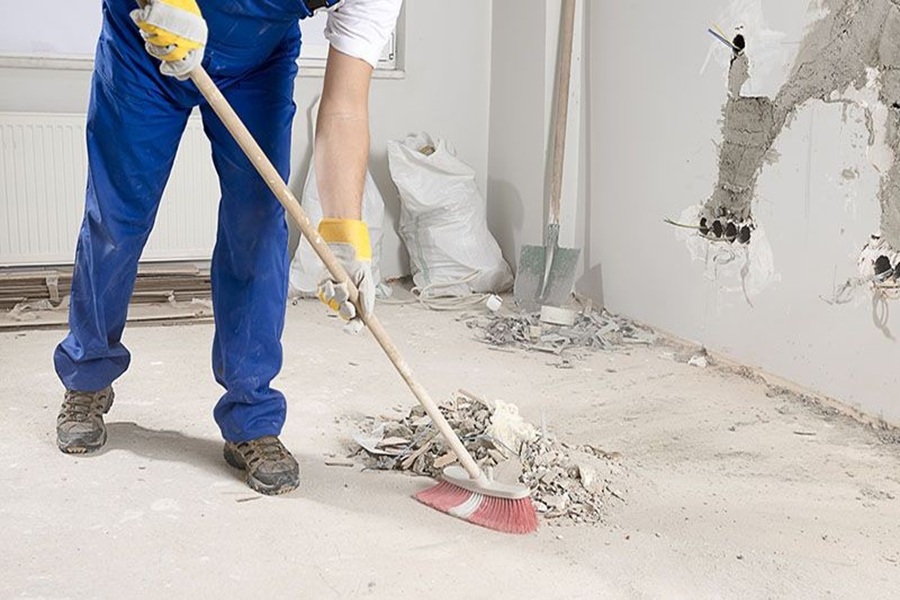
Why Renovation Projects Leave Behind More Than Just Dust
Renovation projects, whether small or large, can completely transform a space, leaving it refreshed and functional. However, they also bring with them an unintended aftermath: dirt, debris, and hidden residues that go far beyond a simple layer of dust. While the sleek new look of your home may catch your eye immediately, the post-renovation environment often holds lingering elements that require thorough attention.
The Layers of Post-Renovation Residue
- Dust from Construction Materials: Sawdust from woodwork, drywall dust from sanding, and fine particles from tiling or grouting can settle into hard-to-reach corners.
- Chemical Residues: Paint fumes and VOCs (volatile organic compounds) often linger in the air for days or weeks after completion of a project. Adhesive residues from tiles or flooring also add to the mix.
- Fine Particulate Matter: Renovations release microparticles that may not be visible to the naked eye but affect indoor air quality significantly.
- Leftover Building Materials: Small fragments like nails, screws, broken tile pieces, and insulation fibers can inadvertently create hazards if not disposed of carefully.
The Hidden Challenges
- Settled Debris in Unseen Areas
Even if your space looks clean on first glance, fine particles can settle on ceiling fans, light fixtures, window ledges, inside HVAC systems, and other overlooked areas. - Health Risks From Contaminants
Construction materials such as silica (from concrete and grout), asbestos (if older materials were disturbed), and chemical adhesives can pose respiratory health risks if not addressed properly.
Why A Surface-Level Clean Isn’t Enough
| Type of Residue | Example Sources | Potential Issues |
| Fine Dust | Sanding drywall; sawing wood | Clogs HVAC systems; diminishes air quality |
| Chemical Fumes | Paints; sealants; glues | Causes headaches & allergies |
| Sharp Debris | Nails; screws; chipped tiles | Physical safety hazards |
| Microparticles | Silica dust; fiberglass insulation | Long-term respiratory damage |
Simple sweeping or mopping will leave behind layers of these contaminants because typical household tools aren’t equipped to tackle microscopic particles embedded into surfaces or floating in the air.
The Importance of Addressing This Properly
- Allergic reactions caused by airborne irritants.
- Diminished functionality as HVAC systems get clogged with dust buildup.
- Residual odors from paint or grout lingering throughout your home.
- Potential slip-and-fall risks due to unnoticed fragments like nails or screws on floors.
By understanding how much more renovation projects leave behind than meets the eye—and acknowledging what’s required beyond DIY efforts—you set yourself up for a safer and healthier living environment post-renovation. Each element requires tailored attention to ensure your newly renovated space isn’t just beautiful but also safe and livable moving forward.
Hidden Hazards of Post-Construction Debris
Renovation projects, no matter their scale, often leave behind more than just visible messes like dust and dirt. Beneath the surface of what appears to be a typical cleanup lie potential hazards that can impact your home’s safety and your family’s health. Identifying and addressing these hidden dangers is crucial to ensuring a truly clean space post-renovation.
Common Types of Post-Construction Debris
- Fine Dust Particles: Sanding walls or installing drywall generates fine dust that settles on surfaces but also becomes airborne, posing respiratory risks.
- Sharp Fragments: Pieces of wood, nails, glass shards, or metal scraps may scatter across floors and into crevices.
- Chemical Residue: Adhesives, paints, varnishes, and cleaning agents often leave behind harmful chemical traces.
- Mold Spores: Renovations involving moisture-prone areas like bathrooms can disturb dormant mold spores or create new growth due to improper ventilation.
Health Risks Associated with Post-Renovation Waste
- Microscopic particles from drywall dust or sawdust can linger in the air for weeks.
- Prolonged exposure can irritate airways and worsen conditions like asthma or allergies.
- Chemical residues left on surfaces can cause skin reactions when touched.
- Older homes may release toxic materials such as asbestos or lead during renovations.
- Nails and glass fragments not only present physical injury risks but also carry bacteria if they’re contaminated.
- Fumes from paints, lacquers, or sealants contribute to poor indoor air quality long after renovations are complete.
Why Hidden Debris Often Evades DIY Cleaning Efforts
- Lack of specialized equipment like HEPA-filter vacuums to trap fine particles effectively.
- Inadequate knowledge about where harmful debris tends to accumulate (e.g., vents, baseboards).
- Overlooked areas such as light fixtures or behind large appliances where microscopic dust settles unnoticed.
Steps to Minimize Risks from Post-Renovation Hazards
- Use proper personal protective equipment (PPE), including gloves and masks during cleanup efforts.
- Wipe all surfaces with damp microfiber cloths to effectively capture fine dust instead of spreading it further into the air.
- Dispose of leftover materials responsibly—consult local guidelines for hazardous waste disposal if applicable.
- Check HVAC filters after renovations; replace them if they appear clogged with debris.
Although these steps can help reduce risks temporarily, professional cleaning services remain the most reliable solution for removing hidden hazards entirely while ensuring long-term safety for your household.
By understanding what lies beneath the surface after a renovation project is complete—and addressing these risks thoroughly—you protect both your investment in your home and its occupants’ well-being.
Why DIY Cleaning Often Falls Short
Undertaking post-renovation cleaning on your own might seem like a good way to save money, but it typically fails to meet the demands of a thorough cleanup. Renovation dust, debris, and residues aren’t just standard household messes—they require specialized knowledge, equipment, and techniques that go beyond what most homeowners can manage with basic cleaning tools. Let’s break down why DIY approaches often fall short when tackling post-renovation messes.
1. Lack of Specialized Equipment
Post-renovation cleaning requires tools and equipment designed specifically for fine dust particles and stubborn residue left behind by construction work. – Standard vacuums: Household models often lack HEPA filters, which are crucial for trapping microscopic renovation dust that can settle in carpets, upholstery, and air ducts. – Basic cleaning products: General-purpose cleaners may be inadequate for removing adhesives, grout haze, paint splatters, or other construction-related materials.
| Cleaning Task | DIY Tools | Professional Tools |
| Removing fine dust | Basic vacuum or duster | HEPA-filter vacuum or air scrubbers |
| Adhesive removal | Soap and water | Solvent-based adhesive removers |
| Paint splatter cleanup | Scrubbing with household cleaner | Industrial-grade paint removers |
2. Incomplete Dust Removal
Renovation dust is not just limited to visible surfaces—it infiltrates every corner of your space. – Dust can accumulate in hard-to-reach areas like vents, light fixtures, and behind appliances. – Microscopic particles often remain airborne long after the renovation work is done and can settle days later.
DIY methods like sweeping or wiping surfaces are often insufficient because they redistribute fine particles rather than completely removing them.
3. Health Risks From Improper Cleaning
One of the biggest drawbacks of DIY post-renovation cleaning is the potential health risks. If certain hazards aren’t properly addressed during cleanup: – Inhalable dust particles: Construction materials such as drywall or insulation can release particulate matter that irritates the respiratory system. – Mold growth: Leftover moisture from improper cleanup may encourage mold development in hidden areas. – Chemical exposure: Residues from paints, adhesives, or varnishes may release volatile organic compounds (VOCs), which require proper handling to minimize exposure.
Without professional-grade ventilation systems or knowledge of safe practices for handling these hazards, homeowners risk exposing themselves to harmful substances during their DIY efforts.
4. Time Constraints And Physical Demand
Cleaning a home after renovations is time-intensive and physically demanding: – Layers of debris must be removed systematically: first large debris pieces (if left behind), then finer layers of dust. – Homeowners usually underestimate how many hours it takes to thoroughly clean even a single room after remodeling work.
For busy individuals balancing work and family responsibilities, completing an effective post-renovation cleaning job may feel overwhelming or impossible within an acceptable timeframe.
Practical Implications
Relying on professional cleaners ensures not only a higher standard of cleanliness but also peace of mind knowing that no detail has been overlooked. Professionals bring efficiency to the process while eliminating hazards associated with incomplete cleanups—something DIY efforts rarely achieve consistently. Instead of spending valuable time tackling this daunting task alone with limited tools at hand, outsourcing this responsibility saves effort while delivering better results.
The Benefits of Professional Post-Renovation Cleaning Services
Thorough Removal of Construction Dust
Renovations create fine particles of dust from materials such as drywall, plaster, or wood. These particles can settle in places you wouldn’t expect:
– Air vents and HVAC systems
– Light fixtures and ceiling fans
– Carpets, upholstery, and curtains
– Cracks, crevices, and between floorboards
Professional cleaners use specialized equipment like HEPA-filter vacuums to eliminate fine dust particles more effectively than standard household tools.
Expertise in Tackling Hard-to-Clean Areas
Certain areas in the home become magnets for renovation residue due to their surfaces or proximity to construction zones. Professionals are trained to deep-clean the following:
– Windowsills coated with plaster dust or paint splatters
– Grout lines, which can absorb construction debris
– High-touch surfaces prone to smudges or residue buildup
They understand the best techniques and cleaning agents for each material type, preventing unintended damage.
Specialized Equipment for Better Results
| Tool/Equipment | Function |
| HEPA Vacuums | Captures 99.97% of small dust particles |
| Industrial Air Purifiers | Reduces airborne allergens post-cleaning |
| Steam Cleaners | Sanitizes floors without harsh chemicals |
| High-Power Scrubbers | Removes tough stains from specific surfaces |
This ensures a deeper clean that DIY methods cannot replicate.
Allergen and Toxin Mitigation
- Volatile Organic Compounds (VOCs): Released from fresh paint or sealants.
- Silica Dust: A byproduct of working with concrete or tiles that can irritate lungs.
- Mold Spores: Often disturbed during demolition activities.
Professional cleaners not only remove these substances but also minimize their dispersion using proper containment procedures.
Saves Time and Energy
Renovation projects are already physically demanding; adding cleanup responsibilities can further stretch your energy levels. Hiring professionals allows you to focus on settling into your upgraded space while leaving labor-intensive tasks like scrubbing grout lines or polishing fixtures to experienced hands.
Improved Longevity for Surfaces
Debris left unchecked after renovations can damage finishes over time. For instance: – Dust particles act as abrasives on hardwood floors when walked on regularly. – Paint splatters left on glass windows may harden and become more difficult to remove safely.
By addressing these concerns immediately after work is complete, professional cleaners help preserve the quality of your investment.
Bringing in experts for post-renovation cleaning ensures a safer environment free from hidden hazards while saving you significant time and effort. Their use of advanced equipment alongside detailed knowledge guarantees results far superior to any DIY attempt—giving you peace of mind as you enjoy your newly renovated space.
Essential Areas That Require Deep Cleaning After Renovations
After a renovation project, your home may look visually transformed, but beneath the surface, there are often layers of dust, debris, and residue that demand thorough attention. Effective post-renovation cleaning goes beyond vacuuming floors and wiping surfaces. Below are some of the critical areas that require deep cleaning after renovations to ensure your home is truly clean and safe.
1. Air Vents and HVAC Systems
Renovation activities often produce fine dust particles that can settle into air vents or circulate through HVAC systems. This can lead to:
– Decreased air quality in your home.
– Overworked HVAC systems due to clogged filters or ducts.
What needs to be done:
– Replace HVAC filters immediately after renovations.
– Consider hiring duct-cleaning professionals if you notice excess dust buildup in vents.
2. Light Fixtures and Ceiling Fans
Dust loves high, out-of-reach spaces—and light fixtures and ceiling fans often collect visible debris during construction work.
Steps for cleaning:
– Use a damp microfiber cloth to clean blades of ceiling fans.
– Carefully remove any detachable light fixtures to wash them thoroughly before reinstalling.
3. Walls and Baseboards
Even if they seem clean at first glance, walls can harbor invisible layers of fine dust from sanding or drilling activities during renovations.
Cleaning suggestions:
– Wipe walls down with a damp cloth or sponge, using mild detergent for tougher stains like paint smudges. – Don’t forget baseboards—they tend to trap large amounts of dirt and dust along their grooves.
4. Floors (All Types)
Floors endure heavy wear during renovation projects—whether it’s spilled paint on hardwood or fine grout dust on tiles.
5. Windows and Window Frames
Construction debris easily collects on window panes, tracks, frames, and sills—leaving streaks, smudges, or hidden grime behind.
Key tasks for window cleaning:
– Wash glass surfaces using streak-free cleaners. – Remove built-up dirt in tracks with a small brush or vacuum attachment. – Check window screens for dirt deposits; rinse them with soap and water as needed.
6. Cabinets, Drawers & Shelves
These areas may seem shielded from construction activity but often end up gathering fine white powder from sanding drywall or woodworking tasks.
What to do:
– Empty all cabinetry compartments before cleaning. – Wipe shelves inside-out using an all-purpose cleaner. – Pay attention to corners where debris might accumulate unnoticed.
7. Appliances (Kitchen & Laundry)
Large appliances near work zones may gather both visible dust and microscopic particles over time during lengthy renovations.
Tips for appliance cleaning:
– Clean external surfaces using damp microfiber cloths. – Ensure exhaust fans (like those above stoves) are thoroughly vacuumed.
By addressing these essential areas after renovations conclude properly ensures both cleanliness **and protection against potential long-term health risks embedded post-construction residues
How Professional Cleaning Protects Your Home and Health
Renovation projects can breathe new life into your home, but they often leave behind more than just aesthetic changes. Dust, debris, and other hidden contaminants can pose risks not only to your living environment but also to your health. Professional cleaning services address these concerns effectively, ensuring that you and your family enjoy a safe and clean space after the work is done. Below, we explore how professional cleaning safeguards both your home and health.
Removing Fine Particles That DIY May Miss
One major issue with post-renovation mess is the prevalence of fine dust particles. These microscopic particles are generated by sanding floors, cutting drywall, or working with materials like concrete and wood. Without proper equipment and techniques:
– Airborne particles can settle into hard-to-reach areas such as vents, behind appliances, or inside cracks in flooring.
– Prolonged exposure to these particles may irritate respiratory systems or trigger allergies and asthma in sensitive individuals.
Professional cleaners use industry-grade tools like HEPA-filter vacuums that capture fine particulate matter effectively. These tools ensure that even the smallest contaminants are removed from every corner of your home.
Eliminating Toxic Residues
Beyond visible dust, renovation projects often leave behind residues from paints, adhesives, varnishes, or certain chemical-based cleaning products used during construction. Some of these substances emit volatile organic compounds (VOCs), which can:
– Pollute indoor air quality, potentially causing headaches, dizziness, or long-term respiratory issues when inhaled.
– Adhere to surfaces like walls or countertops even after initial cleanup attempts using household products.
A professional cleaning team is trained to tackle such residues safely using specialized cleaning agents designed to neutralize toxins without introducing further chemicals into your home environment.
Protecting Surfaces From Long-Term Damage
Renovation aftermaths can have an impact on more than just cleanliness—they can also affect the longevity of your home’s surfaces if not dealt with properly:
– Dust buildup on wood floors can act as an abrasive that causes scratches over time if left unattended.
– Grout lines in tiles might become stained by leftover construction debris or cement dust if deep-cleaning measures aren’t taken promptly.
Professional cleaners are skilled at using specific methods for every surface type—whether it’s polishing hardwood floors or steam-cleaning tile grout—preserving their condition while enhancing overall hygiene.
| Common Risks | Professional Cleaning Solutions |
| Dust settling into HVAC systems | Comprehensive vent cleaning |
| VOC buildup from adhesives/paints | Use of eco-friendly products for VOC removal |
| Stains on tiles/floor finishes | Surface-specific treatments tailored for durability |
Reducing Allergy Triggers
For families with children or pets—or anyone prone to allergies—a post-renovation setting riddled with allergens like dirt, mold spores, and fine debris can become a serious health hazard:
– Pet fur mixed with drywall dust increases allergen levels indoors. – Mold might form in damp areas exposed during renovations (e.g., bathrooms).
Professional services conduct a thorough sanitization process targeting common allergen-prone zones such as upholstery fabrics, air ducts, carpets/rugs where allergens tend to accumulate unnoticed during routine DIY efforts.
Preventing Cross-Contamination Post-Renovations
Effective post-renovation cleaning doesn’t stop at visible messes; it encompasses disinfection protocols that reduce the risk of cross-contamination:
– Kitchens should be free from sawdust contamination before food preparation resumes. – Bathrooms often require deep-clean sanitation due to plumbing-related residues exposed during construction upgrades.
Professionally trained teams prioritize areas based on risk assessments while employing advanced disinfection techniques—including UV sanitization methods—to ensure bacteria-free environments across all spaces post-reno completion.
By entrusting professionals with this crucial step after renovations finish up successfully enhances overall household safety & offers peace-of-mind knowing longterm effects harmful pollutants minimized!
When to Schedule a Post-Renovation Cleaning Service
Determining the right time to schedule a post-renovation cleaning service is as important as the cleaning itself. Proper timing ensures that your home is safe, functional, and free from any lingering dust or debris. Below are key factors and considerations to help you decide when and how to plan this essential step.
Immediately After Construction Work Is Complete
The ideal moment to schedule a professional cleaning is immediately after the renovation project ends. At this stage:
– Dust and debris settle completely—allowing cleaners to efficiently target hidden problem areas.
– Contractors have vacated the space, leaving surfaces accessible for deep cleaning.
– You can address any remaining issues before fully moving back into the renovated space.
Before Furniture and Decor Are Reinstalled
If possible, aim for a thorough cleaning before reintroducing furnishings like couches, rugs, or artwork into your space. This prevents:
– Dust from settling into soft textiles like upholstery or curtains.
– Hard-to-reach areas become blocked by bulky furniture pieces.
Make sure all construction tools, leftover materials, and temporary setups (e.g., plastic sheeting) are removed prior to scheduling the service.
Post-Cleaning Events That Indicate It’s Time to Hire Professionals
- Persistent Dust Layering: If wiping surfaces doesn’t remove fine layers of dust or it seems to reappear quickly, deeper extraction is required using tools like HEPA vacuums—often available only through professional services.
- Lingering Odors: Strong smells from paint, adhesives, or varnishes may require specialized treatment beyond DIY efforts.
- Poor Air Quality: Noticeable irritation in your eyes or throat could signal airborne contaminants from construction activities.
- Visual Evidence of Debris: Residual drywall particles in vents or sawdust accumulating in corners are indicators that thorough post-renovation cleaning is overdue.
Allow Time for Settling Periods in Larger Projects
For larger renovation projects involving heavy construction (e.g., tearing down walls), debris may take several days to fully settle even after work concludes. In such cases:
– Schedule your deep clean approximately 48–72 hours after project completion. – This delay allows microscopic particles stirred up during renovations adequate time to settle on surfaces where they can be effectively removed by professionals.
| Project Type | Suggested Cleaning Timeline | Notes |
| Small-scale renovations | Same day or within 24 hours | Minimal dust/debris; quick turnaround |
| Medium projects (kitchens) | Within 1–2 days | Dust may require additional settling time |
| Large-scale remodeling | Around 2–3 days after completion | Heavy-duty cleaning tools often required |
Seasonal Considerations for Scheduling
The time of year can also influence your decision:
– Winter months often cause slower settling of airborne dust due to enclosed heating systems circulating air indoors. – Spring and summer renovations might necessitate faster action due to higher humidity levels impacting cleanup efficiency.
Coordinate with Your Contractors
For seamless planning: – Consult your contractor regarding their projected completion date. – Discuss whether they include basic cleanup as part of their services (though this doesn’t replace professional post-renovation cleaning).
Scheduling on the contractor’s final working day ensures no overlap between their tasks and professional cleaners’ work.
By carefully choosing when to schedule a post-renovation cleaning service based on these factors, you’ll ensure optimal results while protecting both your home environment and health.