Why Cigarette Smoke Odor Lingers Indoors
Cigarette smoke odor tends to linger indoors due to its complex composition and the way it interacts with surfaces and the air. Understanding why this happens is key to effectively removing the smell.
The Components of Cigarette Smoke
- Tar: A sticky, dark substance that adheres to walls, floors, ceilings, and soft furnishings.
- Nicotine: This residue is oily and binds to surfaces, creating a yellowish stain and a lasting odor.
- Particulate Matter: Tiny particles that can settle into fabrics, carpets, and even microscopic cracks in hard surfaces.
These compounds embed themselves over time into porous materials (such as upholstery or drywall), making it challenging to remove them without thorough cleaning.
Why Does It Stay So Long?
- Porous Surfaces Absorb Odor
Materials like fabric, carpet, wallpaper, wood, and drywall all absorb smoke molecules. The more porous the material is, the longer the smell stays trapped in it. - Repeated Exposure Builds Up Residue
If smoking takes place regularly in one space, layers of residue accumulate over time. This makes removing both the visible stains and odors more difficult than eliminating a single exposure. - Poor Ventilation Prolongs Smell
In spaces with limited ventilation or poor airflow (e.g., apartments with sealed windows), airborne particles from cigarette smoke take longer to dissipate. They remain suspended in the air before eventually settling onto surfaces. - Chemical Reactions Create Persistent Odors
Certain chemicals in cigarette smoke can react with indoor air pollutants or other residues already present on surfaces—like cooking grease or dust—creating secondary pollutants that worsen the smell over time.
How Smoke Travels Indoors
Another reason cigarette odor lingers is its ability to permeate every corner of an apartment: – It seeps through gaps under doors or between rooms. – HVAC systems carry smoke particles throughout spaces via vents. – Even small crevices in baseboards or electrical outlets can trap odors caused by lingering particles.
| Smoke Characteristics | Impact Indoors |
| Sticky Tar Residue | Coats walls/furniture |
| Small Microscopic Particles | Trapped in fabrics |
| Chemical Interaction | Creates new odors |
Compounding Factors
Certain factors exacerbate how long cigarette odor lingers: – Smoking indoors consistently without airing out rooms. – Fabric-heavy furnishings like curtains or rugs trapping odors. – High humidity levels allowing tar residue to stick more easily.
By understanding these factors, you can begin addressing problem areas systematically for better results when tackling cigarette smoke smells indoors.
Identify the Areas Where Smoke Residue Builds Up
Understanding where cigarette smoke residue accumulates is a crucial step in effectively eliminating the smell from your apartment. Smoke particles are incredibly small, which allows them to adhere to various surfaces and settle in even the most unsuspecting places. By identifying these areas, you can tackle the problem at its source for a more thorough and lasting solution.
Common Areas Where Smoke Residue Accumulates
- Cigarette smoke rises and tends to stick to walls and ceilings, forming a thin film of residue. Painted walls can absorb odors over time, and textured surfaces may trap particles more readily.
- Wallpapered areas may also harbor smoke residues, especially if they’re made from porous materials.
- The fibers in carpets and area rugs trap not only smoke particles but also ash and tar. This makes them one of the most persistent sources of odor.
- Padding underneath carpets can absorb odors as well, making superficial cleaning insufficient if the padding isn’t addressed.
- Upholstered furniture like couches, chairs, curtains, drapes, and throw pillows are magnets for smoke residue due to their fabric surfaces.
- Fabric blinds or shades are similarly affected.
- Heating, ventilation, and air conditioning systems circulate air throughout your apartment but can also spread lingering smoke odor.
- Filters may trap particles temporarily but require regular maintenance or replacement to prevent further odor distribution.
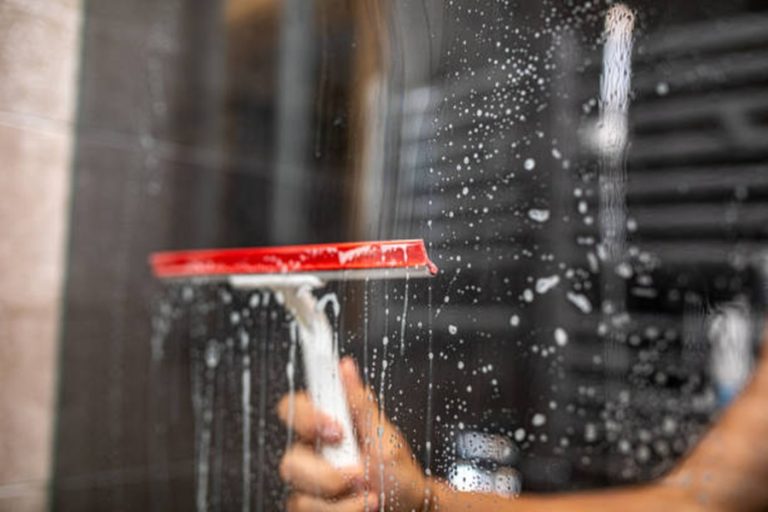
- Smoke residue often clings to glass windows, leaving behind an oily film that holds odor.
- Window frames—especially wooden ones—can absorb odors over time as well.
- While less porous than fabrics or carpets, hardwood floors or tile grout can still trap fine particles of smoke residue.
- Smoke particles can settle on electronic devices like televisions or computers due to static electricity.
- Kitchen appliances such as microwaves or refrigerators might collect residue if located near smoking areas.
How to Locate Problem Areas
- Conduct a “sniff test” on soft furnishings like curtains or cushions by bringing them close to your nose after they’ve been undisturbed for a while.
- Run your finger along flat surfaces like windowsills or shelves; visible discoloration or an oily texture may indicate accumulated residue.
- Shine a flashlight against walls at an angle—yellowing or dull spots could point to cigarette residue buildup over time.
Checklist for Identifying Key Residue Zones
| Area | Common Issues | Solutions Needed |
| Walls & Ceilings | Discoloration; sticky film | Washing/painting |
| Carpets & Rugs | Deeply embedded smells | Steam cleaning/replacement |
| Soft Furnishings | Absorption of tar/smoke | Fabric cleaning/deodorizing |
| HVAC Systems | Odor circulation | Filter replacement/duct cleaning |
| Windows & Frames | Oily film | Thorough wiping/cleaning |
| Hard Floors | Embedded particles | Mopping/vacuuming |
| Appliances & Electronics | Static particle buildup | Surface cleaning |
By knowing where cigarette smoke lingers in your apartment, you’ll be able to create a focused plan for odor removal that saves both time and effort while ensuring long-lasting results. Identifying these high-risk areas early on will help you choose appropriate cleaning methods tailored specifically for each material type.
Deep Clean Walls, Floors, and Soft Furnishings
Cigarette smoke has a unique ability to permeate every surface in your apartment, leaving behind persistent odors and residue. To effectively eliminate these smells, you’ll need to target walls, floors, and soft furnishings with a thorough cleaning strategy. Here’s how to tackle each type of surface properly.
Cleaning Walls and Ceilings
- Wash walls with a mixture of water, vinegar, and dish soap: Combine 2 cups of warm water, 1/2 cup of white vinegar, and a few drops of dish soap in a bucket or spray bottle. Use a sponge or cloth to scrub the walls gently. For stubborn areas or stains caused by nicotine buildup, try adding baking soda.
- Address stains on painted surfaces: A melamine cleaning sponge (like the Magic Eraser) can help remove yellowing caused by smoke residue without harming paint.
- Consider repainting: If odors persist after cleaning or if stains are impossible to remove entirely, apply an odor-blocking primer followed by fresh paint.
Deep Cleaning Floors
The type of flooring in your apartment will dictate how you approach cleaning it.
- For hardwood floors, mop using a hardwood-safe cleaner mixed with white vinegar to neutralize odors while protecting the finish.
- For tile or laminate flooring, clean thoroughly with warm water and a high-quality floor cleaner. Don’t forget to scrub grout lines where smoke particles may settle.
- For carpets, use:
- A vacuum cleaner with a HEPA filter for initial cleanup.
- Baking soda as an odor absorber—sprinkle it liberally over the carpet, let it sit for several hours (or overnight), then vacuum thoroughly.
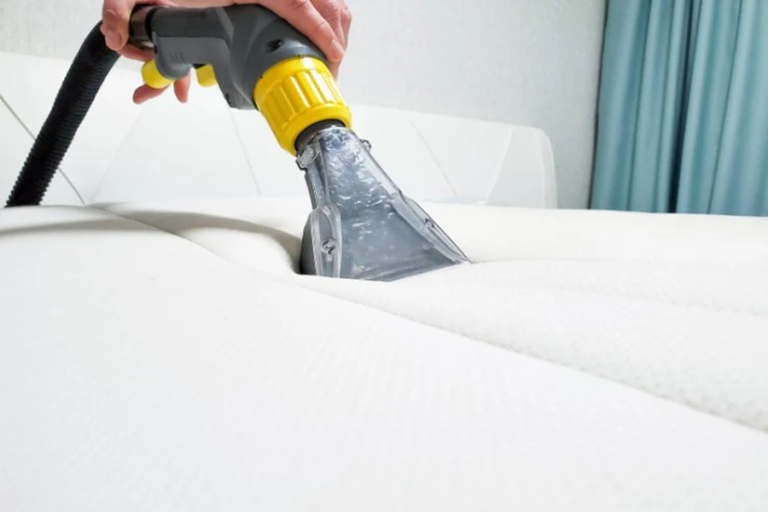
- A steam cleaner or professional carpet cleaning service if baking soda alone doesn’t suffice.
Reviving Soft Furnishings
- For washable fabrics, machine-wash items like curtains or removable cushion covers using hot water (as fabric care labels allow) along with half a cup of white vinegar added during the rinse cycle.
- For upholstery, sprinkle baking soda directly onto the surface; leave it for at least 30 minutes before vacuuming it off completely.
- Consider using an enzymatic cleaner designed specifically for fabrics—they break down odor-causing particles at their source without masking them temporarily.
- Steam-clean them using handheld devices designed for home use.
- Engage professional dry-cleaning services for delicate materials like velvet.
Additional Tips for Persistent Odors
- Incorporate charcoal bags or activated carbon filters near soft furnishings after deep cleaning; they work well at absorbing residual smells over time.
- Replace heavily affected items such as old carpets or upholstered furniture if they continue emitting odors despite all other efforts.
By addressing all key areas—walls, floors, and furnishings—you’ll significantly reduce the presence of cigarette smoke smell in your apartment while creating a fresher living environment overall.
Use Air Purifiers and Ventilation to Improve Air Quality
Improving air quality is a vital step in eliminating cigarette smoke odor from your apartment. Cigarette smoke contains particles and chemicals that linger in the air, settling on surfaces and embedding themselves into fabrics. By focusing on purifying the air and enhancing ventilation, you can significantly reduce smoky odors while promoting a healthier living environment.
Benefits of Air Purifiers in Removing Smoke Odors
- HEPA Filters: High-efficiency particulate air (HEPA) filters trap microscopic particles such as tar and ash from cigarette smoke.
- Activated Carbon Filters: These filters specialize in absorbing odors and chemical pollutants, including those released by tobacco products.
- Ozone-Free Options: Choose models that clean the air without producing ozone, as ozone can irritate your respiratory system.
When using an air purifier: 1. Place it in areas where the odor is strongest, such as near ashtrays or smoking zones. 2. Run it continuously for optimal results, especially after deep-cleaning your apartment. 3. Replace or clean filters regularly to maintain peak performance.
The Role of Ventilation
- Open Windows and Doors: Whenever possible, open windows and doors to create cross-ventilation. This allows fresh outdoor air to replace stale indoor air.
- Use Exhaust Fans: Kitchen or bathroom exhaust fans play a key role in drawing out smoky odors trapped indoors.
- Install Window Fans: Window fans that pull in fresh air or push out contaminated indoor air are excellent for targeted ventilation.
To maximize effectiveness: – Ventilate during times of day when outdoor pollution levels are low to prevent introducing new airborne pollutants into your home. – Avoid smoking indoors entirely to prevent recontamination of freshly ventilated spaces.
Combining Purification With Ventilation
Using both strategies together creates a powerful synergy that combats cigarette smoke odors more effectively than either approach alone. For example: | Task | Method | Frequency | |————————–|—————————————–|——————-| | Remove airborne particles| Use HEPA-equipped air purifiers | Daily | | Neutralize odors | Run activated carbon filter systems | Daily or weekly | | Refresh indoor spaces | Open windows/use exhaust fans | Hourly basis if possible |
By pairing advanced technology like purifiers with natural airflow solutions, you can ensure your apartment remains free from lingering cigarette smoke smells without relying solely on chemical sprays or masking agents.
A focus on these techniques improves not just odor removal but also promotes cleaner breathing for everyone sharing the space—an investment worth making for long-term comfort.
Natural and Commercial Odor Removal Solutions
When dealing with stubborn cigarette smoke odors in your apartment, a combination of natural remedies and commercial products can be highly effective. Each method targets the source of the smell, either neutralizing or absorbing it. Below is a detailed guide to the most effective options available.
Natural Odor Removal Solutions
Natural methods are often cost-effective, non-toxic, and eco-friendly. These remedies work well for mild to moderate smoke odors and are ideal for routine maintenance or if you prefer chemical-free solutions.
- Use vinegar’s natural deodorizing properties by mixing equal parts white vinegar and water in a spray bottle.
- Spray the solution on walls, furniture, curtains, or other surfaces where smoke lingers.
- Place bowls of undiluted vinegar around the apartment to absorb airborne smells over several hours.
- Sprinkle baking soda on carpets, rugs, and upholstered furniture. Let it sit for several hours or overnight before vacuuming thoroughly.
- Keep open containers of baking soda in closets or small spaces to continuously absorb odor over time.
- Purchase activated charcoal bags specifically designed for odor control.
- Place them near problem areas like ashtrays or tobacco-heavy zones. Replace them every couple of months as needed.
- Mix lemon juice with lukewarm water to create a fresh-smelling spray that neutralizes odors.
- Use this on curtains, fabric furniture, or just as an air mist throughout the space.
- Add a few drops of essential oils (e.g., lavender, eucalyptus) to a diffuser or spray bottle filled with water.
- These oils not only mask bad odors but also help purify the air naturally.
Commercial Odor Removal Products
For more persistent smoke smells or situations involving heavy tobacco use in an enclosed space, commercial products offer targeted solutions that might act faster than natural options.
- Odor-Eliminating Sprays:
Products like Febreze or specialized smoke odor sprays are designed to neutralize particles causing bad smells rather than masking them. Choose one marked “smoke removal” for best results. - Enzyme Cleaners: These cleaners break down organic compounds responsible for lingering smells. They are especially useful on soft furnishings like couches and mattresses that absorb smoke residue deeply.
| Product Type | Recommended Use | Estimated Cost |
| Air Sanitizers | Reduces airborne particles | $5–$15 per canister |
| Smoke Odor Neutralizers | Targets strong embedded odors | $10–$30 per bottle |
| Enzyme-Based Cleaners | Removes organic causes from fabrics & surfaces | $15–$25 per bottle |
Combining Both Approaches
For maximum effectiveness, consider combining both natural and commercial methods: 1. Start by deep-cleaning with baking soda and white vinegar to remove surface-level contamination. 2. Follow up with enzyme cleaners on upholstery. 3. Finally, use charcoal bags strategically while running air purifiers (covered under another section) for ongoing odor control.
By layering these approaches thoughtfully, you can significantly reduce cigarette smoke smells while maintaining clean indoor air quality without relying solely on one method alone.
How to Prevent Smoke Smells From Returning
Once you’ve successfully removed cigarette smoke odor from your apartment, the next step is to ensure it doesn’t return. This requires a combination of proactive habits, regular cleaning, and creating an environment that discourages smoke odors from taking hold again. Below are actionable strategies to keep your space fresh and smoke-free.
Establish a No-Smoking Policy
- Designate your apartment as a no-smoking zone: Politely inform guests that smoking indoors is not permitted. Direct smokers to outdoor areas if necessary.
- Use signage if appropriate: For multi-unit buildings or shared spaces, adding subtle “No Smoking” signs can help reinforce this policy.
Improve Ventilation and Air Circulation
Proper ventilation helps prevent the buildup of any lingering odors in your space:
– Regularly open windows: Allow fresh air to flow through your apartment whenever possible, even during cooler months.
– Use exhaust fans: Install or utilize kitchen and bathroom exhaust fans to quickly remove stale air.
– Ceiling fans or portable fans: These also help circulate air effectively within closed spaces.
Routine Cleaning Practices
Consistency is key when maintaining a fresh-smelling environment:
– Vacuum frequently: Dust, pet hair, and debris can trap odors over time. Use a vacuum with HEPA filters for optimal results.
– Wash fabrics regularly: This includes curtains, pillow covers, rugs, and other soft furnishings that might absorb smells over time.
– Mop floors often: Consider using natural cleaning agents like vinegar or baking soda solutions for hard surfaces prone to odor buildup.
Invest in Preventive Tools for Air Quality Maintenance
Modern tools can significantly reduce the risk of odors returning:
– Air purifiers with activated carbon filters are particularly effective at capturing smoke particles before they settle into furniture and walls.
– Place moisture absorbers like silica gel packets or charcoal bags in rooms that might develop stale smells due to humidity levels.
| Tool | Purpose | Example Features |
| Air Purifier | Removes airborne particles & odors | HEPA filter + activated carbon layer |
| Charcoal Bags | Absorbs moisture & odors naturally | Chemical-free; reusable after sun drying |
Smokers’ Habits Outside Your Apartment
To prevent external factors from reintroducing cigarette smoke into your home: – Encourage smokers around you (e.g., neighbors or frequent visitors) not to congregate near common areas like windows or doors where smells may seep inside.
Use Odor Neutralizers as Needed
Sometimes preventive measures need extra support:
– Keep natural odor neutralizers (like bowls of white vinegar or coffee grounds) placed throughout living areas prone to occasional exposure.
When Professional Smoke Odor Removal Is the Best Option
Sometimes, despite your best efforts, cigarette smoke odor can persist in your apartment. This is especially true in cases where the smell has been embedded in surfaces for years or when standard cleaning methods fail to completely remove it. In such situations, hiring professional smoke odor removal services may be the most effective solution. Below is a detailed look at when and why this option might be necessary.
Situations That Call for Professional Help
- Severe or Long-Term Smoke Damage:
If cigarette smoking occurred over an extended period, smoke residue likely penetrated deep into surfaces like walls, ceilings, and floors. This level of damage often requires specialized equipment and expertise to address effectively. - Persistent Odor After Cleaning:
If you’ve already tried multiple DIY methods such as deep cleaning surfaces, washing fabrics, and using air purifiers but the smell still lingers, professionals can target areas you may have missed. - Large Apartments or Multi-Room Units:
Larger spaces can make it challenging to identify all areas affected by smoke residue. Professionals are trained to inspect even hidden spots like air ducts or behind appliances where odor sources might hide. - Health Concerns:
Prolonged exposure to residual cigarette smoke chemicals (third-hand smoke) can pose health risks—especially for children, seniors, or individuals with respiratory conditions. Professionals use industrial-grade techniques that ensure these hazards are minimized.
Services Offered by Smoke Odor Removal Experts
| Service | Description |
| Ozone Treatment | Neutralizes odor molecules by releasing ozone gas into indoor environments. |
| Thermal Fogging | Uses heat to vaporize odor-neutralizing agents that penetrate porous surfaces. |
| HVAC System Cleaning | Thoroughly cleans vents and ducts where smoke particles accumulate over time. |
| Surface Sealing | Seals walls or floors to trap remaining odors if removal isn’t possible. |
Benefits of Hiring Professionals
- Advanced Equipment: Professionals use industrial-grade machines like ozone generators that aren’t typically accessible for personal use.
- Time-Saving: Instead of spending weeks on trial-and-error cleaning methods, experts can resolve the issue much faster.
- Comprehensive Solutions: Professionals perform thorough inspections and address even hard-to-reach places.
- Odor-Free Guarantee: Many companies offer warranties for their work, giving you peace of mind about long-term results.
Finding the Right Service
To ensure effective results:
1. Look for companies specializing in smoke odor removal specifically—not just general cleaning services.
2. Read reviews online to verify customer satisfaction with their work quality and professionalism.
3. Request a clear estimate upfront that outlines costs for each service offered.
Hiring professionals may involve an upfront cost but is often worth it when other methods fail or health concerns are at stake. By relying on their expertise, you can restore your apartment’s air quality and create a fresher living environment without lingering traces of cigarette smoke odor lingering behind.