The longer the stain sits, the harder it becomes to remove due to blood’s natural clotting and bonding characteristics. Immediate attention can prevent permanent discoloration and make cleaning easier. Below are practical steps to act swiftly and effectively.
Steps to Take Immediately
- Blood contains proteins that coagulate when exposed to heat, causing stains to set in permanently.
- Positioning your mattress in a well-ventilated area during cleaning helps it dry faster, preventing mold or mildew from developing during cleanup.
Why Acting Quickly Matters
- Prevents Deep Penetration:Mattresses are porous, meaning liquid stains like blood can seep into deeper layers if not addressed immediately.
- Reduces Odors:Lingering stains can lead to odors that are hard to remove once absorbed by mattress materials.
- Minimizes Cleaning Effort:Fresh stains require fewer products and less time compared to dried or set-in stains.
Tools You May Need
| Item | Purpose |
| Clean white cloths | For blotting without transferring dyes |
| Cold water | To lift fresh blood without setting |
| Spray bottle | For controlled application of liquids |
| Paper towels | For absorbing excess moisture quickly |
Common Mistakes When Acting Quickly
- Avoid hot or warm water:This causes proteins in blood to bind more tightly with fabric fibers, creating permanent marks.
- Do not scrub vigorously:Scrubbing forces the stain deeper into your mattress and spreads it further.
- Skip colored towels or cloths:These may bleed dye onto your mattress, complicating cleanup efforts.
Acting promptly can significantly increase the chances of effectively cleaning your mattress without permanent damage.
Why Speed Matters
- Protein-Based Stains:Blood is a protein-based stain.
- Preventing Set-In Stains:The longer you wait, the more embedded the blood becomes in your mattress.
- Hygiene Concerns:Blood stains left untreated can harbor bacteria and odors over time, impacting both cleanliness and overall bedroom hygiene.
Immediate Steps to Take
- Use Cold Water First:Cold water is effective at breaking down blood proteins without setting them further into the fabric. Never use hot water—it will cause coagulation and make removal much harder.
Tools You’ll Want on Hand
– Mild dish soap or laundry detergent
– Baking soda (for absorbing moisture)
You might also consider storing commonly used cleaning supplies near your bedding area for emergencies.
What Not To Do
Avoid these common mistakes when addressing fresh blood stains:
- Using Hot Water: Heat causes proteins in blood to bond with fabric more tightly.
- Applying Harsh Chemicals Immediately: Some strong cleaners may damage delicate mattress materials if used improperly.
How to Treat Dried and Set-In Blood Stains
Below, you’ll find step-by-step instructions for removing stubborn blood stains.
Step 1: Loosen the Dried Blood
- Use a soft-bristle brush (such as a toothbrush) to gently scrape away excess dried blood.
- If a significant amount of dried particles comes off, vacuum the mattress surface using an upholstery attachment to remove residue.
Step 2: Prepare a Cleaning Solution
Several effective solutions can help break down dried blood stains.
| Cleaner Type | Ingredients Needed | Instructions |
| Baking Soda Paste | 1 part baking soda + 2 parts water | Mix into a paste and apply directly to stain. Let sit for 30 minutes. |
| Hydrogen Peroxide | 3% hydrogen peroxide | Apply sparingly using a spray bottle or dropper. |
| Enzyme Cleaner | Protein-based enzyme cleaner | Follow product instructions carefully; these work well on organic stains. |
Depending on what you have at home, choose one of these methods.
Step 3: Apply and Blot
- Apply your chosen cleaner directly onto the stain.
Step 4: Dry Thoroughly
- Use a clean towel to pat dry excess moisture from the treated area.
- Place fans near your mattress or open windows for better airflow while allowing it to air-dry completely.
Tips for Persistent Stains
- Spot-treat over time: It’s better to repeat gentle treatments rather than risk damage by using overly harsh chemicals all at once.
- Professional cleaners: If you’re unable to completely remove set-in stains despite multiple efforts, hiring professionals who specialize in deep-cleaning mattresses may be worth considering.
By following these steps carefully and patiently treating set-in stains over time, you can restore your mattress without compromising its quality or comfort level.
How to Treat Dried and Set-In Blood Stains
Step 1: Prepare the Mattress
- Strip the bed:Remove all bedding, including sheets, mattress protectors, and toppers.
- Vacuum the area:This helps remove dust and debris that could interfere with cleaning.
Step 2: Gently Loosen Stain Residue
- Rehydrate the stain:Avoid soaking it, as excessive moisture can damage your mattress or encourage mold growth.
Step 3: Choose a Cleaning Solution
| Cleaning Solution | How It Works | Application Method |
| Baking Soda Paste | Acts as a mild abrasive while lifting stains; deodorizes as well | Mix one part baking soda with two parts cold water; apply |
| Hydrogen Peroxide (3% Solution) | Breaks down organic matter in blood stains; disinfects | Dab onto stain using a cloth or cotton ball; do not soak |
| Enzyme-Based Cleaner | Targets proteins in blood effectively (ideal for older stains) | Apply according to product instructions |
Step 4: Blot and Clean Effectively
- Use a clean white cloth or sponge to apply your cleaning solution directly onto the stain.
- This prevents spreading.
Step 5: Rinse Residue Carefully
- Repeat until all residue is removed. Avoid over-saturating your mattress.
Step 6: Dry Thoroughly
- Use absorbent towels to press down on damp areas and soak up excess moisture.
- Position your mattress in a well-ventilated area or near an open window.
- If possible, use fans or place it under indirect sunlight to speed up drying.
Additional Tips for Success
By carefully following these steps and using appropriate cleaning solutions suited for older blood marks, you can restore your mattress without causing further damage or discoloration.
Below are key mistakes to avoid during the stain removal process.
Scrubbing Too Aggressively
While scrubbing may feel like an effective way to remove stains, it can actually cause more harm than good. Vigorous scrubbing pushes particles further into the material and may damage delicate mattress fibers.
Over-Saturating with Liquid
Applying too much liquid—whether water, cleaning solution, or any other treatment—can lead to moisture seeping deep inside your mattress. This not only makes drying difficult but also risks mold or mildew growth over time. Use minimal amounts of liquid and focus on working in small areas at a time.
Skipping a Patch Test for Cleaning Products
Some stain-removal agents like hydrogen peroxide or enzyme cleaners can discolor certain types of mattresses or materials.
Not Addressing Dried Stains Properly
Treating dried or set-in blood stains as if they were fresh is another mistake many people make. Fresh stains respond well to simple methods like cold water and blotting, but older stains often require additional steps such as pre-treatment with baking soda paste or enzyme-based sprays.
Ignoring Manufacturer Instructions
Every mattress brand comes with care labels that specify what materials are used and how best to clean them. Ignoring these instructions could lead to permanent damage. For instance: memory foam mattresses often require special considerations since excessive moisture can compromise their structure.
Using Harsh Chemicals Without Ventilation
Cleaning products such as ammonia-based solutions might emit strong fumes that are harmful when inhaled in enclosed spaces. If you must use harsher chemicals, always ensure there’s proper ventilation by opening windows or running fans in your room.
Quick Tips for Avoiding These Mistakes
- Don’t use hot water on blood stains.
- Avoid scrubbing too hard; blot gently instead.
- Limit liquid application; don’t soak your mattress.
- Always patch-test new products first.
- Treat dried stains differently from fresh ones.
- Follow manufacturer care guidelines for your specific mattress type.
- Ensure adequate ventilation if using strong chemicals.
By keeping these tips in mind, you’ll protect your mattress while effectively dealing with any unwanted blood stains—ensuring hygiene and extending its lifespan at the same time.
Here are common errors to steer clear of and tips for better results.
Using Hot Water
One of the most frequent mistakes is using hot water on a blood stain.
Applying Too Much Liquid
Over-saturating a mattress with cleaning solutions or water is another common error. Mattresses are absorbent and take time to dry; excess moisture can lead to mold or mildew growth within your mattress.
- What to do instead:Use small amounts of cleaner or water at a time and blot between applications with a dry cloth. Keeping moisture levels low ensures faster drying times and prevents long-term damage.
| Mistake | Why It’s Harmful | Better Alternative |
| Using hot water | Sets stains permanently | Use cold water |
| Scrubbing aggressively | Spreads stains further | Dab and blot gently |
| Over-wetting | Promotes mold/mildew | Apply solutions sparingly |
Ignoring Stain Removal Techniques for Set-In Stains
If you assume that all stains require the same removal method, you risk making permanent marks worse. For example, dried blood often needs enzymatic cleaners or specific formulas rather than basic detergent methods used for fresh stains.
- What to do instead:Choose appropriate methods based on whether stains are fresh or dried. Enzyme cleaners work well for tougher set-in spots since they break down protein-based substances like blood effectively.
Skipping a Patch Test Before Using Cleaners
Not all cleaning agents are safe for every type of mattress material. Applying harsh chemicals without testing can discolor fabric or degrade materials over time.
- What to do instead:Always test any cleaning solution—whether hydrogen peroxide, baking soda paste, or commercial cleaner—on an inconspicuous area before applying it broadly. Monitor how your mattress reacts before proceeding fully.
Procrastinating Cleaning Efforts
Delaying cleanup can make removing blood stains significantly harder.
- What to do instead:Address fresh stains as soon as possible for easier removal using simple tools like cold water and basic cleaning agents before they become more stubborn over time.
Following careful techniques saves both effort and potentially expensive replacements in situations where mattresses might otherwise be damaged unnecessarily by improper cleaning steps.
How to Prevent Future Mattress Stains and When to Seek Professional Cleaning
Blood stains, like other spills or accidents, are often unexpected, but with proper preventive measures and timely professional help when needed, you can keep your mattress in excellent condition for years.
Preventing Future Mattress Stains
- Use a Mattress Protector
One of the easiest ways to safeguard your mattress is by investing in a high-quality waterproof mattress protector. These protectors create a barrier between your mattress and any spills or accidents while still allowing for breathability and comfort. - Practice Immediate Spill Management
Address accidents as quickly as possible. The quicker you act, the less chance there is for the stain to set. - Regular Sheet Washing
Opt for hypoallergenic detergents if applicable to prevent skin irritation. - Avoid Eating on Your Bed
Food crumbs can attract pests and lead to spills that may stain your mattress. By avoiding meals or drinks on your bed, you minimize risks of accidental messes altogether. - Routine Vacuuming
Use a vacuum cleaner with an upholstery attachment to clean your mattress every few months. This keeps dust mites at bay while ensuring that allergens don’t accumulate over time.
When to Seek Professional Cleaning
| Situation | Why Professional Help Is Recommended |
| Blood stains have soaked through deeply | Professionals use advanced extraction tools unavailable at home |
| Mattress has lingering odors | Specialized equipment removes smells without over-saturation |
| Large-scale staining | Experts ensure thorough cleaning without damaging materials |
| It’s been several years since cleaning | Deep-cleaning prolongs lifespan and ensures hygiene |
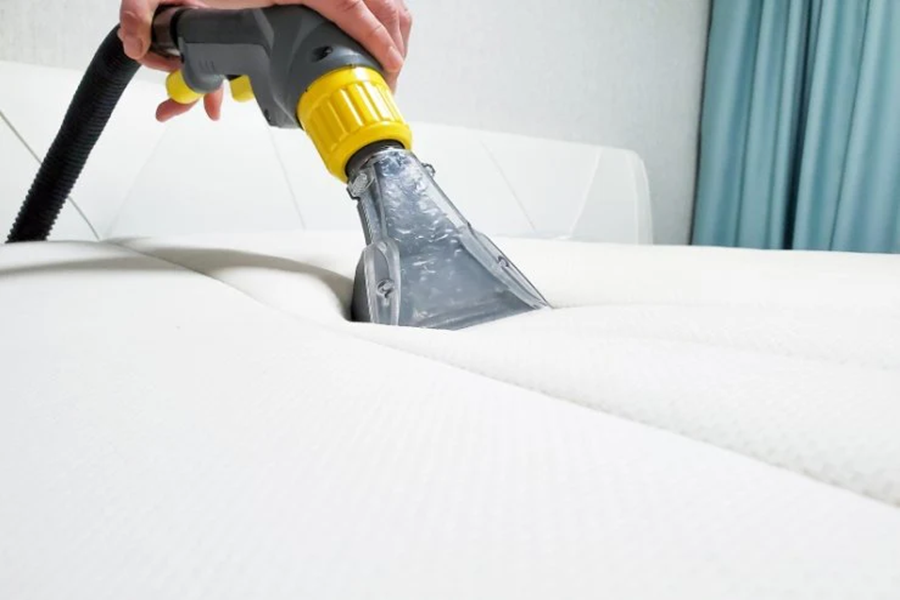
Professional cleaners have access to powerful industrial-grade equipment and safe yet effective cleaning solutions designed specifically for delicate fabrics like mattresses. They also assess whether deep-seated problems like mold growth or bacteria require additional treatment.
Long-Term Maintenance Tips
- Flip or rotate your mattress every three to six months (if recommended by its manufacturer). This helps distribute wear evenly.
- Ensure proper ventilation in bedrooms to reduce moisture buildup, which could exacerbate stains or encourage mold growth.
- Educate children about keeping their beds clean if they’re likely sources of accidental spills.
Taking consistent care creates a healthier sleeping environment while avoiding costly replacements down the line. Remember: prevention is always better than cure when it comes to keeping mattresses fresh and stain-free!