Cons of a Shower Cleaner Squeegee
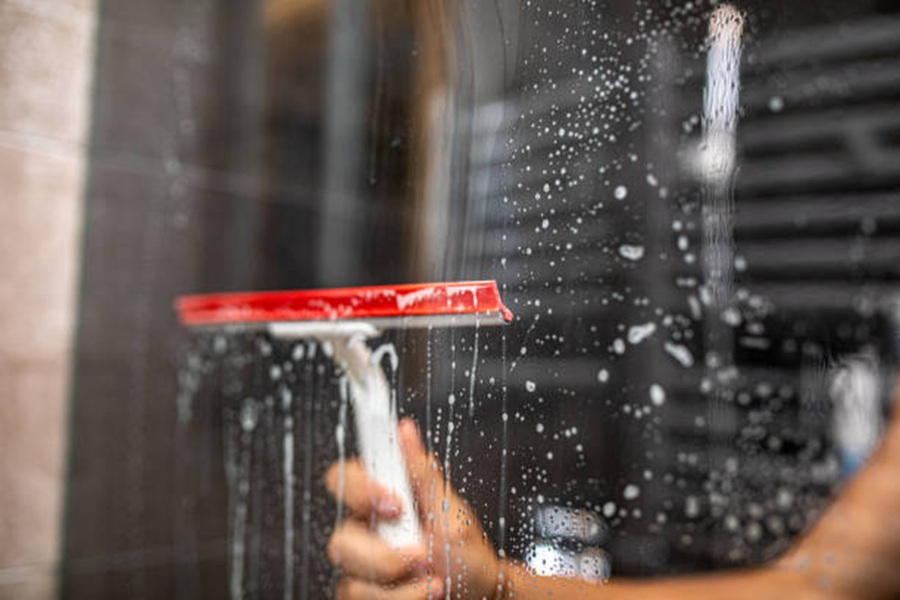
While a shower cleaner squeegee offers several benefits, such as reducing water spots and maintaining a cleaner bathroom surface, there are notable downsides that should be considered before making it part of your routine. Below, we explore the challenges and potential drawbacks associated with using this cleaning tool.
1. Additional Maintenance Required
- Frequent cleaning: The squeegee itself requires cleaning to prevent the build-up of mold, mildew, or soap scum on its rubber blade.
- Blade replacement: Over time, the rubber edge can wear out or crack, which reduces its effectiveness and necessitates regular replacements to maintain optimal performance.
- Storage issues: Proper storage is essential to keep the squeegee dry and free from bacteria. Without a dedicated spot in your bathroom, it can be awkward to store without adding clutter.
2. Not Ideal for All Surfaces
| Surface Type | Suitability | Notes |
| Glass (e.g., shower doors) | Highly suitable | Can effectively prevent water spots and streaks. |
| Textured tiles | Less effective | The rubber blade struggles with uneven surfaces. |
| Stone or marble | Risk of residue or streaking | May leave marks if used improperly or too aggressively. |
For those with textured bathrooms or specialty materials like natural stone, alternative cleaning methods may prove more effective than a squeegee.
3. Time-Consuming Routine
- Daily commitment: To see the benefits of reduced soap scum and water spots, a squeegee must be used consistently after each shower.
- Inconvenience factor: For larger shower spaces or shared bathrooms, cleaning up after every use may not always be feasible.
This additional step in your daily routine might deter some individuals from adopting the habit altogether.
4. Limited Longevity
- Lower-quality models may break easily under pressure or exposure to moisture.
- Over time, even high-quality options become worn out due to consistent use in wet environments.
Investing in replacements adds recurring expenses that could outweigh their convenience for some users.
5. Environmental Considerations
- Many inexpensive plastic models contribute to environmental waste when discarded.
- Rubber blades are not always recyclable and need proper disposal methods when worn out.
Individuals aiming for eco-friendly bathroom practices might prefer alternatives such as microfiber cloths or reusable sponges made from sustainable materials instead.
While shower cleaner squeegees have their merits in maintaining spotless glass doors and clean surfaces, these drawbacks underscore the importance of evaluating whether they align with individual preferences and needs. Weighing these factors carefully ensures you make an informed choice that fits seamlessly into your lifestyle while minimizing potential frustrations.
While squeegees are often touted as a must-have tool for maintaining a clean and streak-free shower, they are not without their drawbacks. Understanding the potential downsides is essential to making an informed decision about whether this tool is right for your cleaning routine. Below, we outline some notable cons of using a shower cleaner squeegee.
1. Time-Consuming Maintenance
Though squeegeeing your shower after each use can keep it looking clean, it requires consistent effort. For households with multiple users or frequent showers, dedicating time every day to wiping down walls and doors can feel like an extra chore. This regular maintenance might not fit seamlessly into everyone’s routine, especially for those with busy schedules.
2. Potential for Streaks and Residue
Ironically, one common issue with squeegees is the very problem they’re designed to solve: streaks. If the blade becomes worn or dirty over time, it can leave behind streaks or lines on shower glass surfaces instead of removing water effectively. Additionally:
– Hard water stains may still occur if minerals are left behind after incomplete drying. – Soap scum buildup on the blade itself may transfer back onto surfaces, exacerbating cleaning efforts.
3. Durability Concerns
Not all squeegees are created equal—lower-quality options might have blades that lose flexibility or develop nicks relatively quickly, reducing their effectiveness. Even among higher-end models, over time:
– Rubber blades may crack or degrade due to constant exposure to water and cleaning agents. – Metal components on some designs could rust in humid conditions if they aren’t corrosion-resistant.
Investing in durable materials like silicone-based blades or stainless steel construction could help minimize these issues but potentially increases the upfront cost.
4. Limited Versatility
Squeegees are highly specialized tools designed primarily for flat surfaces like glass doors or smooth tiles in showers. However: – They may struggle to reach tight corners where water tends to collect. – Textured tiles or uneven grout lines can make use of a conventional squeegee ineffective. This lack of versatility means you’ll likely still need additional cleaning tools for other parts of your shower or bathroom.
5. Environmental Impact and Waste
A lesser-known drawback is that some inexpensive squeegees contribute to plastic waste when discarded after wear-and-tear reduces their efficacy: – Many budget-friendly models rely heavily on non-recyclable plastics. – Disposable parts like replaceable rubber blades often end up in landfills. For eco-conscious consumers looking to reduce plastic usage in household products, alternatives such as microfiber cloths may present a more sustainable option.
| Feature | Squeegee Drawback |
| Maintenance | Time required for daily use; repetitive effort |
| Effectiveness | Potential streaking; soap scum transferring from dirty blades |
| Longevity | Blades degrade over time; cheaper models may wear out quickly |
| Usability | Struggles with textured surfaces; limited access to corners |
| Environmental Fit | Some models contribute to plastic waste; less sustainable than other solutions |
6. Risk of Overuse Scratches
Repeated scrubbing motions with certain types of hard-edged squeegee designs could inadvertently scratch softer materials over time (e.g., acrylic panels). It’s essential to choose a model that matches your specific shower material and use gentle pressure during cleaning sessions.
When evaluating whether to incorporate a shower cleaner squeegee into your routine, these cons highlight key considerations beyond its immediate convenience factor—helping you decide if it’s truly worth adding this tool into your home care arsenal based on personal needs and priorities.
While a shower cleaner squeegee might seem like an essential tool for maintaining spotless glass and tile surfaces, it’s not without its downsides. Understanding these potential drawbacks can help you decide whether this tool is right for your cleaning routine. Below, we delve into some of the key disadvantages.
1. Requires Consistency and Commitment
One of the biggest challenges with using a squeegee is that it demands regular use to be effective. For optimal results, the squeegee must be employed immediately after every shower or exposure to water. This can become tedious for those who don’t have the time or inclination to maintain such a routine.
- Daily maintenance: Skipping even a day can lead to water spots or soap scum building up, negating the benefits of prior efforts.
- Time-consuming: Spending extra time after every shower may not align with busy schedules.
2. Limited Versatility
While squeegees are excellent at removing water from flat, smooth surfaces like glass or tiles, they are less effective on textured walls or grout lines.
- Not suited for all areas: Grout lines and uneven surfaces tend to trap moisture and dirt that a squeegee cannot adequately remove.
- Additional tools needed: You may need other cleaning supplies—like sponges or brushes—to handle non-flat surfaces effectively.
3. Potential Streaking
Although designed to prevent streaks, improper technique or low-quality blades can sometimes leave marks behind on glass and mirrors.
- Technique-dependent: To achieve streak-free results, the user needs to apply even pressure and maintain consistent movements.
- Blade quality matters: Worn-out or low-quality rubber edges are prone to leaving streaks, requiring frequent replacements.
| Blade Issue | Impact | Solution |
| Worn-out edges | Leaves streaks on surfaces | Replace blades periodically |
| Low-quality rubber | Inconsistent water removal | Invest in higher-quality models |
4. Can Be Difficult to Store
Although simple in design, finding an appropriate place to store your squeegee can sometimes pose a challenge.
- Space considerations: Small bathrooms with limited storage may not have enough room for additional tools.
- Hygiene concerns: Improper storage (e.g., leaving it wet) can lead to mold growth on the blade or handle over time.
5. Environmental Concerns
Squeegees made from non-recyclable materials may not align with eco-conscious lifestyles.
- Plastic construction: Many squeegees are made of plastic components that aren’t biodegradable.
- Lifespan limitations: Over time, as blades wear out or handles break, these tools often end up in landfills unless made from sustainable materials.
Summary Table: Key Drawbacks
| Drawback | Details |
| Requires daily use | Demands consistency for best results |
| Limited functionality | Ineffective on uneven surfaces |
| Risk of streaking | Poor technique/blades may leave marks |
| Storage issues | Can be tricky in small spaces |
| Environmental impact | Non-recyclable materials create waste |
Though shower cleaner squeegees offer convenience and efficiency under ideal circumstances, their drawbacks highlight why they aren’t necessarily suitable for everyone. By weighing these considerations carefully against your lifestyle needs and priorities, you’ll be better prepared to make an informed decision about incorporating one into your household cleaning routine.
While a shower squeegee is often praised for its ability to keep glass and tile surfaces spotless, there are also distinct drawbacks to consider. Understanding the potential downsides can help you make an informed decision about whether incorporating this tool into your cleaning routine is worth the effort. Below, we explore the main disadvantages of using a squeegee in your bathroom.
1. Time-Consuming Maintenance
Using a squeegee after every shower can feel like an added chore, especially for those with busy schedules. After each use:
– The squeegee itself needs to be rinsed or wiped clean to avoid soap scum buildup on its blade.
– Regular cleaning of the blade is essential to maintain its effectiveness, which requires additional time and effort.
Over time, this ongoing maintenance can feel tedious, especially if the goal was to simplify your post-shower cleanup routine.
2. Limited Effectiveness on Textured Surfaces
Shower cleaner squeegees are most effective on smooth glass or tiles; however, in bathrooms with textured or uneven surfaces:
– A squeegee may leave behind water droplets or streaks that it can’t fully remove.
– Grout lines, decorative finishes, or embossed patterns in tiles may still trap moisture and lead to mildew growth despite frequent squeegeeing.
For those with non-smooth surfaces in their shower area, alternative cleaning methods may be required alongside—or instead of—a squeegee.
3. Potential Damage or Wear Over Time
Although designed for durability, repeated use of a shower squeegee can sometimes contribute to minor wear and tear:
– Low-quality blades can degrade quickly, leaving streaks on glass over time.
– If not handled gently, scratches might occur on more delicate materials like acrylic shower doors.
Furthermore, storing a wet or poorly cleaned squeegee could lead to mold developing on its handle or blade edges.
| Issue | Possible Outcomes |
| Blade deterioration | Streaks and reduced cleaning performance |
| Improper storage | Mold growth on handle/blade |
4. Shared Bathrooms Bring Challenges
In households with multiple users sharing the same bathroom:
– Not everyone may remember—or agree—to use the squeegee consistently after each shower.
– Uneven usage leads to varying levels of cleanliness across different parts of the shower enclosure.
Unless all household members are equally committed to this practice, water stains and soap scum buildup may still occur.
5. Environmental Considerations
Some lower-quality plastic squeegees contribute negatively to environmental sustainability due to their short lifespan:
– A worn-out plastic tool often ends up in landfills since many aren’t recyclable. – Opting for longer-lasting materials like stainless steel may mitigate this concern but involves higher upfront costs.
While bamboo straws demonstrate eco-friendliness in other contexts by offering natural alternatives for single-use plastics, no widely available equivalent exists yet for eco-friendly bathroom tools like a sustainable bamboo-handled shower squeegee.
By weighing these considerations against the benefits of using a shower cleaner squeegee, you can better determine whether it aligns with your household’s needs and priorities. Sometimes alternative solutions—like microfiber cloths—may offer similar results without some of these drawbacks.
While shower cleaner squeegees are often hailed as effective tools for maintaining a streak-free and spotless bathroom, they also come with certain downsides that may make them less suitable for some individuals or households. Below are the primary disadvantages to consider when deciding whether to incorporate a squeegee into your cleaning routine.
High Maintenance Requirement
Squeegees themselves require regular cleaning to remain effective. Over time, the rubber blade can accumulate soap scum, mildew, or grime, which can then transfer back onto surfaces during use. To avoid this:
– Rinse the squeegee after every use. – Dry it thoroughly to prevent bacteria growth. – Replace the blade every few months as it begins to wear out or lose its effectiveness.
Neglecting these steps can lead to additional cleaning tasks and diminish the tool’s performance.
Limited Effectiveness on Certain Surfaces
While squeegees work well on smooth, flat surfaces like glass shower doors and tiles, they may struggle with textured or uneven surfaces. For example: – Porous stone tiles may still retain watermarks despite squeegeeing. – Grout lines between tiles often require separate scrubbing since the squeegee can’t effectively clean them.
This limitation means you might still need other tools or methods for a comprehensive cleaning routine.
Time Commitment
Using a shower squeegee requires consistency to achieve noticeable results. If you’re not willing or able to spend a few minutes after every shower wiping down surfaces, water spots and soap scum will build up regardless of its use. For those with tight schedules or multiple showers in their home, this time commitment may feel impractical.
Environmental Concerns
Although the tool itself is reusable and durable if cared for, some squeegees are made from materials like plastic that are not biodegradable. This poses an environmental concern when it eventually needs replacement. If sustainability is important to you: – Look for eco-friendly alternatives made from recycled materials. – Choose models with replaceable rubber blades instead of fully disposable designs.
Potential for Streaks or Uneven Cleaning
Ironically, one common complaint about shower squeegees is that they can leave behind streaks if not used properly. Improper technique or a worn-out blade may result in uneven cleaning that defeats their purpose altogether. To minimize streaking: – Use steady, overlapping strokes from top to bottom. – Avoid pressing too hard on the surface, which could lead to skipped areas.
Storage Challenges
Finding an appropriate place to store your shower squeegee can also be tricky in smaller bathrooms. Many households lack convenient hooks or storage solutions near the shower area: – A damp environment could cause mold growth on stored tools. – Improper storage might lead to damage over time (e.g., bent blades).
Investing in adhesive wall hooks designed for humid conditions can help mitigate this issue but adds another layer of effort and cost.
Consideration of Alternatives
Instead of relying solely on a shower squeegee for maintenance, some people prefer using microfiber cloths or sprays designed specifically for preventing watermarks and soap scum buildup. These options might provide similar results without some of the drawbacks listed above but come with their own trade-offs in terms of cost and sustainability.
| Factor | Squeegee Drawback | Potential Alternative |
| Maintenance | Requires regular cleaning | Microfiber cloth (machine washable) |
| Surface Compatibility | Struggles on textured areas | Cleaning sprays |
| Environmental Impact | Non-biodegradable materials | Eco-friendly models |
By weighing these drawbacks against your specific needs and lifestyle preferences, you’ll be better equipped to decide whether adopting a shower cleaner squeegee truly aligns with your bathroom maintenance goals.
While shower squeegees can be a practical tool for maintaining clean and streak-free surfaces, they are not without drawbacks. Below are some of the key disadvantages associated with using a shower cleaner squeegee, which may help you determine whether this tool fits your cleaning routine.
1. Time-Consuming for Daily Use
- Frequent Maintenance: Using a squeegee after every shower can become tedious, especially for those with busy schedules. While it may only take a couple of minutes, the consistency required to keep surfaces spotless could feel like an added chore.
- Not Ideal for Larger Bathrooms: If you have multiple glass panels or surfaces in your shower, cleaning each area with a squeegee daily may take longer than anticipated.
2. Requires Proper Technique
- Streaks from Improper Usage: If not used correctly, a squeegee can leave streaks behind on glass or tiles. This often happens if there is uneven pressure applied during use or if the blade angle is incorrect.
- Uneven Drying: Missed spots or corners can lead to water drying unevenly, which might still result in mineral buildup or water stains over time.
3. Maintenance of the Tool Itself
- Blade Wear and Tear: The rubber blade of a squeegee wears out over time and requires replacement to maintain effectiveness. A worn-out blade can cause scratches or leave streaks instead of providing the desired clean finish.
- Storage Challenges: Keeping the squeegee accessible but out of sight can be tricky, especially in bathrooms with limited space. Improper storage may lead to the blade being damaged prematurely.
4. Limited Effectiveness on Hard Water Stains
- Does Not Fully Prevent Buildup: While squeegees can reduce immediate watermarks and soap scum, they are not always effective in preventing hard water stains entirely. In regions with hard water, additional measures like specialized cleaners might still be necessary.
| Issue | Can Squeegee Solve It? | Additional Solution Needed |
| Watermarks | Partially yes | Use vinegar-based cleaners |
| Hard water stains | Not effectively | Install water softener |
| Soap scum | Reduces appearance | Periodic deep cleaning |
5. Unsuitable for Certain Bathroom Designs
- Textured or Opaque Surfaces: Squeegees work best on smooth glass surfaces but are less effective on frosted glass, textured tiles, or other non-glossy materials where residue might cling more stubbornly.
- Curved Glass Panels: For showers with curved glass doors or panels, achieving thorough coverage with a flat-edged squeegee may prove challenging.
6. Risk of Overuse
- Excessive pressure while using a squeegee could potentially damage delicate silicone seals around glass panels over time.
- Repeated daily use may inadvertently encourage small scratches on surfaces if debris gets trapped under the rubber edge during cleaning.
Ultimately, while many find shower cleaner squeegees to be an effective tool for maintaining hygiene and appearance in their bathrooms, these potential downsides highlight that it’s not always the perfect solution for every household’s needs. Carefully weighing these factors against the benefits will help determine whether incorporating one into your routine is worthwhile.
While squeegees are widely considered an effective tool for maintaining clean and streak-free shower surfaces, they are not without their drawbacks. Understanding the potential downsides can help you decide whether this tool is right for your cleaning routine.
1. Time-Consuming Maintenance
Using a shower squeegee requires consistent effort after each use. For busy individuals or families, wiping down the shower walls after every shower can feel like an unnecessary and time-consuming chore. This added step may not be realistic for everyone, especially in households where multiple people use the bathroom daily.
2. Risk of Wear and Tear
Squeegees, particularly those made with lower-quality materials, tend to wear out over time. The rubber blade may lose its flexibility or develop nicks that affect its performance. Regular replacements can become inconvenient and add to overall costs.
| Squeegee Material | Durability | Average Lifespan |
| High-quality silicone | Very durable | 1-2 years |
| Standard rubber | Moderate | 6-12 months |
| Plastic with rubber | Low | <6 months |
3. Potential for Streaks
Despite their reputation for leaving surfaces spotless, squeegees are not immune to causing streaks if not used correctly. Uneven pressure, debris on the blade, or improper technique can lead to unsightly marks on glass or tiles.
Tips to Avoid Streaks: – Ensure the blade is clean before use. – Apply even pressure while moving in a consistent direction. – Wipe down edges and corners with a microfiber cloth if necessary.
4. Storage Challenges
Finding a convenient place to store a squeegee can be inconvenient in some bathrooms. Without proper storage solutions such as wall hooks or holders, a squeegee might end up cluttering countertops or becoming misplaced.
5. Limited Applicability
A shower cleaner squeegee works well on smooth surfaces like glass and tiles but may struggle with textured surfaces or grout lines. If your bathroom has uneven finishes or intricate designs, alternative cleaning tools might prove more efficient.
When Alternatives Might Be Better
Depending on your cleaning needs, there may be other tools that suit your bathroom better than a squeegee: – Microfiber cloths: Ideal for quick touch-ups and textured surfaces. – Spray-on cleaners: Convenient for hands-off maintenance without streak risks. – Scrubbing brushes: Effective for deep cleaning grout lines and stubborn stains.
In summary, while a squeegee has its merits as part of your shower-cleaning routine, it’s essential to weigh these potential drawbacks against your specific needs and preferences before committing to regular use.