Fire Risks
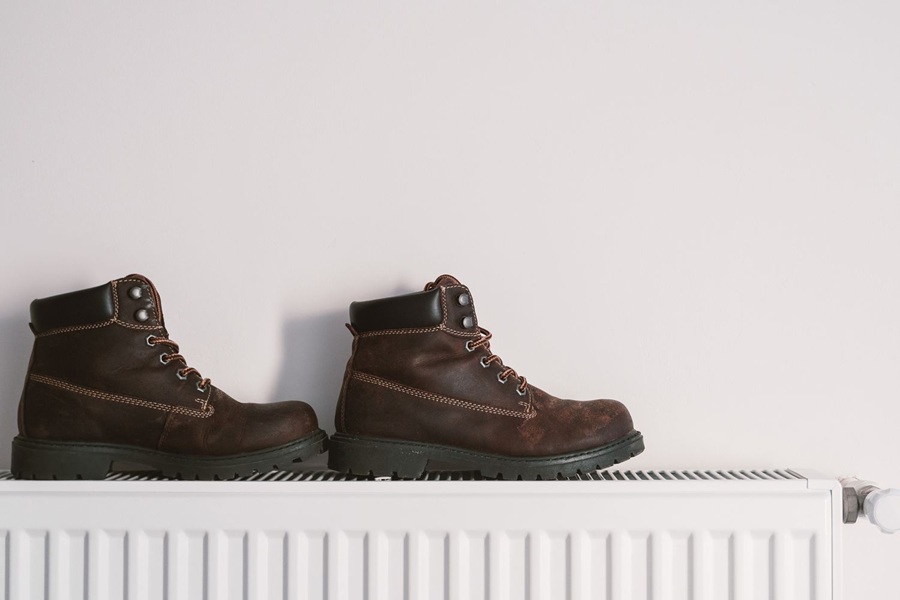
Drying wet shoes on a household heater may seem like a harmless solution, especially during cold or damp weather. However, this practice can pose significant fire hazards, turning what seems like a minor convenience into a potentially dangerous situation. Understanding these risks is crucial to ensure the safety of your home and loved ones.
The Science Behind the Danger
- Combustible Materials: Many shoes today are made from synthetic materials such as polyester, rubber, or foam. When exposed to high heat for prolonged periods, these materials can release flammable fumes or even ignite if temperatures exceed their tolerance limits.
- Overheating Heaters: Placing damp items on heaters can disrupt their airflow and cause them to overheat. This overheating increases the likelihood of sparking or creating hot spots that may catch fire.
- Accumulated Dust: Household heaters often collect dust over time. When combined with the moisture from wet shoes and intensified heat, this dust can smolder or ignite unexpectedly.
Real-World Examples
There have been documented cases of house fires caused by drying clothes and shoes directly on heating appliances. While this is not an everyday occurrence, it’s important to understand that even a small oversight can lead to significant consequences.
| Risk Factor | Possible Outcome |
| Synthetic shoe material | Can release fumes or catch fire |
| Overloaded heater surface | Increased risk of sparks or overheating |
| Blocked vents in heater | Malfunction leading to dangerous heat |
Why You Should Avoid It
- Unpredictable Fires: Even if it hasn’t happened before, unwatched heaters with shoes resting on them create unpredictable conditions for combustion.
- Damage Beyond Repair: A minor spark could lead to thousands of dollars in damages—not just to property but also personal possessions.
- Risk to Life: Beyond material loss, fire risks also threaten lives, making the habit of drying wet items on heaters especially hazardous.
Practical Safety Tips
Instead of using your heater for drying purposes, consider safer alternatives (explored later in the article). Additionally:
– Regularly clean your heaters to remove accumulated dust. – Avoid blocking vents or airflow with any objects—wet or dry. – Keep synthetic materials away from direct heating elements.
By being aware of the potential fire risks associated with improper use of heating appliances, you take an essential step in fostering a safer home environment while protecting both property and lives from harm.
Fire Risks
Drying wet shoes on a heater might seem harmless, but it introduces serious fire risks that should not be overlooked. Many heaters, especially older models or space heaters, are not designed to handle direct contact with damp materials such as shoes. Below is an exploration of how this practice can lead to dangerous outcomes and the precautions you should take.
Heat and Flammable Materials
- Many shoes are made using synthetic materials like foam, rubber, or polyurethane. When exposed to direct heat from a heater, these materials can become highly flammable.
- Fabric components of shoes may also scorch or ignite if left in prolonged contact with intense heat.
- In worst-case scenarios, shoes positioned too close to heating elements may catch fire and quickly spread flames to surrounding areas.
Overheating Heaters
Placing wet items on a heater forces the appliance to work harder than usual: – Water trapped in the soles or fabric of the shoe evaporates slowly, creating excess moisture around the appliance. – This added strain could cause overheating in older heaters without automatic shut-off mechanisms. – Portable heaters, in particular, pose a risk as they tend to have exposed heating elements that are more likely to come into direct contact with flammable surfaces.
Electrical Hazards
Some heaters rely on electrical components for operation, making water exposure particularly dangerous: – Excess moisture from dripping shoes can seep into openings of electric units and lead to short circuits. – A short circuit might damage your heater permanently or even spark an electrical fire.
| Risk Factor | Potential Outcome | Preventive Measure |
| Prolonged heat exposure | Ignition of shoe material | Avoid placing any item directly on heater |
| Water drips | Short-circuiting or overheating | Use waterproof trays for drying nearby |
| Synthetic materials | Rapid combustion under extreme temperatures | Air dry instead of exposing to open heat |
Preventive Measures You Can Take
To minimize fire risks when drying wet shoes:
1. Avoid placing them directly on or near portable space heaters at all costs.
2. Use racks specifically designed for drying clothes and footwear at safe distances from any heat source.
3. Keep combustible materials like paper, fabric cushions, or rugs away from heating units while drying footwear nearby.
By understanding these risks and implementing safer habits around your heater, you protect both your home and personal safety while ensuring that you don’t compromise the longevity of your appliances or belongings.
Shoe Damage
Drying wet shoes on a heater might seem like a convenient solution, but the damage this method can cause to your footwear often outweighs the benefits. Shoes are constructed from a variety of materials, including leather, suede, rubber, and synthetic fabrics, all of which react differently when exposed to prolonged heat. Let’s take a closer look at how direct exposure to heaters can harm your shoes.
Warping and Loss of Shape
- Heat Weakens Structure: Intense heat from a heater can weaken the adhesive bonds that hold your shoe components together. Over time, this may result in sole separation or warped midsoles.
- Distortion of Shape: Materials like leather and suede are particularly prone to shrinking or warping when exposed to uneven or excessive heat. Once deformed, these materials rarely return to their original shape.
Cracking and Brittleness
- Drying Out Natural Fibers: Leather shoes rely on natural oils to maintain flexibility. Prolonged exposure to heat can strip these oils away, leaving the material dry and prone to cracking.
- Synthetic Material Damage: Heat can cause synthetic uppers or soles to become brittle. Rubber soles specifically may harden over time, reducing both comfort and durability.
Fading Colors and Surface Damage
- Color Fading: Many shoes are treated with dyes or finishes that are sensitive to heat. Directly placing them on a heater could cause uneven fading or discoloration.
- Melting Components: If your shoes contain plastic elements (like trim or lace eyelets), high temperatures might soften or melt these components.
Reduced Lifespan of Your Shoes
Regularly drying your shoes on a heater accelerates wear and tear: – The cumulative damage from warping, cracking, fading, and brittle materials means your footwear will degrade faster than it normally would. – Well-made shoes that would otherwise last years may need replacement much sooner due to structural damage caused by improper drying methods.
| Material | Potential Damage When Heated |
| Leather | Cracking; shrinkage; loss of natural oils |
| Suede | Warping; discoloration |
| Rubber | Hardening; reduced flexibility |
| Synthetic Fabric | Brittleness; potential melting |
Preventing Shoe Damage During Drying
Instead of relying on heaters for drying wet shoes: 1. Remove any insoles or laces before drying so each part dries separately. 2. Stuff the interior with absorbent materials like newspaper (replacing it regularly) for efficient moisture absorption. 3. Allow them to air-dry naturally in a well-ventilated space away from direct sunlight or extreme heat sources.
Caring for your footwear properly not only prolongs its life but also ensures it remains comfortable and functional in the long run. Avoid shortcuts like placing them on heaters—it’s worth protecting both their utility and aesthetic appeal by using safer methods instead.
Safer Drying Alternatives
Drying wet shoes effectively without causing damage to the shoes, your appliances, or risking safety is essential. Instead of resorting to placing them on a heater, consider these safer and more efficient alternatives. These approaches not only protect your shoes and home but are also environmentally friendly and cost-efficient.
1. Air Drying
- Remove Insoles and Laces: Take out insoles and laces to allow better airflow inside the shoe.
- Elevate the Shoes: Place them on a rack or hang them in a well-ventilated area for optimal drying.
- Use a Fan: Position a fan near the shoes to accelerate the drying process without using heat.
2. Use Absorbent Materials or Products
| Material/Product | Benefits | How to Use |
| Newspaper | Cost-effective; easily accessible | Stuff crumpled newspaper inside shoes. Replace when damp. |
| Silica Gel Packets | Quick moisture absorption; reusable | Place packets inside and around shoes for faster results. |
| Clean Towels | Gentle on shoe interiors | Wrap towels around each shoe or stuff them inside as needed. |
3. Shoe-Specific Dryers
Investing in a shoe dryer can be a practical solution if you frequently need to dry wet footwear. These devices are designed specifically to dry shoes efficiently while protecting their structure.
- Adjustable heat settings for delicate materials.
- Timer functions to avoid over-drying.
- Compact design for easy storage.
4. Sunlight Exposure (With Precautions)
Advantages:
– No energy cost involved. – UV rays help reduce odor-causing bacteria in the shoe.
Precautions:
– Avoid prolonged exposure, especially if your shoes have vibrant colors or delicate fabrics, as this could cause fading or cracking. – Place them in indirect sunlight if possible, such as under a window or in partial shade.
5. Rice Desiccant Method
- Fill a container large enough for your shoes with about two inches of uncooked rice.
- Place your wet shoes (without insoles) on top of the rice layer so they’re not completely submerged but close enough for moisture absorption.
- Cover loosely with a lid or towel and allow several hours for the rice to draw out excess moisture.
Why These Methods Work Better Than Heaters
| Risk Factor | Heater Drying Impact | Safer Alternatives |
| Material Damage | Heat causes warping, shrinking, or cracking. | Gentle approaches like air drying prevent damage entirely. |
| Fire Hazard | Overheating flammable fabrics increases risk. | Non-heating methods eliminate potential fire risks entirely. |
By using these strategies, you’ll protect both your footwear investment and ensure peace of mind while avoiding unnecessary risks tied to heater use.
Safer Drying Alternatives
When it comes to drying wet shoes, placing them on a heater might seem like a quick and easy solution. However, this approach comes with risks, such as fire hazards, damage to the shoes themselves, and potential overheating of your heating system. Instead of taking these chances, there are several safer alternatives that effectively dry wet footwear while maintaining their integrity.
Air Drying: A Natural and Gentle Option
- Outdoor Airflow: Set your shoes outside in a shaded but well-ventilated area to allow natural air circulation to do the work.
- Indoor Placement: Place the shoes in a cool area with good airflow. Using an open window or fan nearby can expedite the process.
Use of Absorbent Materials
Materials that absorb moisture can help draw out water from the inside of your shoes without causing heat-related damage: – Stuff Your Shoes: Use newspaper, paper towels, or clean rags to fill the interior of each shoe. Replace the material when it becomes soaked. – Silica Gel Packets: These small packets (often found in packaging for electronics or shoes) are highly effective at pulling moisture out gently. Scatter a few inside each shoe.
| Material | Absorption Rate | Additional Notes |
| Newspaper | Moderate | Works best when layered multiple times |
| Paper Towels | High | Replace frequently for maximum effect |
| Silica Gel | Very High | Ideal for long-term use; reusable |
Utilizing Proper Tools
There are tools specifically designed for drying footwear safely: – Shoe Dryers: These devices emit low heat and use air circulation to dry shoes evenly without risking damage. – Dehumidifiers: If you own one, place wet shoes in a small room with a dehumidifier running to extract moisture from the air and your footwear simultaneously.
Controlled Heat Sources
If you must use heat, ensure it is low and indirect: – Hair Dryer on Low Setting: Direct warm (not hot) air toward your shoes while holding the dryer at least six inches away. – Radiator Shelf or Rack: Place shoes on a rack above (not directly on) radiators so they receive gentle warmth instead of direct heat exposure.
Preventative Measures
Avoid having excessively wet shoes in the first place by taking some precautionary steps: – Waterproof Sprays: Apply waterproofing sprays or waxes before heading out into damp conditions. – Weather Awareness: When rain is expected, choose water-resistant footwear whenever possible.
By employing these alternatives—whether natural methods like airflow or specialized tools—you can effectively dry your wet shoes while steering clear of potential hazards linked with drying them on heaters. Taking good care of your footwear ensures their longevity while minimizing risks to your home and belongings.
Safer Drying Alternatives
Drying wet shoes correctly can save you from potential fire hazards, appliance strain, and irreparable shoe damage. Instead of placing your wet footwear on a heater, here are some safer, more effective alternatives to dry your shoes while protecting both your property and the shoes themselves.
1. Air Drying with Proper Ventilation
- Place your shoes in a well-ventilated area where air can circulate freely.
- Remove the insoles and laces to speed up the drying process.
- You can position the shoes near an open window or under a fan to enhance airflow.
This natural method is gentle and minimizes any risk of material damage or odors caused by trapped moisture.
2. Use Absorbent Materials
Stuffing your shoes with absorbent materials is an efficient and safe way to wick away moisture:
– Newspaper: Crumple sheets of newspaper and insert them inside each shoe. Replace them every few hours as they soak up water.
– Microfiber towels: These are highly absorbent and reusable, making them an eco-friendly option compared to paper products.
Both methods are suitable for delicate materials like leather or suede that shouldn’t be exposed to direct heat sources.
3. Shoe Dryer Devices
Invest in specialized shoe dryers designed specifically for this purpose: – Portable electric shoe dryers emit low heat evenly throughout the interior of the shoes without overheating or damaging delicate fabrics.
– Some models use UV light technology, which not only dries but also prevents bacterial growth—ideal for athletic or frequently worn footwear.
These devices are both safe and energy-efficient compared to traditional heaters.
| Drying Method | Pros | Cons |
| Air drying | Free; preserves shoe quality | May take longer depending on humidity |
| Newspaper stuffing | Low-cost; accessible | Requires replacement over time |
| Electric shoe dryer | Fast; consistent heat distribution | Initial investment required |
4. Towel Method for Quick Absorption
Wrap your wet shoes in a dry towel after dabbing off excess water from the exterior: – Press gently on the towel around each section of the shoe. – Repeat with a dry section or new towel until most moisture is absorbed. This approach accelerates drying while preventing exposure to direct heat.
5. Avoid Direct Sunlight
If you choose sunlight as a drying option, ensure it’s done carefully: – Keep leather or suede footwear out of prolonged sunlight exposure to prevent fading or cracking. – Position fabric-based shoes in indirect sunlight if possible, allowing gradual evaporation without overheating materials.
By following these safer alternatives, you’ll protect not just your footwear but also reduce any unnecessary risks associated with improper drying techniques.
Safer Drying Alternatives
1. Use a Shoe Dryer
Investing in a shoe dryer is one of the safest and most effective ways to dry wet shoes. These devices are specifically designed to dry footwear without causing damage to the materials or structure.
- Maintains shoe shape.
- Dries evenly, including hard-to-reach areas like toes.
- Safe for delicate materials such as leather.
- Some models even include deodorizing features, ensuring your shoes stay fresh while drying.
2. Air Drying with Newspaper
This budget-friendly method works well for most types of footwear.
- Remove the insoles (if removable) to dry them separately.
- Loosely crumple sheets of newspaper and stuff them inside the shoes.
- Replace damp newspaper every couple of hours until the shoes are fully dry.
- Gentle on all shoe materials.
- Absorbs moisture effectively over time.
3. Fan-Based Drying
A fan can be an excellent alternative for drying wet shoes, especially when you need faster results than air drying alone.
- Position the fan near a space where air circulation is optimal.
- Place your shoes upright or secure them with clips if they’re lightweight.
- Tip: Use a low or medium setting to avoid applying too much force on delicate fabrics.
4. Sunlight (When Appropriate)
For certain types of durable footwear, sunlight can be used as a natural drying method.
- Avoid direct exposure if your shoes are made from leather or bright-colored materials (to prevent fading or cracking).
- Place the shoes in indirect sunlight during peak daytime hours for faster results.
Comparison Table: Safer Drying Alternatives at a Glance
| Method | Time Required | Suitable For | Key Advantage |
| Shoe Dryer | Moderate | All materials | Preserves shape and quality |
| Newspaper Stuffing | Longer | Most materials | Budget-friendly |
| Fan-Based Drying | Moderate | Lightweight fabrics | Quick with proper positioning |
| Sunlight | Varies by weather | Durable fabrics | Eco-friendly |
What to Avoid When Using Safer Methods
- Overstuffing with newspapers (may distort shape).
- Placing items too close to heat sources during sun-drying methods (can cause warping or discoloration).
- Skipping frequent checks—leaving wet insides unattended may lead to odor or mildew development.
By considering these safer solutions, you’ll protect both your footwear investment and reduce potential risks associated with improper drying methods.