Why Granite Requires Special Cleaning Care
Granite countertops are a popular choice for kitchens because of their durability, elegance, and natural beauty. However, despite being a tough material, granite requires specific care to maintain its appearance and structural integrity over time. Understanding the unique properties of granite helps explain why it necessitates special cleaning techniques and products.
The Nature of Granite
Granite is a natural stone formed under high pressure over millions of years. Its composition includes minerals such as quartz, feldspar, and mica that create its unique patterns and colors. While granite is highly resilient against heat and general wear, it is also porous to varying degrees depending on the quality and finish. This porosity means that without proper care, it can absorb liquids or stains, leading to discoloration or potential damage.
Why General Cleaners Don’t Work
Many common household cleaners contain harsh chemicals like acids or abrasives that can harm granite’s surface:
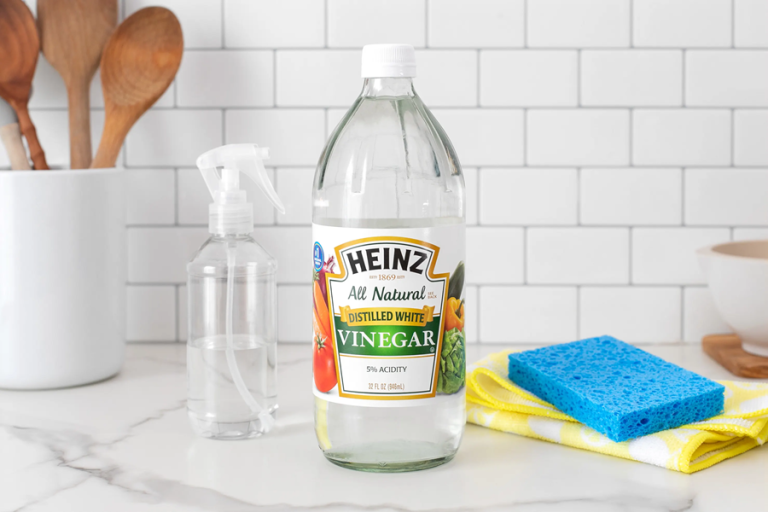
– Acidic cleaners (like vinegar or lemon juice) can etch the surface and dull its polished finish.
– Abrasive scrubbers can leave fine scratches that make the countertop look worn over time.
– Harsh cleaning agents strip away protective sealants applied to the stone, leaving it even more vulnerable to stains or moisture absorption.
Because of these risks, it’s essential to choose products designed specifically for natural stone or those with pH-neutral formulations.
Moisture Sensitivity Risks
Though granite is sturdy, constant exposure to standing water or excessive moisture can lead to minor degradation over time:
– If water sits on unsealed granite for extended periods, it may seep into pores in the stone and cause dark spots or discoloration.
– Over time, moisture damage may not only affect appearance but also weaken the structural strength of the slab in extreme conditions.
The Importance of Sealing Granite
Sealing is one key factor in ensuring proper care for granite surfaces. High-quality sealants fill in porous spaces on the surface of the stone while preserving its aesthetic appeal:
– A well-sealed countertop resists staining from liquids like coffee, wine, or oil spills. – Sealing also reduces bacterial growth since fewer microscopic crevices remain unprotected after cleaning routines.
The sealant should be periodically reapplied depending on wear-and-tear factors such as frequency of use and type of cleaning performed daily (this process will be discussed in detail later).
Long-Term Investment in Care
Treating your granite countertops with care isn’t just about keeping them looking good—it’s about protecting your long-term investment: 1. Granite is an expensive material that adds value to your home; improper maintenance could lead to costly repairs down the line. 2. Proper cleaning practices preserve its shine while preventing unnecessary damage caused by incompatible products.
By appreciating why granite requires specific care measures compared with other materials like laminate or stainless steel surfaces—and implementing those practices consistently—you’ll ensure your countertops retain their luxurious aesthetic for years ahead without compromising their durability or usability.
Daily Cleaning Routine for Granite Countertops
Establishing a consistent daily cleaning routine for your granite countertops is essential to maintain their natural beauty and durability. Granite is a porous material, which means it requires proper care to prevent stains, discoloration, or damage over time. Below is a step-by-step guide on how to clean your countertops effectively while ensuring their longevity.
Step 1: Gather the Right Tools and Materials
Before beginning your cleaning routine, ensure you have the following tools and supplies ready: – Soft microfiber cloths: Ideal for wiping down granite without causing scratches. – pH-neutral cleaner: A gentle cleanser specifically designed for natural stone surfaces. – Warm water: Used for diluting cleaners or as a standalone cleaning agent. – Mild liquid dish soap (optional): Free of harsh chemicals that could damage the stone’s surface.
Avoid abrasive sponges or cloths that might scratch the surface.
Step 2: Wipe Down the Surface
Start by removing any loose crumbs or debris from the countertop using a dry microfiber cloth. This step ensures dirt particles won’t be spread around or cause scratches during cleaning.
Next, dampen another clean microfiber cloth with warm water. Add a small amount of mild dish soap if needed. Gently wipe down the entire countertop in circular motions to lift dirt and residue.
Step 3: Rinse Thoroughly
Once you’ve wiped down the surface with soapy water (if used), rinse out your cloth with clean water and go over the countertop again to remove any soap residue. Leftover soap can dull the finish of granite over time.
Step 4: Dry Immediately
Use a dry microfiber cloth to thoroughly dry the countertop after cleaning. Standing water can seep into granite’s pores if left unchecked, potentially leading to stains or damage. Ensure there are no wet spots lingering on its surface.
Tips for Maintaining Daily Hygiene
To keep things practical and efficient in your daily routine: – Wipe up spills immediately—especially acidic substances such as wine, citrus juice, vinegar, or coffee—to avoid potential etching. – Avoid dragging heavy items across granite surfaces; always lift items instead of sliding them to prevent scratches. – Use coasters under glasses and mugs to avoid rings forming on polished surfaces.
Sample Cleaning Schedule Table
| Task | Frequency | Tools Needed | Notes |
| Dust/wipe down counters | Daily | Dry microfiber cloth | Removes crumbs and dust particles |
| Spot clean spills | As needed | Damp microfiber cloth | Prevents staining from liquids |
| Full counter wipe (soap+water) | Every evening | pH-neutral cleaner & soft cloth | Maintains cleanliness without buildup |
| Final drying pass | After every wipe | Dry microfiber towel | Protects against moisture-related issues |
By sticking to this simple yet effective daily routine, you’ll not only preserve your granite’s stunning appearance but also prolong its lifespan while minimizing wear and tear over time.
Safe Cleaning Products to Use on Granite
Granite countertops are a beautiful and durable addition to any kitchen, but maintaining their natural shine and integrity requires using the right cleaning products. Granite is a porous material, and improper cleaning agents can damage its surface or seep into the stone, causing discoloration or weakening the sealant. Below is a guide to safe cleaning products specifically designed for granite care.
pH-Neutral Cleaners Are Essential
- Granite-Specific Cleaners: Many commercial brands offer ready-to-use solutions formulated specifically for granite surfaces. These are often labeled as “granite-safe” or “stone-safe.”
- Mild Dish Soap: A few drops of mild, non-abrasive dish soap mixed with warm water serve as an excellent everyday cleanser for granite countertops.
Homemade Cleaning Solutions
- Mix 2-3 drops of mild dish soap with warm water in a spray bottle.
- Shake gently before use.
- Combine equal parts of 70% isopropyl alcohol and water in a spray bottle.
- Spray onto the countertop and wipe it clean with a microfiber cloth.
These homemade options are not only cost-effective but also free from harsh chemicals.
Microfiber Cloths: The Ideal Tool
Pair your cleaning solution with soft microfiber cloths instead of abrasive scrubbing pads. Microfiber effectively traps dust, dirt, and grease without scratching the surface.
Avoid Harsh Chemicals
| Product Type | Why It Should Be Avoided |
| Bleach | Strips protective sealant and may discolor stone |
| Vinegar | Highly acidic; causes etching on granite |
| Ammonia | Damages polished finish over time |
| Glass Cleaner | Contains ammonia; dulls shine on surfaces |
Instead, opt for gentle alternatives that are tested for use on natural stone surfaces.
Pre-Test Any New Product
Before using any new cleaner—whether store-bought or homemade—it’s wise to test it in an inconspicuous area of your countertop. Apply a small amount and observe how it interacts with the surface before proceeding with full application.
By carefully choosing safe cleaning products tailored for granite countertops, you can ensure their longevity while preserving their stunning appearance. Using appropriate tools like microfiber cloths along with mild or specially formulated cleaners allows you to clean effectively without compromising your stone’s integrity.
What to Avoid When Cleaning Granite Surfaces
Granite is a durable and elegant choice for kitchen countertops, but it requires specific care to maintain its beauty and structural integrity. While knowing how to clean granite is essential, it’s equally important to understand what practices and products should be avoided. Missteps in cleaning can lead to damage such as scratches, dullness, or discoloration that may be costly or even impossible to fix. Below are the key things you should avoid when cleaning granite surfaces.
1. Harsh or Abrasive Cleaners
- Acidic Cleaners: Avoid products containing vinegar, lemon juice, or other acidic ingredients. These can erode the sealant on the granite and cause etching on the surface.
- Ammonia-based cleaners: Ammonia can dull the finish over time.
- Bleach: Although it may seem like an effective disinfectant, bleach is too harsh for granite and can strip away its protective sealer.
- Abrasive Scrubbing Pads: Steel wool, scouring pads, or any rough materials can scratch the surface of your countertop.
2. Wax-Based Polishes
While polishing granite might seem like a good idea for maintaining its shine, wax-based polishes are not recommended. Over time, these products can build up on the surface and leave behind a cloudy residue that is difficult to remove.
3. Using Too Much Water
Although water alone isn’t inherently harmful to granite countertops, using excessive amounts during cleaning—especially without drying properly—can seep into the porous stone. Over time, this moisture buildup may degrade the sealant or foster bacteria growth in unsealed areas.
4. Ignoring Spills
Granite is stain-resistant when properly sealed but not stain-proof. Leaving spills from substances like wine, coffee, oil, or citrus juices unattended for long periods can result in stubborn stains that penetrate into the stone.
5. Excessive Weight
Avoid sitting or standing on your countertops as too much weight could cause cracks over time. While this isn’t directly related to cleaning practices, improper care during household tasks often damages countertops unintentionally.
Table: Summary of What to Avoid
| Item/Practice | Why It Should Be Avoided |
| Acidic cleaners (e.g., vinegar) | Erodes sealant; causes etching |
| Bleach | Strips protective coating |
| Abrasive tools (e.g., steel wool) | Scratches the surface |
| Wax-based polishes | Leaves cloudy residue |
| Excess water | Encourages moisture buildup; degrades sealant |
| Ignoring spills | Increases risk of stains |
6. Using Generic All-Purpose Cleaners
Many all-purpose cleaners available in stores are not specifically designed for natural stone surfaces like granite. These often contain chemicals that harm your countertop’s finish over time.
By avoiding these common pitfalls during cleaning and upkeep of your granite countertops, you’ll help preserve their natural beauty while extending their lifespan significantly—a worthwhile endeavor given their role as both a functional workspace and design feature in your kitchen!
How to Remove Stains Without Damaging the Stone
Granite countertops are known for their durability and natural beauty, but they can be susceptible to stains if spills or messes are not promptly addressed. Removing stains from granite requires a careful approach to avoid damaging the stone’s surface. Below is a step-by-step guide to safely and effectively remove stains without compromising the integrity of your granite countertop.
Identify the Type of Stain
The first step in treating a stain is understanding its origin. Different types of stains require different cleaning methods:
– Oil-based stains (e.g., cooking oil, butter): These tend to darken the stone and require degreasers or poultices.
– Water-based stains (e.g., coffee, tea): These may leave behind discoloration and can often be treated with mild cleaners or specialty products.
– Rust stains (e.g., from metal objects): These are tougher to remove and might need a commercial rust remover specifically designed for natural stone.
– Organic stains (e.g., wine, fruit juice): These can often be lifted using hydrogen peroxide.
General Supplies Needed
Before tackling any stain, gather the appropriate supplies:
– Soft microfiber cloths or non-abrasive sponges
– A pH-neutral stone cleaner or mild dish soap
– Hydrogen peroxide (3% solution) for organic stains
– Baking soda for creating poultices
– Plastic wrap and tape (optional, for certain treatments)
Step-by-Step Guide
- Spot Test First: Before applying any cleaner or treatment to a stain, test it on an inconspicuous area of your countertop to ensure it won’t cause discoloration or etching.
- Blot Instead of Scrub: If the spill is fresh, blot it gently with a soft cloth instead of scrubbing, which can push the liquid deeper into the stone’s pores.
- Apply a Poultice for Persistent Stains: For stubborn marks like oil-based or deeply set stains:
- Mix baking soda with water (for water-based stains) or baking soda with hydrogen peroxide (for oil-based stains) into a paste-like consistency.
- Spread this paste directly over the stain area in an even layer about ¼ inch thick.
- Cover with plastic wrap and tape down edges securely to prevent drying out too quickly.
- Leave it on for 24–48 hours before carefully removing it with warm water and a soft cloth.
- Use Hydrogen Peroxide for Organic Stains: For food-related marks such as wine or coffee:
- Apply hydrogen peroxide directly onto the stain using a clean sponge.
- Let it work on the surface until you notice lightening of the discoloration.
- Wipe clean thoroughly with warm water afterward.
- Address Rust Stains Cautiously: Rust marks may require specialized cleaners designed explicitly for granite surfaces—avoid generic rust removers that could damage your countertop’s finish.
What Not To Do When Treating Stains
To maintain your granite countertop’s appearance during stain removal:
– Avoid harsh chemicals like bleach or ammonia as they can strip sealants and damage natural stone over time. – Skip abrasive scrubbers such as steel wool that can lead to scratches. – Never use acidic substances like vinegar or lemon juice; they could dull polished surfaces by causing etching.
Regular Maintenance Tips Post-Stain Removal
Once you’ve successfully removed any stain from your granite countertops:
– Reseal if necessary since some cleaning methods may strip away part of its protective sealant layer. – Clean routinely using only pH-neutral products made specifically for stone care. – Wipe up spills immediately going forward to minimize staining risks in high-use areas like kitchens.
By following these targeted strategies alongside routine maintenance practices, you’ll not only safely remove existing blemishes but also protect against future damage effectively ensuring lasting elegance
Sealing Granite for Long-Term Protection
Sealing your granite countertops is a critical step in maintaining their durability, stain resistance, and polished appearance. Granite is a porous stone, meaning it can absorb liquids or oils if left unprotected. A high-quality sealant acts as a protective barrier, reducing the risk of stains and damage over time. Here’s how to properly seal your granite countertops for long-lasting protection.
Why Sealing Granite is Important
- Prevents Stains: Without sealing, liquids like wine, coffee, or oil can seep into the surface and leave permanent marks.
- Preserves Shine: Sealants help maintain the natural luster of granite by preventing dulling caused by water spots and grime buildup.
- Increases Longevity: Proper sealing extends the life of your countertops by protecting them from etching or discoloration.
How to Check if Your Countertops Need Sealing
- Drip a few drops of water onto the surface of your countertop.
- Wait for 10–15 minutes.
- If the water beads up on the surface, your sealant is intact. If it begins to seep in or darken the granite, it’s time for resealing.
Choosing the Right Sealant
Not all sealants are created equal—some are better tailored for specific types of granite or kitchen use cases.
- Penetrating Sealers: These are absorbed into the stone to block pores effectively while preserving its natural breathability.
- Topical Sealers: These form a protective coating on top of the stone but may require more frequent reapplication.
- Look for products labeled “safe for food surfaces” since kitchen countertops come into contact with food regularly.
Steps to Seal Granite Properly
- Use a pH-neutral granite cleaner to remove grime and allow surfaces to dry completely.
- Avoid abrasive pads that might scratch or dull the surface before sealing.
- Use a clean microfiber cloth or soft applicator pad.
- Work in small sections and apply thin layers instead of oversaturating one area.
- Most sealants should sit on the surface for 15–20 minutes (refer to product instructions).
- Add more product if areas appear dry during this period.
- After penetration time has passed, buff away excess sealant with another clean cloth.
- Leaving residue can create streak marks once dried.
- Let sealed surfaces cure fully before exposing them to moisture or heavy use—this usually takes 24 hours but may vary depending on product specifications.
Resealing Frequency
- The quality of initial sealing
- Daily usage levels (heavily used kitchens may require more frequent attention)
- The type of granite (lighter-colored stones tend to be more porous than darker ones)
Quick Tips for Effective Sealing
- Avoid applying too much product at once—it can lead to streaks or uneven coating.
- Test an inconspicuous area first with any new product to ensure compatibility with your specific stone type.
- Perform routine maintenance with gentle cleaning products between reseals to reinforce protection.
By investing time in sealing your granite countertops properly, you’ll preserve their beauty while safeguarding against common issues like staining or dullness—ensuring they remain both functional and visually appealing over years of use.
Tips to Keep Granite Countertops Looking New
Granite countertops are a long-term investment that can elevate the look of any kitchen. Proper care ensures that they retain their shine and durability over time. Below are actionable tips to maintain the beauty and functionality of your granite surfaces.
1. Clean Spills Immediately
Granite is porous, meaning it can absorb liquids if spills are left unattended, leading to stains and potential damage. To prevent this:
– Wipe up spills as soon as they occur using a soft, damp cloth.
– For oily substances such as cooking oil or butter, use a mild dish soap mixed with warm water to remove residue completely.
2. Use Cutting Boards and Trivets
While granite is highly durable, exposing it unnecessarily to sharp objects or extreme heat can cause wear over time. Consider the following:
– Always use a cutting board when chopping fruits, vegetables, or meats to prevent scratches on the surface.
– Place hot pots and pans on trivets or heat-resistant pads rather than directly on the countertop. Prolonged exposure to high temperatures could weaken the sealant or lead to discoloration.
3. Dust Regularly
Dust particles may not be immediately visible but can accumulate quickly on granite surfaces, dulling their natural gloss. To address this:
– Use a microfiber cloth for dusting at least twice a week to keep debris from scratching the surface during cleaning.
4. Maintain Proper Sealing
Granite requires periodic sealing to maintain its resistance against stains and moisture penetration:
– Test your counter’s seal every 6–12 months by sprinkling a few drops of water onto the surface. If water absorbs within minutes instead of beading up, it’s time for resealing. – When resealing, follow product instructions carefully and ensure you’re using a high-quality granite sealer designed for kitchen countertops.
| Sealing Frequency | Recommended Action |
| High-use areas | Seal every 6 months |
| Low-use areas | Seal once per year |
5. Avoid Abrasive Tools for Cleaning
Using abrasive brushes or steel wool can scratch granite’s surface:
– Opt for soft sponges or microfiber towels instead. – If deeper cleaning is needed, use non-abrasive scrubbers designed specifically for stone surfaces.
6. Refrain From Standing or Sitting on Countertops
Though sturdy, granite countertops aren’t designed to support significant weight in small concentrated areas like those created by sitting or standing:
– Encourage all household members (including children) not to climb onto counters. – If necessary, use step stools instead of leaning on countertops when reaching higher shelves.
7. Use Neutral pH Cleaners Regularly
Harsh chemicals like bleach or ammonia can erode the finish over time:
– Stick with neutral pH cleaners labeled safe for natural stone. – Avoid acidic substances like vinegar that could degrade both polish and sealant layers.
By incorporating these habits into your routine care regimen for granite countertops, you’ll ensure they maintain their luster and functionality for years ahead while complementing your kitchen’s overall aesthetic appeal.