What Causes Scuff Marks on Different Floor Types
Scuff marks are common blemishes on floors that can detract from the overall appearance of a space. These marks typically occur due to friction between a hard surface and an abrasive material, such as rubber soles, furniture legs, or heavy objects being dragged across the floor. The exact cause and intensity of scuffing can vary depending on the type of flooring and the material causing the abrasion. Understanding what causes these marks is essential for effective removal and prevention.
Common Causes of Scuff Marks
- Footwear: Rubber soles on shoes are a primary cause of scuffs, particularly on hardwood, laminate, or polished concrete floors. Over time, repeated contact leaves gray or black streaks.
- Furniture Movement: Chairs, tables, or other furniture with unprotected feet can create scuffs when dragged or moved across a floor without lifting properly.
- Heavy Objects: Appliances and heavy equipment can leave significant scuff marks when improperly handled during cleaning or relocation.
- Toys & Equipment: Items like scooters or strollers with plastic or rubber wheels often create noticeable tracks in high-traffic areas.
- Improper Cleaning Tools: Using abrasive cleaning pads that are too rough for your specific flooring material may also inadvertently leave scuffs.
How Different Floor Types React to Scuffing
| Floor Type | Characteristics | Susceptibility to Scuffs |
| Hardwood | Durable but prone to scratches from hard objects | Moderate – especially from shoes and furniture |
| Laminate | Surface coating resists scratches but shows visible marks | High – rubber soles easily mark this shiny surface |
| Tile | Resistant to damage but grout lines may trap dirt | Low – but glazed tiles may show streaks |
| Vinyl | Resilient material ideal for high traffic areas | Moderate – softer surface makes it susceptible |
| Polished Concrete | Tough but shows smudges easily | Moderate – requires sealing to resist light scuffs |
| Carpeted Floors | Less prone to visible scuffs but collects debris | Low – rubber smudges require steam cleaning |
Environmental Factors Contributing to Scuffing
The surrounding environment also plays a role in how easily floors develop scuff marks:
– High foot traffic areas like hallways and kitchens see more wear-and-tear than low-use rooms such as guest spaces. – Dust and debris act as abrasives when dragged across surfaces by shoes or tools. – Uneven flooring increases friction points where objects come into contact.
By understanding the causes behind scuff marks for various floor types, you’ll be better equipped to address them effectively while minimizing future damage through informed preventative measures. Proper identification of problem sources allows you to tailor your cleaning techniques specifically for your flooring’s material makeup.
Identifying Your Floor Material Before Cleaning
Understanding the type of flooring you have is a crucial first step before attempting to remove scuff marks. Different floor materials have unique properties, and using the wrong cleaning method or product can result in permanent damage. Below is a guide to help you identify your floor type and prepare for proper care.
Common Flooring Types
- Hardwood Flooring
Hardwood floors are often coated with a finish like polyurethane or lacquer, which makes them resistant to wear but still susceptible to scratches and scuffs. These floors often have visible wood grain patterns. - Laminate Flooring
Laminate flooring mimics the look of hardwood or stone but is made from synthetic materials. It typically has a glossy appearance with a protective top layer that resists minor scratches but can dull over time. - Vinyl Flooring
Vinyl floors are soft underfoot and come in sheets or tiles. They are moisture-resistant and commonly found in kitchens and bathrooms. Scuffs tend to be more superficial on vinyl surfaces. - Tile Flooring
Tile floors can be ceramic, porcelain, or natural stone. While ceramic and porcelain tiles are durable, natural stone such as marble or slate may be more porous and prone to damage from harsh chemicals. - Concrete Flooring
Polished concrete floors appear smooth with a matte or glossy finish. They are robust but can discolor from improper cleaning methods.
How to Identify Your Floor Material
- Examine Texture: Run your hand across the surface—wood feels warm with noticeable grain; tiles feel cool and smooth unless they’re textured.
- Inspect Edges: Laminate planks often have beveled edges, while vinyl will usually sit flush against each other.
- Test for Porosity: Drip a small amount of water onto an inconspicuous area:
- Absorption indicates materials like unfinished wood or natural stone.
- Water beading suggests sealed surfaces like laminate, vinyl, or polished tile.
- Consult Documentation: If you’re the homeowner, check records from installation or ask your landlord for details about the flooring material used.
| Floor Type | Key Characteristics | Sensitivity Level |
| Hardwood | Visible grain; warm texture | Moderate |
| Laminate | Synthetic; smooth coating | Low |
| Vinyl | Flexible; soft underfoot | Low |
| Tile (Ceramic) | Cool; hard; non-porous | Low |
| Tile (Natural) | Porous; irregular patterns | High |
| Concrete | Matte/glossy finish; sturdy | Low |
Preparing Your Floor for Cleaning
- Perform a patch test in an inconspicuous area before applying any cleaner.
- Avoid abrasive tools if dealing with delicate finishes such as hardwood or natural stone.
- Select products geared specifically for your floor type—for example, pH-neutral cleaners work best on natural stone to prevent etching.
By knowing the characteristics of your flooring material, you’ll not only protect it during maintenance but also ensure that scuff marks are addressed safely and effectively without causing long-term damage.
Removing Stubborn Scuffs Without Damaging Floors
When dealing with stubborn scuff marks on your floors, it’s important to focus on effective yet gentle methods to avoid causing damage. Each floor type, such as hardwood, tile, vinyl, or laminate, requires a slightly different approach to ensure the surface remains intact while eliminating the marks. Below are detailed strategies and tips for safely removing tough scuffs.
General Tips for All Floor Types
- Test First: Always test any cleaning solution or tool on an inconspicuous area before using it on the scuff mark.
- Gentle Pressure: Apply only the necessary force when scrubbing. Avoid aggressive movements that can scratch or dull the surface.
- Use Non-Abrasive Tools: Opt for soft materials like microfiber cloths or non-scratch pads instead of steel wool or harsh scrubbers.
Hardwood Floors
Hardwood flooring is prone to scratches and needs extra care during cleaning.
- Dampen a microfiber cloth with warm water and gently rub the scuff mark in circular motions.
- Dry immediately with a clean, dry microfiber cloth to prevent moisture absorption.
- Mix a small amount of baking soda with water to create a paste.
- Apply the paste directly onto the scuff mark using a soft cloth.
- Rub gently until the mark fades, then wipe clean with a damp cloth and dry thoroughly.
- Lightly dampen a magic eraser sponge and apply minimal pressure on the affected area.
- Avoid over-scrubbing as it may dull wood finishes.
Tile Floors
Tile surfaces are typically durable but can lose their gloss if cleaned improperly.
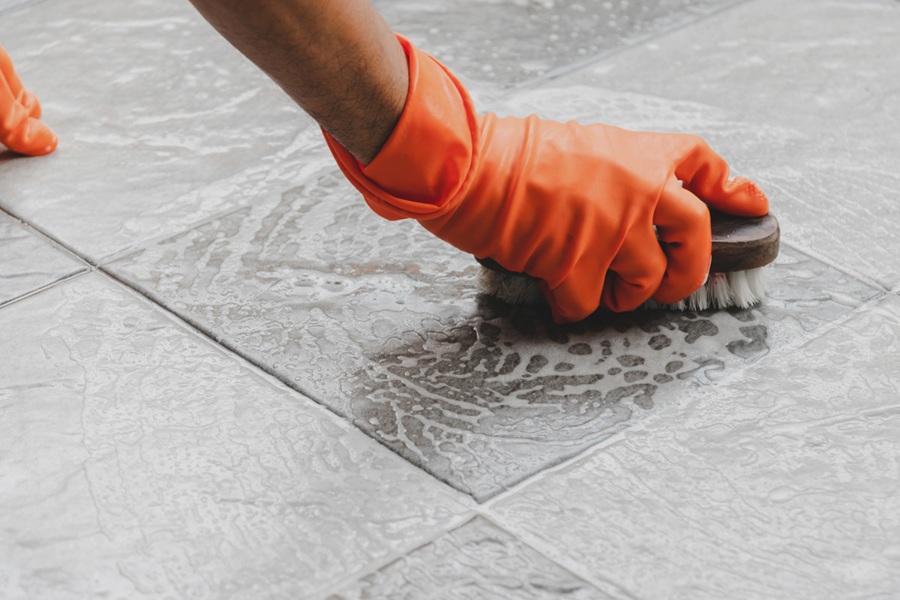
- Mix equal parts white vinegar and warm water in a spray bottle.
- Spray directly onto the scuff mark and let sit for 1–2 minutes.
- Scrub gently with a soft-bristled brush or sponge until the mark lifts off.
- Use an old tennis shoe or rubber sole from another object (like an eraser).
- Rub firmly over the scuff mark in small circles until it disappears.
- Apply non-gel toothpaste directly onto the scuff mark using your finger or an old toothbrush.
- Buff in circular motions before wiping away residue with a damp cloth.
| Material | Cleaning Method | Tools Needed |
| Hardwood | Baking soda paste | Soft cloth |
| Tile | Vinegar solution | Spray bottle, sponge/brush |
| Laminate/Vinyl | Rubber sole trick | Shoe sole/eraser |
Laminate and Vinyl Floors
Laminate and vinyl flooring are more resistant to stains but still require careful cleaning methods to prevent discoloration or scratches.
- Dampen a cotton ball or soft cloth with rubbing alcohol.
- Gently rub over the scuff mark until it fades entirely.
- A few drops of baby oil applied to a microfiber cloth can work wonders on stubborn marks.
- After rubbing away scuffs, follow up by cleaning any leftover residue with warm soapy water.
- Use a high-quality pencil eraser for smaller marks—press lightly and erase back-and-forth as if erasing pencil lines on paper.
Avoiding Common Mistakes
- Never use highly abrasive cleaners like bleach or ammonia directly on floors; these can discolor surfaces permanently.
- Skip metal tools such as knives or scrapers that may gouge softer materials like vinyl or wood.
- Do not soak floors excessively—water damage can be irreversible for certain materials like hardwood and laminate.
By following these tailored approaches specific to each floor type, you can effectively remove even stubborn scuffs while maintaining your floor’s longevity and appearance without causing harm.
Removing Stubborn Scuffs Without Damaging Floors
Stubborn scuff marks can be frustrating, especially when you’ve tried basic cleaning methods without success. The key to tackling tough scuffs lies in using effective techniques while ensuring your floor remains undamaged. Different floor types require tailored approaches to protect their integrity.
Assess the Floor Type and Scuff Severity
- Floor Material: Hardwood, tile, vinyl, or laminate floors may each respond differently to cleaning agents and tools.
- Scuff Intensity: Light marks might only need gentle scrubbing, while deeper scuffs could call for more targeted methods.
Effective Tools and Techniques
- Use a damp microfiber cloth with mild pressure to gently rub the affected area.
- Microfiber is non-abrasive and works well on delicate surfaces like hardwood and laminate.
- A plain rubber eraser (like those used on pencils) can help lift stubborn marks.
- Gently rub it over the scuff until it disappears; then wipe away residue with a damp cloth.
- Cut a small slit into a tennis ball and attach it to a broomstick for ease of use.
- Rub the ball over the mark in circular motions—its texture can effectively lift scuff marks from various floors without scratching them.
- Mix baking soda with water to form a paste.
- Apply this mixture to the scuff using a soft cloth, rubbing lightly in circular motions.
- Follow up by wiping clean with a damp cloth or mop.
- Use products designed for your specific floor type (e.g., wood-safe cleaners or tile sprays). Always check manufacturer recommendations before applying any cleaner.
Protective Measures While Cleaning
- Avoid abrasive scrubbers like steel wool or rough brushes.
- Test all cleaning solutions on an inconspicuous area first.
- Work in gentle motions rather than vigorous scrubbing.
| Floor Type | Recommended Tools | Avoid |
| Hardwood | Microfiber cloth, eraser | Excessive water, harsh brushes |
| Tiles | Baking soda paste | Acidic cleaners if unsealed |
| Vinyl | Rubber eraser | Abrasive pads |
| Laminate | Damp microfiber cloth | Saturation with liquids |
Addressing Deep Scuff Marks
For particularly deep or persistent marks that resist DIY efforts:
– Consider using melamine foam sponges (e.g., Magic Erasers) carefully as they are mildly abrasive. – For hardwood floors, apply wood polish after removing scuffs to restore shine. – Seek guidance from flooring professionals if you’re unsure about certain stains.
These steps ensure you effectively remove tough scuffs while preserving your floor’s appearance and longevity.
Removing Stubborn Scuffs Without Damaging Floors
Stubborn scuff marks can be particularly frustrating to deal with, especially when regular cleaning methods don’t seem to work. Removing these marks without damaging your floors requires choosing the right techniques and materials for the job. Below are some tried-and-true methods to safely tackle tough scuff marks.
Step-by-step Approach for Stubborn Scuffs
- Determine if the scuff is caused by rubber soles, furniture legs, or other sources.
- Identify your floor type (hardwood, laminate, tile, vinyl) since cleaning methods vary based on material sensitivity.
- Test in a Small Area First
Before applying any cleaning solution to a visible area, test it in an inconspicuous spot to ensure it doesn’t harm the floor’s surface or finish.
Recommended Tools and Products
| Tool/Product | Floor Compatibility | Notes |
| Soft eraser | Hardwood, laminate, vinyl | Gently rub over the scuff mark. |
| Microfiber cloth | All floor types | Buff out marks with light pressure. |
| White toothpaste (non-gel) | Tile, laminate | Use sparingly; avoid abrasive formulas. |
| Baking soda + water paste | Tile, vinyl | Gentle yet effective for stubborn spots. |
| Plastic scraper | Tile | Carefully scrape without scratching. |
Techniques for Different Floor Types
- Hardwood Floors:
Use a soft microfiber cloth dampened with a little white vinegar diluted in water. Rub gently in circular motions to loosen and lift the scuff without harming the wood finish. - Laminate Flooring:
Laminate is more durable than hardwood but still requires care when dealing with stubborn scuffs. Apply a bit of rubbing alcohol on a microfiber cloth and rub lightly over the mark until it disappears. - Tile Flooring:
For tiles, create a paste using baking soda and water. Apply it directly on the mark and scrub gently with a non-abrasive sponge or brush. - Vinyl Flooring:
Vinyl floors are prone to scratches if treated roughly. Use plain white toothpaste or a magic eraser sponge to target scuffs carefully.
Avoid Common Mistakes
To protect your floors while removing stubborn scuffs:
– Never use steel wool or abrasive pads as they can scratch surfaces permanently. – Avoid harsh chemicals like bleach unless they’re specifically recommended for your floor type. – Don’t apply excessive force—this can damage finishes or leave noticeable abrasion marks.
Preventing Damage During Cleaning
When addressing tough scuffs:
– Always use soft tools like microfiber cloths or sponges that won’t scratch. – Follow manufacturer guidelines for your specific flooring type. – Focus on keeping moisture minimal, especially on wood or laminate surfaces that are sensitive to water damage.
By using gentle yet effective methods tailored to your flooring material, you can successfully remove even persistent scuff marks without causing harm to your floors’ integrity or appearance.
Removing Stubborn Scuffs Without Damaging Floors
When it comes to stubborn scuff marks, removing them effectively without causing damage to your floor requires careful consideration. Different floor types respond differently to cleaning methods, so it’s essential to choose the right techniques and tools for the job. Below are some proven strategies for handling tough scuff marks while ensuring the integrity of your floors.
Assess the Scuff Mark and Floor Type
- Hardwood floors: These are often delicate and prone to scratches. Avoid abrasive cleaners or tools.
- Vinyl or linoleum: More durable but still benefits from non-abrasive solutions to prevent dulling.
- Tile flooring: Tiles can withstand stronger cleaners, but grout should be protected.
- Laminate floors: These surfaces have a protective layer that can be damaged by harsh chemicals or rough scrubbing.
Essential Tools for Tackling Stubborn Scuffs
Using the right tools is key when dealing with persistent marks. Here’s a list of items that can help without damaging your floor:
– A soft microfiber cloth or sponge
– Rubber eraser or tennis ball (great for friction-based scuffs)
– Non-scratch scrub pads marked safe for specific surfaces
– pH-neutral floor cleaner suitable for your flooring type
Avoid using steel wool, harsh scrubbing brushes, or overly acidic substances as these can harm your floor’s finish.
Step-by-Step Methods
- Use a clean white eraser to gently rub out scuffs on hardwood or laminate floors.
- Apply light pressure in circular motions until the mark fades away.
- Wipe down with a damp microfiber cloth afterward.
- Tennis Ball Technique (For Larger Areas)
- Cut an X-shaped slit into an old tennis ball and place it on a broomstick handle for ease of use.
- Rub over the mark with moderate pressure; this works particularly well on vinyl and tile flooring.
- Baking Soda Paste (For Tough Spots)
- Mix baking soda with water to form a paste. Apply it directly onto the scuff mark.
- Gently scrub using a non-scratch pad in circular motions.
- Rinse thoroughly and dry with a clean cloth.
- For extra resilience, use commercial products labeled safe for your specific flooring material.
- Spot test in an inconspicuous area before applying widely.
- Use a hairdryer on low heat aimed at waxy scuffs caused by shoes or furniture pads.
- Once softened, wipe away residue using a microfiber towel.
Pro Tips for Minimizing Damage During Cleaning
- Always test any cleaning solution in an inconspicuous area first.
- Avoid excessive moisture on wood or laminate floors as it may cause warping over time.
- Stick to circular motions when scrubbing—this minimizes risks of scratching compared to linear strokes.
- Replace worn-out protective pads under furniture legs regularly.
Quick Reference Table
| Floor Type | Recommended Method | Avoid This |
| Hardwood | Rubber eraser & mild cleaner | Excessive water & abrasives |
| Vinyl/Laminate | Tennis ball & baking soda | Acidic solutions |
| Tile/Stone | Baking soda paste | Steel wool |
By following these steps and tips carefully tailored for stubborn scuff marks, you’ll maintain both cleanliness and longevity of your floors without unnecessary wear over time.
When to Use Professional Floor Cleaning Services
While many scuff marks can be removed with DIY methods and household products, there are instances where professional floor cleaning services are a better option. Knowing when to seek expert help ensures your floors are properly cared for without risk of damage. Here’s an overview of when and why you might need professionals to handle scuffed floors.
Complex or Stubborn Scuff Marks
Some scuff marks can be incredibly persistent, especially on delicate surfaces or high-traffic areas. These marks may resist standard DIY approaches for various reasons:
– Deep-set marks: Scuffs that have penetrated protective coatings or finishes may require specialized equipment to remove without harming the surface.
– Chemical sensitivity: Certain floor types, such as natural stone or specialty tiles, are sensitive to typical cleaning agents and may demand expert care.
– Aged flooring: Older floors can have worn finishes that make them more prone to damage during aggressive cleaning attempts.
If you’ve tried multiple safe methods without success, it might be time to call in the experts.
Large Areas and Extensive Damage
For large spaces like offices, event halls, or retail stores, professional cleaning services can more efficiently address widespread scuff marks. Additionally, if the flooring has other issues beyond scuffs—such as discoloration, scratches, or uneven wear—professionals can provide comprehensive solutions like refinishing or resealing in addition to simply removing the marks.
Situations That Might Require Professionals in Large Spaces:
| Scenario | Why Professional Help is Beneficial |
| High-traffic commercial areas | Skilled technicians with industrial-grade tools work faster and ensure consistent results across large surfaces. |
| Mixed flooring materials in one area | Experts know how to treat each material appropriately without risking cross-contamination of cleaning products. |
Specialized Floor Types Requiring Expert Care
Certain types of floors warrant extra caution due to their unique properties:
– Hardwood Floors: Improper handling of hardwood can lead to scratches or warping if moisture levels aren’t controlled. Professionals use techniques designed specifically for wood care.
– Marble and Stone Flooring: Natural stone requires pH-balanced solutions and precise tools that avoid etching or dulling the surface’s sheen.
– Vintage Tiles: Older tiles may need gentle restoration techniques instead of harsh scrubbing methods that might cause cracking.
For these types of materials, professional cleaners often combine expertise with advanced tools such as rotary polishers, buffers, or steam cleaners.
Benefits of Hiring Professionals
Investing in professional floor cleaning services offers several tangible advantages: – Time-saving convenience: Professionals handle labor-intensive work so you don’t have to spend hours scrubbing difficult areas. – Access to advanced tools: High-quality machines like orbital scrubbers ensure deep yet controlled cleaning results. – Long-term protection: Trained technicians apply protective coatings after scuff removal to prolong the life and beauty of your flooring. – Expert recommendations: Professionals often provide maintenance tips tailored specifically for your floor type.
Cost vs Benefit Considerations
While hiring professionals involves an upfront cost, it’s important to weigh this against potential long-term savings from avoiding unnecessary repairs caused by improper DIY attempts: 1. Avoid damage-related expenses (e.g., refinishing due to incorrect scrubbing).
2. Extend your floor’s lifespan with preventive treatments applied by experts. 3. Achieve better aesthetic results that boost property value over time.
By recognizing when a situation necessitates outside help versus when a DIY approach is sufficient, you ensure both the appearance and durability of your floors remain intact for years ahead.