Why Regular Cleaning Is Essential for Lunch Boxes and Backpacks
Lunch boxes and backpacks are daily-use items that can quickly accumulate dirt, food particles, stains, and bacteria. Regular cleaning is not just about maintaining appearances; it plays a critical role in promoting hygiene, extending the lifespan of these items, and preventing unpleasant odors or contamination.
Preventing Health Risks
- Bacterial Growth: Moisture from spills or leftover food creates an ideal breeding ground for bacteria such as E. coli or Salmonella
- Mold Risks: When not cleaned properly, food residue and dampness can result in mold growth inside backpacks or lunch boxes, especially in dark or enclosed spaces.
- Allergy Prevention: Dust and debris buildup may pose challenges for individuals with allergies or sensitivities.
Maintaining Functionality and Appearance
- Prolonging Durability: Grime buildup on zippers, straps, or seams weakens materials over time. Regular cleaning prevents wear-and-tear caused by embedded dirt.
- Preserving Aesthetic Appeal: Stains from spilled beverages or sticky snacks can leave an unsightly appearance if not promptly addressed.
Supporting Freshness
Unwashed lunch boxes often carry lingering odors from past meals—particularly if foods like fish, cheese, or sauces have been stored in them. Similarly, backpacks might develop a stale smell from damp clothes or old wrappers left inside.
Frequency of Cleaning Recommendations
Different levels of use require varying cleaning frequencies.
| Item | Recommended Cleaning Frequency | Notes |
| Lunch Boxes | Wipe clean daily; fully sanitize weekly | Use a mild disinfectant for weekly sanitization |
| Fabric Backpacks | Spot clean regularly; deep clean monthly | Check care labels to ensure proper washing methods |
| Non-Fabric Backpacks | Wipe down monthly | Focus on high-touch areas like handles and zippers |
Environmental Benefits
Regular maintenance reduces the need to replace items frequently, contributing to sustainability by lowering waste production over time. Instead of prematurely discarding worn-out essentials due to poor upkeep, consistent cleaning ensures these items last longer.
By making regular cleaning part of your routine, you’re creating a healthier environment for yourself (or your children) while also fostering habits that protect both personal belongings and the planet. Taking just a few minutes each week to clean lunch boxes and backpacks can prevent bigger issues down the line—saving time, effort, and money in the long run.
How to Wash and Sanitize Lunch Boxes Properly
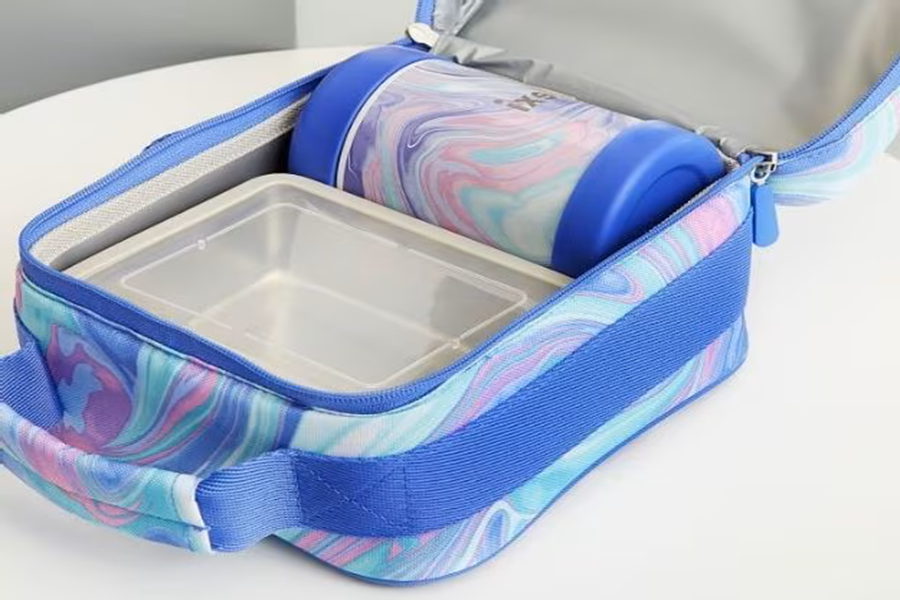
Maintaining a clean and sanitized lunch box is critical for ensuring food safety, preventing germs, and extending its lifespan. Whether your lunch box is made of plastic, metal, fabric, or insulated materials, following proper washing and sanitizing methods will keep it hygienic for daily use.
Step 1: Empty and Pre-Rinse
- Empty all leftover food or drink items from the lunch box.
- Shake out any crumbs into the trash or sink.
- Rinse the interior with warm water to remove loose debris and reduce residue buildup.
Step 2: Hand Wash
Hand washing is often the safest route for many types of lunch boxes, especially those with insulation.Prepare a Cleaning Solution: – Mix warm water with mild dish soap in a basin or sink.Scrub ThoroughlyFocus on seams, corners, zippers, or any crevices where dirt may hide. – For stubborn stains or sticky spots, apply baking soda directly to affected areas before scrubbing.
Step 3: Dishwasher Safety (If Applicable)
Some hard plastic or stainless steel lunch boxes are dishwasher-safe. Always check the care label or manufacturer’s instructions before opting for this method. If approved: – Place components like lids separately on the top rack to avoid warping. – Use a mild cycle rather than high heat to protect insulation layers and prevent distortion.
Step 4: Sanitize Properly
Sanitizing goes beyond basic cleaning by eliminating bacteria that could transfer to food items. Here’s how you can do it effectively: 1.Vinegar Solution:
– Combine equal parts white vinegar and water in a spray bottle. – Mist the solution inside the lunch box after cleaning; let it sit for five minutes before rinsing. 2.Diluted Bleach Solution(For Non-Porous Surfaces Only): – Use one tablespoon of unscented bleach per gallon of water.
Step 5: Pay Attention to Accessories
Don’t forget detachable parts like ice packs, utensils, containers, or removable liners: – Hand wash these accessories in warm soapy water unless they are labeled as dishwasher-safe. – Allow them to dry completely before reassembling the lunch box.
| Material Type | Cleaning Method | Notes |
| Plastic | Hand wash/dishwasher-safe | Avoid high heat cycles that may warp plastic surfaces. |
| Stainless Steel | Hand wash/dishwasher-safe | Do not use abrasive cleaners that can scratch metal. |
| Insulated Fabric | Gentle hand wash only | Never submerge fully; spot-clean if necessary. |
Step 6: Rinse Thoroughly
Always rinse off soap residue as it can leave an odor or affect taste when exposed to food.
Step 7: Air Dry Completely
Before storing your lunch box away, ensure both its interior and exterior are completely dry to avoid mildew and bacteria growth (discussed further under “How to Dry School Essentials Correctly”).
By implementing effective cleaning routines regularly, you’ll create a safe environment for packed meals while maintaining your lunch box’s durability over time.
The Best Way to Clean Fabric and Non-Fabric Backpacks
Cleaning backpacks properly depends on the materials they’re made from. Fabric and non-fabric backpacks require different care methods to ensure they remain durable, functional, and free of stains or odors. Below are step-by-step instructions tailored for each type, along with tips for maintaining their longevity.
Cleaning Fabric Backpacks
Fabric backpacks can generally withstand water-based cleaning methods.
- Always check the manufacturer’s care label inside the bag for specific cleaning instructions before beginning.
- Some fabric backpacks are machine washable, while others require hand washing.
- Turn it inside out and shake vigorously to dislodge crumbs or dirt trapped in corners.
- Spot clean stains using a gentle laundry detergent mixed with water (test on an inconspicuous area first).
- Apply the solution with a soft cloth or sponge and scrub lightly.
- Hand Wash or Machine Wash
- Avoid harsh chemicals like bleach.
If hand washing:
– Rinse thoroughly under cold running water until no soap residue remains.
- Drying the Backpack
Avoid using dryers, as heat can cause fabric shrinkage or deformity:- Hang upside down in a well-ventilated area.
- Ensure all compartments are fully open for proper airflow.
Cleaning Non-Fabric (Synthetic) Backpacks
Backpacks made of synthetic materials like nylon, polyester, or vinyl have different cleaning requirements due to their waterproof properties.
- Wipe Down Exterior Surfaces
Synthetic backpacks benefit from regular surface cleaning: - Dampen a microfiber cloth with warm soapy water.
- Gently wipe away dirt and grime without soaking the material.
- Spot Clean Interior Lining
For messes inside:- Use disinfectant wipes or a cloth dipped in diluted vinegar (1 part vinegar to 3 parts water). Wipe interior surfaces thoroughly but avoid oversaturating them.
- Deep Cleaning for Stubborn Dirt
If deeper cleaning is needed:- Rinse lightly under running water without submerging entirely.
- Use an old toothbrush for scrubbing zippers, seams, and hard-to-reach areas where grime builds up over time.
- Avoid Harsh Products Refrain from abrasive cleaners that might strip protective coatings on synthetic materials:
- Skip bleach-based products that can discolor synthetic fibers.
- Stick to mild soap solutions instead.
Quick Comparison Table of Cleaning Methods
| Backpack Type | Washing Method | Drying Recommendation | Special Considerations |
| Fabric Backpack | Hand wash/Machine wash | Air dry fully; avoid dryers | Pre-treat stains; watch for color bleed |
| Non-Fabric Backpack | Surface wipe/Light rinse | Air dry; avoid direct sunlight | Avoid abrasive cleaners |
General Tips for Both Types
- Empty pockets completely before cleaning to prevent damaging belongings accidentally left inside.
- Check zippers regularly—clean them if dirt accumulates as it may hinder smooth function.
- Incorporate periodic surface wiping into your routine maintenance schedule to reduce buildup over time.
By treating your fabric or non-fabric backpack appropriately based on its material type, you’ll extend its lifespan while keeping it clean and germ-free throughout usage cycles.
Removing Food Stains, Odors, and Germs
Lunch boxes and backpacks are often exposed to spills, crumbs, and odors from leftover food. Proper cleaning techniques are essential not only for maintaining cleanliness but also for keeping these items safe for daily use. Below is a step-by-step guide to effectively deal with food stains, odors, and germs.
Identify the Type of Stain
Before starting the cleaning process, assess the nature of the stain:
– Grease stains: Often caused by oily foods like chips or salad dressings.
– Protein-based stains: Milk, yogurt, or egg spills fall into this category.
– Pigment-based stains: These include spills from juices or sauces like ketchup.
Understanding the type of stain helps in choosing the right cleaning method.
Cleaning Food Stains
For both lunch boxes and backpacks:
1.Spot Treatment:
– Prepare a gentle cleaning solution by mixing 1 tablespoon of mild dish soap with 2 cups of warm water.
Avoid rubbing as it may spread the stain further.
- For stubborn spots on fabric (e. g. , ketchup), mix baking soda with water to form a paste.
- Apply it directly onto the affected area and let it sit for 15 minutes before wiping clean.
- For plastic interiors stained by sauces or curry, scrub lightly using a mixture of white vinegar and baking soda.
| Stain Type | Cleaning Solution | Application Method |
| Grease | Dish soap + warm water | Dab gently; avoid spreading |
| Protein-based | Enzymatic laundry detergent | Soak fabric items; wipe plastics |
| Pigment-based | Baking soda paste + vinegar (if needed) | Apply paste; follow with vinegar rinse |
Removing Odors
Odors can linger in both fabric-lined backpacks and sealed lunch boxes if not treated properly. To eliminate smells: – Sprinkle baking soda inside backpacks or lunch boxes overnight to absorb odors. – Rinse lunch boxes with lemon juice mixed in warm water for a natural deodorizer. – Place an open bag of activated charcoal near stored items (ideal during breaks like weekends).
Killing Germs Without Harsh Chemicals
To ensure items are sanitary without damaging materials: 1. Use a mix of equal parts water and white vinegar as an antibacterial spray. 2. Wipe down plastic surfaces with disinfecting wipes labeled “safe for food contact. 3. Consider washing washable backpack liners or inserts in hot water with laundry detergent designed to combat bacteria.
If you notice moldy spots due to moisture trapped in your child’s backpack: – Mix 1 part bleach (or white vinegar) with 4 parts water. – Spot-clean moldy areas using gloves for protection. – Leave fabrics under sunlight after treatment since UV rays help kill remaining spores.
How to Dry and Store School Essentials Correctly
Proper drying and storage of lunch boxes and backpacks are crucial steps in maintaining their longevity and hygienic condition. Here’s how to ensure your school essentials stay clean, dry, and ready for use.
Drying Lunch Boxes
Moisture trapped in lunch boxes can create a breeding ground for bacteria.
- Air Dry Completely
Avoid sealing it shut until all moisture has evaporated. - Use a Microfiber Towel
This is especially useful for the interior corners where water tends to linger. - Avoid Heat Sources
Do not use direct heat sources such as hair dryers or place lunch boxes near heaters, as excessive heat can warp plastic components or damage materials like insulated fabric.
Drying Backpacks
Backpacks often contain multiple layers of fabric that take longer to dry than lunch boxes.
- Hang Upside Down
Turn the backpack inside out (if possible) and hang it upside down on a sturdy hanger or clothesline. This ensures airflow reaches all compartments and prevents water from pooling at the bottom seams. - Open All Zippers and Pockets
Open every zipper, pocket, and flap to allow better ventilation during the drying process. This step helps avoid creating damp spots where bacteria or mold might grow. - Avoid Direct Sunlight
Instead, place backpacks in indirect sunlight or shady areas with good airflow.
Storing Lunch Boxes Correctly
- Store them unzipped with lids loosely placed on top (for hard cases) so air circulation prevents any trapped odor.
- Use silica gel packets inside if you live in humid environments—these help absorb excess moisture during long-term storage.
Storing Backpacks Properly
- Empty all pockets of leftover items like food wrappers or papers that might attract pests.
- Fill the bag with soft items such as old towels or packing paper to help retain its shape during periods of non-use.
- Hang on a hook rather than folding it up tightly; this helps prevent creasing and protects structural integrity.
| Storage Tips | Why It’s Important |
| Keep items dry | Prevents mildew/mold |
| Use breathable space | Promotes airflow |
| Avoid direct sunlight | Protects material quality |
Tips to Keep Lunch Boxes and Backpacks Fresh All School Year
Maintaining freshness in your lunch boxes and backpacks throughout the school year is not just about cleaning them periodically; it’s about preventing odors, stains, and bacteria buildup before they occur. With a consistent routine and a few thoughtful tips, you can ensure these essentials remain clean, inviting, and ready for daily use.
1.Develop a Routine Cleaning Schedule
- Empty lunch boxes and backpacks every evening. Remove leftover food, wrappers, or spilled liquids to avoid odors or mold buildup.
- Wipe the interior of lunch boxes with an antibacterial wipe or a damp cloth dipped in mild soapy water.
- For backpacks, shake out crumbs or debris weekly. Use a handheld vacuum for hard-to-reach corners if needed.
- Wash reusable containers and utensils thoroughly to avoid cross-contamination or lingering smells.
2.Invest in Odor Absorbers
- Place odor-neutralizing products such as baking soda sachets or activated charcoal bags inside lunch boxes or backpacks when not in use. These effectively absorb moisture and smells without adding any chemicals.
- For a DIY alternative, fill an old sock with dried coffee grounds or baking soda, tie the end securely, and place it inside overnight.
3.Use Food-Safe Liners
To protect the interior of lunch boxes from spills and stains: – Use reusable silicone mats or food-safe liners that are easy to wipe clean. – Consider separating wet foods (like fruit) from dry foods by using leak-proof containers.
4.Choose the Right Containers
Invest in high-quality leak-proof containers for food storage: – Ensure containers are BPA-free to avoid harmful chemicals leaching into foods. – Opt for stackable designs that fit neatly into lunch boxes without jostling during transportation.
5.Keep It Dry Between Uses
– If your child’s backpack gets wet due to spills or rain, hang it up unzipped in a well-ventilated area rather than leaving it on the floor.
6.Spot Treat Stains Promptly
Address spills as soon as they happen: – Use warm water mixed with a small amount of dish soap to gently blot away stains caused by sauces, fruits, or drinks.
| Common Food Stains | Quick Remedy |
| Tomato Sauce | Dish soap + warm water |
| Chocolate | Cold water + gentle scrubbing |
| Grease | Cornstarch + vinegar |
7.Encourage Good Habits
Teach children simple practices that contribute to freshness: – Ensure they close lids tightly on containers before placing them back into their bags. – Encourage them not to keep uneaten food in their backpack after school but instead throw it out immediately when they get home.
By implementing these strategies consistently throughout the year, you’ll reduce wear-and-tear on school essentials while keeping them fresh for longer use. A little extra care goes far in ensuring cleanliness while also extending the life span of these everyday items.
Check Care Labels Before You Start Cleaning
Before diving into the task of cleaning lunch boxes or backpacks, it’s essential to check their care labels. These labels provide crucial information about the materials used and how they should be cleaned to ensure longevity and proper maintenance.
Why Care Labels Matter
Care labels are there for a reason—they help you: – Identify the material type (e. g. , fabric, plastic, metal inserts). – Learn acceptable cleaning methods (e. g. , handwashing vs. machine washing). – Understand temperature tolerances for washing and drying. – Avoid using harsh chemicals that could degrade the material.
Common Symbols on Care Labels
| Symbol | Meaning |
| 🖐️ Hand Wash Only | Wash gently by hand in cold water |
| ❄️ Cold Wash Only | Use cold water in a machine |
| 🌡️ Warm Wash | Machine wash with warm water |
| 🚫 Do Not Machine Dry | Air dry only |
| 🔥 Medium Heat Drying | Use moderate tumble dryer heat |
| 💧 Do Not Soak | Avoid soaking in water |
Familiarizing yourself with these symbols ensures that you avoid irreversible damage during cleaning.
How to Approach Items Without Care Labels
If your lunch box or backpack lacks a visible care label or if it has worn off over time: 1.Identify the Material: Determine if it’s made from fabric (cotton, polyester), non-fabric materials (plastic linings, metal parts), or a combination. 2.Test a Small Area First: Before applying any cleaning solution broadly, test a hidden area for colorfastness and reaction. 3.Err on the Side of Caution: When unsure of proper cleaning methods, use gentle options like mild soap and lukewarm water.
Special Considerations for Lunch Boxes vs.
- Lunch Boxes: Often have insulated linings that can degrade under high heat or abrasive scrubbing. Look out for instructions specific to insulation care.
- Backpacks: Some may have leather accents or waterproof coatings that require special handling. Use low-abrasion tools like microfiber cloths.
Final Tips Before You Begin Cleaning
- Always remove detachable parts such as straps or inserts before proceeding.
- If possible, clean zippers separately using a brush to remove lodged dirt without damaging seams.
- For expensive or delicate items, consider spot-cleaning instead of fully submerging them in water.
By checking and adhering to care label instructions upfront, you set yourself up for successful cleaning while protecting your lunch boxes and backpacks from unnecessary wear and tear.