How Does a Vinegar Cleaning Solution Work?
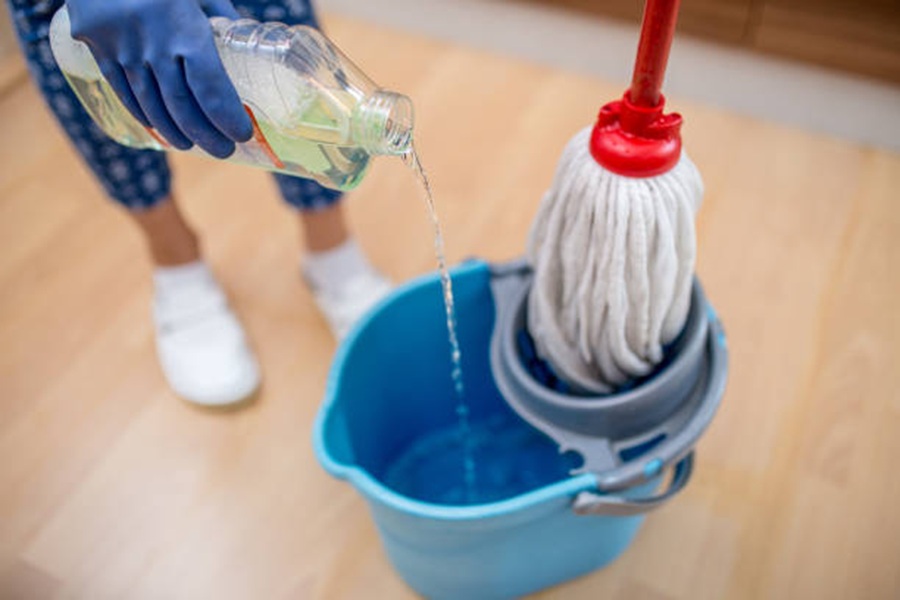
Vinegar has long been a trusted household staple for cleaning, and its effectiveness lies in its natural chemical properties. Understanding how vinegar works as a cleaning agent can help you make the most of this readily available solution when tackling dirt, grime, and stains on your floors.
At its core, vinegar is a solution consisting of acetic acid and water.
- Acidic Properties:This acidity helps break down stubborn residues such as mineral deposits, soap scum, and grease.
- Natural Antimicrobial Action:While not as strong as chemical disinfectants, vinegar exhibits mild antimicrobial properties. It can reduce bacteria and fungi on surfaces under certain conditions.
- Residue Dissolution:Vinegar’s acidic nature effectively dissolves alkaline substances like hard water stains or the buildup left by certain cleaning products.
- Odor Neutralization:Acetic acid reacts with compounds that contribute to unpleasant odors, helping neutralize smells rather than just masking them.
Types of Vinegar for Cleaning
Different types of vinegar exist, but not all are equally suited for cleaning purposes.
| Type of Vinegar | Acidity Level | Best Uses |
| White Distilled Vinegar | 5-7% | General floor cleaning; removing stains |
| Apple Cider Vinegar | 5-6% | Light cleaning; odor neutralization |
| Cleaning Vinegar | ~6% | Tougher stains and grime |
Note:While white distilled vinegar is the most common choice for cleaning floors due to its affordability and lack of color (reducing the risk of staining), other types may suit specific needs.
Why Choose Vinegar Over Commercial Cleaners?
- Eco-Friendly Option:Unlike many store-bought cleaners containing harsh chemicals or synthetic fragrances, vinegar is biodegradable and safe for the environment.
- Cost Effective:A bottle of white distilled vinegar is inexpensive compared to specialized floor-cleaning solutions.
- Versatile Usage:Not only does it clean various surfaces like tile or laminate floors effectively, but it also works well on windows, kitchen counters, and more.
Limitations to Keep in Mind
- Avoid using on marble or granite floors since its acidity may damage natural stone finishes.
- Refrain from mixing with bleach or other strong chemicals to prevent harmful reactions.
By understanding how a vinegar-based solution works at the molecular level – breaking down grime while being gentle on most surfaces – you can use it confidently across your home without resorting to harsher alternatives.
How Does a Vinegar Cleaning Solution Work?
Household vinegar has long been a trusted, natural cleaning agent due to its unique chemical properties.
- Acetic Acid: Typically containing about 5% acetic acid, vinegar is acidic enough to break down dirt, grease, and mineral deposits on various surfaces. This acidity disrupts the bonds that hold grime together or cling it to floors.
- pH Level: With a pH of around 2.
- Antimicrobial Action: Research has shown that vinegar possesses mild antibacterial properties. While not a replacement for disinfectants in medical settings, it can inhibit the growth of some bacteria and mold in household environments.
Why Vinegar Works Well on Floors
When used correctly, vinegar can clean different types of flooring without causing damage.
- Breaks Down Residue: It dissolves sticky residues left by spills or soap build-up.
- Removes Hard Water Stains: Its acidic properties make it ideal for tackling marks caused by hard water.
- Cuts Through Grease: Acetic acid is excellent at breaking apart grease molecules on kitchen floors.
- Environmentally Friendly Cleaning: Unlike commercial cleaners with harsh chemicals, vinegar is biodegradable and non-toxic when diluted properly.
| Floor Type | Suitability of Vinegar Solution |
| Hardwood (Sealed) | Safe when diluted but avoid over-saturation which could damage wood fibers |
| Tile | Excellent for cutting through grime and hard water stains |
| Vinyl | Effective when used sparingly; excessive use may dull the finish |
| Laminate | Use with caution; avoid soaking as excess moisture can cause warping |
| Stone (e.g., marble) | Not recommended due to potential erosion from acidity |
Precautions When Using Vinegar Solutions
- Test First: Always test the solution on a small area before applying it over an entire floor surface.
- Dilution Is Key: Undiluted vinegar can be too harsh for some materials like hardwood or laminate flooring. A common ratio is 1 cup of vinegar to 1 gallon of warm water.
- Avoid Porous Surfaces: Acids in vinegar can seep into porous materials like unsealed stone or grout and cause damage over time.
- Combine Safely: Never mix vinegar with bleach or ammonia-based products as this produces toxic fumes.
Common Misconceptions About Vinegar Cleaning
- Vinegar Cleans Everything: Though versatile, it isn’t ideal for all surfaces—such as natural stones—or tasks requiring strong disinfectants.
- Stronger Concentration = Better Cleaning: Using undiluted vinegar often leads to surface corrosion rather than improved cleaning results.
By understanding how a vinegar solution works chemically and practically on different floor types, you can use it safely and effectively in your home-cleaning routine while minimizing harm to both surfaces and the environment.
How Does a Vinegar Cleaning Solution Work?
Household vinegar, particularly white distilled vinegar, has become a popular natural cleaning agent due to its unique composition and properties. Understanding how a vinegar cleaning solution works on floors requires a closer look at its chemistry and the way it interacts with dirt, grime, and other residues commonly found on household surfaces.
Vinegar is a diluted form of acetic acid (typically around 5-7% concentration in household products), which is an organic compound known for its acidic properties.
- Breakdown of Mineral Deposits:Hard water stains or mineral buildup can leave unsightly marks on floors.
- Dissolving Grease and Dirt:Acids like vinegar can break down the molecular bonds in oils and grease, making it easier to lift greasy residues from floor surfaces.
- Neutralizing Alkaline Substances:Many stains or compounds causing dirt are alkaline by nature. Vinegar’s acidic profile helps neutralize these substances, weakening their grip on surfaces.
Why Vinegar is Safe for Most Floor Types
Vinegar’s mild acidity makes it safe for many types of flooring when properly diluted. Its ability to clean without introducing harsh chemicals is one reason it’s favored by eco-conscious households.
- Non-Toxic Nature:Unlike chemical cleaners, vinegar doesn’t release harmful fumes or leave toxic residues behind.
- Environmentally Friendly:It breaks down naturally after use without harming ecosystems.
While safe for many materials like tile, vinyl, and sealed wood flooring, certain floors—such as marble or stone—can be sensitive to acidic solutions. These materials may erode over time when exposed to even mild acids like vinegar.
Enhancing Cleaning Efficiency with Vinegar Solutions
| Ingredient | Purpose | Example Recipe |
| Water | Dilutes acidity for safer application | 1 part vinegar + 3 parts water |
| Essential Oils | Adds fragrance; boosts antibacterial power | Add 5 drops per cup of solution |
| Baking Soda | Creates fizzing reaction; lifts stubborn grime | Sprinkle before applying solution |
Limitations of Vinegar as a Cleaner
- Strong Odor Sensitivity:Some individuals may find the smell of vinegar unpleasant during application (although this fades as it dries).
- Not Suitable for Porous Surfaces:Unsealed wood or stone may absorb liquid too easily when cleaned with water-based solutions like diluted vinegar.
By understanding how the acetic acid in household vinegar works at both chemical and practical levels, homeowners can take full advantage of this simple yet effective natural cleaner while avoiding potential drawbacks. Proper usage ensures that your floors remain clean without causing unnecessary wear over time.
How Does a Vinegar Cleaning Solution Work?
Vinegar has long been celebrated as an affordable, natural, and effective cleaning agent. Understanding how vinegar works can help you make the most out of this common household product for cleaning your floors and other surfaces.
acetic acid, which typically constitutes about 4-8% of white vinegar.
- Breaks Down Dirt and Grime: Acetic acid lowers the pH of the surface it’s applied to, making it harder for dirt, grease, and grime to stick.
- Dissolves Mineral Deposits: It’s especially effective at breaking down limescale or hard water stains because it reacts with calcium carbonate and other alkaline substances.
- Kills Germs (to an Extent): While not a registered disinfectant against certain pathogens like some commercial cleaners, vinegar’s acidity can kill some bacteria and inhibit their growth over time.
| Property | Effect on Cleaning |
| Acidity (low pH) | Dissolves minerals, breaks down residue |
| Non-toxic composition | Safe for humans and pets when used properly |
| Solvent properties | Lifts dirt, grease, and light stains |
Why Vinegar Works Well on Floors
Different floor types can benefit from the unique properties of vinegar.
- Vinyl Floors: Vinegar removes scuff marks without leaving behind streaks or residue.
- Hardwood Floors (if sealed): When diluted properly, vinegar gently cleans without stripping protective finishes.
Note: Always dilute vinegar with water to avoid damage on delicate flooring surfaces or finishes.
Comparing Vinegar to Commercial Cleaners
- It is environmentally friendly – no harsh chemicals are involved.
- It is cost-effective – a single bottle serves multiple purposes.
- It is hypoallergenic – safe for individuals sensitive to strong chemical smells.
However, unlike specialized cleaners that may promise antibacterial or antifungal action, vinegar works best as a general cleaner rather than a disinfectant.
Practical Tips for Using Vinegar Safely
- Always test on an inconspicuous area first before applying to the entire surface.
- Mix equal parts of lukewarm water with white distilled vinegar for general cleaning solutions.
- Use undiluted vinegar sparingly on tiles or stone (avoid marble).
- Let it sit briefly before scrubbing gently with a non-abrasive brush.
- Avoid combining vinegar with bleach or ammonia as toxic fumes can result.
By understanding how a simple solution like household vinegar works chemically and practically, you can achieve cleaner floors without relying on synthetic alternatives.
How Does a Vinegar Cleaning Solution Work?
Understanding how vinegar functions as an effective cleaning agent requires diving into its chemical composition and properties. Vinegar, a solution of acetic acid and water, has been used for centuries as a natural cleaner due to its ability to dissolve grime, eliminate odors, and kill certain types of bacteria. Its multipurpose nature makes it an excellent option for floor maintenance.
- Degreasing Power:Acetic acid cuts through grease and grime by breaking the bonds that hold oily residues together. This makes it ideal for tackling sticky or greasy patches on kitchen floors.
- Antimicrobial Properties:While vinegar isn’t strong enough to replace disinfectants like bleach in killing all germs, it can help reduce bacteria on surfaces owing to its mild antimicrobial properties. This is particularly useful for maintaining hygiene in areas like bathrooms or entryways.
- Residue-Free Cleaning:Unlike many commercial cleaning products, vinegar leaves no soapy film behind when used properly. This ensures your floors retain their shine without any dull buildup.
Types of Floors Suitable for Vinegar Cleaning
| Floor Type | Suitable for Vinegar? | Notes |
| Tile | Yes | Great for ceramic or porcelain tiles; cuts through dirt without damaging the surface. |
| Laminate | Yes (diluted) | Use with care—always dilute vinegar to avoid damaging the sealant layer. |
| Hardwood | Limited use | Only safe if floors are sealed; avoid over-saturation to prevent warping. |
| Vinyl | Yes | Effectively cleans vinyl floors without causing discoloration or damage. |
| Stone (e.g., marble) | No | Avoid using vinegar on natural stones as the acid can etch and damage the surface. |
Proper Dilution Ratios
- General cleaning: Mix 1 cup of white vinegar with 1 gallon of warm water.
- For tougher stains: Use a 50/50 ratio of white vinegar and water but test on a small area first.
- For laminate or hardwood: Use a more diluted solution (e. g. , ½ cup white vinegar per gallon of warm water).
Limitations of Vinegar Cleaning Solutions
While highly effective in many cases, there are limitations to keep in mind: – Strong OdorNot Universally Safe: As noted earlier, avoid using it on porous materials like marble or granite since acidic solutions can harm these surfaces over time.Doesn’t Kill All Germs: Although antimicrobial, it’s not sufficient for complete disinfection against all pathogens.
By understanding how vinegar works at a chemical level and applying its strengths wisely across appropriate surfaces, you can harness this affordable household staple for efficient and environmentally friendly floor maintenance.
How Does a Vinegar Cleaning Solution Work?
Household vinegar, particularly white distilled vinegar, is a versatile and effective cleaning agent due to its natural properties. Understanding how it works can help you use it efficiently in household floor cleaning tasks.
Vinegar’s key ingredient is acetic acid, which typically comprises 4-7% of white vinegar.
- pH Level:Vinegar is acidic with a pH of around 2. 5. This acidity helps dissolve stubborn residues like mineral deposits, soap scum, and grease.
- Natural Solvent:Acetic acid breaks down organic material effectively, allowing dirt and buildup on floors to loosen with minimal scrubbing.
- Disinfectant Properties:While not as strong as commercial disinfectants, acetic acid has antimicrobial effects that can reduce bacteria and fungi on surfaces.
- Mineral Neutralization:Hard water stains or calcium deposits respond well to the acidic nature of vinegar, which neutralizes these alkalis.
Why Vinegar Works Specifically Well for Floors
When used on most floor types (excluding certain sensitive materials like natural stone), vinegar achieves impressive results due to its ability to penetrate grime without leaving harsh chemical residues.
- Streak-Free Shine:When diluted properly with water, vinegar dries quickly and leaves no streaks behind.
- Cost-Effective:A small amount of vinegar mixed with water goes a long way in cleaning large floor areas.
- Eco-Friendly Alternative:Unlike many store-bought cleaners that may contain harmful chemicals contributing to indoor air pollution, vinegar is biodegradable and safe for the environment.
- Odor Neutralization:In addition to removing visible dirt, vinegar also absorbs unpleasant odors such as pet smells or stale air trapped in carpets or flooring.
| Property | Benefit for Floor Cleaning |
| Acidity (low pH) | Dissolves grime, hard water stains & grease |
| Antimicrobial | Reduces bacteria without using harsh chemicals |
| No Residue | Leaves a clean finish without sticky film |
| Eco-Friendly | Safe for pets & children; reduces environmental impact |
Practical Considerations When Using Vinegar-Based Solutions
- Dilution Matters: Always dilute white vinegar when cleaning floors (e. g. , 1 part vinegar to 3 parts water). Undiluted use can harm certain surfaces or leave an overpowering scent.
- Floor Material Compatibility: Avoid using vinegar on delicate materials like marble or granite as its acidity may etch the surface over time.
- Rinse If Necessary: For wood floors or tiles with crevices where residue might linger, follow up with a damp mop dipped in plain water.
By understanding how a simple solution of household vinegar operates at both chemical and practical levels, you can make informed decisions about incorporating it into your regular cleaning routine effectively—and safely—while achieving sparkling clean floors.
How Does a Vinegar Cleaning Solution Work?
Vinegar has long been a trusted household cleaning agent, but how does it actually work? Its effectiveness is rooted in its unique chemical composition, which provides the perfect balance of acidity and antibacterial properties. Understanding this will not only help you use vinegar effectively but will also give you confidence in its cleaning ability compared to commercial cleaners.
At its core, vinegar is a dilute solution of acetic acid, typically containing 4-8% acetic acid by volume.
- Breaks Down Dirt and Grime: Acetic acid dissolves minerals such as calcium, lime, and grease. This makes it ideal for combating hard water stains and soap scum on floors and other surfaces.
- Antimicrobial Properties: Research shows that vinegar can kill some bacteria and viruses because of its low pH level. It creates an environment where many microorganisms cannot survive.
- Neutralizes Odors: Vinegar doesn’t just mask unpleasant smells—it neutralizes them by breaking down odor-causing compounds at the molecular level.
By targeting dirt, grime, bacteria, and odors simultaneously, vinegar provides a comprehensive cleaning solution for floors and beyond.
pH Balance and Its Role in Cleaning
Most household dirt consists of alkaline substances like soap residue or hard water buildup.
| Substance | Typical pH | How Vinegar Works |
| Soap Scum | Alkaline (9+) | Neutralizes alkalinity to dissolve buildup |
| Hard Water Stains | Alkaline (above 7) | Breaks down mineral deposits |
| Mold/Mildew | Neutral-Slightly Acidic | Inhibits mold growth with acidic properties |
This ability to adjust the surface’s pH helps restore cleanliness without harsh chemicals.
Where Vinegar Works Best for Floor Cleaning
- Tile Floors: Cuts through grease and grime while breaking down mineral stains.
- Laminate Flooring: Removes dirt without leaving streaks or residue—just ensure it’s diluted properly.
- Vinyl Floors: Safely cleans while preserving the glossy finish.
It’s worth noting that while vinegar is versatile, it should not be used on porous surfaces like marble or granite floors as the acidity can cause etching over time.
Tips for Maximizing Effectiveness
- Use white distilled vinegar for cleaning; other varieties like apple cider vinegar may leave stains.
- Always dilute vinegar with water before applying it to floors—this reduces risks of damage while ensuring gentle yet thorough cleaning.
- Pair your solution with microfiber mops or cloths to avoid scratches on sensitive surfaces.
With these insights into how vinegar works at a chemical level, you can confidently apply this natural cleaner in your home to achieve spotless results with minimal effort.