How a Steam Cleaner Works
A steam cleaner is a versatile cleaning device that uses heated water vapor to disinfect, sanitize, and lift dirt from various surfaces. By harnessing the power of steam, these machines provide a chemical-free cleaning solution that’s both eco-friendly and safe for your home.
The Science Behind Steam Cleaning
Steam cleaners operate by heating water in a built-in boiler or tank until it reaches high temperatures (typically 200–300°F). This process creates pressurized steam, which is then released through the nozzle or attachment. The heat and pressure work together to break down grime, grease, and bacteria on contact. Here’s how it works step-by-step:
1. Heating Water: Water is added to the tank or reservoir of the steam cleaner. Once powered on, the machine heats the water to generate steam.
2. Releasing Steam: Pressurized steam is directed toward the surface via a nozzle or specialized attachments like brushes or pads.
3. Lifting Dirt: The hot vapor loosens debris, kills bacteria, and dissolves stains, making them easier to wipe away with a cloth or mop head.
Benefits of Using Steam for Cleaning
- Chemical-Free Cleaning: Unlike traditional cleaning methods that rely on harsh chemicals, steam cleaning simply uses water, making it safe for those with allergies or sensitivities.
- Eco-Friendly Option: Since no detergents are required, there’s less waste going into waterways and landfills.
- Deep Sanitation: High heat effectively kills pathogens like bacteria, viruses, mold spores, and dust mites—perfect for households with children or pets.
- Cost Efficiency: With no need for additional cleaning products over time, you save money while still achieving excellent results.
Key Components of a Steam Cleaner
| Component | Function |
| Water Tank | Holds water to be heated into steam |
| Heating Element | Heats the water to create high-temperature vapor |
| Pressure Valve | Controls the release of pressurized steam |
| Nozzle/Attachments | Directs concentrated bursts of steam; some models feature interchangeable tools |
Why Heat Matters in Cleaning Performance
The elevated temperature of steam not only softens stubborn grime but also breaks down oils and fats that ordinary cleaners struggle with—this makes it highly effective against kitchen grease or bathroom soap scum buildup.
Additionally, heat has natural disinfectant properties. Studies have shown that sustained exposure to temperatures above 160°F can eliminate most germs and microorganisms without requiring additional sanitizing agents.
Types of Steam Cleaners
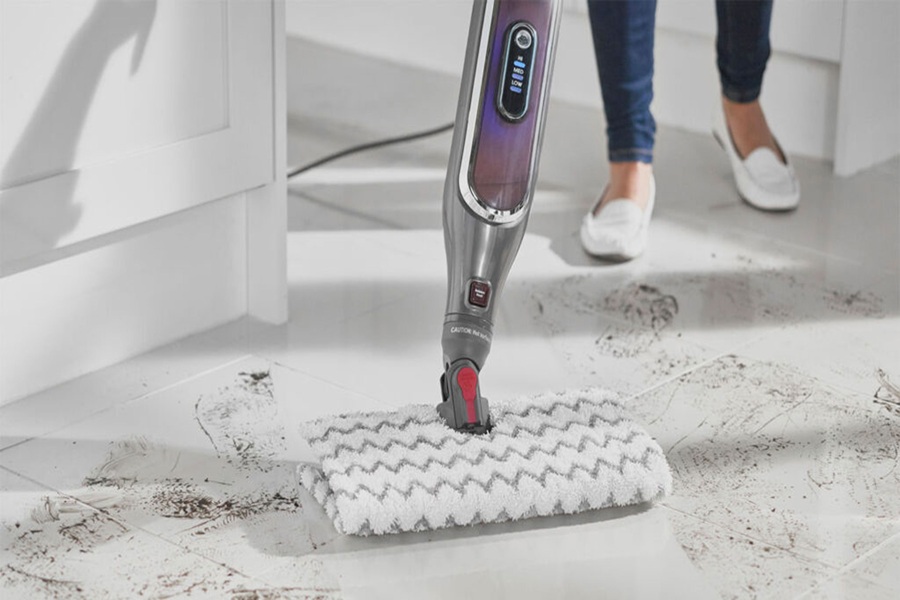
Several types of machines are available depending on your needs: – Handheld Steam Cleaners: Compact models ideal for small jobs like cleaning grout lines or faucets. – Canister Steam Cleaners: Larger units equipped with multiple attachments suitable for entire homes. – Steam Mops: Specifically designed for sanitizing floors while being lightweight and easy to maneuver.
Understanding how your device generates and applies heated vapor can help you maximize its effectiveness across different surfaces in your home while reducing reliance on harsh chemicals.
What Can You Clean With a Steam Cleaner
Steam cleaners are one of the most versatile tools for maintaining a clean and sanitized home. By using high-temperature steam, they effectively lift dirt, grime, and bacteria from various surfaces without the need for harsh chemicals. Let’s explore the wide range of items and surfaces that benefit from steam cleaning.
Hard Flooring Surfaces
Steam cleaners are highly effective on hard floors such as:
– Tile: Grout lines can be easily refreshed and sanitized.
– Hardwood (sealed): Removes stubborn stains while being gentle on the finish.
– Laminate: Leaves no streaks, provided it’s sealed to prevent water damage.
Carpets and Rugs
A steam cleaner can refresh carpets by removing embedded dirt, stains, pet odors, and allergens. For deeper cleaning:
– Use an appropriate attachment or carpet glider on rugs or carpets.
– Pre-treat tough stains with a suitable cleaning solution before steaming.
Upholstery and Fabric
Steam is excellent at removing odors, dust mites, and allergens from upholstered items such as:
– Couches and sofas.
– Mattresses (helps eliminate bed bugs).
– Curtains or drapes (use caution with delicate fabrics).
Kitchen Appliances
Steam cleaners shine in the kitchen by tackling grease buildup without harsh chemicals:
– Ovens: Dissolve baked-on spills inside ovens or on racks.
– Microwaves: Steam away food splatters safely without scrubbing.
– Refrigerators: Clean shelves and drawers while eliminating bacteria naturally.
Bathroom Surfaces
Bathrooms are havens for bacteria buildup, but steam cleaners make it easy to sanitize common fixtures like:
– Toilets (both inside the bowl and exterior).
– Shower walls or glass doors (removes soap scum effortlessly).
– Bathroom tiles (refresh grout lines while killing mold spores).
Glass Surfaces
Achieve streak-free results on glass windows, mirrors, or shower screens with a steam cleaner’s squeegee attachment.
| Surface/Item | Benefits of Steam Cleaning |
| Hard Flooring | Sanitizes while lifting grime effectively |
| Carpets & Rugs | Eliminates odors, allergens & deep stains |
| Upholstery | Refreshes fabric; removes dust mites & dirt |
| Kitchen Appliances | Cuts grease; cleans deeply without residue |
| Bathroom Surfaces | Disinfects tiles; kills mold & bacteria |
| Glass | Ensures streak-free clarity |
Pet Accessories
Cleaning pet beds, toys, and carriers with steam ensures these items remain free of pests like fleas while removing unpleasant odors.
Kids’ Toys
Plastic toys can harbor germs but can be quickly disinfected using a handheld steamer—just avoid items sensitive to heat.
Vehicles
Steam cleaners work wonders in your car’s interior:
– Remove grime from upholstery seats or leather (test beforehand).
– Sanitize seat belts and cup holders naturally without chemicals.
By understanding how versatile this tool is across various applications in your home—and beyond—you’ll maximize both its value and convenience!
What Items Should You Avoid Using a Steam Cleaner
While steam cleaners are versatile tools capable of cleaning an impressive range of surfaces, they are not suitable for every material or item in your home. Knowing what to avoid will prevent damage to delicate items and ensure you use your steam cleaner effectively and safely.
1. Delicate Fabrics and Materials
- Silk: Steam can cause silk to become discolored, lose its sheen, or shrink.
- Velvet: The high heat and moisture may crush the fibers and alter its texture permanently.
- Thin Plastics: Some thin plastic items may warp or melt under the direct heat of a steam cleaner.
2. Unsealed Surfaces
Steam cleaning is not recommended for unsealed materials as the moisture can penetrate them, causing swelling, warping, or damage over time:
– Unsealed Hardwood Floors: Wood that hasn’t been sealed will absorb water from the steam, leading to warping or rot.
– Unsealed Stone: Porous natural stones like marble or limestone can absorb moisture from the steam, which may result in staining or cracking.
| Material | Why to Avoid |
| Unsealed Wood | Absorbs water, leading to swelling or warping |
| Unsealed Stone | Porous surface absorbs moisture; causes stains/cracks |
3. Electronics
Avoid using a steam cleaner on any electronic devices or appliances:
– Televisions
– Laptops & Computers
– Wires and Connections
Moisture can seep into vents and crevices of electronic devices, potentially causing short circuits or permanent damage.
4. Painted Surfaces
Steam cleaners might strip paint from walls and furniture if the temperature is too high:
– Avoid cleaning painted walls unless they’re specifically rated for durability against high temperatures. – Test an inconspicuous area first if you’re unsure.
5. Delicate Paper-Based Items
Books, cardboard boxes, and other paper-based products should never be cleaned with a steam cleaner as they are highly sensitive to moisture.
6. Antiques & Delicate Furniture
Steaming antiques with intricate designs could lead to:
– Cracked finishes due to sudden temperature changes. – Damage to adhesives used in older furniture pieces.
Practical Tip: Always Test First
If you’re uncertain whether a surface is safe for steaming: 1. Check the manufacturer’s care guide (if available).
2. Test on an inconspicuous area before proceeding further. 3. When in doubt about fragile items such as family heirlooms, consult with a professional cleaner instead of risking damage.
By understanding these limitations of your steam cleaner, you’ll be able to protect delicate surfaces while still benefitting from this powerful tool’s capabilities across most areas of your home.
How to Use a Steam Cleaner
Using a steam cleaner effectively requires understanding the proper techniques and steps to ensure thorough cleaning while protecting the surfaces in your home. This section will provide detailed guidance on how to use a steam cleaner, from preparation to execution, so you can clean efficiently and safely.
1. Prepare the Area and Gather Supplies
Before starting, preparing your space ensures an efficient cleaning process:
– Clear the area: Remove clutter or items from the surface you plan to clean. For example, move small furniture or objects if cleaning floors.
– Vacuum first: Dirt, dust, and debris can interfere with steam cleaning results. Vacuum the area beforehand for optimal cleanliness.
– Check power outlets: Locate nearby power outlets for easy access during use.
2. Set Up Your Steam Cleaner
Proper setup influences how well your steam cleaner performs. Follow these steps:
– Read the manual: Different models vary slightly in operation; always review the manufacturer’s instructions for your specific device.
– Fill with water: Most steam cleaners include a water tank that needs filling with distilled or demineralized water (as recommended) to prevent mineral buildup over time. – Attach accessories: Depending on what you’re cleaning—floors, upholstery, grout—attach the appropriate nozzle or attachment to tackle the task effectively.
3. Test on a Small Area First
Before full-scale cleaning, it’s essential to test your steam cleaner on an inconspicuous area of the surface you’re treating: – Choose a hidden spot (e.g., behind furniture).
– Use steam briefly and inspect for discoloration or damage after drying. This step ensures compatibility without risking visible damage.
4. Apply Steam Methodically
Approaching each surface systematically avoids missed spots and uneven results: – Work in small sections at a time (e.g., tile by tile).
– Move slowly when steaming; this allows enough time for heat to lift dirt effectively. – Wipe with a microfiber cloth immediately after steaming if needed—especially for countertops or glass surfaces—to pick up loosened grime.
5. Adjust Settings Based on Surface Type
Many modern steam cleaners offer adjustable heat settings or pressure modes suitable for different materials: | Surface Type | Recommended Setting | Notes | |——————-|—————————|——————————————| | Hard Floors | Medium/High Heat | Safe for sealed wood, tile, laminate | | Carpet/Upholstery | Low/Medium Heat | Use fabric attachment when applicable | | Glass/Mirrors | Low Pressure | Prevent streaks by wiping immediately |
Ensure that delicate fabrics and unsealed flooring are only treated if explicitly marked safe by their manufacturer.
6. Post-Cleaning Maintenance
Extending your steam cleaner’s lifespan involves proper maintenance after each session: – Empty any leftover water from the tank; stagnant water can lead to mineral deposits or odors over time. – Clean detachable parts like nozzles and brushes thoroughly under warm running water. – Dry all parts completely before reassembling them.
Regular care keeps your unit performing optimally while ensuring hygienic future use.
By following these steps carefully when using your steam cleaner, you’ll achieve sparkling results throughout your home quickly and efficiently without risking damage to delicate surfaces or fabrics.
Tips for Using a Steam Cleaner
To get the best results from your steam cleaner and ensure it serves you well over time, it’s essential to follow some practical tips and techniques. Steam cleaning is versatile, effective, and eco-friendly, but maximizing its utility requires proper preparation and application. Below are some useful tips to help you optimize your steam cleaning routine.
1. Prepare Surfaces Before Steaming
- Vacuum or Dust First: Remove loose dirt, dust, or debris from surfaces before using a steam cleaner. This step prevents particles from muddying up once exposed to steam.
- Declutter the Area: Clear away objects such as small furniture items, rugs, or other obstacles to ensure unhindered access to the area you’re cleaning.
- Spot-Test Surfaces: Always test a small, inconspicuous spot first—particularly on delicate materials like upholstery or a painted surface—to avoid damage.
2. Use the Right Attachments
Steam cleaners often come with various attachments designed for specific tasks. Using the correct one ensures efficient cleaning while protecting surfaces.
– Brush Attachments: Ideal for scrubbing grout lines or stubborn stains on tiles and countertops. – Nozzle Attachments: Great for tight spaces such as corners or around faucets. – Flat Mop Heads: Perfect for larger surfaces such as hardwood floors or tiled areas.
3. Adjust Settings Based on Surface Type
Different surfaces require different levels of heat and pressure: | Surface Type | Recommended Setting | Notes | |—————————|——————————|———————————————————————-| | Hardwood Floors | Low steam pressure | Too much moisture can damage wood; keep passes quick and light. | | Grout Between Tiles | Medium to high heat/pressure | Useful for dislodging dirt but focus only on grout lines directly. | | Upholstery/Soft Fabrics | Low heat with fabric tool | Test an inconspicuous spot first; avoid soaking fabrics completely. |
4. Work in Small Sections
Steam cleaning is most effective when done methodically: – Start with a small section of the surface. – Move slowly to allow the steam enough time to penetrate grime. – Wipe away residue immediately after steaming with a microfiber cloth.
Bonus Tip: For vertical surfaces (e.g., walls), start steaming from top to bottom so that any drips are cleaned up as you go.
5. Refill Water Tank Carefully
Steam cleaners require water for operation, but not all water types are ideal: – Use distilled water whenever possible to prevent mineral buildup that could clog your machine. – Always turn off the device before refilling it. – Avoid overfilling the tank—check your manual for capacity guidelines.
6. Mind Safety Precautions
As effective as steam cleaners are, they involve high heat that requires caution during use: – Wear gloves if needed when handling hot surfaces post-cleaning. – Keep children and pets away while operating the steamer. – Allow sufficient cooling time before storing attachments after use.
By following these strategies, you’ll not only achieve sparkling clean results across your home but also extend the life of your steam cleaner by treating it properly during each use.
What Items Should You Avoid Using a Steam Cleaner
While steam cleaners are versatile and effective tools for cleaning your home, they are not suitable for every surface or item. Using a steam cleaner on the wrong material can cause damage or reduce its lifespan. Below is a detailed guide to help you identify what items and materials you should avoid steam cleaning.
1. Delicate Fabrics
- Steam cleaners can be too harsh for delicate fabrics like silk, velvet, or thin synthetic blends.
- The high heat and moisture can cause shrinkage, discoloration, or fabric weakening over time.
- Always check the care label on upholstery or clothing before using a steam cleaner.
2. Unsealed Hardwood Floors
- While sealed hardwood floors handle steam well, unsealed or waxed floors should never be cleaned with a steam cleaner.
- The intense heat and moisture can seep into the wood, leading to warping, swelling, or cracking.
- Use specialized wood floor cleaning products instead.
3. Soft Plastics
- Soft plastics may warp or melt when exposed to high heat from a steam cleaner.
- Items like plastic blinds, lightweight plastic furniture, or certain toys should be cleaned with cool water and mild detergent rather than steam.
4. Porous Surfaces
- Porous materials like concrete, brick, marble, or limestone may absorb moisture during steam cleaning.
- This can lead to staining, cracks due to expansion from heat exposure, or long-term degradation of the surface.
| Material | Reason to Avoid Steam Cleaning |
| Silk | Causes shrinkage and weakens fibers |
| Unsealed Wood | Leads to warping or cracking |
| Soft Plastics | Can melt under high heat |
| Natural Stone | Porous surfaces absorb moisture; staining may occur |
5. Electronics
- Never use a steam cleaner directly on electronic devices such as televisions, computers, keyboards, speakers, or phones.
- The moisture from the steam could interfere with internal components and cause irreparable damage.
6. Painted Surfaces
- Painted walls and furniture are also vulnerable. Steam could loosen paint over time or cause bubbling.
- If you need to clean painted surfaces gently without damaging them, opt for microfiber cloths dampened with water instead.
7. Antique Furniture & Accessories
- Wood furniture that is antique typically features finishes that may not withstand exposure to high temperatures and humidity.
- Additionally, delicate embellishments like gilding could peel off when exposed to intense heat.
Practical Alternatives for These Items
For items incompatible with a steam cleaner: 1. Use microfiber cloths combined with appropriate cleaning solutions specific to the material type (e.g., wood polish). 2. Opt for gentle vacuuming for delicate fabrics instead of applying direct heat. 3. For electronics prone to dust buildup around screens and buttons: – Use compressed air cans designed for tech items. – Wipe down exteriors with alcohol-based disinfectants applied sparingly on microfiber cloths.
By understanding which materials are unsuitable for steaming and adopting alternative methods where necessary, you’ll minimize risk while keeping your home in excellent condition effectively.
What Items Should You Avoid Using a Steam Cleaner
Steam cleaners are versatile tools for maintaining a clean and hygienic home, but they are not suitable for every surface or material. Understanding where not to use a steam cleaner is just as important as knowing where it works best. Misusing this tool can lead to damage or reduced functionality of your belongings. Below is a detailed guide on what you should avoid cleaning with a steam cleaner.
Surfaces and Items to Avoid
- Materials like silk, velvet, and thin synthetic fabrics can be sensitive to heat and moisture. Using steam on these surfaces may cause discoloration, warping, or even shrinkage.
- Always check the care label on clothing or upholstery before attempting to steam them.
- Unsealed wood lacks the protective layer required to resist moisture, making it prone to swelling and warping when exposed to steam.
- Use alternative cleaning methods, such as dry mopping or damp cloths for such floors.
- Porous materials like unfinished wood, limestone, marble, or brick can absorb water from the steam, potentially leading to cracking or erosion over time.
- Books, photographs, and artwork should never come into contact with high heat or moisture as they can warp easily.
- Stick with gentle dusting for maintenance instead of applying steam.
- Devices like televisions, computers, gaming consoles, and other electronics cannot withstand exposure to high temperatures or moisture.
- Clean these items by wiping them down with lint-free cloths designed specifically for electronics care.
- Steam can cause paint to bubble or peel when exposed for too long.
- Opt for gentler cleaning solutions if your walls require maintenance.
Special Considerations
- Adhesive Materials: Avoid using a steam cleaner on surfaces held together by glue (e.g., wallpaper seams). Heat from the steamer can weaken adhesives over time.
- Cold Glass Windows: If glass windows are cold (e.g., during winter), sudden exposure to hot steam could cause them to crack due to rapid temperature changes.
| Material/Surface | Why It Should Be Avoided | Alternative Cleaning Method |
| Silk/Velvet | High heat causes damage | Use professional dry cleaning services |
| Unsealed Hardwood Floors | Moisture leads to swelling/warping | Dry/damp mop |
| Electronics | Steam damages internal components | Wipe with microfiber electronic cloths |
| Painted Walls | Steam may cause bubbling/peeling | Use mild soap solution |
General Tips for Safe Usage
- Always test an inconspicuous area before steaming any surface you’re unsure about.
- Follow manufacturer guidelines specific to your steam cleaner model when determining whether a surface is safe for steaming.
- When in doubt about an item’s durability under heat/moisture exposure (e.g., heirlooms), consult professionals who specialize in that material’s care.
By avoiding these surfaces and items while using your steam cleaner responsibly elsewhere in your home, you’ll save yourself unnecessary repair costs while ensuring effective cleaning results throughout various areas of your living space.